
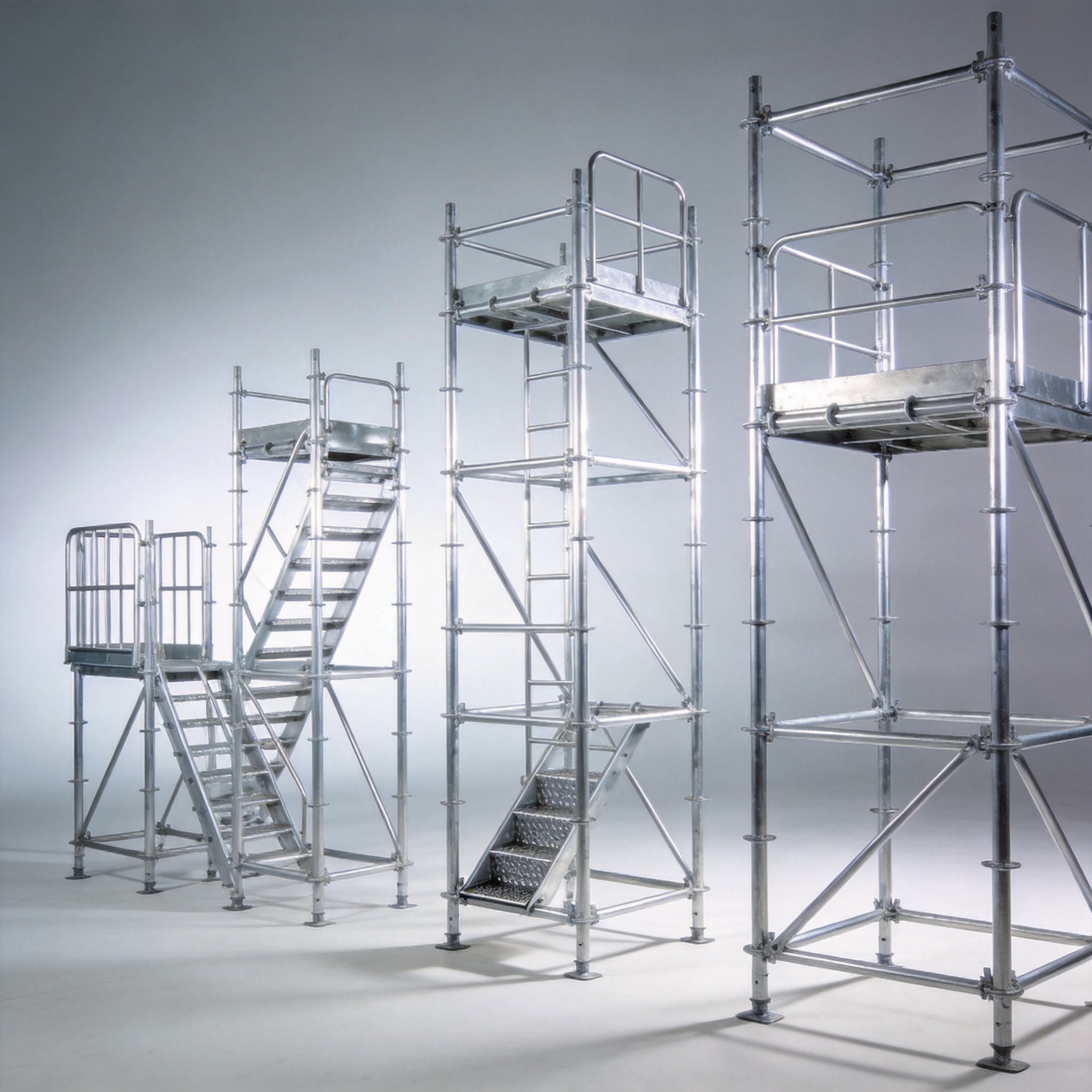

In the ever-evolving world of construction, where towering skyscrapers become more intricate and projects demand finesse and precision, the scaffolding platform emerges as a beacon of innovation. Picture this: a bustling construction site where workers navigate their tasks with ease, safety, and unparalleled efficiency. This isn’t just the daydream of an idealist; it’s a reality being shaped by the transformative power of modern scaffolding platforms. These platforms are not merely tools, but revolutionaries in their own right, challenging the conventions of traditional construction practices and setting new benchmarks for safety standards.
At the heart of this transformation lies the undeniable need for both safety and efficiency on construction sites. Historically, mishaps and inefficiencies have plagued the industry, not only causing delays but endangering lives. Enter the modern scaffolding platform — a game-changer that combines cutting-edge design with practical functionality to address these age-old issues. With these platforms, the construction realm is witnessing a shift that balances rigorous safety measures with the agility of modern engineering, ensuring projects are delivered timely without compromising on worker protection. As we delve into this topic, prepare to uncover how these marvels are not just enhancing the industry but are setting the stage for the future of construction itself.
Evolution of Scaffolding Platforms in Construction
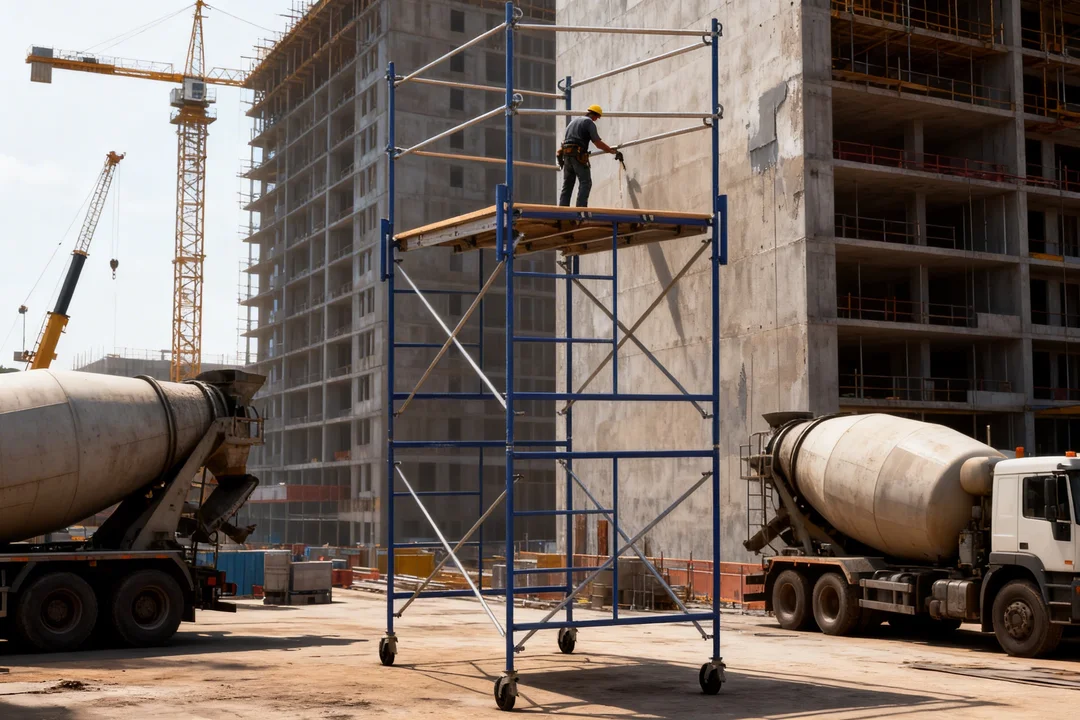
Long before steel and aluminum dominated the skyline, early civilizations relied on rudimentary scaffolding made from tree branches, bamboo poles, and wooden planks. These primitive structures offered basic elevation support for masons and artisans crafting religious monuments or civic buildings. Although functional, they were inherently unstable and prone to collapse, creating risky working conditions. Over centuries, builders experimented with lauded methods like tying logs together with ropes and integrating wooden pegs to bolster joints. Yet these setups still fell short when construction projects reached grander scales or higher elevations.
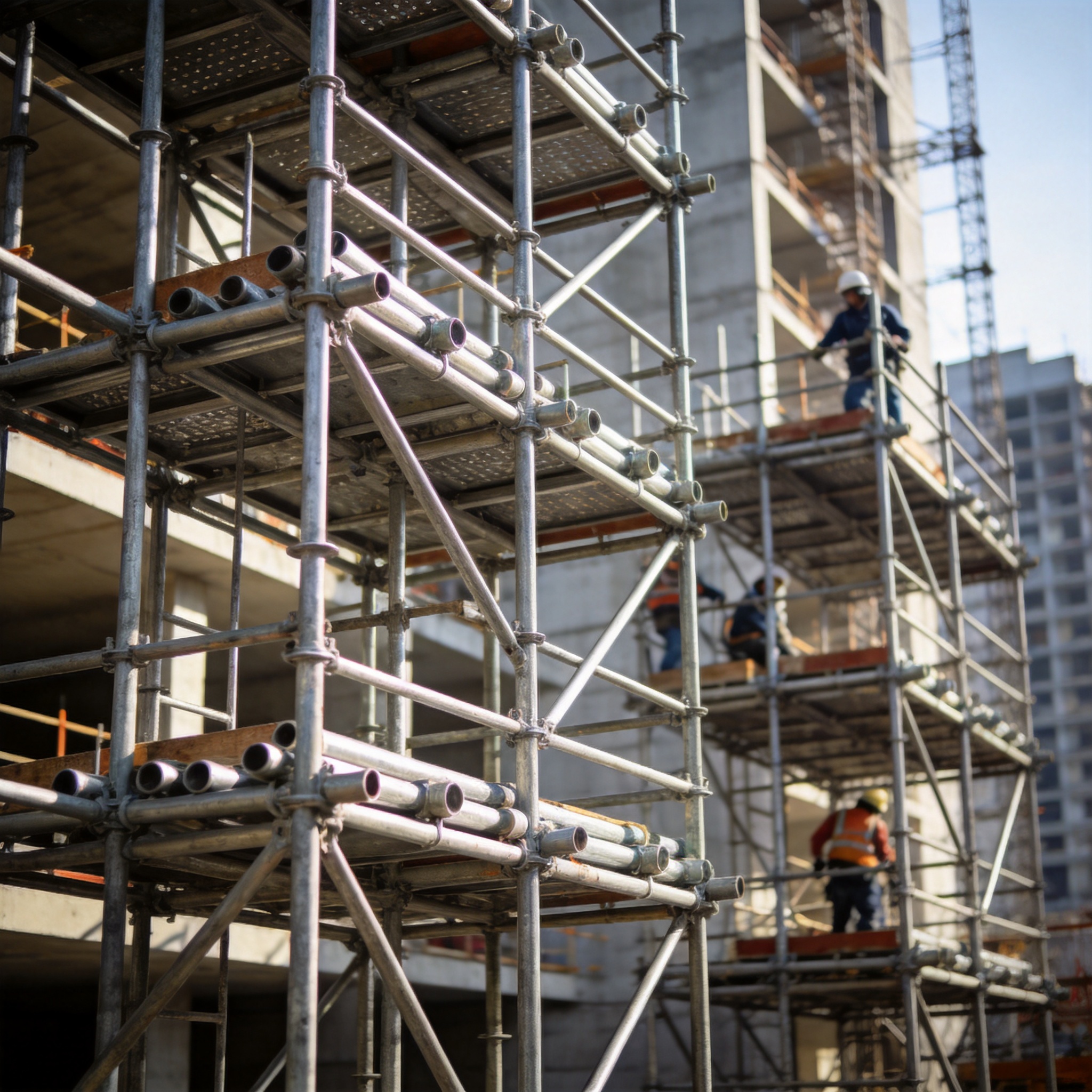
The Industrial Revolution ushered in a paradigm shift: iron and steel tubes supplanted wood, yielding greater load-bearing capacity and uniformity. Couplers and clamps made assembly more straightforward, giving birth to tube-and-clamp systems that remain in use today. Subsequently, prefabricated frame scaffolding emerged, featuring welded frames and integrated guardrails that sped up construction and lowered labor costs. The mid-20th century introduced modular scaffolding platforms—versatile, interlocking components that could be assembled in diverse configurations. These innovations vastly improved safety, adaptability, and assembly speed. Today’s state-of-the-art scaffolding platforms incorporate lightweight alloys, ergonomic deck designs, and quick-lock fittings, reflecting over a century of engineering evolution dedicated to enhancing worker safety and construction efficiency.
Advantages of Modular Scaffolding Systems
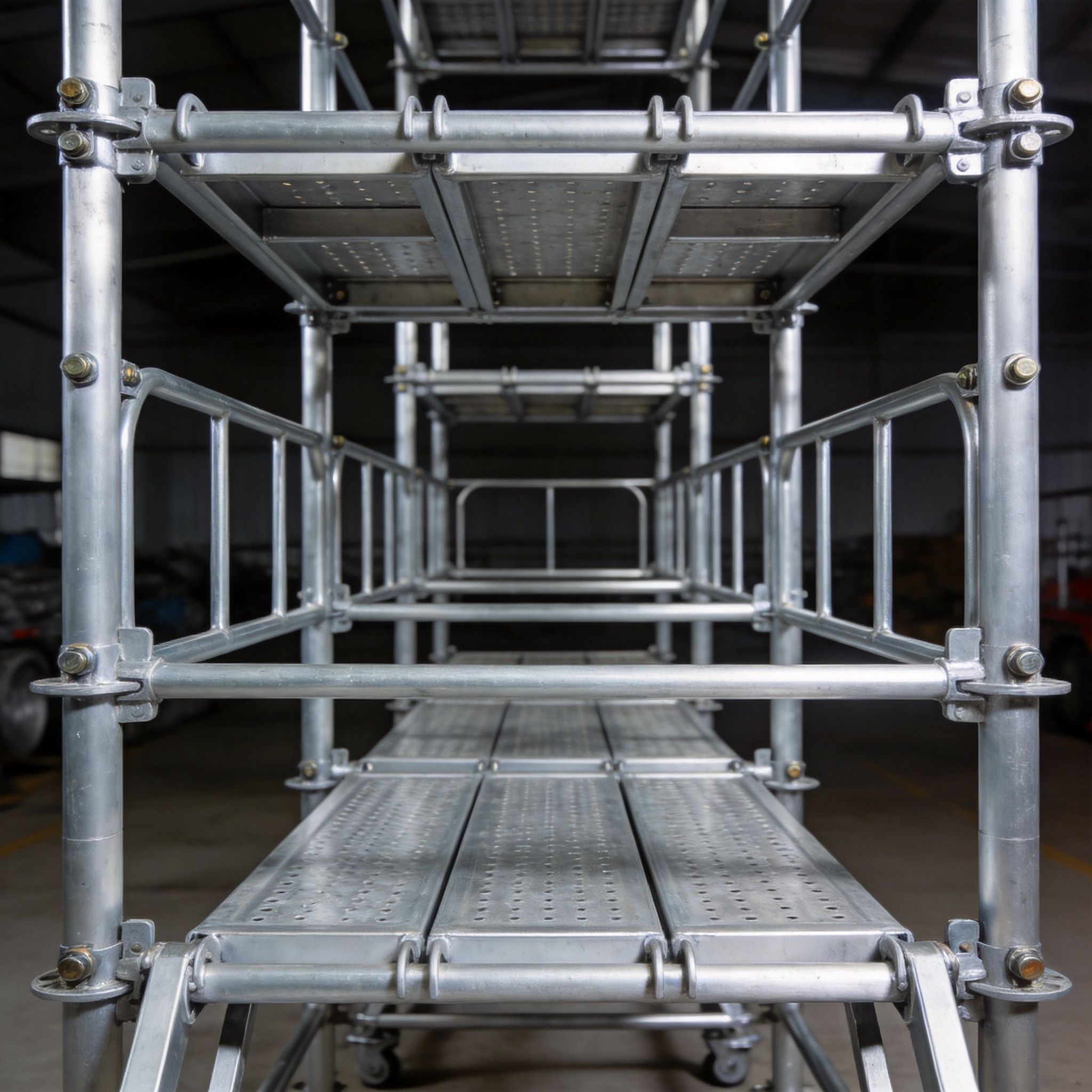
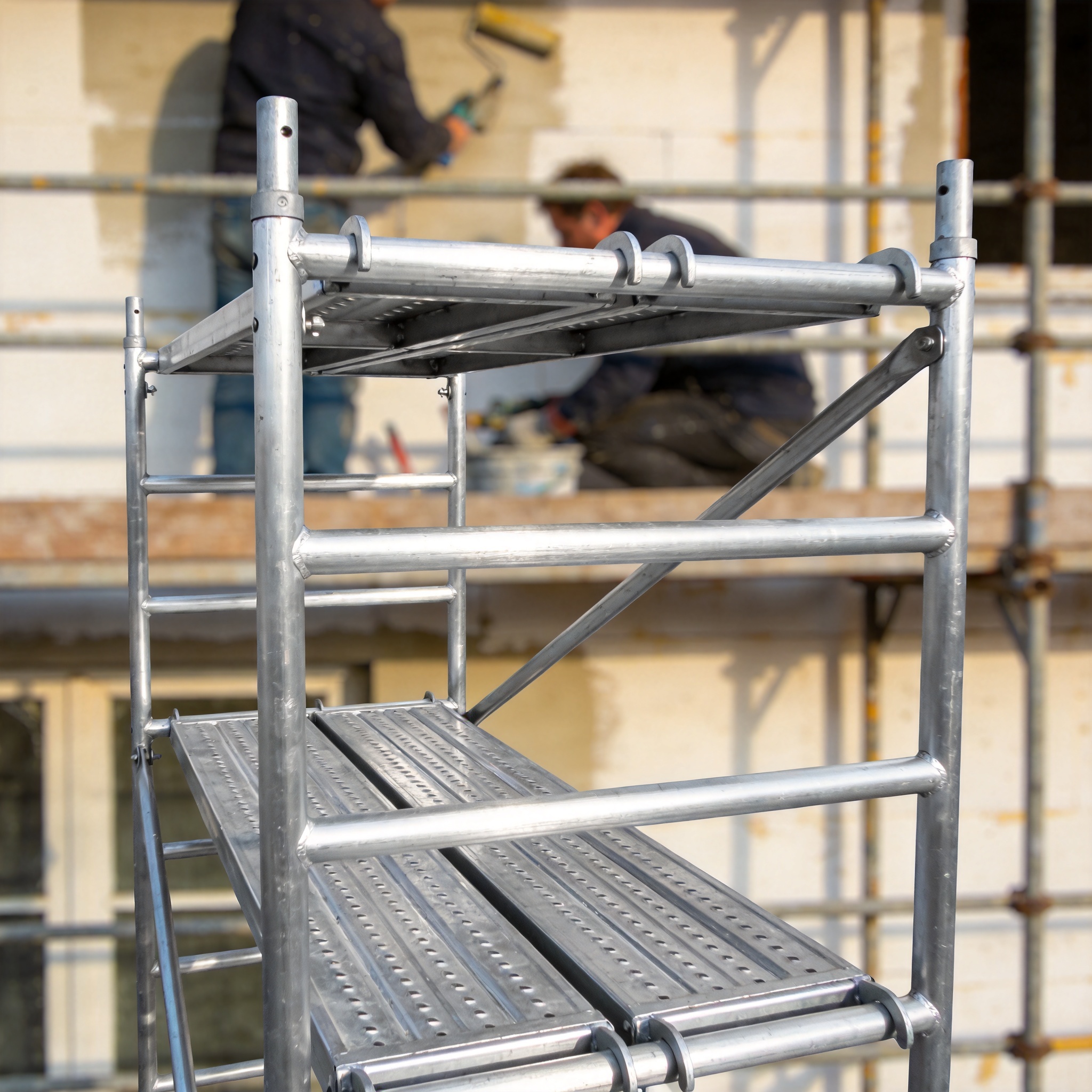
Modular scaffolding systems have revolutionized how contractors approach elevation work, blending adaptability with rapid deployment. Unlike bespoke timber structures, modular systems arrive on site as standardized units—vertical frames, horizontal ledgers, and pre-slotted platforms—that fit together seamlessly. This standardization minimizes on-site modifications, reduces wasted materials, and accelerates project timelines. The inherent interchangeability of components means crews can scale heights or reconfigure platforms swiftly, whether they’re erecting a façade scaffold or staging access for interior renovation.
One of the chief benefits of modular scaffolding platforms is their cost-effectiveness. By reusing high-quality metal components across multiple jobs, contractors lower material expenditure and environmental impact. Quick-release couplings and toeboard attachments shorten assembly time, cutting labor costs and mitigating downtime. From a safety perspective, modular scaffolding systems offer consistent guardrail placement, non-slip decking, and seamless stairway access, dramatically reducing fall hazards. Additionally, these systems can integrate accessories—outrigger stabilizers, adjustable screw jacks, and debris chutes—tailoring each setup to site-specific demands while maintaining compliance with regulatory benchmarks. Overall, modular scaffolding platforms stand out as the epitome of efficiency, adaptability, and safety in modern construction.
Enhancing Worker Productivity Through Ergonomic Scaffolding Solutions
Ergonomics plays an increasingly pivotal role in scaffolding platform design, directly impacting productivity and worker well-being. Traditional scaffolds often forced workers into awkward positions, causing fatigue and slowing progress. Today’s ergonomic scaffolding platforms boast features like height-adjustable decks, angled handrails, and cushioned walkways, minimizing strain on joints and muscles. By allowing workers to fine-tune platform height to task requirements, these solutions help maintain optimal posture during repetitive activities such as bricklaying, painting, or installation work.
Another hallmark of ergonomic design is the strategic layout of access points. Staircase modules with wide treads and hand grips ensure smooth transitions between levels, reducing trip hazards and expediting movement. Integrated tool trays keep equipment within arm’s reach, eliminating unnecessary climbing or bending. Lightweight aluminum deck panels reduce the effort required for assembly and repositioning, while non-slip coatings improve traction in wet or dusty conditions. The cumulative effect of these ergonomic innovations is a reduction in downtime from fatigue or injury, bolstering both morale and output rates. Ultimately, ergonomic scaffolding platforms represent a shift in prioritizing human factors engineering, aligning construction site demands with worker health and performance.
Integration of Technology for Smart Construction Site Management
The rise of Industry 4.0 has inspired the integration of digital tools directly into scaffolding platform systems, ushering in an era of smart construction management. Sensors embedded in key load-bearing members can continuously monitor stress, deflection, and environmental conditions, relaying real-time data to site supervisors. This visibility enhances both safety oversight and resource allocation, enabling rapid intervention if a platform approaches its load limit or experiences structural anomalies.
Building Information Modeling (BIM) compatibility is another major advancement. By mapping scaffolding platforms within a 3D project model, planners can simulate erection sequences, detect clashes with existing structures, and optimize materials ordering. IoT-enabled tags track the location and usage history of each module, reducing loss and facilitating maintenance schedules. Mobile apps allow field teams to scan components, verify proper assembly, and document inspections with timestamped photos. As these technologies converge, scaffolding platforms evolve from passive supports into active elements of a data-driven ecosystem, fostering safer and more efficient construction workflows.
Compliance and Regulations: Ensuring Safety with Scaffolding Platforms
Regulatory compliance is non-negotiable when deploying scaffolding platforms. Agencies such as OSHA in the United States, the HSE in the UK, and similar bodies worldwide have established rigorous standards governing design, installation, and inspection. Key requirements typically include maximum allowable load ratings, mandatory guardrail heights, toeboard specifications, and the use of fall-arrest systems. Adherence to these rules not only limits liability but also cultivates a safety-first culture among crews.
Regular inspections form the backbone of compliance efforts. Certified scaffold inspectors must examine components for signs of deformation, corrosion, or fastener fatigue before initial use and at frequent intervals thereafter. Detailed record-keeping ensures that any deficiencies are addressed promptly, with defective parts quarantined for replacement. Comprehensive worker training further fortifies safety—team members learn to recognize hazards, perform safe assembly practices, and execute emergency rescue procedures. By harmonizing scaffolding platform design with prevailing regulations and best practices, construction firms can minimize accident rates, safeguard personnel, and uphold project schedules without compromise.
Future Outlook: Innovations Shaping the Next Generation of Scaffolding Platforms
Looking ahead, the scaffolding platform of tomorrow promises breakthroughs in materials, automation, and sustainability. Ultra-light composite alloys and high-performance polymers may supplant traditional metals, offering improved strength-to-weight ratios and corrosion resistance. Self-erecting scaffolds—powered by battery-driven actuators—could autonomously adjust heights or extend bays, drastically reducing manual labor and assembly time.
Augmented reality (AR) will likely become a standard tool for scaffold planning and safety training, overlaying digital schematics onto physical structures to guide precise installation. Modular robotics might even perform repetitive inspection tasks, scanning weld points for cracks or verifying connection integrity. Renewable energy integration—solar panels or kinetic foot sensors—could supply power to onboard lighting and sensors, enhancing site sustainability. Together, these innovations will redefine what a scaffolding platform can achieve, pushing the boundaries of construction safety, productivity, and environmental stewardship.
FAQ
1. What is a scaffolding platform?
A scaffolding platform is a flat working surface installed on scaffolding structures, allowing workers to stand, move, and place tools or materials safely at elevated heights.
2. What materials are scaffolding platforms made from?
Scaffolding platforms are typically made from steel, aluminum, or wood (timber planks). Steel and aluminum platforms are more durable, fire-resistant, and commonly used in modern construction.
3. What safety features should a scaffolding platform have?
Key safety features include anti-slip surfaces, guardrails, toe boards, secure locking mechanisms, and proper load capacity ratings to ensure worker safety.
4. What is the load capacity of a scaffolding platform?
Load capacity varies by design and material, but platforms are generally rated for light, medium, or heavy-duty use. It is essential to follow the manufacturer’s specifications to avoid overloading.
5. Where are scaffolding platforms commonly used?
They are widely used in construction, building maintenance, painting, installation work, and industrial projects where safe access to elevated areas is required.
Conclusion
The scaffolding platform has come a long way from simple wooden poles to sophisticated, data-driven systems that prioritize safety and efficiency. By embracing modular design, ergonomic features, and smart technologies, today’s platforms not only protect workers but also optimize construction workflows.
As regulations tighten and projects grow more complex, ongoing innovation in materials and automation will continue to revolutionize the industry. Ultimately, the future of construction depends on platforms that blend human-centered design with digital intelligence—ensuring every build stands on a foundation of safety and ingenuity.
