
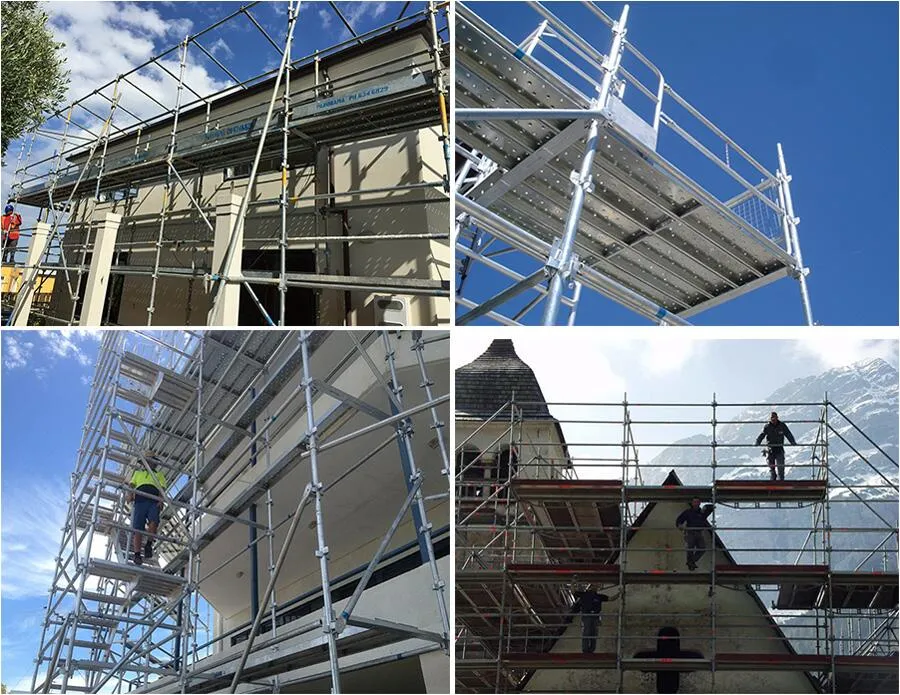

Imagine transforming a complex construction site into a seamlessly organized workspace. If you’ve ever been involved in a building project, you’ll know that managing safety, efficiency, and flexibility simultaneously can feel like a juggling act. This is where Kwikstage scaffolding shines—it’s not just another structural setup; it’s a game-changer for modern construction. With its versatile, easy-to-assemble nature, kwikstage scaffolding sets the stage for smoother, more secure operations, saving both time and resources.
The importance of reliable scaffolding cannot be overstated. Statistics show that nearly 65% of construction workers frequently work on scaffolds, highlighting the vital need for robust support systems. What makes Kwikstage scaffolding particularly noteworthy is its ability to adapt to the evolving demands of any site. Whether you’re constructing a skyscraper or renovating a historical building, this innovative scaffolding system offers unmatched adaptability, ensuring that your team can work with confidence and precision. Welcome to our essential guide, where we delve into how Kwikstage scaffolding can elevate every aspect of your construction experience.

Benefits of Kwikstage Scaffolding in Construction Projects
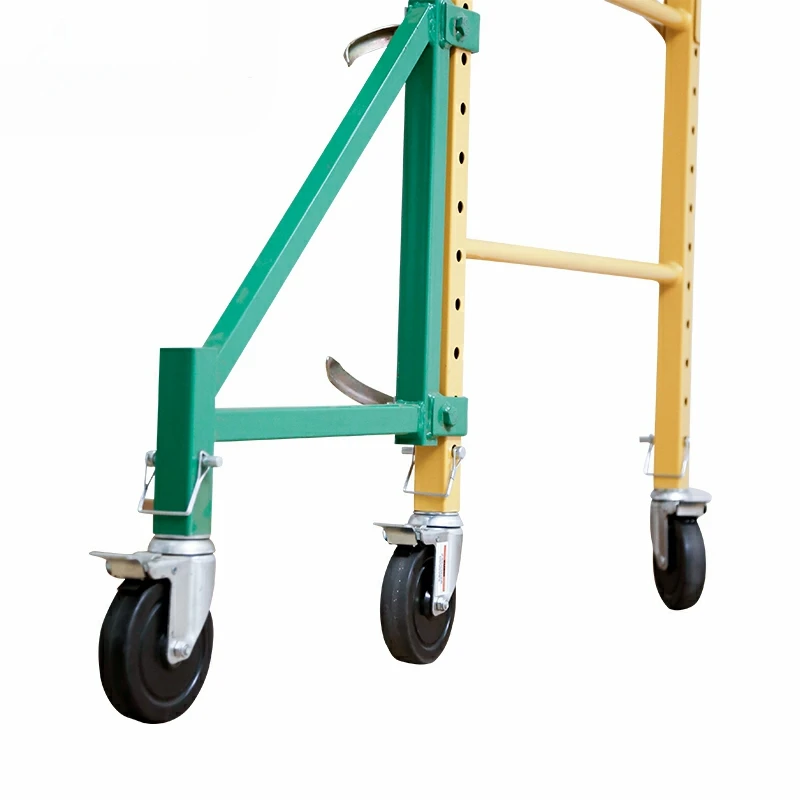
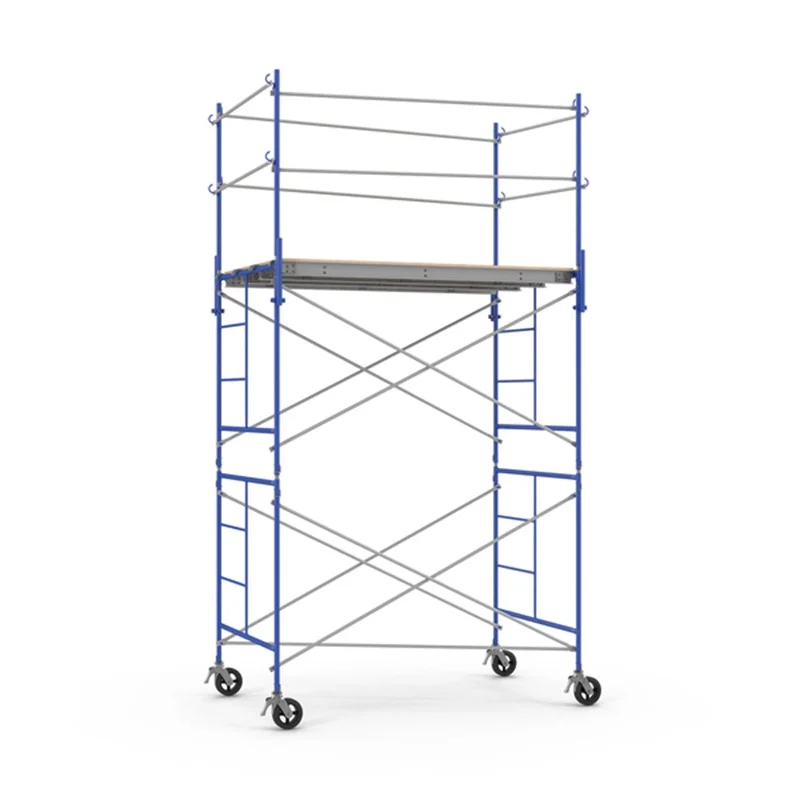
One of the most compelling benefits of Kwikstage scaffolding is its remarkable modularity. Each component—from standards and ledgers to bracing and decks—locks together quickly and securely, allowing teams to build complex access structures in a fraction of the time required by traditional tube-and-clamp systems. This rapid assembly capability translates directly into fewer labor hours and reduced on-site disruptions. In large-scale projects, where every hour counts and delays can cascade into costly overruns, the speed and precision of kwikstage scaffolding installation can be a decisive advantage.
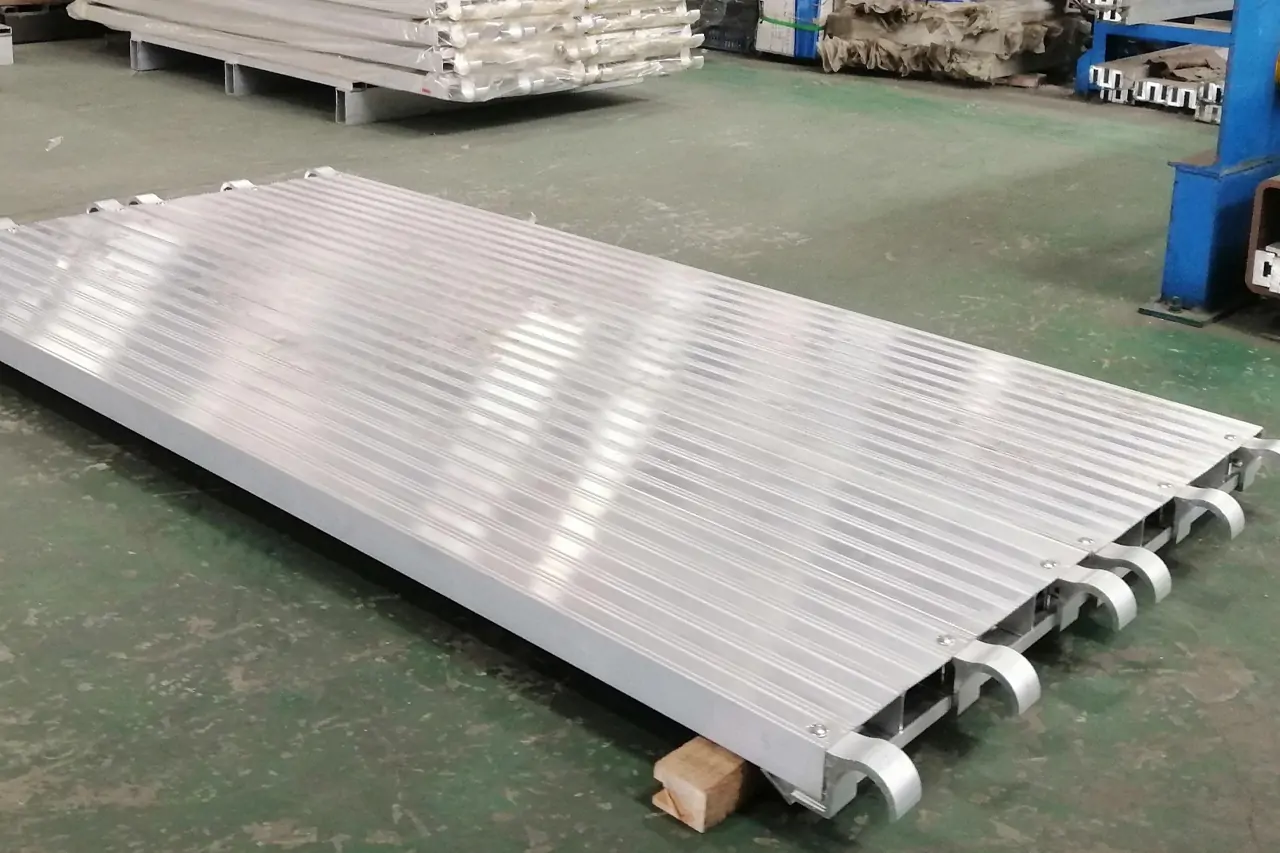
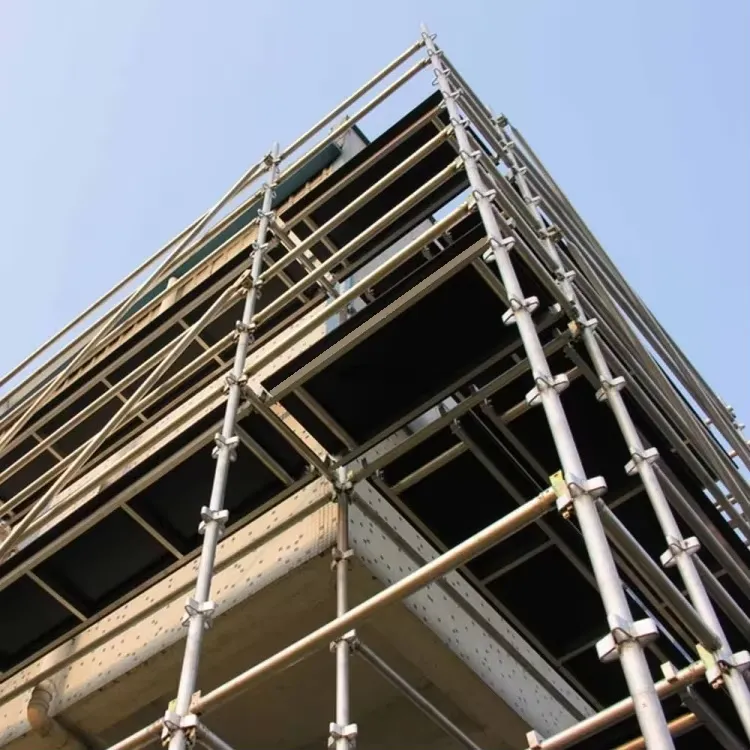
Beyond speed, Kwikstage scaffolding offers exceptional load-bearing capacity and stability. Engineered from high-grade steel, its components can support substantial weights while maintaining structural integrity under dynamic loads, such as moving personnel and equipment. Site managers appreciate the integrated safety features—such as anti-slip decking and secure locking wedges—that minimize the risk of accidents and ensure a stable working platform. Moreover, its versatile design enables configurations for corners, circular elevations, and cantilevered extensions, making it adaptable to architectural complexities that would challenge conventional scaffolding systems.
Cost-effectiveness is another key benefit. The reusable nature of Kwikstage scaffolding means that components can be dismantled, stored, and redeployed across multiple projects, reducing long-term capital expenditure. Compared to single-use or damage-prone systems, the durability of Kwikstage components lessens maintenance costs and prolongs service life. When project timelines and budgets are tight, these savings in labor, materials, and downtime add up significantly, reinforcing why kwikstage scaffolding has become a staple in modern construction management.
Safety Measures and Regulations When Using Kwikstage Scaffolding
Ensuring safety when using Kwikstage scaffolding starts with adherence to industry regulations and standards. Bodies such as OSHA in the United States or EN 12811 in Europe set stringent guidelines for load ratings, component testing, and inspection intervals. By following these frameworks, site supervisors can verify that all Kwikstage parts—standards, ledgers, transoms, and base plates—meet certification requirements, guaranteeing performance under expected loads and weather conditions.
Comprehensive training is paramount. Workers must understand the proper sequence for erecting and dismantling the system, recognize signs of component fatigue, and know how to conduct daily visual inspections. Use of personal protective equipment (PPE)—including helmets, harnesses, and non-slip footwear—is mandatory when working on erected platforms. Routine checks for secure locking wedges, correct ledger placement, and even deck alignment ensure that Kwikstage scaffolding remains in compliance, greatly reducing the risk of falls or structural failures.
Additionally, implementing a scaffold management plan enhances site-wide safety. This plan outlines responsibilities for scaffold inspection, documents maintenance records, and schedules regular audits. Clear signage and restricted access zones prevent unauthorized personnel from tampering with or overloading the structure. By combining regulatory compliance, thorough training, and proactive management, Kwikstage scaffolding can provide a robust and reliable framework that safeguards crews, equipment, and project timelines.
Efficient Assembly and Dismantling Process of Kwikstage Scaffolding
The assembly of Kwikstage scaffolding is streamlined by its intuitive design. Components are color-coded and precision-fabricated to fit seamlessly, eliminating the need for specialized tools beyond a lightweight hammer or spanner. Crews can follow simple, step-by-step guidance to install base plates, insert standards, and clip on ledgers with locking wedges. This minimizes guesswork and significantly cuts down on setup times, even for large or irregularly shaped structures.
Dismantling follows the reverse process and is equally efficient. With clear markings indicating orientation and sequence, teams can remove decks and ledgers safely before lowering standards. The modular nature not only accelerates teardown but also simplifies inventory and storage. Each piece nests or stacks compactly, reducing footprint on-site or in warehouse facilities. The streamlined workflow not only saves labor hours but also curtails the downtime between successive projects, maximizing equipment utilization.
Moreover, on-site planning tools—such as digital scaffolding layout software—can further optimize both assembly and dismantling. By pre-mapping scaffold layouts and material requirements, managers ensure that the right components arrive at the right location, reducing idle time. When combined with the innate efficiency of KwikStage scaffolding, these best practices facilitate a seamless operational rhythm, boosting overall project productivity.
Comparing Kwikstage Scaffolding with Traditional Scaffolding Systems
Traditional tube-and-clamp scaffolding relies on manually tightened fittings and precision drilling to secure connections, a process that can be labor-intensive and time-consuming. In contrast, Kwikstage scaffolding components feature wedge locks and predefined holes, allowing rapid, tool-light connections. This not only accelerates setup but also reduces the margin of error—clips and wedges provide audible and tactile feedback when properly engaged, ensuring each joint meets safety tolerances without extensive torque measurements.
Weight-to-strength ratio is another differentiator. Whereas timber or steel planks in conventional scaffolding may require additional supports and bracing, the engineered decks of Kwikstage scaffolding are designed to bear heavy loads with fewer support standards. This streamlined framework reduces material usage and simplifies logistics, particularly on multi-level installations. Furthermore, the uniform component dimensions of Kwikstage systems facilitate easier planning and fewer bespoke cuts, a stark contrast to the on-the-fly adjustments often needed with traditional setups.
From a lifecycle perspective, reusable Kwikstage components offer superior return on investment. Traditional systems can suffer corrosion, wood rot, or loose fittings over repeated uses—compromising safety and increasing maintenance overhead. The galvanized finish and robust construction of Kwikstage parts resist environmental wear, maintaining structural integrity across dozens of project cycles. For contractors seeking both operational efficiency and long-term cost savings, the advantages of kwikstage scaffolding over conventional methods become clear.
Conclusion: Elevating Construction Efficiency with Kwikstage Scaffolding
Kwikstage scaffolding stands out as a versatile, safe, and cost-effective solution for modern construction needs. Its modular components and intuitive locking mechanisms enable rapid assembly, minimize labor demands, and ensure stringent safety compliance. Compared to traditional systems, the durability and reusability of Kwikstage scaffolding deliver significant lifecycle savings.
Adopting kwikstage scaffolding empowers site managers to tackle complex architectural challenges with confidence, reduce downtime between projects, and maintain high safety standards. Ultimately, this essential guide underscores how Kwikstage scaffolding elevates construction efficiency, paving the way for smoother, more reliable building operations.
