
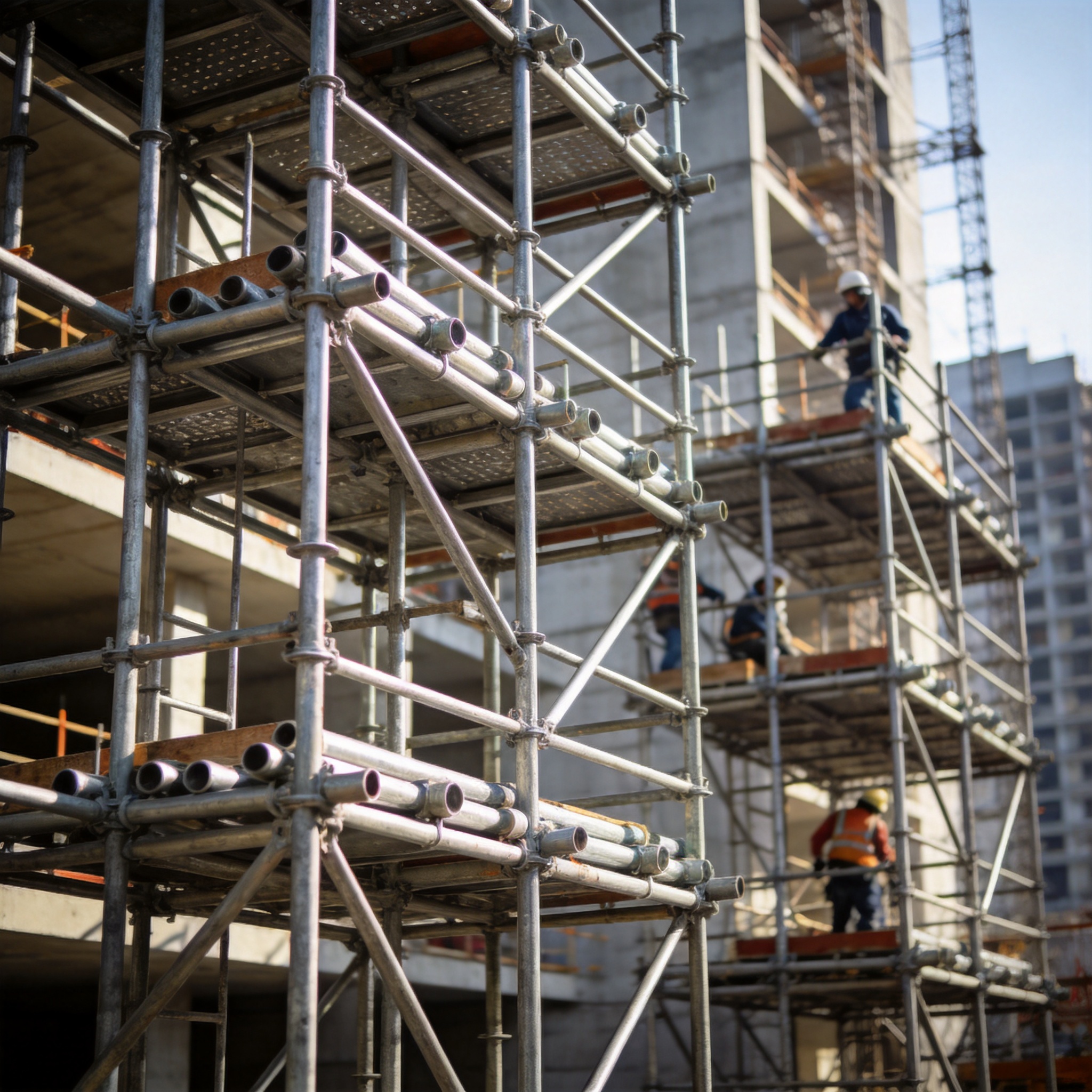
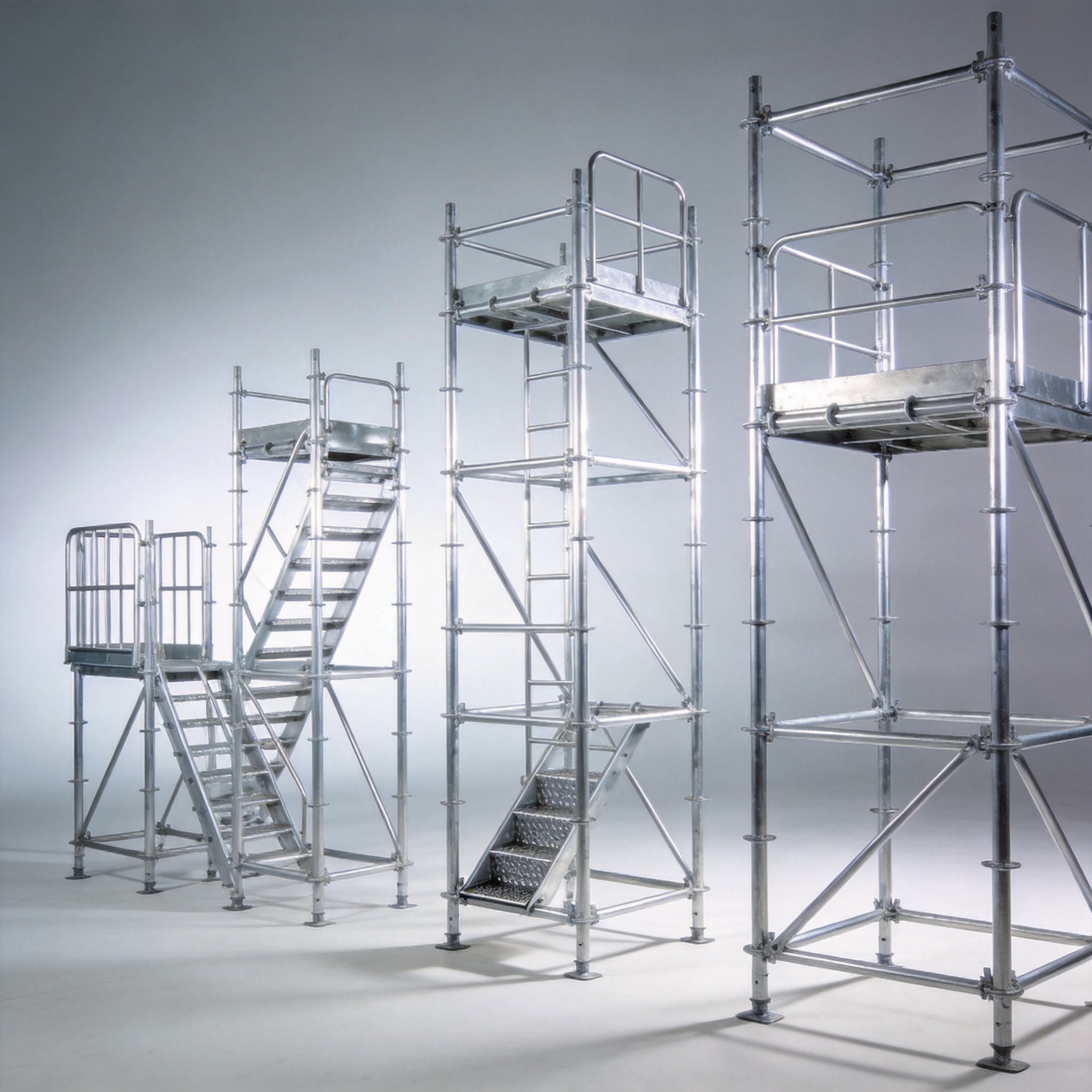
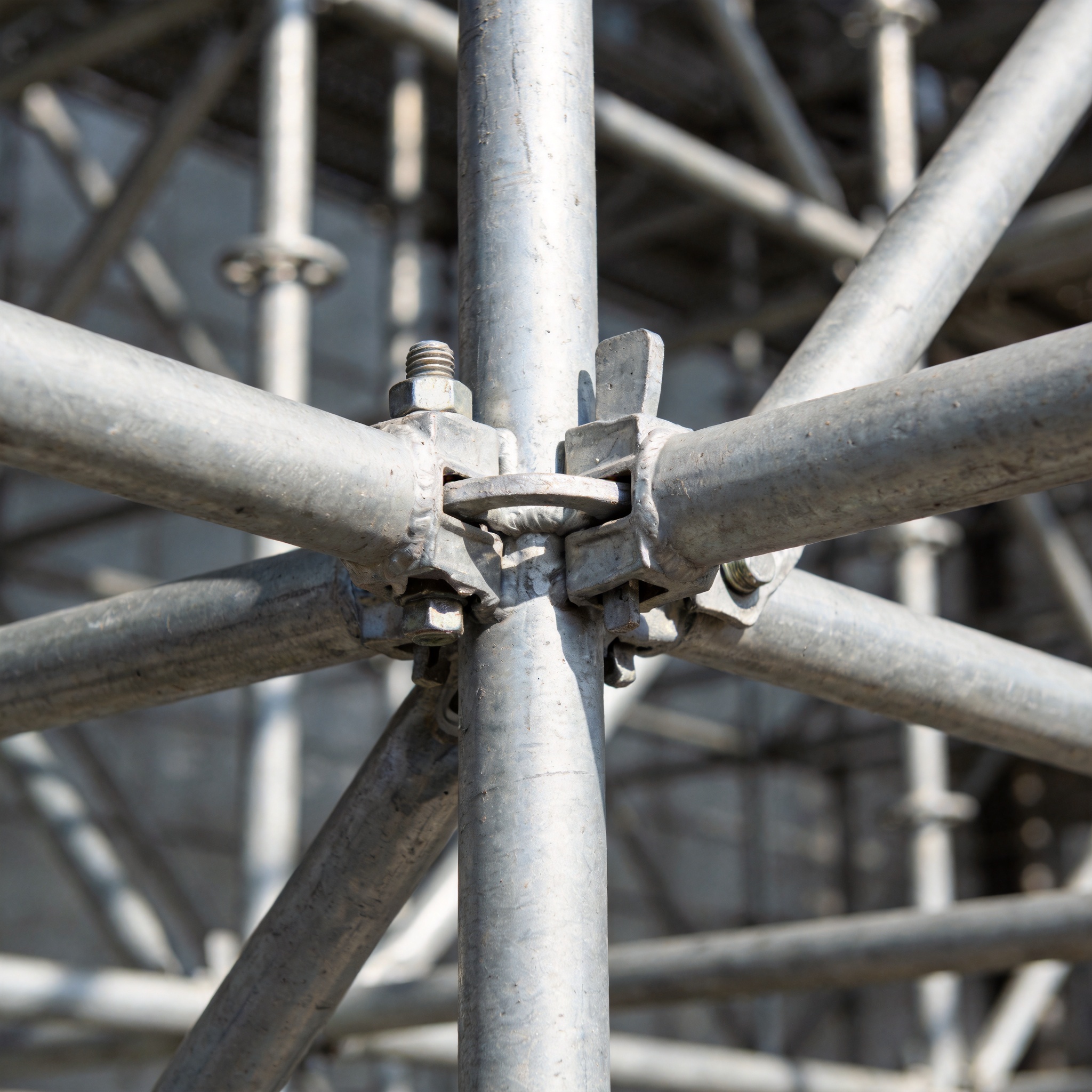
Planning a project that involves a scaffold? Your first thought might be to grab a few long 2x10s from the hardware store. Stop. Using the wrong plank is one of the most common—and dangerous—mistakes you can make. That simple board you stand on is not just any piece of wood; it’s specialized safety equipment, and the difference is critical for anyone working above the ground.
Falls from height remain a leading cause of devastating workplace accidents, and industry data reveals that many of these incidents trace back to the platform itself. It’s often not a dramatic, full-structure collapse but a single, cracked or improperly placed board that fails. These are the simple, preventable mistakes that the OSHA scaffold plank requirements are designed to eliminate, turning a potentially hazardous setup into a stable work surface.
This guide covers the #1 mistake people make when choosing planks, a 60-second inspection that can save a life, and the key rules for scaffolding platform construction standards. By the end, you’ll have the confidence to know your platform is built for safety, not for a fall.
The Single Most Important Rule: Why “Scaffold-Grade” Matters
Standard lumber is designed for house frames, not for holding your entire body weight high above the ground. It can fail suddenly and without warning. This is precisely why OSHA requires that all platforms be built with special solid sawn planks. These boards are certified as “scaffold-grade” and have a scaffold wood plank grade stamp on the end.
Think of this stamp as a safety certification; it’s your guarantee that the plank has been professionally tested to support workers and their materials. Look for the words “OSHA” or “Scaffold Grade” to be sure you have the right board for the job.

Even a certified plank can become unsafe over time due to wear, weather, or damage. Knowing what to look for is your next line of defense against a fall.
Your 60-Second Safety Check: How to Spot a Dangerous Plank Before You Step On It
A certified stamp is the starting point, not the finish line. Over a plank’s life, it gets dropped, rained on, and worn out, and even the strongest board can develop a fatal flaw. Learning how to identify unsafe scaffold boards with a quick visual check is one of the most important safety habits you can build. Before any plank is put into service, give it a once-over using this professional scaffold plank inspection checklist.
A plank’s wood grain is like a set of tightly bound fibers; anything that breaks them creates a weak point. A large knot, for instance, is a spot where the grain is interrupted, making the plank far more likely to snap under load.
Run your eyes down each board for these red flags:
- Large knots (especially any bigger than a quarter)
- End splits or cracks running with the grain
- Obvious warping, twisting, or bowing
- Dark, soft spots that signal rot or water damage
- Significant cuts or notches from saws or equipment
If you find a plank with any of these defects, the rule is absolute: do not use it. Don’t flip it over and hope for the best. A damaged plank is a broken plank waiting to happen. The only safe move is to immediately mark it as “UNSAFE” and remove it from service entirely.
The “Seesaw” Danger: How to Properly Place and Secure Planks
Having safe planks is only half the battle; where you place them is just as critical. A plank resting on a support acts like a small seesaw. If it doesn’t hang over the edge enough, a slight nudge could send it slipping off. If it hangs over too much, stepping on the far end could cause it to flip up. This is why OSHA has a simple “6 to 12 inch” rule for overhang: each plank end must extend at least 6 inches past its support for stability but no more than 12 inches to prevent tipping. For added safety, consider securing the planks to prevent movement.
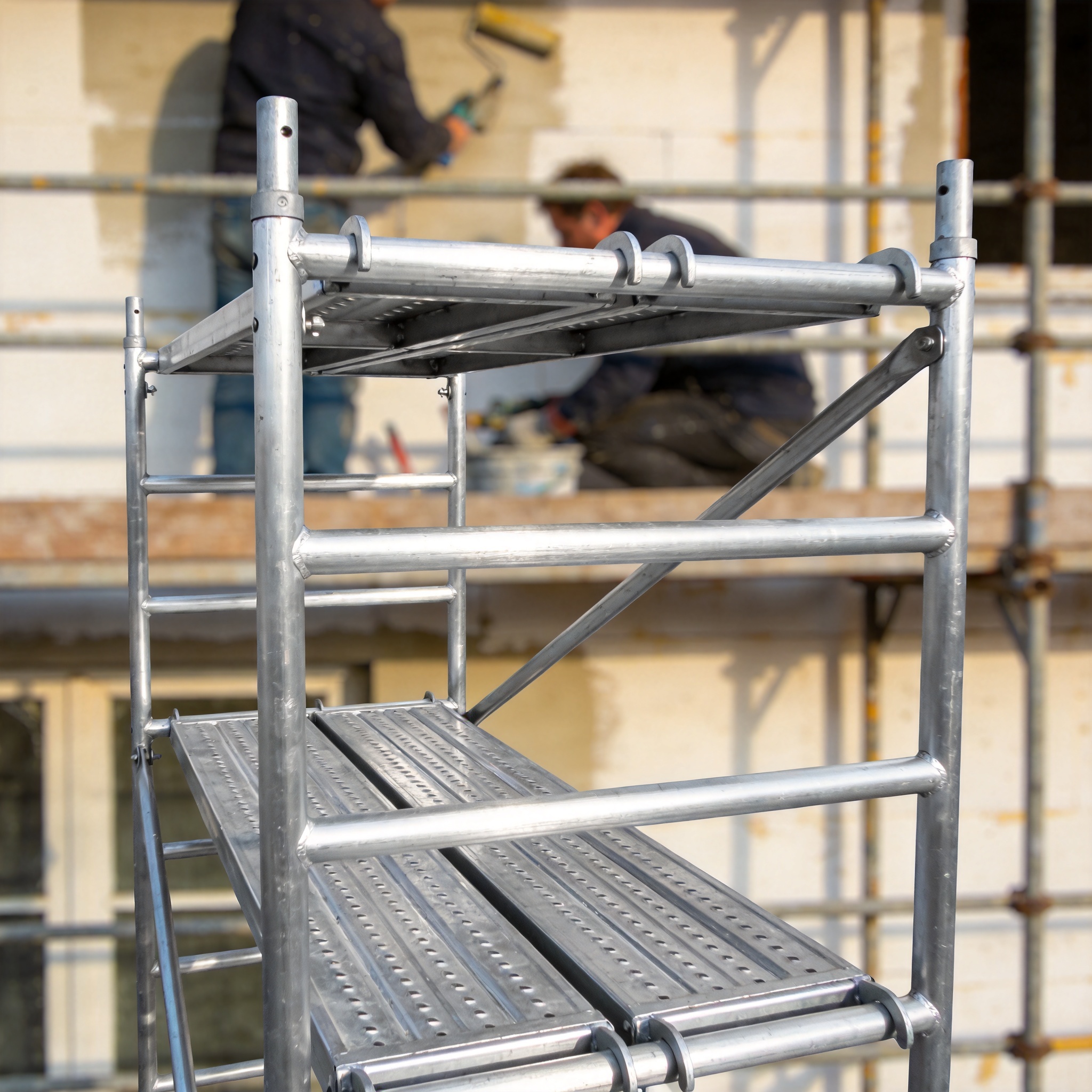
According to scaffolding platform construction standards, planks must be laid side-by-side with no gaps wider than one inch. This creates a solid, continuous floor and prevents tools—or worse, a foot—from slipping through. A fully planked platform feels sturdy underfoot, giving you a secure surface to work from.
For platforms longer than a single plank, you must overlap the planks over a shared support beam. The minimum overlap for scaffold planks is a full 12 inches. This ensures that weight is safely transferred from one board to the next without creating a weak point.

How Far Can a Scaffold Plank Span? Understanding Load and Distance
The maximum span for a scaffold plank isn’t a single number; it depends on the plank’s design and the weight it must carry. Think of it like a small bridge—a longer span is naturally weaker and can handle less weight. Placing supports too far apart dangerously overloads a plank, even one in perfect condition.
The key sign of an over-stretched plank is excessive bending, or “deflection.” While a little flex is normal, a deep sag means the plank is at risk of failing. As a simple field test for the maximum deflection for scaffold planks, a board should not bend more than about two inches in the middle of a 10-foot span when you stand on it. Any more bounce is a clear warning that your supports are too far apart for the load.
The official answer is stamped on the plank itself. Every scaffold-grade plank is rated by the manufacturer for a specific load capacity for scaffold boards and a maximum allowed span—often 8 or 10 feet for standard wooden planks. Always check this rating before setting up your scaffold supports.
Wood vs. Metal: Choosing the Right Plank for Your Job
While solid wood planks are the traditional choice, they aren’t the only option. All plank types must meet strict OSHA scaffold plank requirements, but their materials offer different advantages. A standard wood plank must be carefully inspected for natural weak spots like large knots or splits.
Engineered wood planks, often called Laminated Veneer Lumber (LVL), offer greater consistency. You can spot these by the thin, stacked layers of wood visible on their edges. By gluing these layers together under pressure, manufacturers eliminate the natural defects found in solid wood, creating a plank with predictable, uniform strength that is less likely to warp.
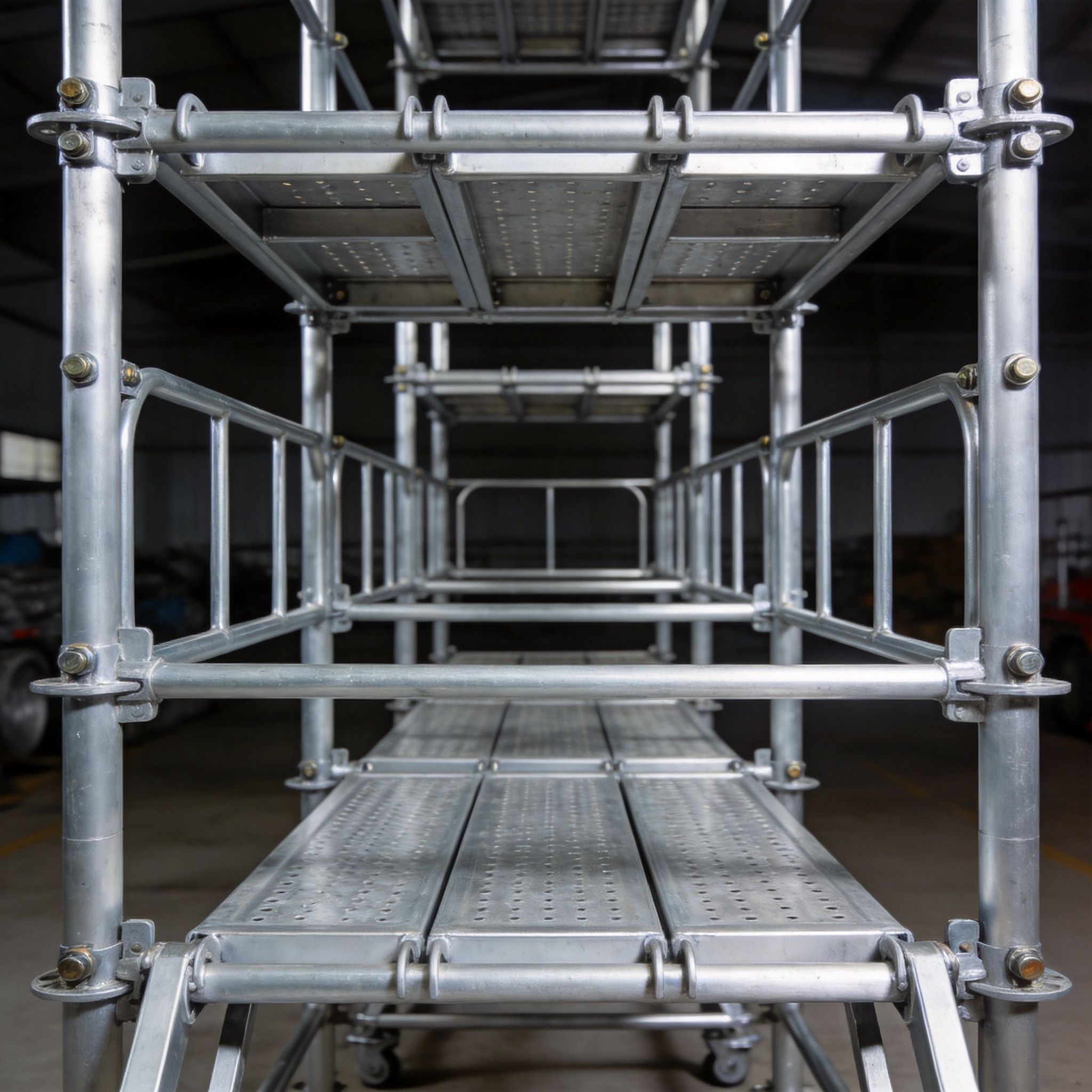
When comparing aluminum scaffold planks vs wood, durability and weight are the biggest factors. Aluminum planks are significantly lighter, making them easier to transport and set up. They are also weatherproof and won’t rot, split, or absorb water like wood. While they often cost more upfront, their long lifespan makes them a popular choice for those who use scaffolding regularly.

Your Safety Net: Why Guardrails and a Good Foundation Matter
Choosing the right plank is a critical first step, but even the strongest plank can’t save you if the rest of the scaffold isn’t secure. A scaffold is a complete safety system where every part works together, starting from the ground up.
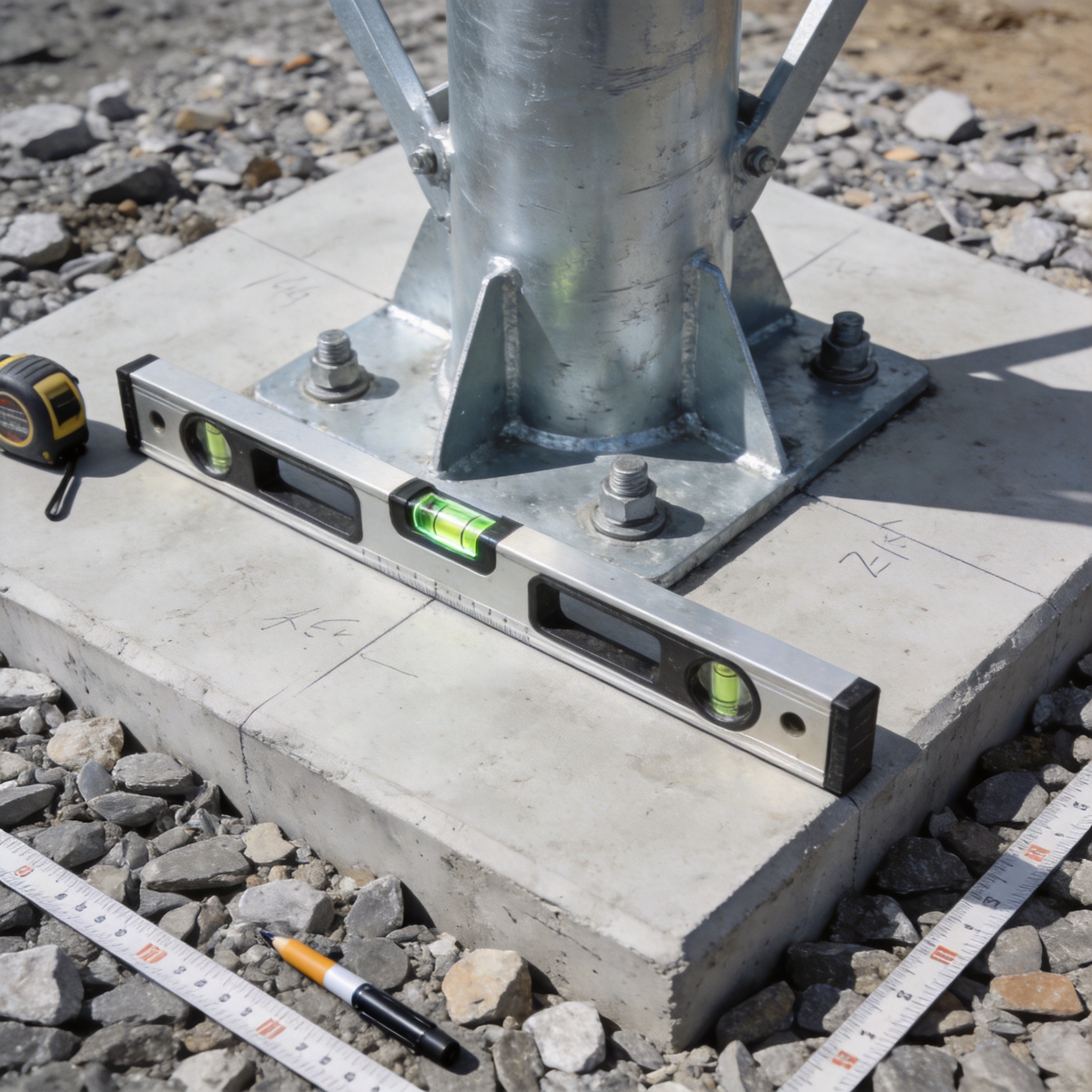
A scaffold must have an unshakeable base. Never set it up on soft ground like soil or hot asphalt, as a leg could sink and destabilize the structure. To follow proper scaffolding platform construction standards, always place sturdy wooden blocks, or mud sills, under each leg to create a solid, level foundation.
Finally, the platform is a protected balcony, not an open ledge. While planks provide the floor, guardrails provide the fence. OSHA rules are non-negotiable: if a scaffold platform is 10 feet or higher, it must have a complete guardrail system. Combining a stable foundation, certified planks, and secure guardrails is the only way to ensure total safety.
A Final 5-Minute Safety Ritual for Total Peace of Mind
Before, you might have seen a scaffold platform as just a few wooden boards. Now, you see it for what it truly is: a critical safety system. You have the knowledge to distinguish a proper, purpose-built plank from a dangerous imposter—a skill that directly protects you and anyone working with you.
Turn this knowledge into a habit. Before you climb, run through this simple three-step ritual to build confidence from the ground up:
- Check the Stamp: Is the plank officially rated as “scaffold-grade”?
- Inspect the Plank: Are there any cracks, large knots, or signs of damage?
- Check the Setup: Are overhangs correct, gaps closed, and guardrails secure?
This routine takes less than five minutes, but it’s the difference between hoping you’re secure and knowing you are. You no longer have to guess if a platform is safe; you now have the power to verify it yourself, ensuring every job ends with you going home safely.
