





Have you ever wanted to start a new project, like building your own website, only to be stopped cold by a blank, empty folder? The feeling can be paralyzing. Where do you even begin? What files do you need? In practice, this initial “blank page” hurdle is where countless great ideas fizzle out before they even get started.
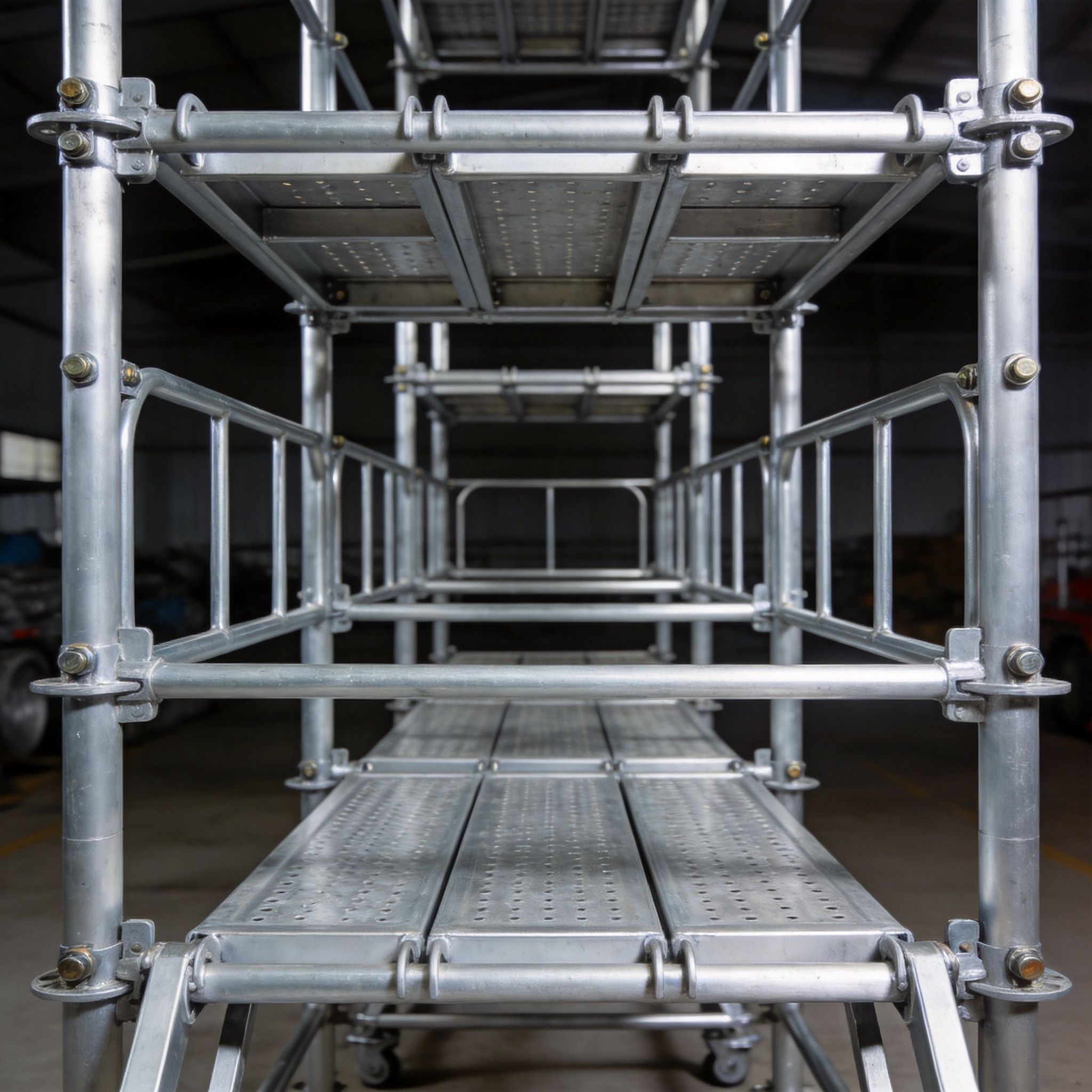
Now, consider building a house. You wouldn’t just show up to an empty lot with a hammer and a pile of wood; you’d begin with a professionally made foundation and a sturdy frame to give everything structure. Creating a modern application is no different, and developers rely on a similar secret to get going instantly: you first need to scaffold a frame.
This process is the powerful shortcut that overcomes the initial paralysis. Scaffolding uses an automated tool that, with a single command, generates all the basic files, folders, and configurations for you. Instead of facing a blank screen, you get a perfectly organized, ready-to-run foundation in seconds, letting you focus immediately on the fun part—building your actual idea.
Why You Shouldn’t Start from Scratch: The Power of a Pre-Built Frame
Imagine you want to assemble a piece of furniture. You could go to a lumber yard, buy raw wood, and try to figure out all the cuts and connections yourself. Or, you could start with a flat-pack kit from IKEA, which gives you pre-cut panels, labeled bags of screws, and a clear set of instructions. While both paths might lead to a finished bookcase, the kit saves you an enormous amount of time and frustration. Starting a software project is no different.
The surprising truth about modern applications is that they require a specific, predictable organization of files and folders to function correctly. Before you can even begin working on your unique idea, you need to create this project structure and write all the repetitive starting code—the foundational plumbing and wiring that’s the same for nearly every project. Getting this initial setup wrong is a common source of bugs and headaches that can derail a project.
This is exactly why developers rarely begin with an empty folder. Instead of manually creating every file and writing the same initial code over and over, they use a pre-built “frame.” This approach guarantees the project starts with a solid, industry-standard foundation, letting them skip the boring setup and jump straight to the creative part: building the features that make their project special. It’s the secret to going from zero to a working foundation in minutes, not hours.

What Are “Scaffolding” and “Frame” in the Software World?
So, if starting with a pre-built “frame” is the smart move, how do you actually get one? You don’t download a zip file or copy-paste from a website. Instead, you use an automated process called scaffolding. The term comes directly from construction, where a scaffold is a temporary structure that helps workers build the real thing quickly and safely. In software, it’s the exact same idea.
Scaffolding is the automated action of generating your project’s initial structure. It’s typically a single command you run on your computer. This command launches a specialized scaffolding tool—a small program whose only job is to ask you a few simple questions (like your project’s name) and then instantly build out the entire starting foundation for you.
The result of this automated process is your project’s frame. This is the complete skeleton of necessary folders, configuration files, and starter code, all perfectly organized and ready to go. Think of scaffolding as the robotic factory that assembles your IKEA furniture kit for you; the frame is the perfectly assembled, ready-to-use bookcase that appears moments later.
Crucially, this frame isn’t just a random collection of files. It’s a design based on the collective experience of thousands of expert developers. The scaffolding tool builds your project’s foundation using established industry best practices, saving you from making common beginner mistakes. You start your project on solid ground, ready to focus on what matters most: your unique idea.
The 60-Second Magic Trick: How to Scaffold Your First Frame
All this talk of automated tools is great, but where does the magic actually happen? You don’t need special software or a complicated setup. The entire process starts in a simple program that’s already on your computer: the Command-Line Interface (CLI).
If you’ve never seen it, the CLI (often called “Terminal” on Mac or “Command Prompt” on Windows) can look a little intimidating—it’s just a blank window with a blinking cursor. But think of it as a text-message conversation with your computer. Instead of clicking on icons, you type simple, direct commands to tell it exactly what you want it to do. It’s the most powerful way to run tools like the ones that scaffold project frames.
For example, one of the most popular commands to scaffold a new web project looks like this:
npm create vite@latest my-first-app — –template react
You simply type or paste that one line into the command-line window and press Enter. This single instruction tells the scaffolding tool everything it needs to know: to use the vite toolset to create a new project named my-first-app using the react starter kit.
Once you run the command, the tool might ask a couple of simple questions, like confirming your project name. You answer them, and in less than a minute, it springs to life, automatically generating all the necessary files and folders. Just like that, the most tedious part of starting a new project is done for you.
So, you’ve run the magic command. What actually happened? Before, you had an empty folder—a digital blank slate. Now, that same folder contains a complete, working starter project. The scaffolding tool didn’t just make one or two files; it built an entire, perfectly organized foundation for you, turning that empty space into a launchpad.
Without a tool, you’d have to create all these puzzle pieces by hand, hoping you connected them correctly. With scaffolding, the result is a logical project file structure that looks something like this:
my-first-app/ ├── public/ ├── src/ ├── index.html └── package.json
This isn’t just a random assortment of files and folders. It’s a standard, industry-tested blueprint. Think of it as a pre-organized binder for a school project, with labeled dividers and a table of contents already filled out. You don’t have to waste time with the setup; you can get straight to the work that matters.
This structure gives you the most valuable gift a creator can ask for: a running start. The project is already functional out of the box. You can immediately open it, find the src (source) folder where your code will live, and begin bringing your idea to life. All the boring, error-prone setup has been handled, freeing you to focus on the fun part.
The 3 Big Wins: Why Scaffolding Is a Modern Development Superpower
The process you’ve just learned isn’t merely a nice-to-have shortcut. It’s a fundamental shift in how modern projects begin, transforming what used to be a frustrating hurdle into a simple launch command. The value of scaffolding your project frame delivers three game-changing benefits:
- Unbeatable Speed. Instead of spending hours or even days manually creating files and configuring them, you get a fully functional project foundation in under a minute. This is the difference between starting your road trip immediately and spending the first day building the car.
- Built-in Best Practices. The project structure you get isn’t random; it’s a professional blueprint created by experts. This helps you avoid common beginner mistakes from the very start, ensuring your project is organized, stable, and easy to work with.
- Laser-Focused Creativity. By automating the tedious setup, scaffolding frees you to concentrate on what actually matters: your unique idea.
This freedom to focus is the true superpower of scaffolding. You can skip the part of development that feels like chores and jump straight to the joy of creation. Your energy goes into designing your portfolio, coding your blog, or building that fun app, not into wrestling with configuration files.
With this solid foundation now in place, the boring work is officially over. Your immediate next step is simply to open that new folder and start building. This is where your journey truly begins.
