
In the world of construction, where every detail matters and precision is paramount, the importance of quality scaffolding for building cannot be overstated. Imagine scaling the heights of a new skyscraper or renovating a historic monument—each project demands not just skill but also supreme confidence in the tools that support the crew. Scaffolding isn’t merely a structure; it is a lifeline that ensures both safety and efficiency on the job site. It’s the silent partner that allows architects’ dreams to rise from blueprints to reality.
Statistics reveal that construction remains one of the most hazardous industries, with falls being the leading cause of fatalities. This sobering fact underscores the critical need for robust scaffolding systems. From traditional metal tubes to state-of-the-art modular platforms, advancements in scaffolding technology testify to the sector’s relentless pursuit of safety and productivity. In this blog post, we delve into the best options available today, exploring how each enhances the safety and workflow of construction projects, ensuring that every build is not only successful but secure.

Importance of Quality Scaffolding in Construction
Quality scaffolding for building projects plays a critical role in safeguarding laborers and materials at elevation. A dependable scaffold system offers a stable working surface, reducing the risk of slips, trips, and dangerous falls. When teams have absolute confidence in their support structures, they can concentrate on the technical aspects of their craft—whether laying brick, installing glazing, or performing structural welds—without the distraction of uneven or unstable platforms.
Beyond safety, top-tier scaffolding drives productivity and cost efficiency. Properly engineered systems mitigate downtime caused by component failures or unexpected adjustments. Investing in high-grade scaffolding minimizes maintenance calls and on-site modifications, accelerating project timelines. Moreover, a well-organized scaffold layout optimizes workflow, allowing materials to be staged near the work zone and yielding smoother transitions between elevation levels. Ultimately, the long-term gains in efficiency, worker morale, and liability reduction make quality scaffolding an indispensable asset in every construction manager’s toolkit.
Traditional Metal Tube Scaffolding
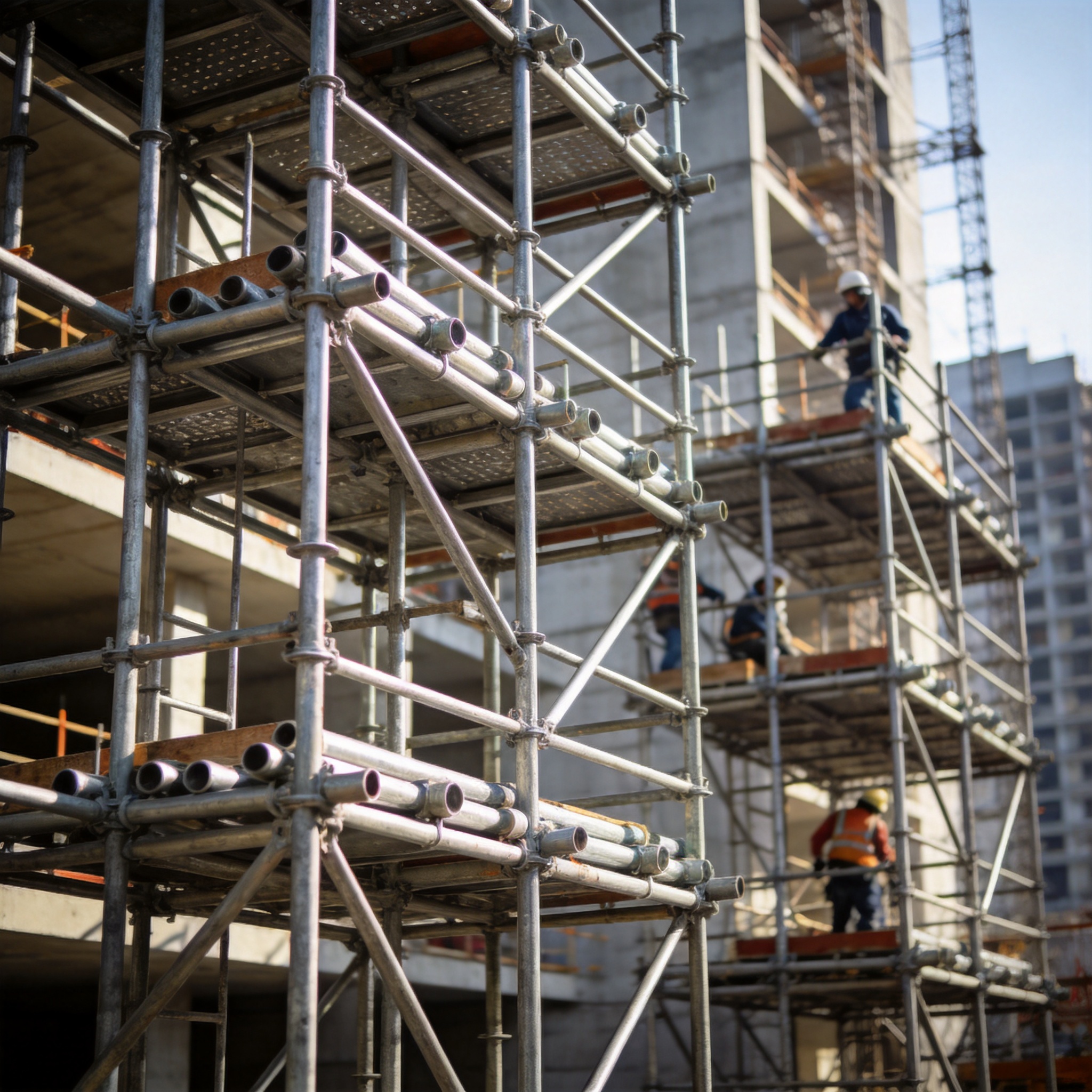
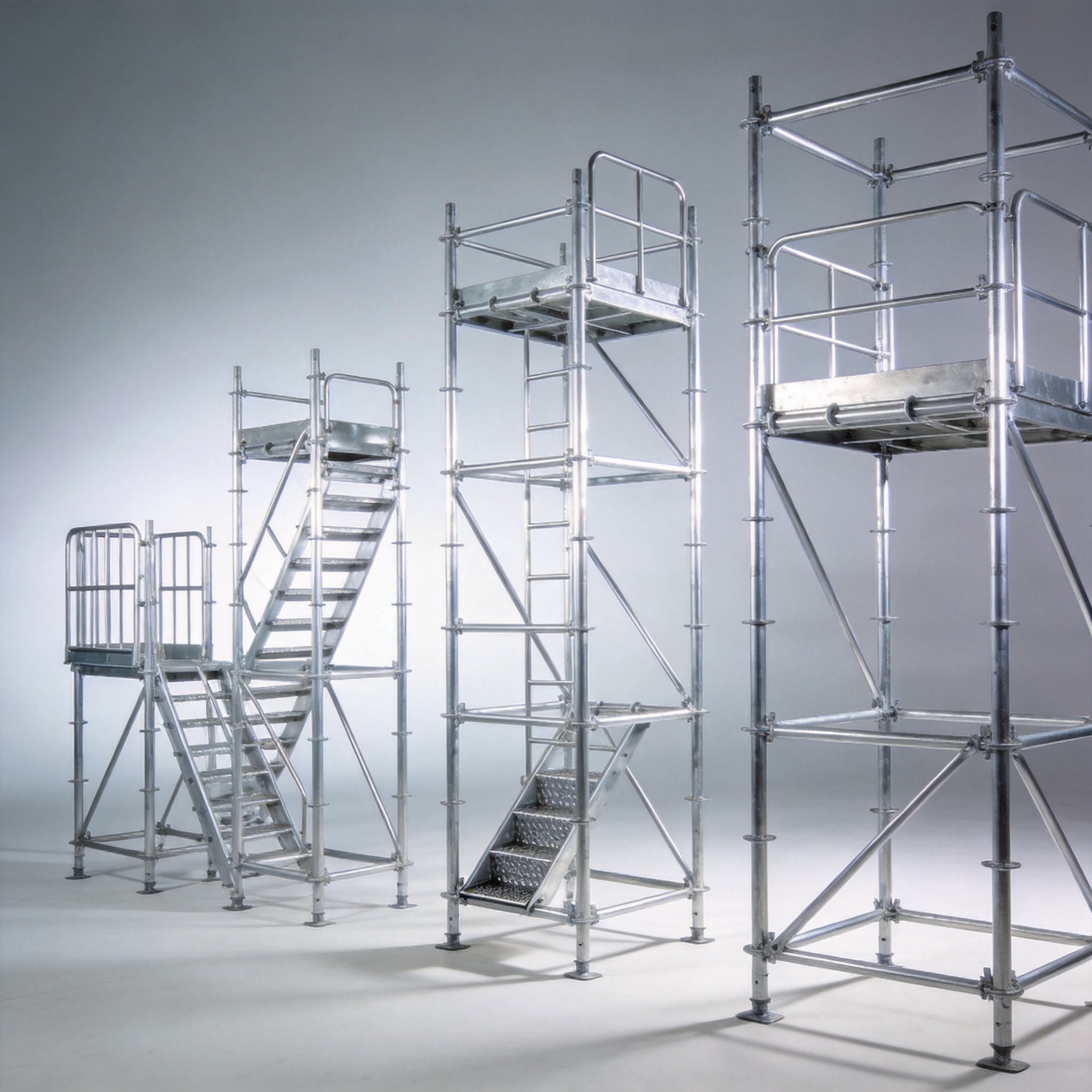
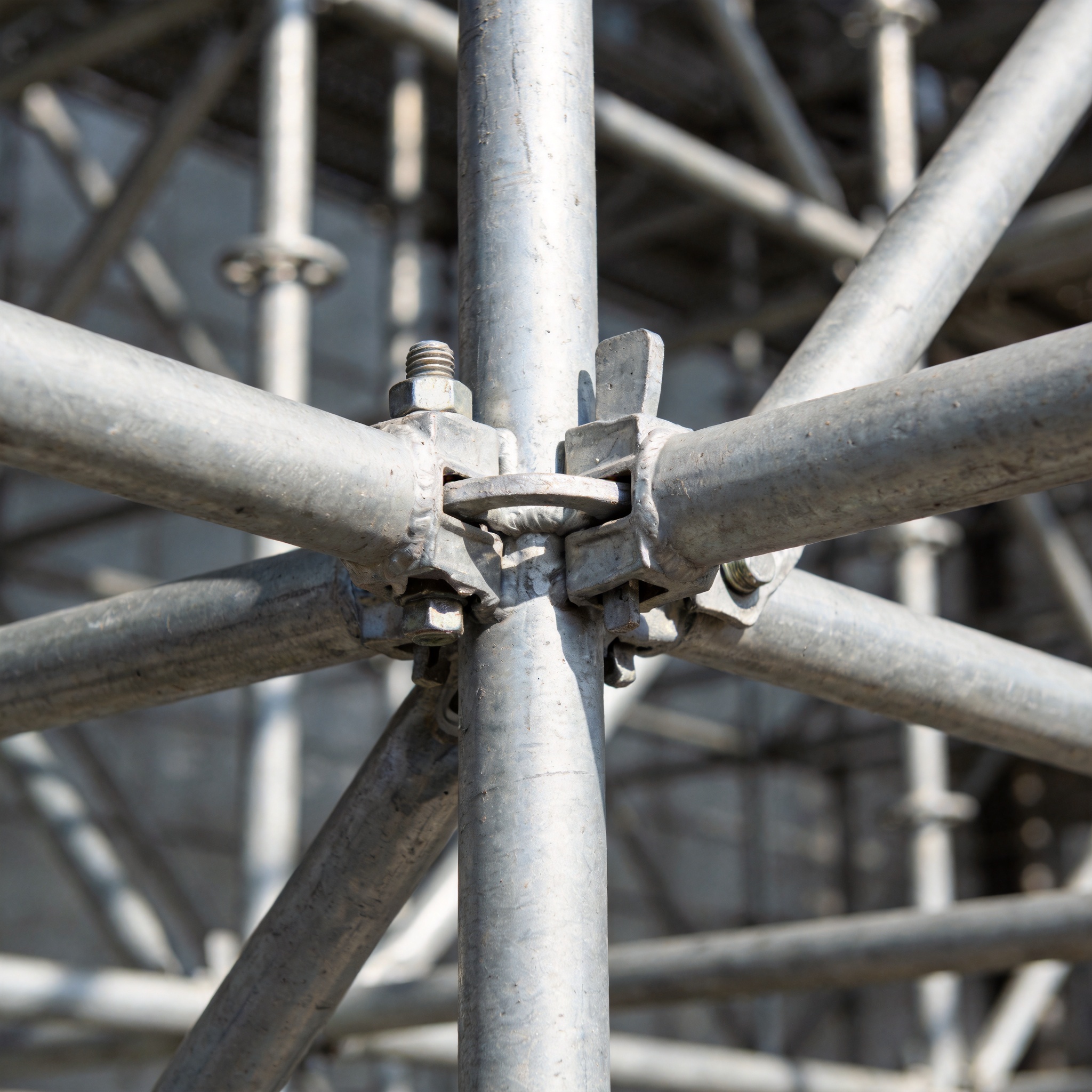
Traditional metal tube scaffolding, often constructed from galvanized steel or aluminum, remains a mainstay in the construction industry. Comprised of vertical standards, horizontal ledgers, and cross braces, this method offers a straightforward, modular approach. Its timeless design lends itself to a variety of building geometries—from simple facades to complex industrial structures. The inherent strength and durability of metal tubes make them well-suited to heavy-duty tasks, supporting substantial loads of both personnel and equipment.
However, traditional systems also come with certain challenges. Assembly and dismantling can be labor-intensive, demanding skilled riggers to ensure each connection is secure. Transporting loose tubes and fittings to and from a job site can incur considerable logistical overhead. In addition, without protective coatings, steel tubes are prone to corrosion over time, especially in marine or chemical-exposed environments. Regular inspections and maintenance are mandatory to uphold safety compliance. Despite these drawbacks, the familiarity and proven track record of metal tube scaffolding continue to make it a popular choice for many contractors.
Advantages of Modular Scaffolding Platforms
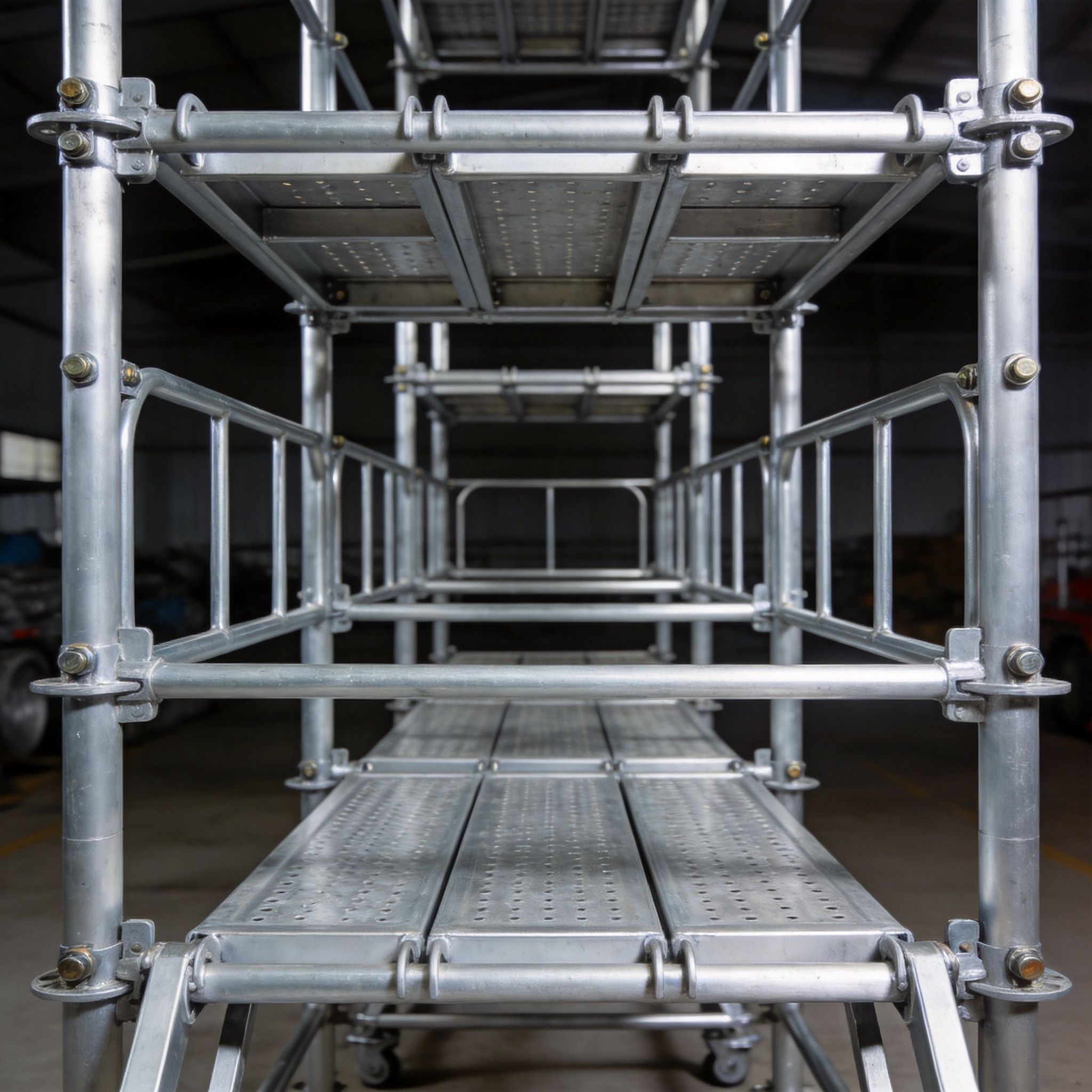
Modular scaffolding platforms represent the next evolution in access solutions. Utilizing prefabricated sections with integrated locking mechanisms, these systems drastically reduce setup time. Workers can assemble complete platforms without the need for individual tube and fitting assembly—simply slot components together like building blocks. The uniformity of parts ensures consistent quality, and color-coded connections guide rapid installation, even for crews with limited scaffolding experience.
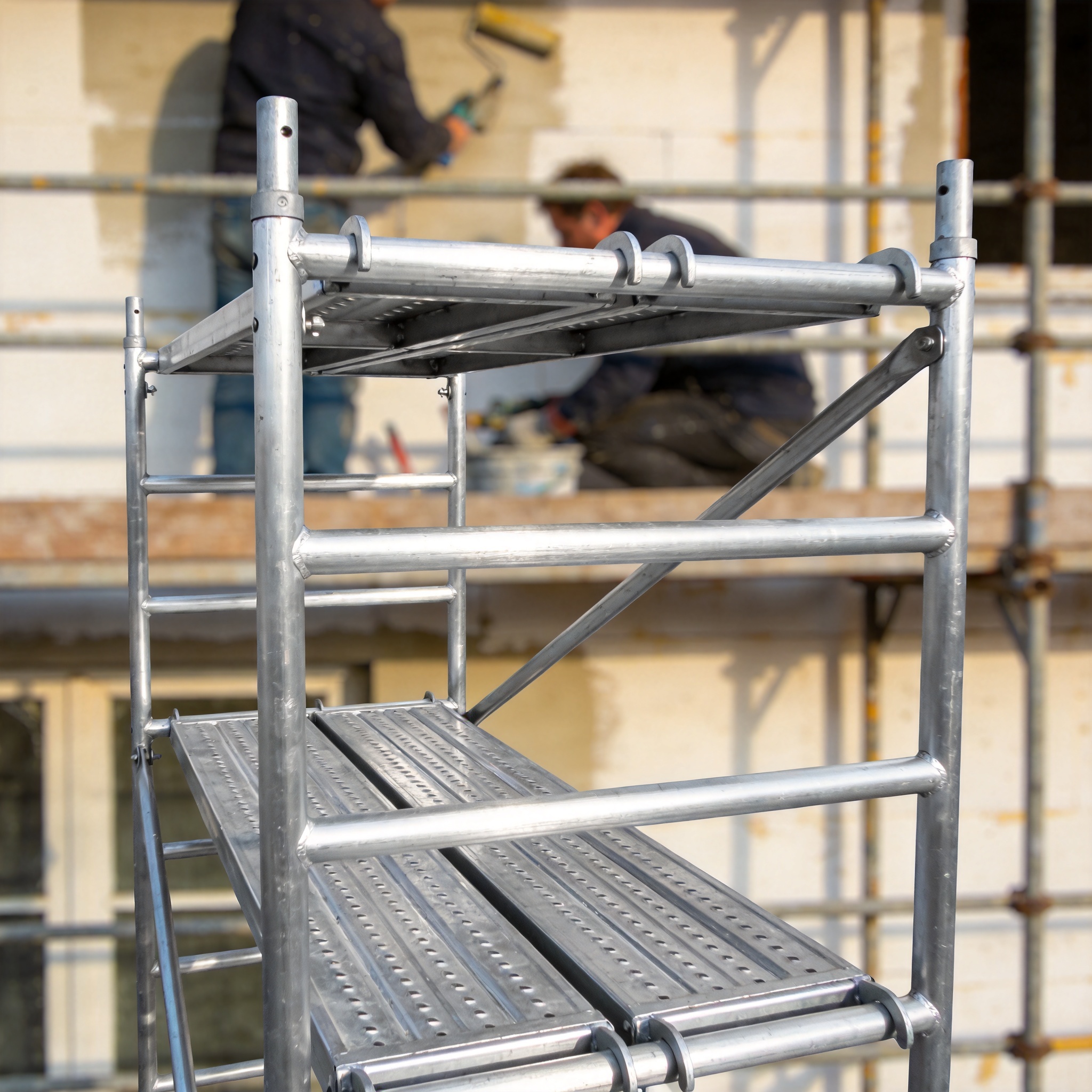
Beyond speed, modular platforms offer unparalleled flexibility. Adjustable deck heights and extendable frames adapt seamlessly to varying building profiles, from narrow corridors to expansive facades. Many systems incorporate lightweight aluminum alloys that strike an optimal balance between strength and portability, making them easier to transport and handle on-site. Safety features such as built-in guardrails, self-locking couplers, and anti-slip decking are standard, significantly reducing fall hazards and compliance concerns. As the industry embraces lean construction principles, modular scaffolding platforms emerge as a powerful solution for optimizing manpower, materials handling, and overall project efficiency.
Regulations and Standards for Scaffolding Safety
Scaffolding safety is governed by a comprehensive array of regulations and standards designed to protect workers and bystanders alike. In the United States, OSHA (Occupational Safety and Health Administration) outlines rigorous requirements for load capacities, fall protection, guardrail systems, and training. Similar directives are enforced internationally, such as the European EN 12811 standard, which specifies performance criteria for access and working scaffolds. Adherence to these regulations is non‐negotiable, with hefty penalties and project stoppages imposed for non-compliance.
Routine inspections form the backbone of any safety program. Competent persons—qualified through training and experience—must examine scaffolding components before each work shift and after events that could compromise stability, such as severe weather or impact damage. Detailed records document inspection findings, repairs, and load tests. Proper labeling of platforms, capacity warnings, and safe-access signage further reinforce a culture of vigilance. By integrating stringent standards into everyday operations, contractors not only meet legal obligations but also cultivate trust among stakeholders and bolster the reputation of their projects.
Conclusion: Elevating Construction Safety and Efficiency
Choosing the right scaffolding for building projects is far more than a technical decision—it is a commitment to worker welfare, site productivity, and project excellence. From time-tested metal tube systems to cutting-edge modular platforms, each solution brings unique strengths that can be tailored to job-specific requirements.
By aligning scaffolding selection with regulatory mandates and operational goals, construction teams can achieve safer worksites, reduce costly delays, and deliver higher-quality results. In an industry where every beam and bolt matters, investing in superior scaffolding is an investment in the very foundation of success.
