
In the bustling world of construction, where every new project holds the promise of transforming skylines, safety often stands as the silent foundation upon which dreams are built. As towering structures emerge from blueprints, the importance of scaffolding pieces becomes increasingly clear. These seemingly mundane components are the unsung heroes in the realm of construction, ensuring that every brick placed and beam secured is done so without compromising on safety. With the right scaffolding, workers can reach new heights—literally and metaphorically—while maintaining security and efficiency in their work.
Imagine being a construction worker perched high above the ground, relying on a network of metal frames to support both your weight and your ambitions. The trust you place in those scaffolding pieces is paramount. They are not just tools; they are lifelines. Investing in quality scaffolding isn’t merely about compliance with safety regulations; it’s about valuing human life and striving for excellence in every architectural endeavor. This understanding is essential for anyone involved in construction, whether you’re planning a modest extension or erecting a skyscraper. Join us as we delve into the essential guide for utilizing scaffolding pieces effectively, ensuring that every project you undertake is as safe as it is visionary.

Types of Scaffolding Pieces and Their Uses
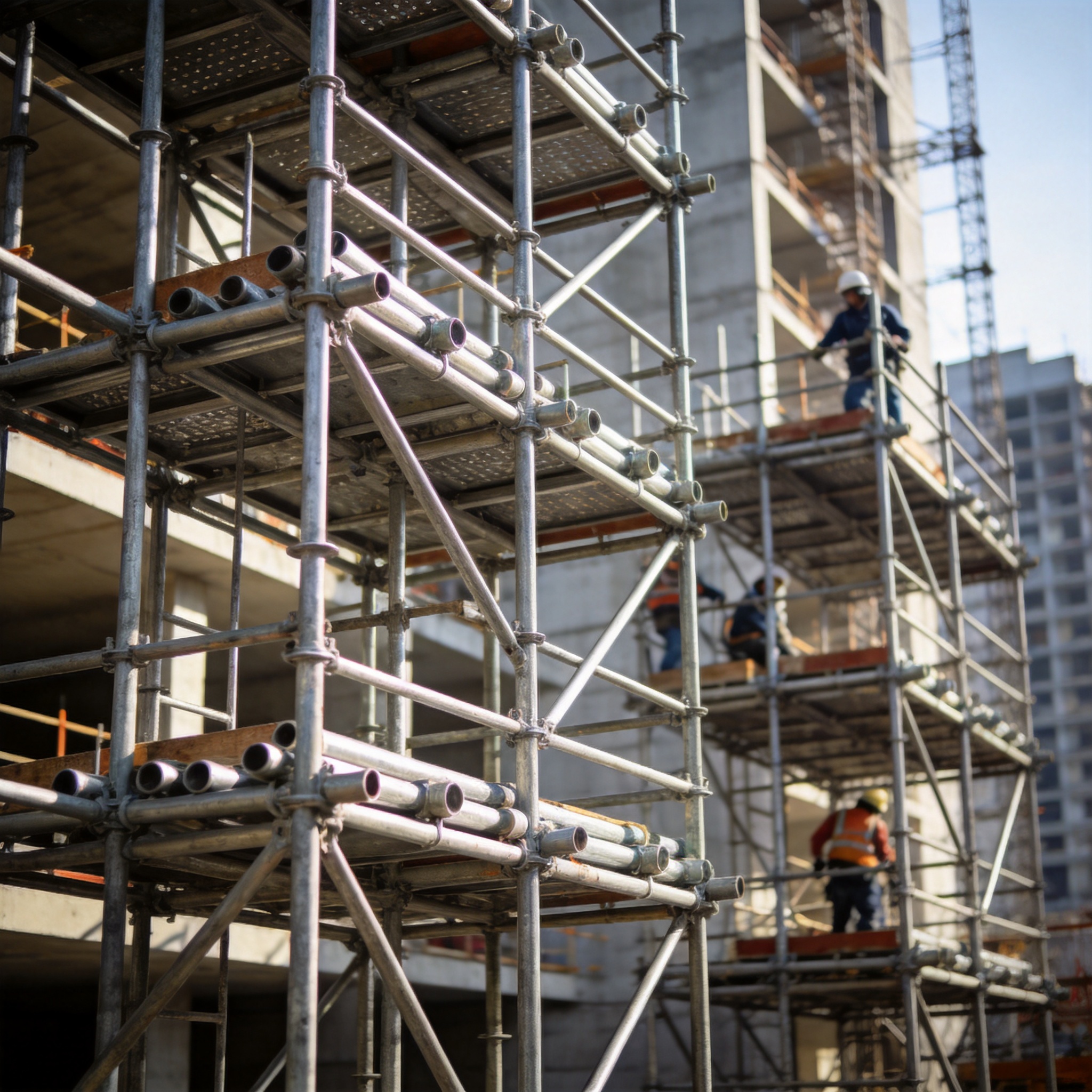
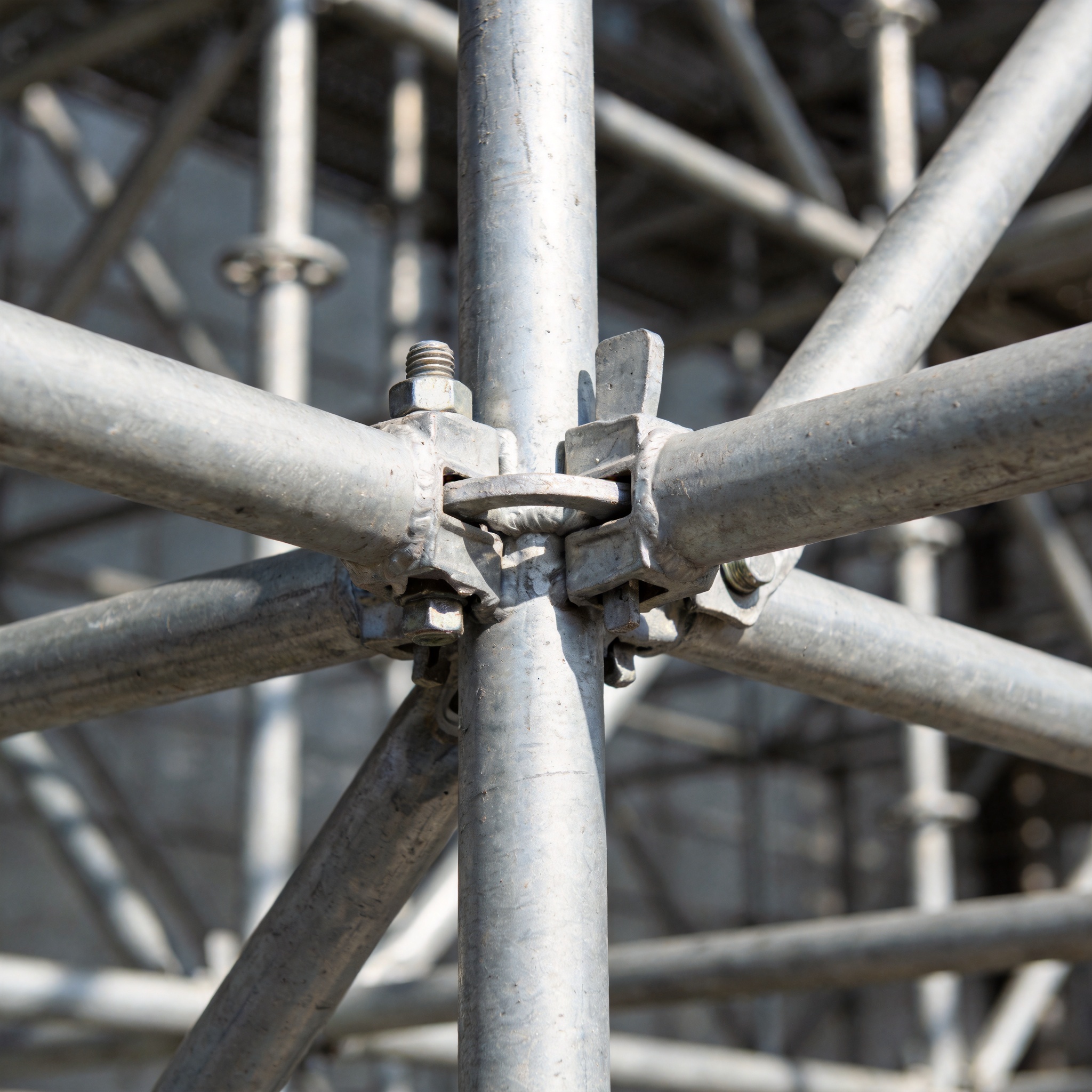
Understanding the various types of scaffolding pieces is the first step toward constructing a reliable and safe structure. Tube and clamp scaffolding is one of the most versatile options, featuring steel tubes joined by clamps to create flexible configurations. Its adaptability makes it ideal for irregular surfaces or jobs requiring frequent adjustment, such as restoration work on historic buildings. By selecting high-grade steel tubes and corrosion-resistant clamps, contractors ensure both durability and safety on the job site.
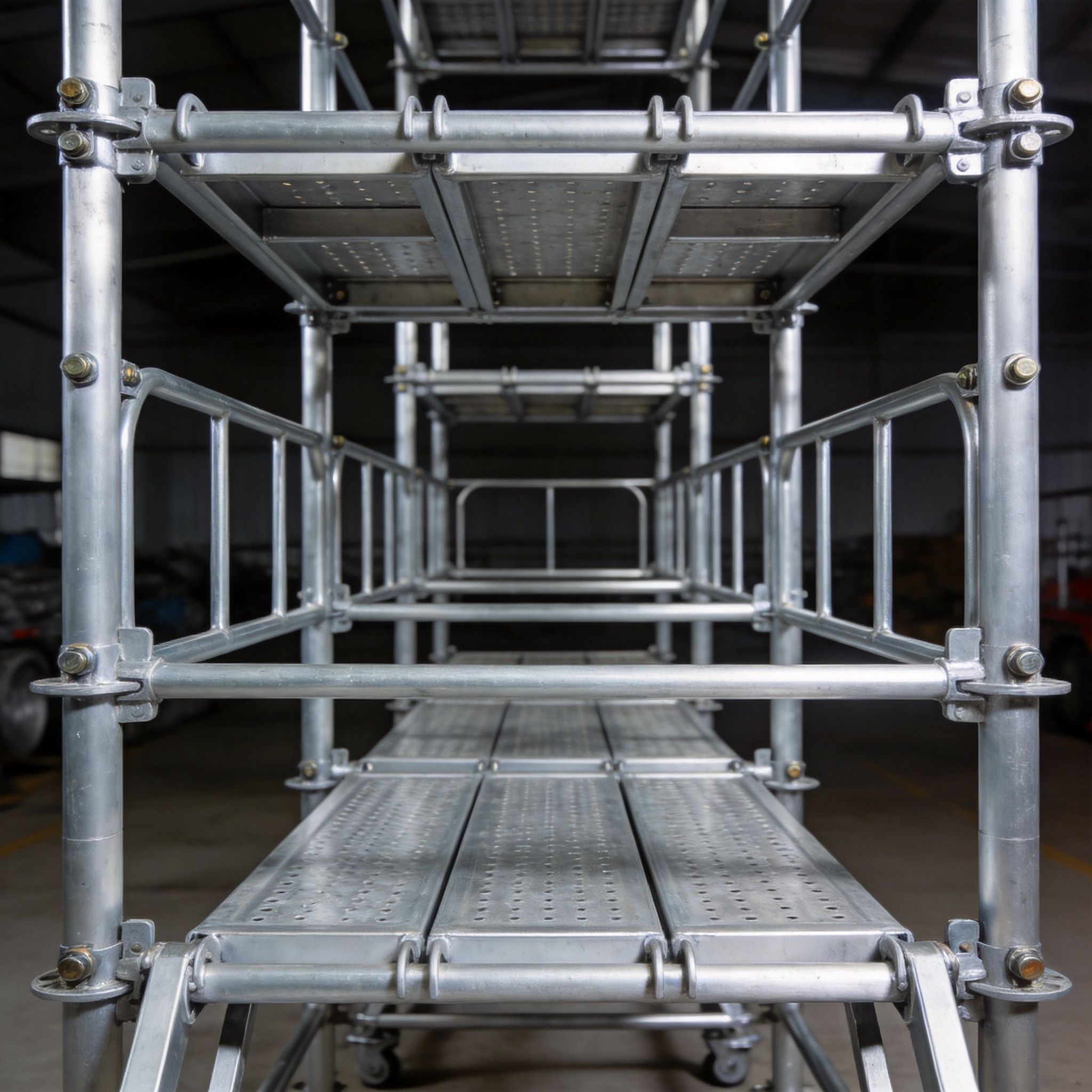
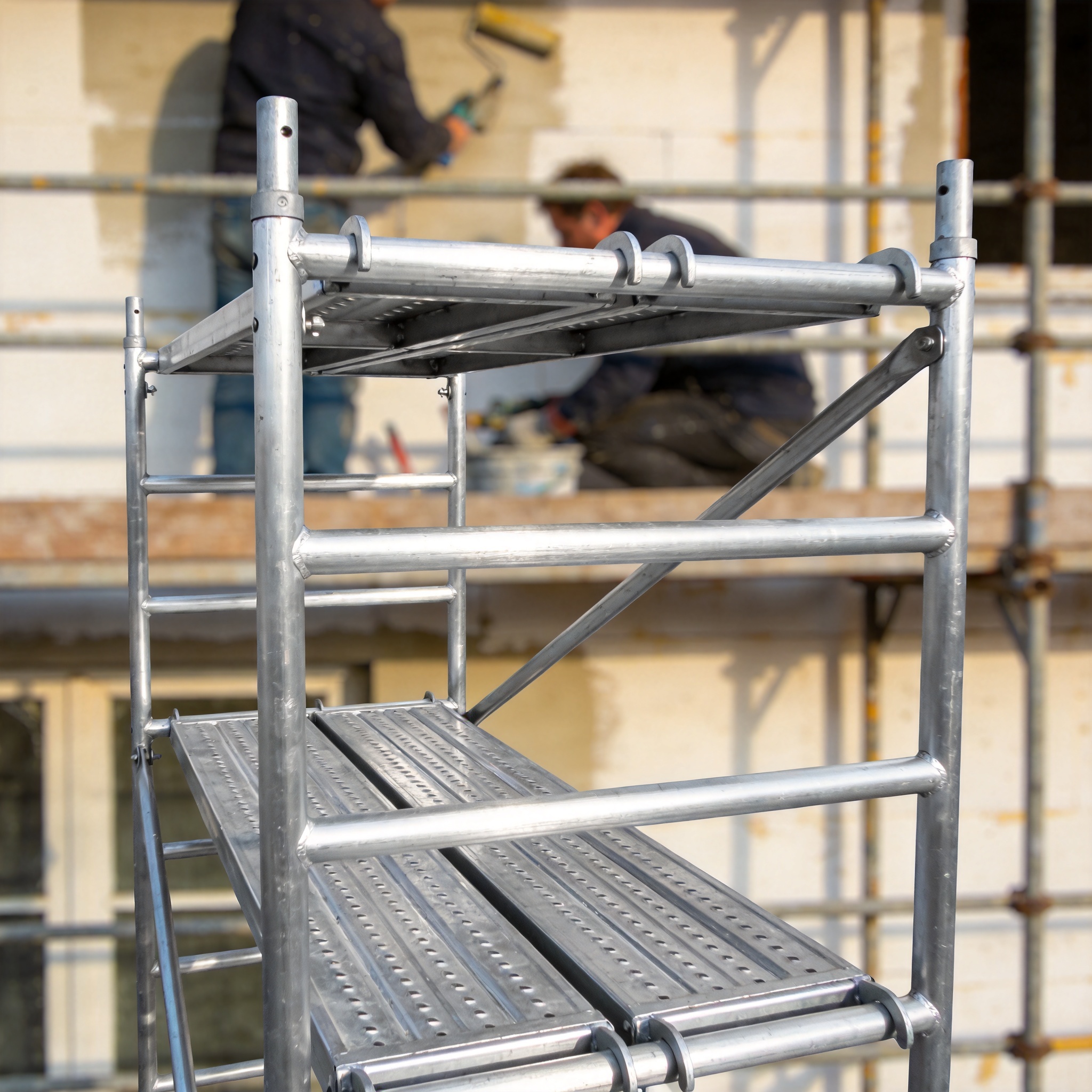
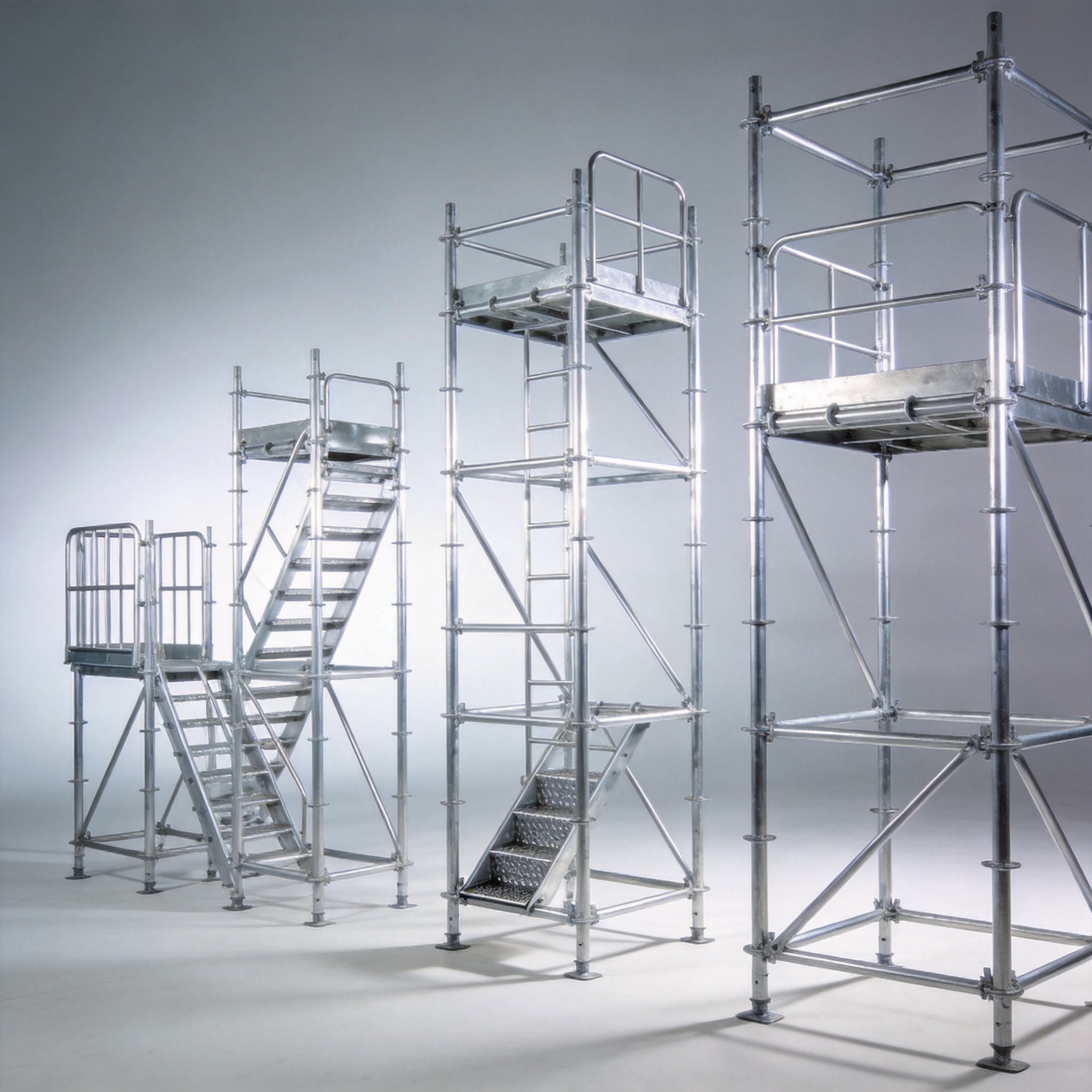
Another common solution is frame scaffolding, composed of prefabricated welded frames that quickly lock into place. Frame scaffolding pieces are popular in commercial construction and residential projects alike, owing to their ease of assembly and stability. With platforms and cross braces, this type offers ample workspace and efficient load distribution. In contrast, mobile scaffolding combines tubular components with casters, allowing workers to reposition the entire structure without disassembly. For tasks like painting or light maintenance, mobile units save significant time and labor effort.
Suspended scaffolding operates under a different principle: platforms hang from overhead supports by ropes or chains. Ideal for high-rise exterior work, these pieces grant unobstructed ground access and minimize site congestion. Lastly, specialized systems such as cantilever and birdcage scaffolding serve niche applications—cantilever for overhangs and balconies, birdcage for large floor areas with elevated platforms. By matching each scaffolding piece to its intended use, project managers can optimize both safety and productivity while meeting diverse construction demands.
Key Components of a Scaffolding System
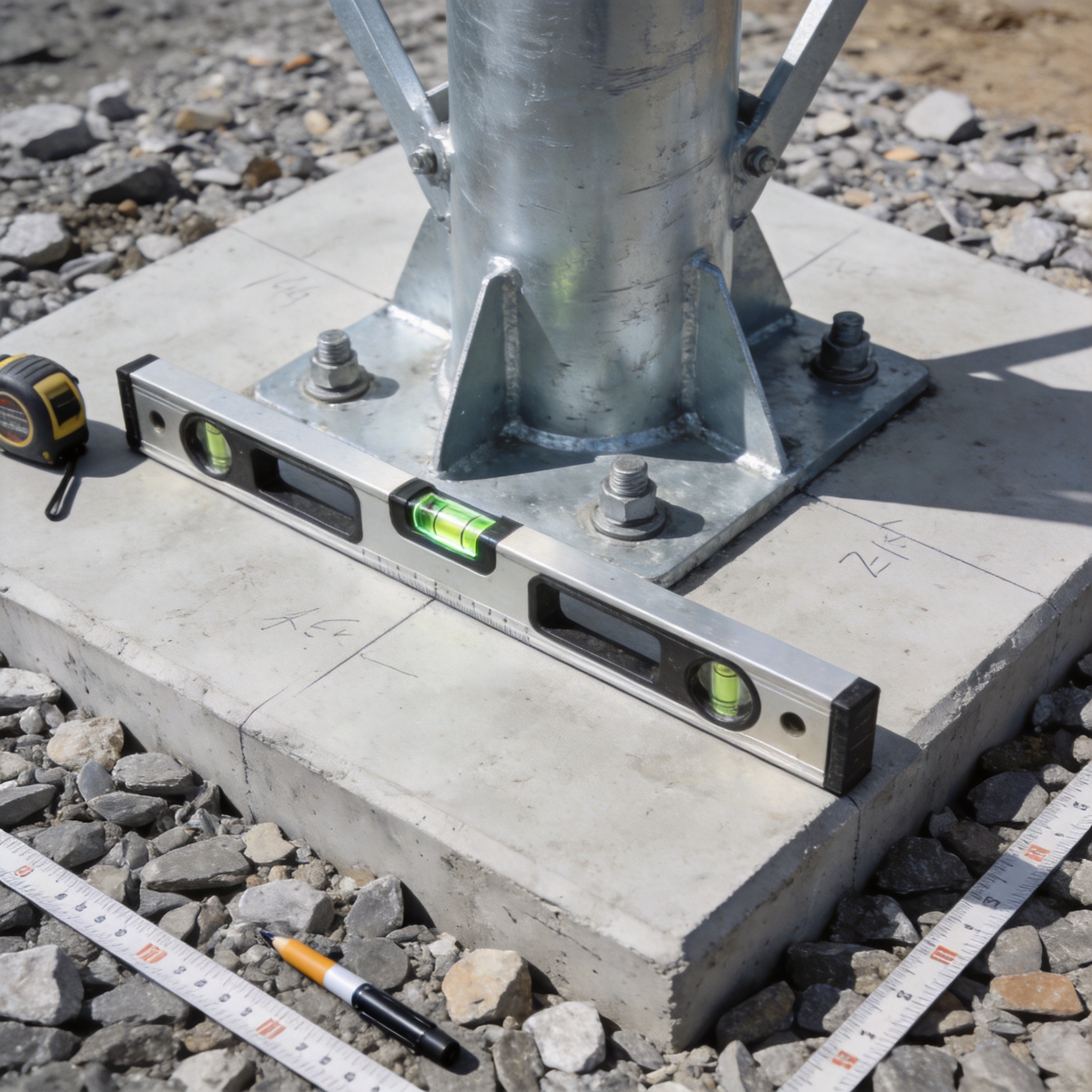
Every scaffolding system relies on a handful of core components to achieve both stability and functionality. The base plates or screw jacks distribute weight evenly across the ground, preventing sinking or tipping. Upright standards—vertical tubes or frames—form the primary support columns, connecting to ledgers and transoms that arrange horizontal and diagonal braces.
Decking and platforms sit atop these support elements, providing safe and spacious work surfaces. Guardrails, midrails, and toe boards safeguard workers from falls and falling debris. The coupling devices—clamps, couplers, and pins—tie the entire assembly together. By choosing high-quality materials and ensuring each component is compatible, you create a scaffolding system that can withstand the rigors of daily use and changing weather conditions.
Modern scaffolding pieces often include adjustable leveling systems to compensate for uneven terrain, as well as quick-connect fittings that accelerate assembly. Accessories such as ladders, stair towers, and debris nets enhance access and safety, while base outriggers expand the support footprint for added load capacity. Together, these components form an integrated system designed to meet stringent regulatory standards and protect workers at every level of the structure.
Proper Inspection and Maintenance Practices for Scaffolding
Routine inspections and maintenance are critical to preserving the integrity of scaffolding pieces and ensuring worker safety. Before each use, a competent person must examine all components—tubes, clamps, platforms—for signs of wear, deformation, or corrosion. Damaged parts should be immediately removed and replaced with certified, load-rated replacements.
Scheduled maintenance goes beyond daily checks. Conduct comprehensive monthly evaluations that include non-visible areas, such as the underside of platforms and the interior surfaces of tubes. Cleaning debris, rust, and paint buildup prevents stress concentrations and corrosion that can undermine structural strength. Lubricate couplers and moving parts to maintain smooth operation and reliable lockups.
Document every inspection and maintenance action in a log book. This record not only supports compliance with occupational safety regulations but also enables trend analysis to predict component lifespan. Proper storage of scaffolding pieces—dry, ventilated, and off the ground—extends service life. Implement a tagging system to track usage hours, repair dates, and inspection outcomes, ensuring every piece remains in top condition throughout its operational cycle.
Ensuring Stability and Load Capacity of Scaffolding
Ensuring scaffolding stability begins with proper planning and ground preparation. The base must rest on firm, level surfaces, often requiring ground mats or mudsills to prevent settling. Use adjustable jacks or screw plates to finely tune platform height and level alignment. Adequate bracing—both horizontal and diagonal—resists wind sway and lateral forces, reinforcing the structure under dynamic loads.
Load capacity calculations are equally essential. Scaffolding pieces come with manufacturer-specified load ratings indicating maximum safe working loads. These ratings account for self-weight, live loads from workers and tools, and dynamic factors like wind or material handling. Never exceed the lowest-rated component; distribute materials evenly to avoid concentrated loads that can cause local failures.
To further enhance stability, anchor or tie the scaffolding to the building at regular intervals. Use approved anchors and attachment methods, ensuring connections transmit load without damaging the structure. Train workers on load management and emphasize that makeshift supports—bricks, blocks, or loose boards—are never acceptable. By following these best practices, you guarantee a scaffolding system capable of supporting both your project goals and the highest safety standards.
Conclusion: Empowering Construction Dreams through Secure Scaffolding
Safeguarding workers and structures depends upon choosing, assembling, and maintaining the right scaffolding pieces. From selecting the appropriate type—tube and clamp, frame, or suspended—to adhering to rigorous inspection and load capacity protocols, every step reinforces safety and efficiency on the job.
By investing in quality components, following best practices, and cultivating a culture of vigilance, you empower construction teams to realize architectural dreams without compromise. Secure scaffolding isn’t just a regulatory checkbox; it’s the backbone of every successful and sustainable build.
