
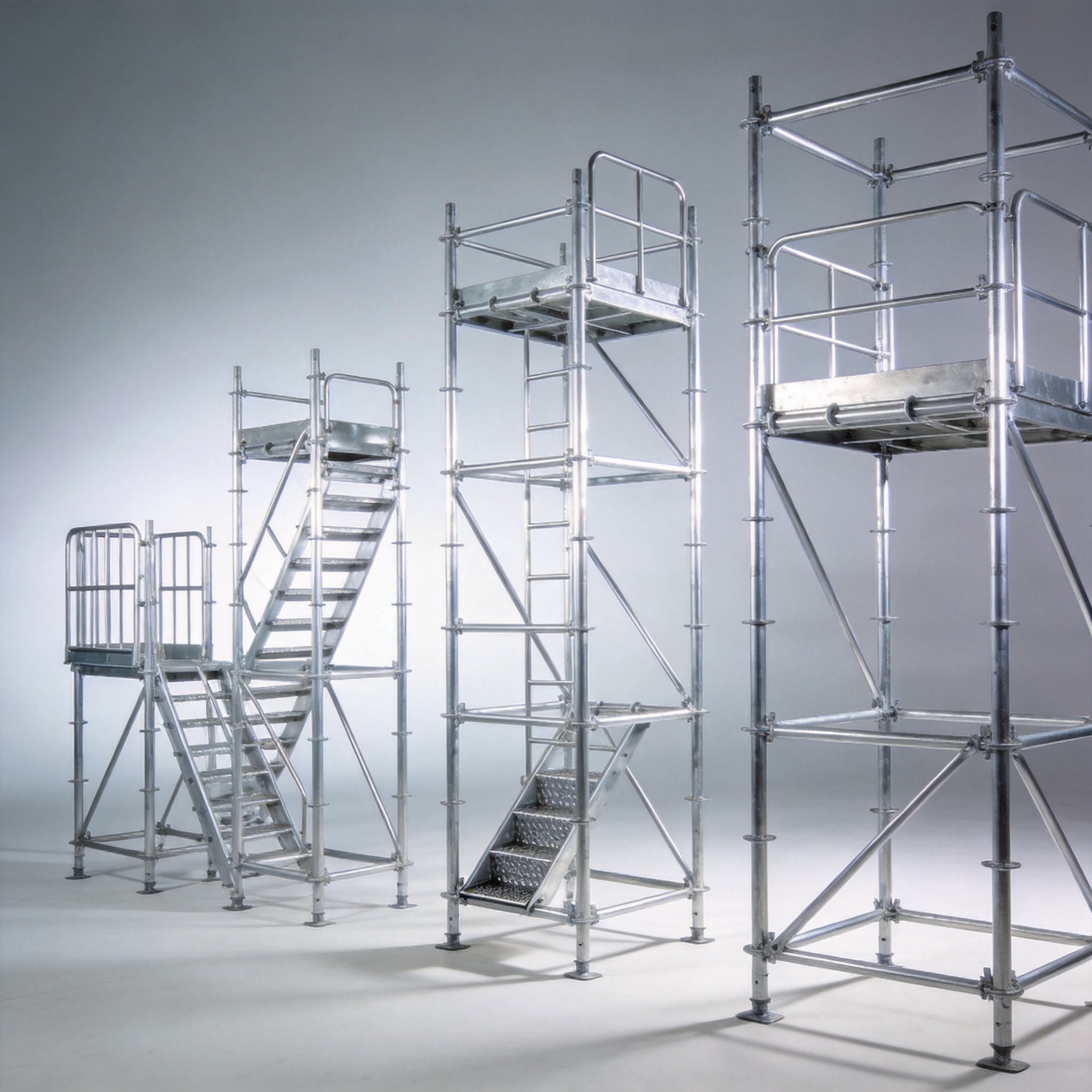
In the realm of construction, where towering skyscrapers and intricate edifices dominate, innovation is the cornerstone of progress. Among these innovations, one development stands out, quietly yet powerfully transforming the industry: lightweight scaffolding. This seemingly simple advancement is more than just a staple; it is revolutionizing construction projects across the globe. Gone are the days of cumbersome and labor-intensive setups. Now, with featherlight yet robust structures, construction workers are experiencing a significant shift in how they approach their tasks, enhancing both efficiency and safety on site.
Imagine a construction site where the heavy, traditional scaffolding that once demanded hours of painstaking labor to assemble is replaced with a system so manageable that it’s akin to assembling a child’s building blocks. Lightweight scaffolding offers this reality. It reduces time, labor costs, and physical strain, allowing for faster completion times and fewer interruptions. As we delve into the nuances of why lightweight scaffolding is becoming the preferred choice, you will discover the profound impact this innovation has on the speed, safety, and overall success of modern construction endeavors.

Benefits of Lightweight Scaffolding in Construction Projects
One of the most compelling benefits of lightweight scaffolding is its ability to significantly expedite project timelines. Traditional scaffolding often requires a team of workers to handle heavy components, which can slow down setup and dismantling phases. In contrast, lightweight scaffolding systems use materials such as aluminum alloys and advanced composites to reduce component weight without compromising strength. This translates into quicker assembly, fewer labor hours, and accelerated progress on site. Teams can shift from one section of a building to another in a fraction of the time, minimizing downtime and keeping schedules on track.
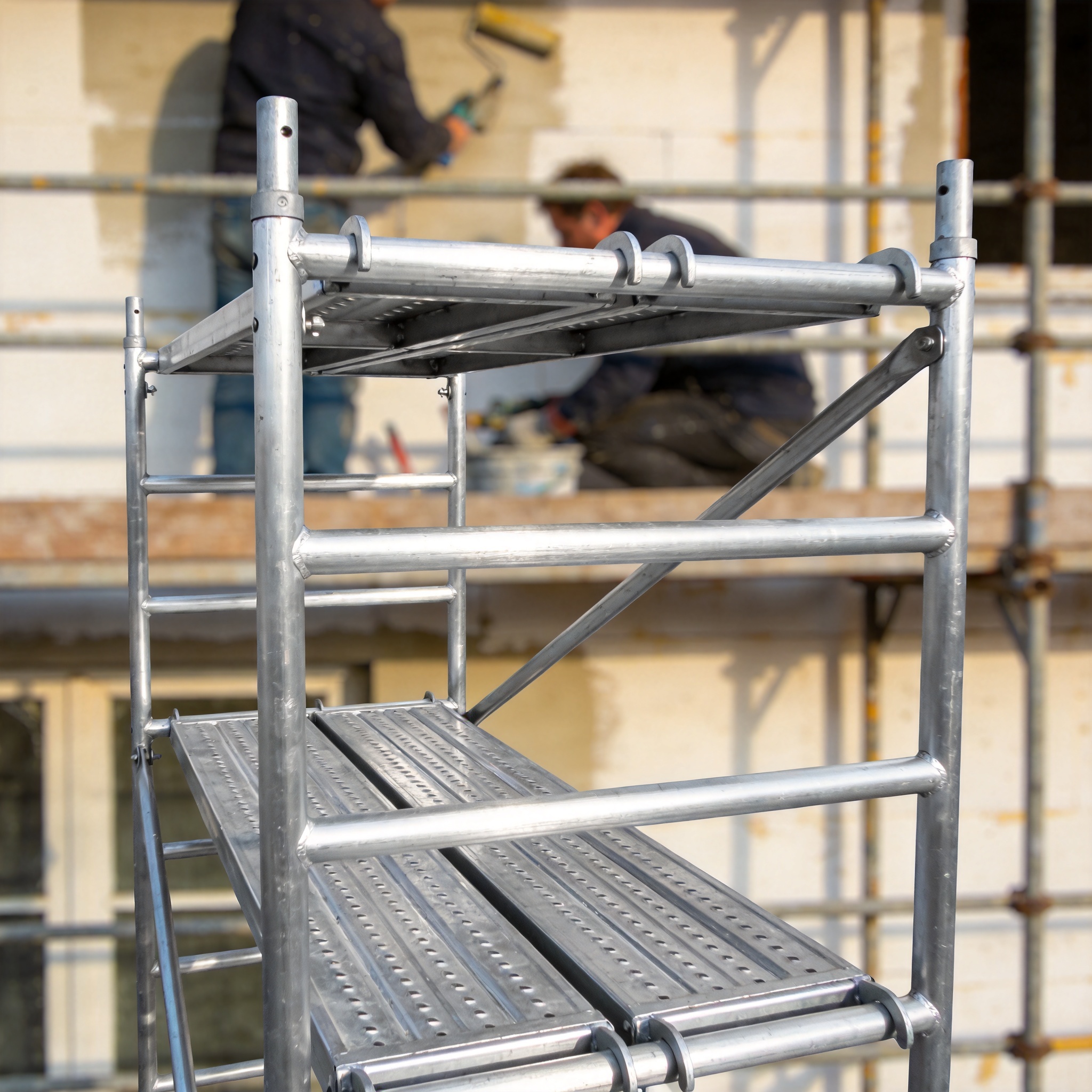
Beyond speed, lightweight scaffolding fosters greater adaptability in diverse construction environments. Because individual pieces weigh considerably less, they can be maneuvered into tight spaces, around obstacles, or at unusual angles with ease. This modularity enhances scalability—contractors can expand or contract scaffold levels swiftly to match project requirements. Furthermore, the reduced physical strain on workers leads to fewer on-the-job injuries and fatigue, boosting morale and productivity. Ultimately, the streamlined logistics and improved ergonomics of lightweight scaffolding translate into substantial cost savings and higher-quality outcomes.
Comparison Between Lightweight and Traditional Scaffolding Systems
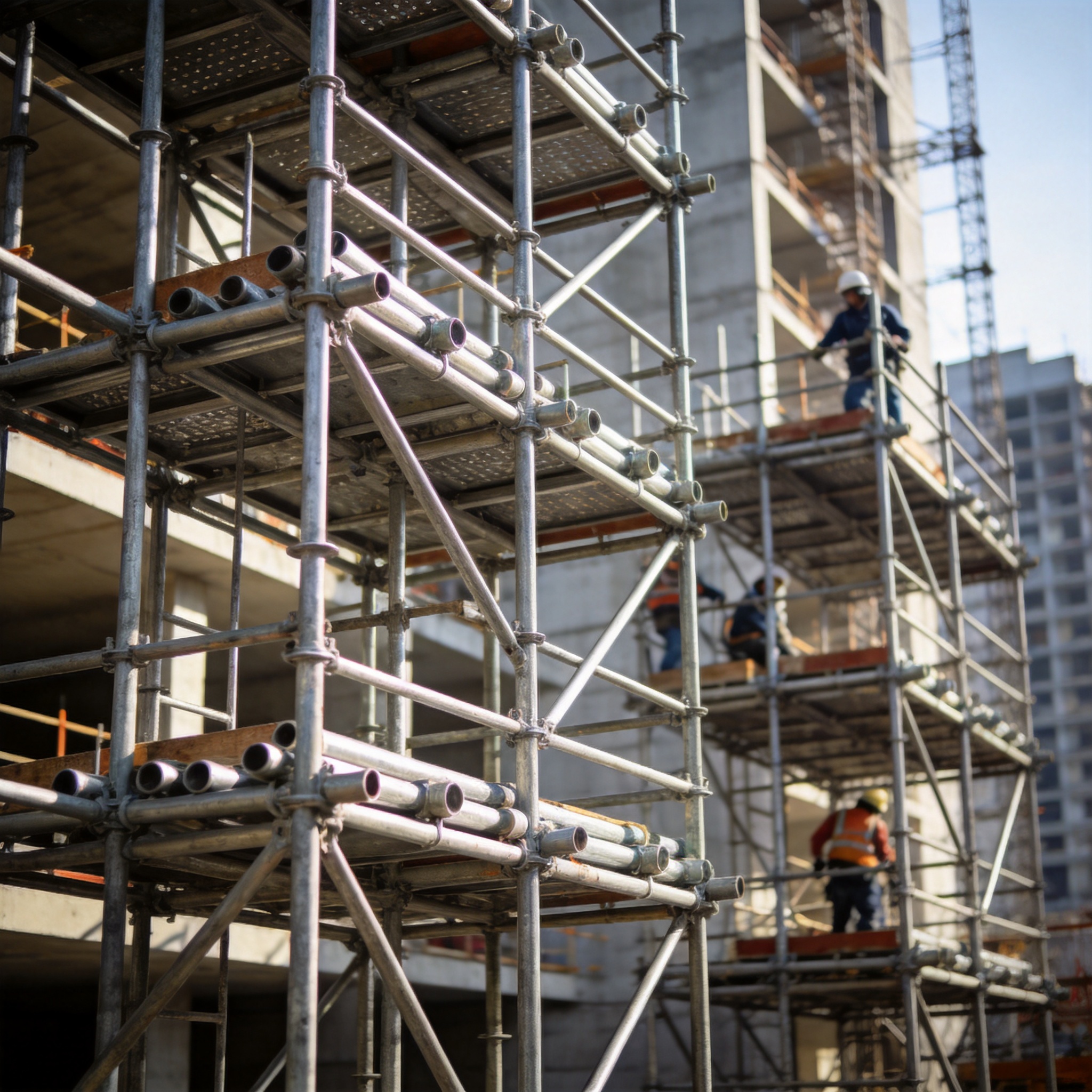
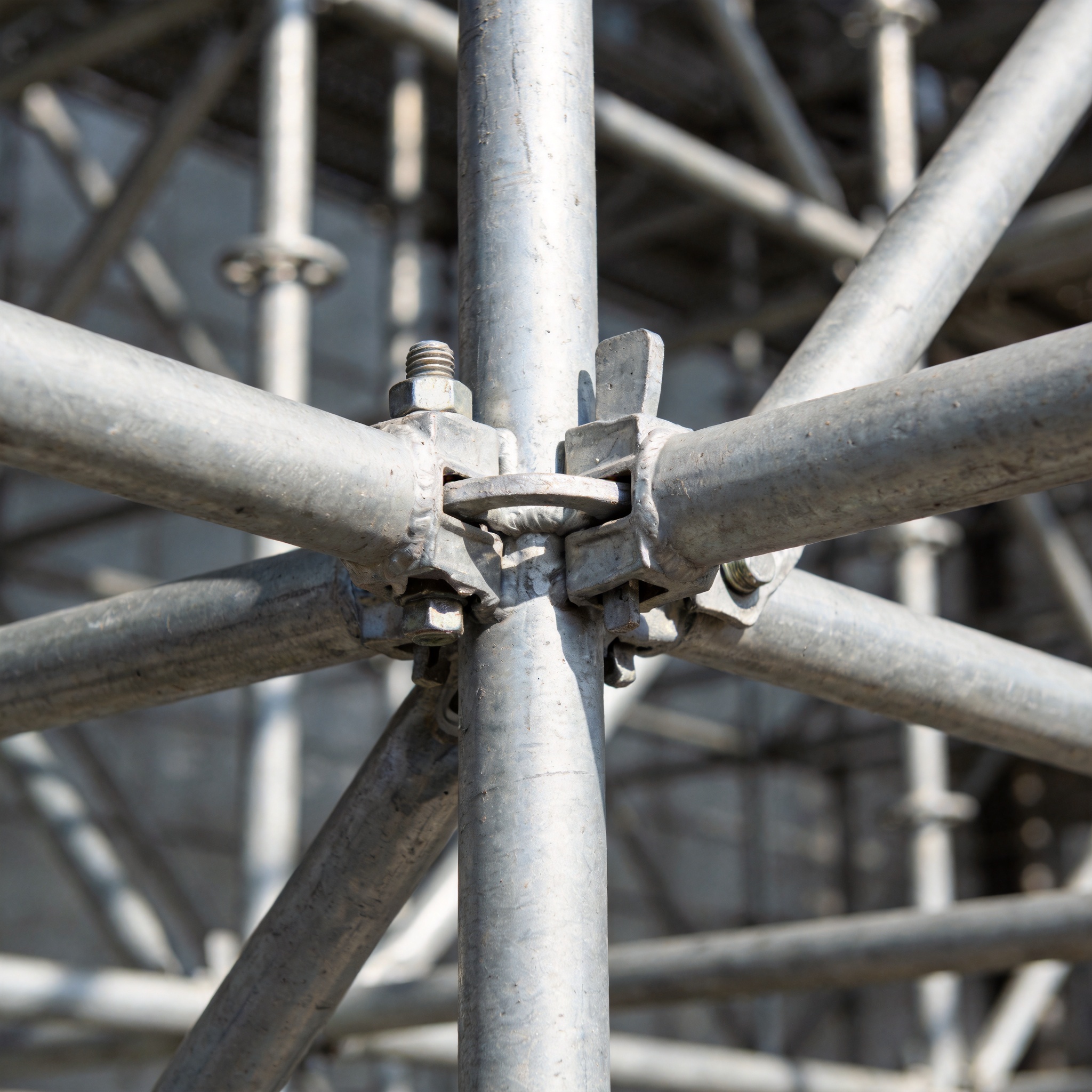
When comparing lightweight scaffolding to traditional steel-based systems, weight is the most obvious differentiator. Traditional scaffolding components can weigh upwards of 50 pounds per section, demanding forklifts or multiple workers for safe handling. By contrast, lightweight scaffolding panels often weigh less than 20 pounds, which allows for manual handling by a single person. This reduction in component mass cuts down labor expenses and eliminates dependencies on heavy equipment for transport and installation. Additionally, lightweight designs typically feature quick-lock mechanisms and snap-fit connectors, whereas conventional scaffolds rely on bolts and clamps that require time-consuming tightening and alignment.
Durability and load-bearing capacity are frequently raised as concerns when evaluating lightweight options. However, modern alloys and engineered composites used in advanced lightweight scaffolding have proven to meet or exceed the safety factors of older steel systems. Corrosion resistance is often superior in aluminum-based scaffolds, reducing maintenance costs and extending service life. Environmentally, lightweight scaffolding has a smaller carbon footprint due to lower transportation emissions and recyclable materials. While traditional scaffolding still finds its place in ultra-heavy industrial applications, the balance of ease, safety, and longevity makes lightweight scaffolding the go-to choice for most commercial and residential projects.
Safety Advantages of Using Lightweight Scaffolding
One of the foremost safety advantages of lightweight scaffolding is the reduction in worker fatigue and associated injuries. Handling heavy steel tubes and boards increases the risk of strains, sprains, and overexertion. Lightweight scaffolding components, by contrast, are designed to be ergonomic and easy to carry, reducing the physical toll on laborers. Workers can focus on precision and attention to detail rather than brute strength. This shift not only enhances on-site morale but also contributes to lower incident rates, as fatigued workers are more prone to mistakes that could lead to falls or equipment mishandling.
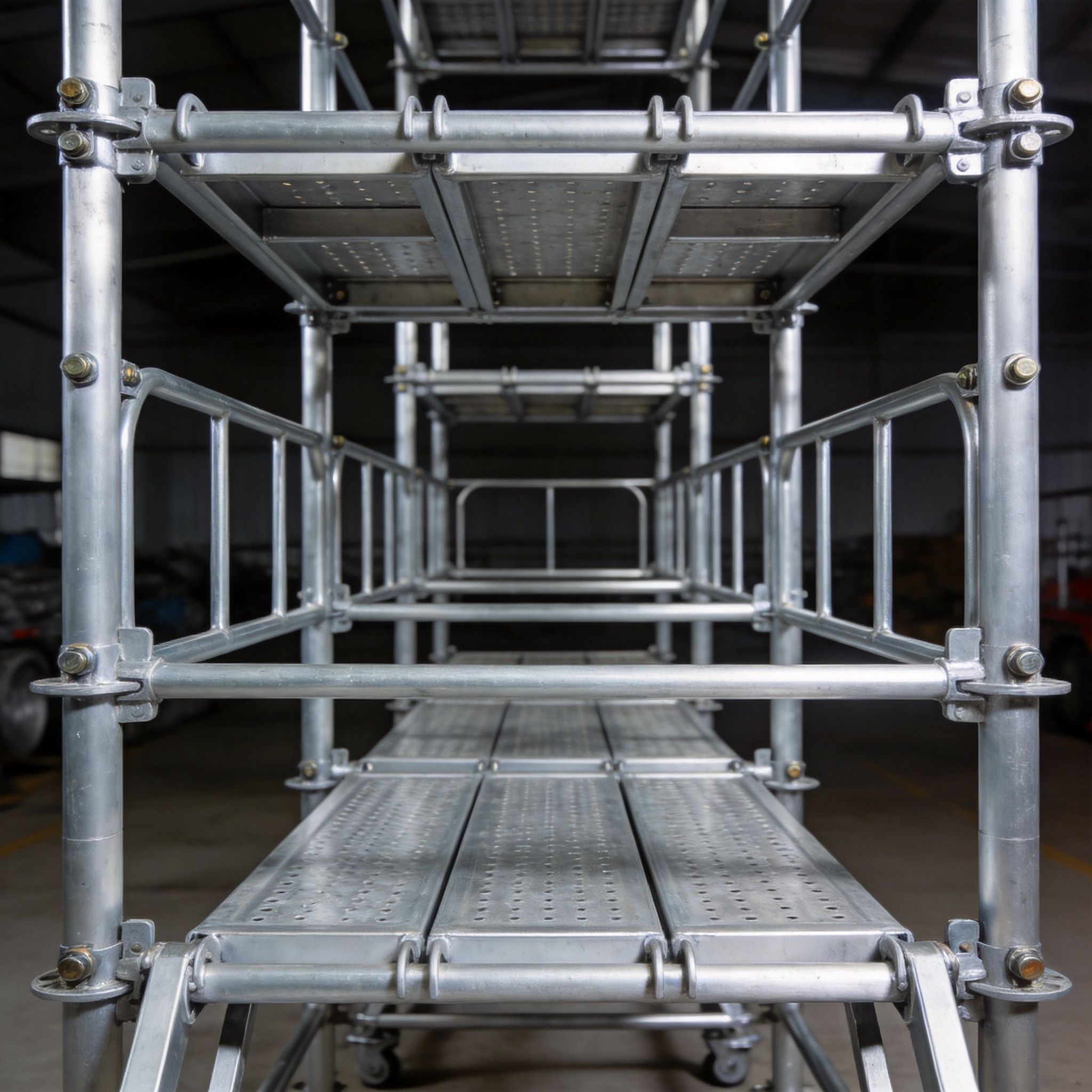
Stability is another critical factor. Contrary to assumptions that lighter equals weaker, many lightweight scaffolding systems incorporate advanced bracing and anchoring features that provide excellent structural integrity. Integrated safety rails, anti-slip platforms, and secure locking mechanisms ensure that even tall, multi-level assemblies remain rigid under heavy loads. Additionally, the modular nature of lightweight scaffolding allows for rapid adjustment of platform height and footprint, ensuring that scaffolds are always tailored to the unique demands of each job. Together, these innovations create a safer working environment that complies with stringent occupational health and safety regulations.
Cost-Efficiency of Lightweight Scaffolding Solutions
Light scaffolding can dramatically lower overall project costs by reducing labor, transportation, and equipment expenses. Because components are easier to lift and assemble, fewer workers are needed for installation, and tasks that once required forklifts or cranes can often be done manually. This reduction in heavy machinery use also decreases rental fees and fuel consumption. Moreover, lightweight scaffolding’s modular panels fit compactly during transport, allowing more materials per shipment and further slashing logistics costs. Over the lifecycle of a project, these savings accumulate, making lightweight scaffolding an economically attractive option.
Maintenance and storage costs are also minimized with lightweight scaffolding. Traditional steel scaffolds are prone to rust and require regular inspections, repainting, or replacement of corroded parts. Aluminum-based or composite scaffolding resists corrosion and can be cleaned quickly, extending service intervals. The durability of modern lightweight materials means fewer replacements and lower inventory needs. For rental companies, this translates into higher utilization rates and better return on investment. Whether purchasing or leasing, construction firms benefit from predictable budget planning and reduced hidden expenses when choosing lightweight scaffolding solutions.
Integration of Technology in Scaffolding Designs
Technological advancements are further enhancing the capabilities of lightweight scaffolding systems. Smart sensors can now be integrated into scaffold frames to monitor load distribution, movement, and environmental conditions in real time. These IoT-enabled components send alerts if excessive stress is detected or if wind speeds pose a risk, enabling proactive interventions. Digital tethering systems ensure that every scaffold piece is accounted for and properly locked into place. This level of automation not only improves safety but also streamlines inspections and compliance audits, saving time and reducing human error.
Building Information Modeling (BIM) and augmented reality (AR) tools are also being adopted to optimize scaffold design and placement. Contractors can create detailed 3D models of a worksite, overlay scaffolding plans, and simulate assembly sequences before setting foot on site. This pre-planning reduces on-site adjustments and minimizes waste. In addition, modular lightweight scaffolding now comes with standardized interfaces that allow for rapid customization—frames, braces, and platforms snap together in configurations tailored to architectural complexities. The fusion of lightweight materials with cutting-edge digital tools is redefining what’s possible in modern construction.
Conclusion: Embracing the Shift Towards Lightweight Scaffolding
Lightweight scaffolding is more than a fleeting trend; it represents a fundamental shift in how construction projects are executed. By combining reduced weight with enhanced strength and smart technology integration, these systems deliver unmatched efficiency, safety, and cost savings. Contractors around the world are witnessing firsthand how lightweight scaffolding accelerates timelines and elevates on-site performance.
As the industry continues to innovate, embracing lightweight scaffolding will be essential for staying competitive and meeting ever-stricter safety and sustainability standards. The future of construction is lighter, smarter, and more agile—and lightweight scaffolding is leading the charge.
