
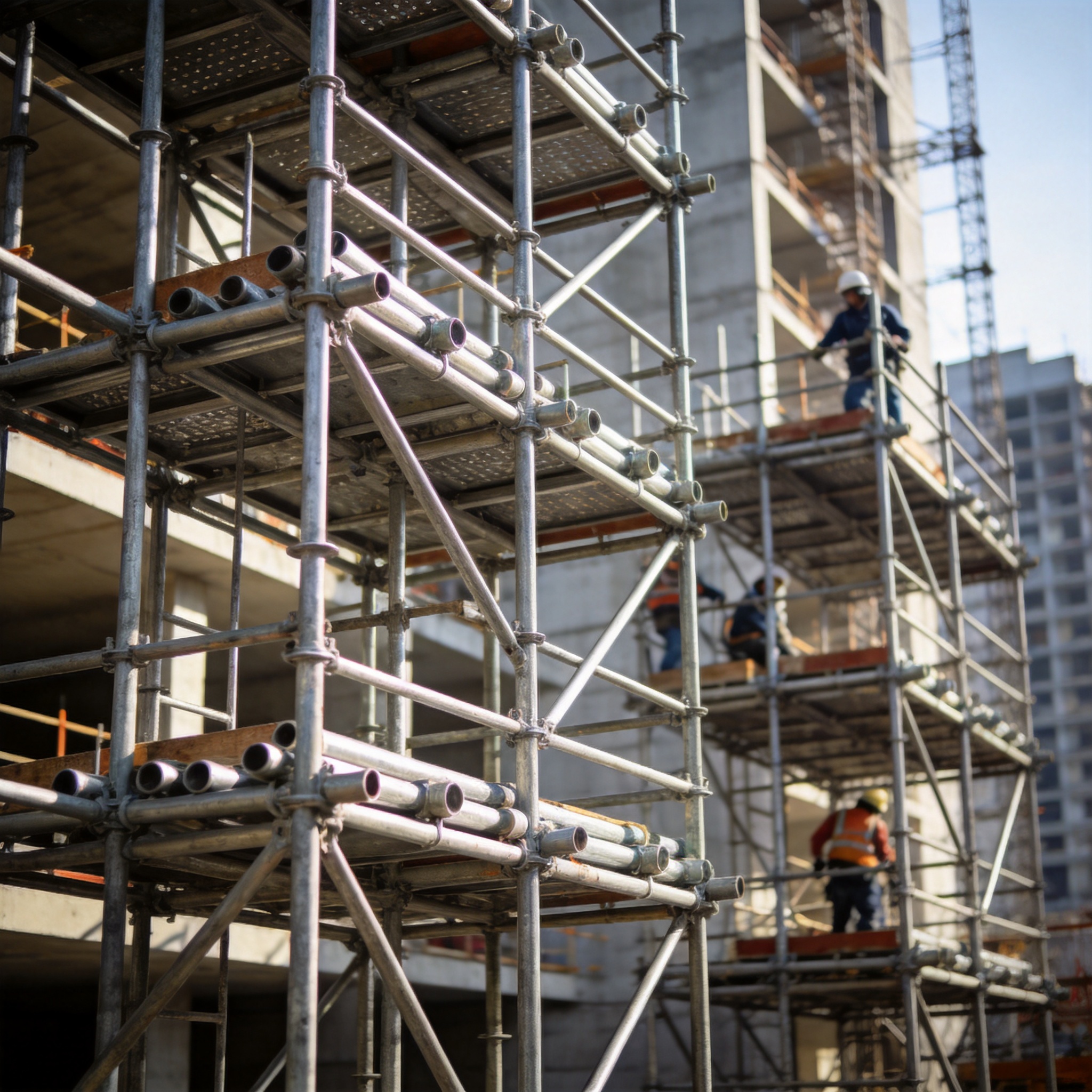
Imagine a world filled with towering skyscrapers, intricate bridges, and sprawling stadiums, all harmoniously blending into the landscape. The marvels of modern architecture may seem like an art form reserved for the elite, yet at the heart of every iconic building project lies an unsung hero: the scaffolding structure. These temporary frameworks are more than just support; they are the backbone that enables visionary designs to rise from blueprints to breathtaking realities.
Despite their fleeting presence on construction sites, scaffolding structures play a pivotal role in ensuring efficiency and safety. Consider this: without robust scaffolding, workers would be unable to access crucial parts of a building, leading to delays and even potential hazards. In fact, the global scaffolding market is projected to exceed $70 billion by 2028, underscoring its vital importance in the construction industry. As we delve deeper, let’s explore how these structures not only uphold physical edifices but also set the stage for groundbreaking architectural success.

Evolution of Scaffolding in Construction
The history of the scaffolding structure dates back centuries, originating with rudimentary wooden frameworks used by ancient civilizations. In ancient Egypt and Greece, builders relied on tree trunks and planks lashed together to erect temples and monuments. These early iterations prioritized height and stability, but lacked standardized safety measures. By the Middle Ages, masons improvised scaffold towers, enabling the construction of Gothic cathedrals with soaring vaults and intricate stonework. However, these medieval scaffolds remained unstable and prone to collapse, reflecting a trial-and-error approach rather than a rigorous engineering practice.
It was not until the Industrial Revolution that modern scaffolding underwent a dramatic transformation. The advent of iron and steel enabled lighter, stronger frames, while modular designs emerged to facilitate rapid assembly and disassembly. In the 20th century, aluminum became a popular choice, offering corrosion resistance and reduced weight for easier handling. The late 1900s saw the introduction of system scaffolding—pre-engineered components with uniform dimensions, quick-lock fittings, and standardized safety features. Today, innovations like mobile scaffolding towers, suspended platforms, and advanced anchoring systems demonstrate how the scaffolding structure has continually evolved to meet the demands of ever-more ambitious construction projects.
Key Components of a Scaffolding Structure
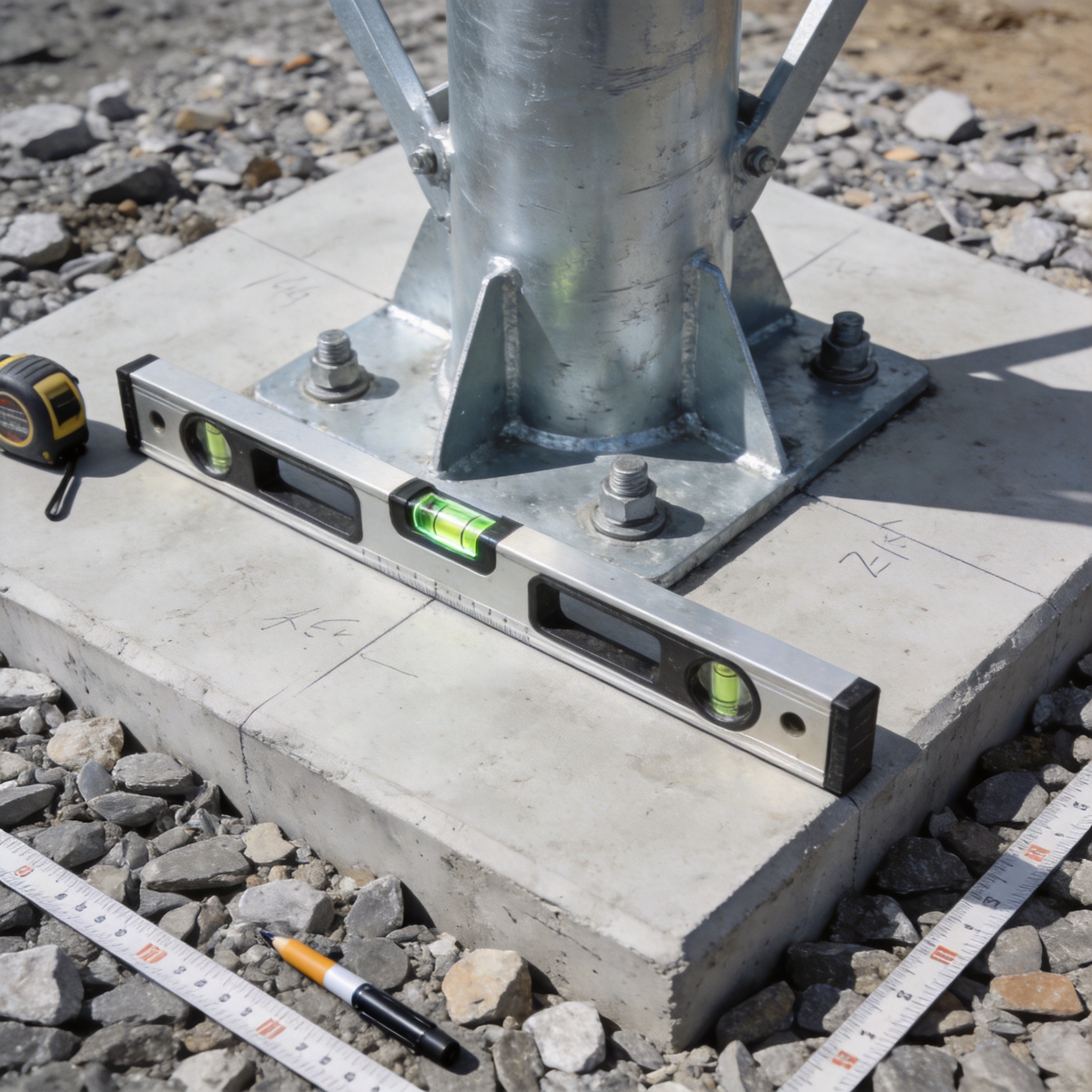
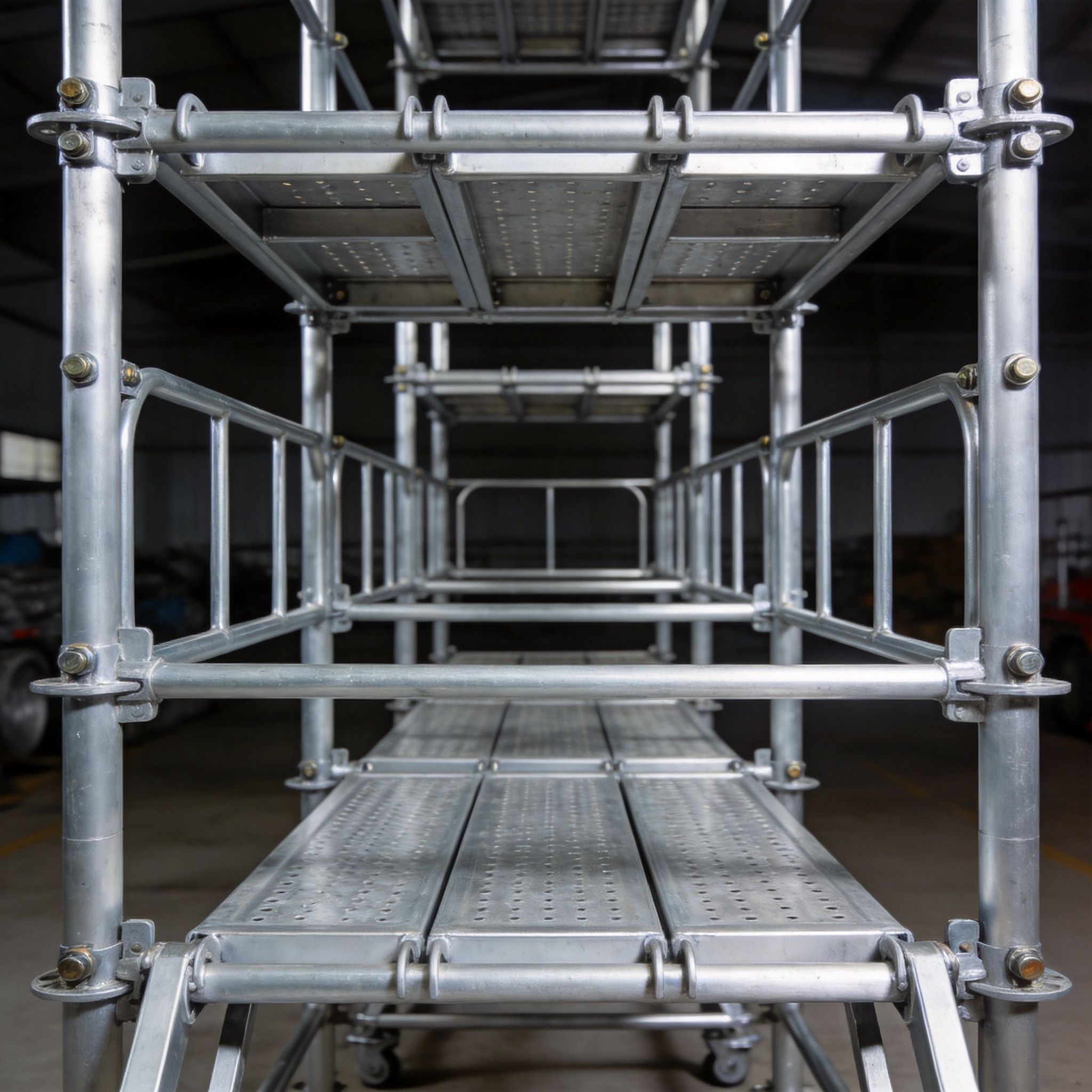
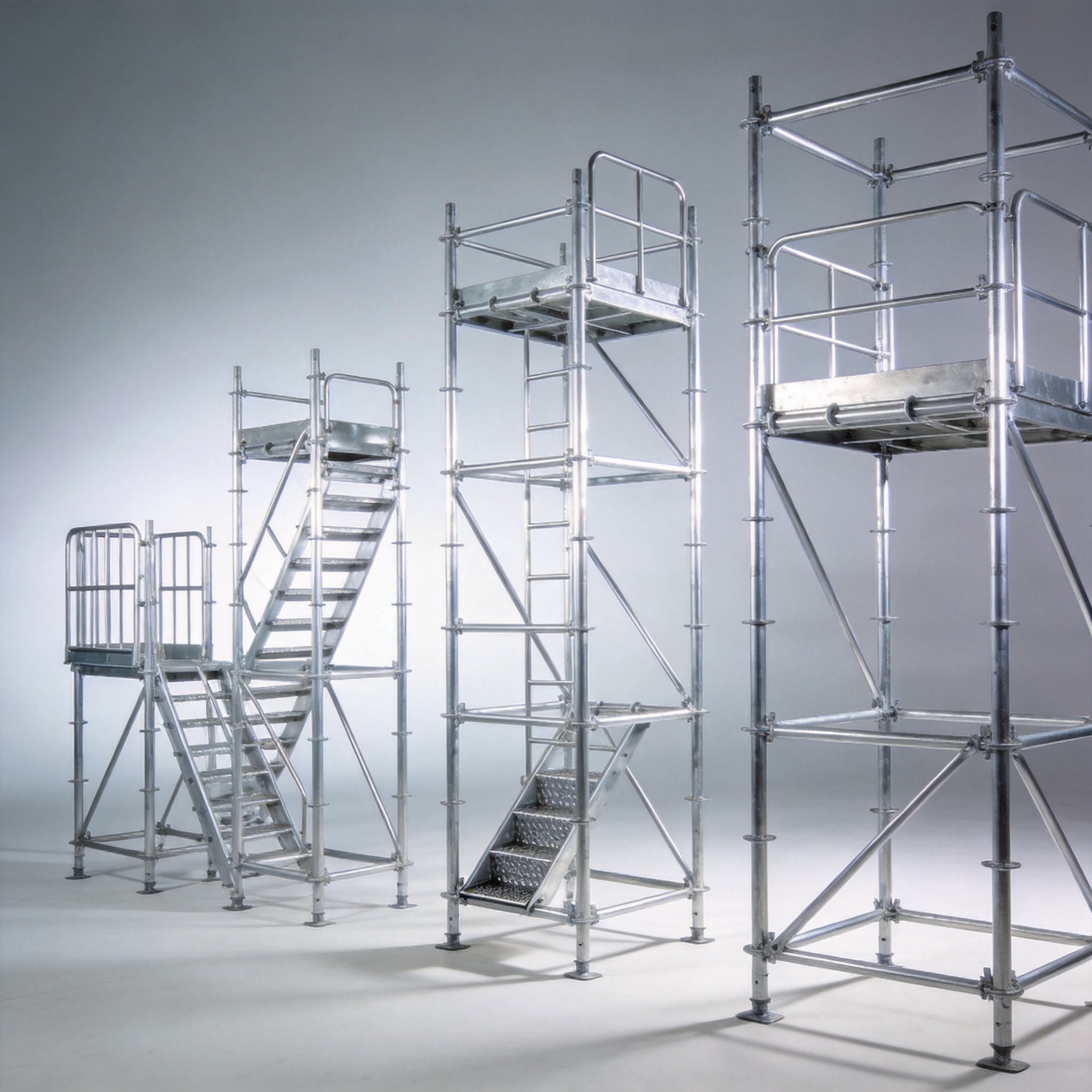
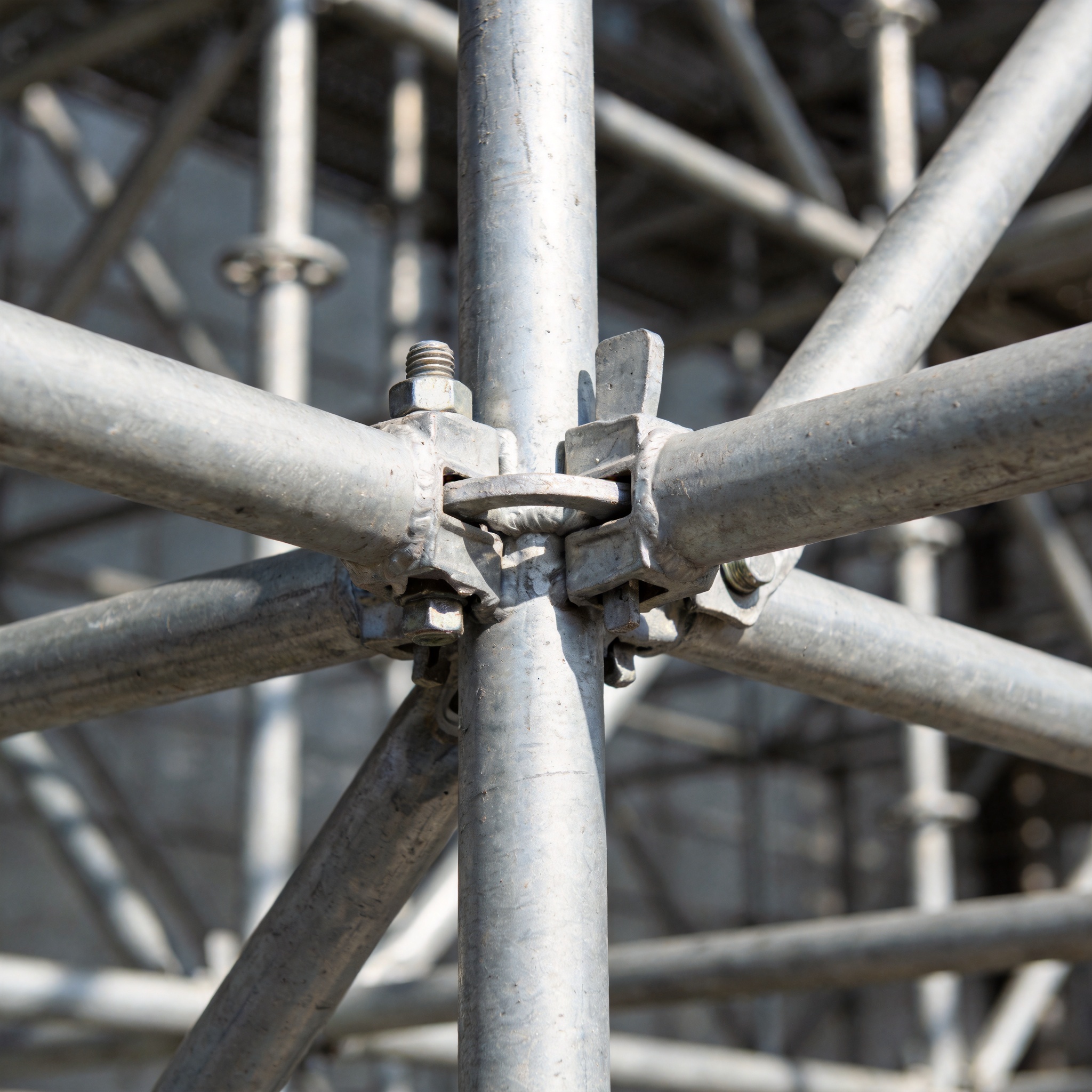
A robust scaffolding structure comprises several critical elements designed to work in harmony. The base plates and screw jacks provide a stable foundation, distributing loads evenly across the ground or surface. Upright standards form the vertical backbone, supporting ledger beams that interconnect frames and maintain alignment. Transoms tie into the ledgers, creating platforms for decking and walkways, while guardrails and toe boards safeguard workers from falls and falling debris. Couplers, clamps, and fittings secure these components, ensuring structural integrity under dynamic loads. Proper selection and installation of each part are essential not only for stability but also for compliance with safety regulations.
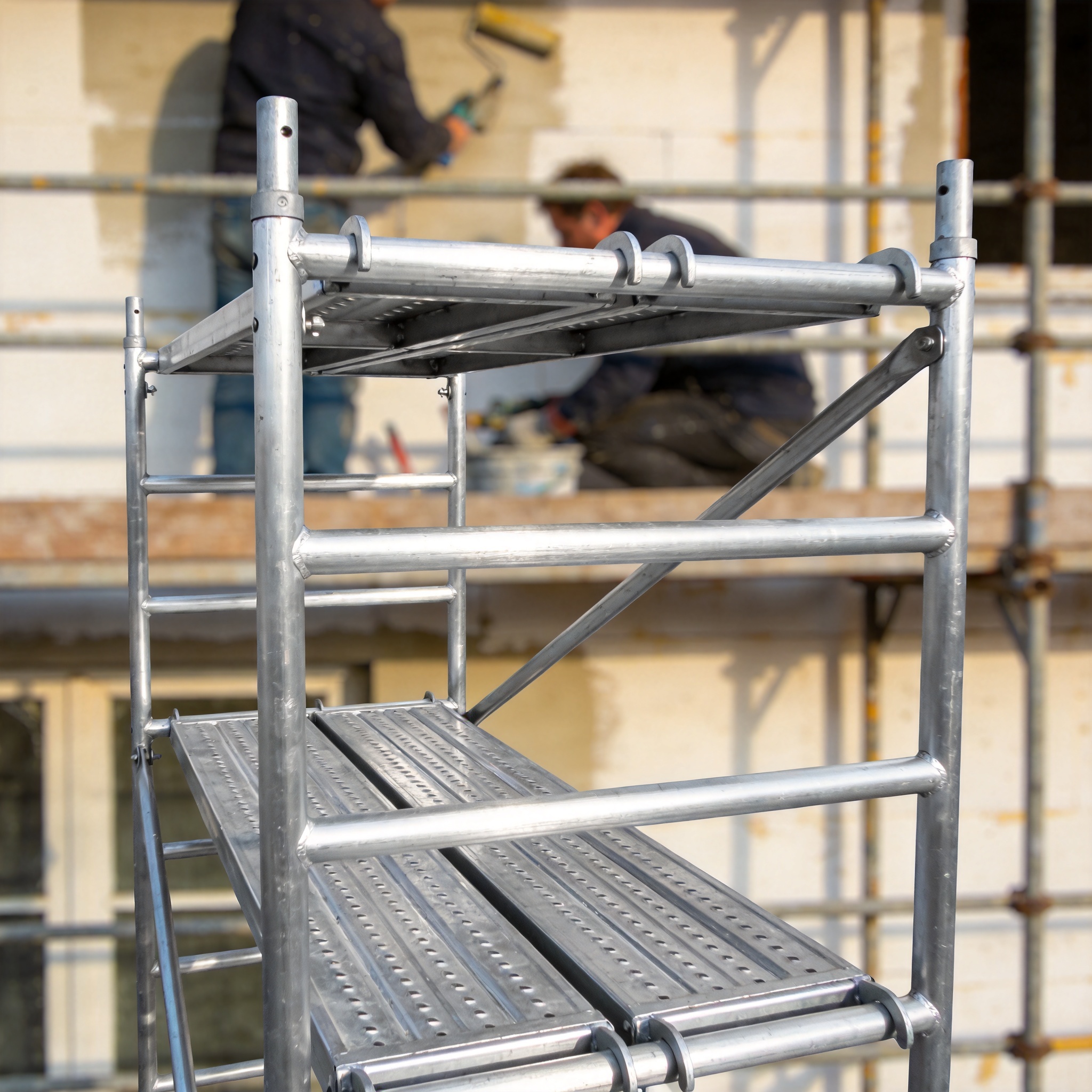
Beyond the primary framework, accessories such as access ladders, scaffolding boards, and safety nets enhance functionality and mitigate risk. Decking materials—ranging from wood planks to steel grating—must bear heavy equipment and foot traffic, while non-slip surfaces reduce accident potential. Bracing and tie-ins anchor the scaffold to the main structure, countering wind and vibration. Finally, toe boards and debris nets prevent tools or construction materials from falling onto workers below. When assembled correctly, these components form a cohesive scaffolding structure that balances strength, flexibility, and worker safety.
Sustainability and Environmental Impact of Scaffolding
In recent years, the construction industry has placed greater emphasis on sustainability, and scaffolding structures are no exception. Traditional wooden scaffold boards, often sourced from old-growth forests, are being replaced by reusable aluminum or galvanised steel planks. These materials not only boast longer lifespans but also reduce the demand on timber resources. Moreover, many manufacturers now offer modular system scaffolding designed for disassembly and reuse across multiple job sites, minimizing waste and transport-related carbon emissions.
Beyond materials, innovative design strategies aim to optimize resource efficiency and reduce environmental footprint. Lightweight components decrease the energy required for transportation and handling, while digital modelling tools facilitate precise material planning, cutting down on excess. Additionally, recycled metal content in scaffolding tubes and frames is becoming more prevalent, further aligning with circular economy principles. As sustainability standards tighten and green building certifications become more common, the environmental impact of scaffolding structures will remain a focal point for contractors and developers alike.
Regulations and Standards Governing Scaffolding Usage
Ensuring the safe and effective use of a scaffolding structure depends heavily on compliance with local and international regulations. In the United States, OSHA (Occupational Safety and Health Administration) outlines strict guidelines for scaffold design, load capacity, fall protection, and worker training. Europe follows EN 12811 standards, which cover performance requirements for access and working scaffolds. These regulations mandate inspections by qualified personnel, proper anchoring, and use of personal protective equipment (PPE) to mitigate hazards.
Beyond these overarching frameworks, many regions enforce additional codes that address weather conditions, seismic activity, and site-specific risks. Contractors must develop detailed scaffold plans, including structural calculations, load limits, and emergency procedures. Regular audits and certification renewals ensure ongoing adherence, while incident reporting drives continuous improvement. Ultimately, regulatory compliance not only safeguards worker health but also protects project timelines and financial investments by preventing costly accidents and shutdowns.
Conclusion: The Enduring Significance of Scaffolding Structures
The scaffolding structure remains an indispensable element of modern construction, seamlessly combining safety, efficiency, and adaptability. From its humble wooden origins to sophisticated modular systems, this temporary framework underpins the built environment, enabling workers to bring architectural visions to life.
As the industry evolves, so too will the materials, designs, and standards governing scaffolding, ensuring that these vital support systems continue to reinforce progress and innovation in construction.
