
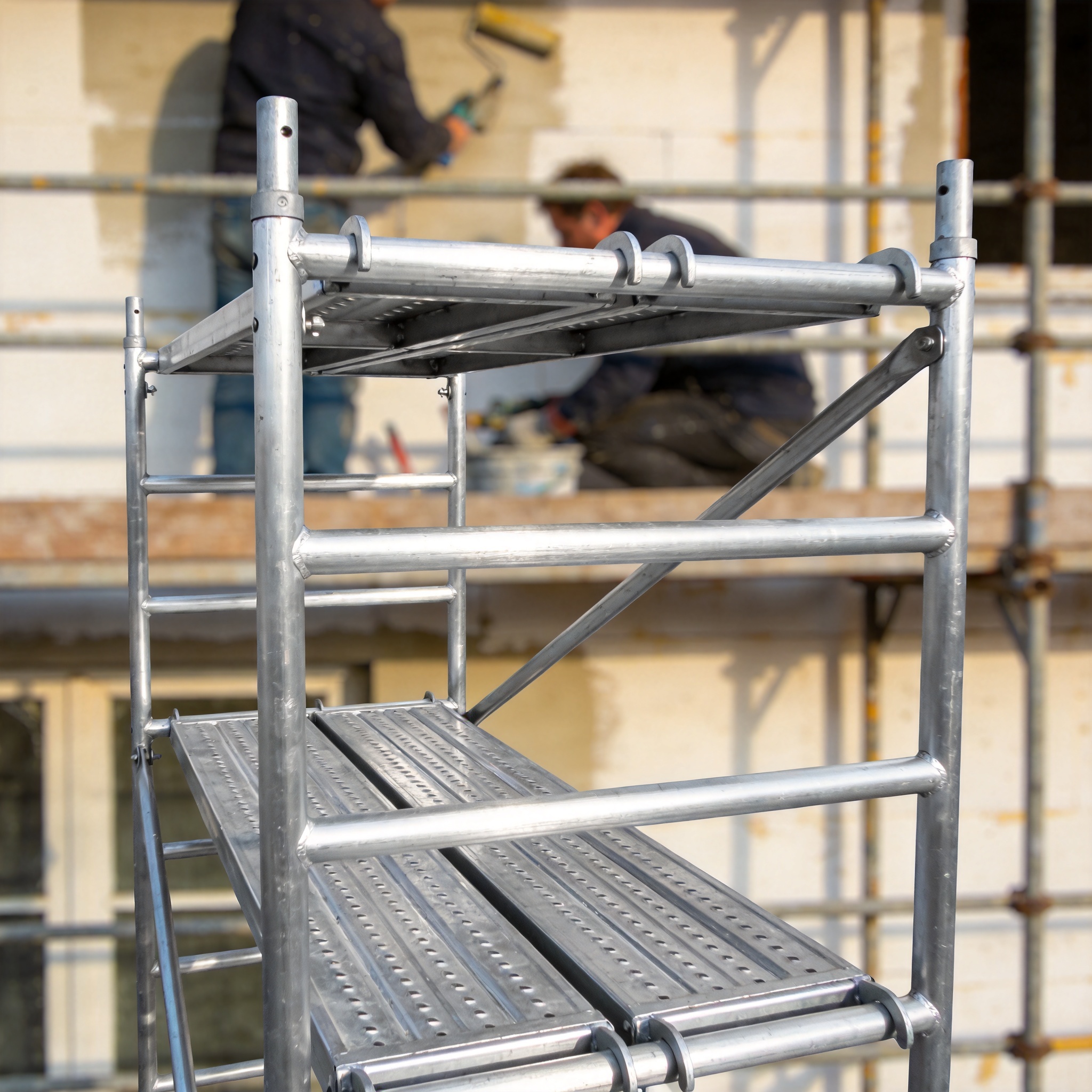
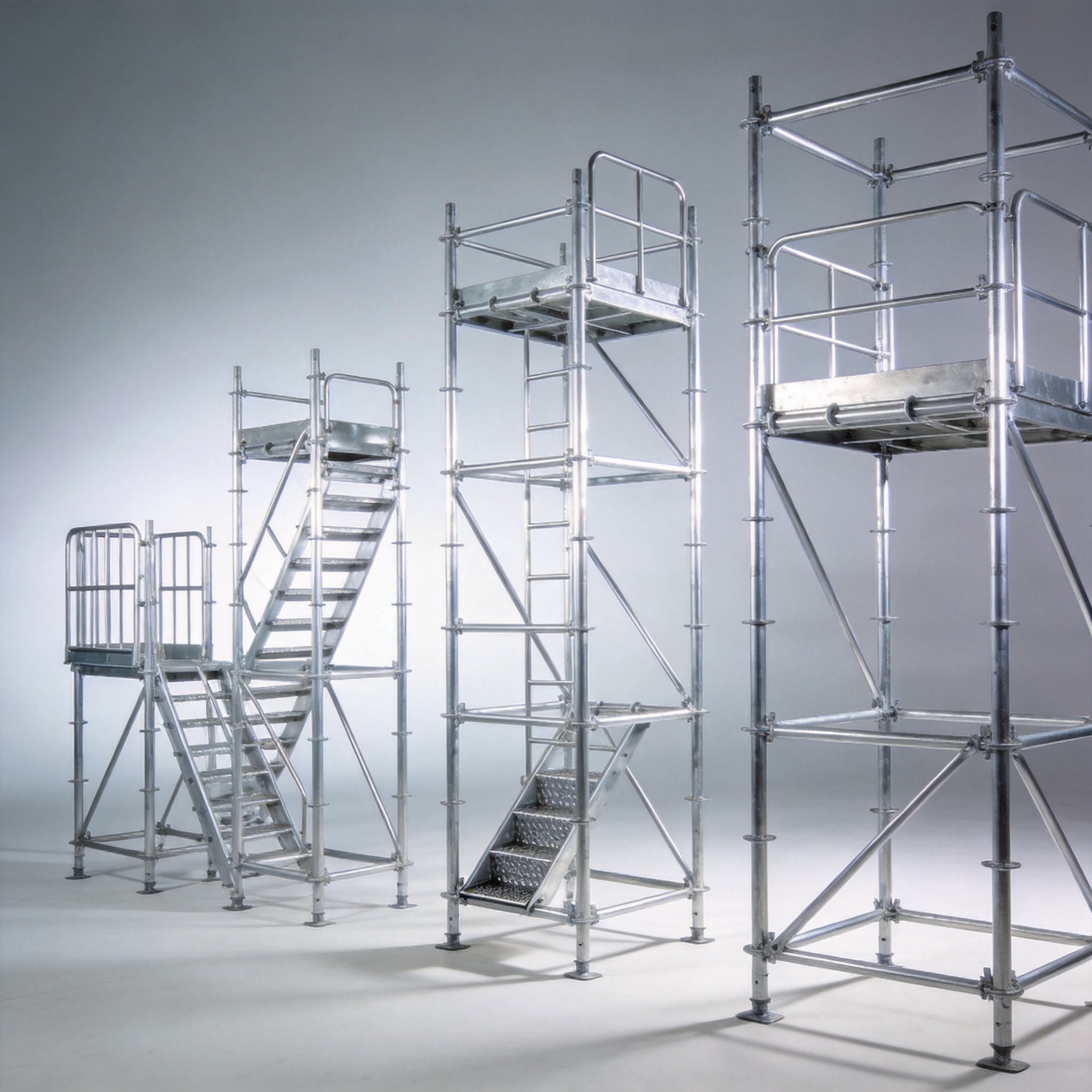
Tired of that shaky, one-handed dance at the top of a ladder, trying to juggle a paint can and a brush? There’s a reason professionals work faster and avoid accidents on big jobs. Instead of constantly repositioning a wobbly ladder, they rely on scaffolding to create a stable, predictable work area that lets them focus on the task at hand.
The heart of this safer system is the scaffold plank itself—the engineered platform you stand on. This lightweight walk board, often called a scaffold deck, is the foundation for your personal safety and comfort high above the ground.
Using aluminum plank scaffolds transforms your approach to large projects. A wide platform allows you to work with both hands and cover large areas without ever climbing down. Learning how to set up a scaffold work platform is simpler than it looks, and it can cut your project time significantly while dramatically improving your safety.

Why Your Old Wooden Board Is a Hidden Danger
When you need a platform for a high-up project, it’s tempting to grab that thick wooden board lying in the garage. It seems strong enough, but relying on untested lumber for your safety is a gamble. Unlike a simple board, an aluminum scaffold plank is a piece of engineered safety equipment designed for one purpose: to hold you up securely.
The biggest issue with a standard piece of lumber is its unpredictability. A wooden board can look solid on the outside while hiding internal decay or hairline cracks from repeated exposure to moisture and sun. This unseen rot can cause it to fail suddenly and without warning under load. Aluminum, on the other hand, is completely weatherproof. It will never rot, warp, or become brittle from the elements.
Beyond just rot, the differences in consistency and features are what truly set them apart. An aluminum plank is manufactured to a precise standard, while a wooden board is a total unknown.
- Weight: Aluminum is far lighter, making it easier and safer to lift and position.
- Weather Resistance: It won’t absorb water, crack, or splinter like wood.
- Strength: Aluminum planks are engineered and tested to meet a specific strength rating. Wood’s strength is a mystery.
- Safety Features: Most aluminum planks include a textured, anti-slip surface—something you won’t find on a piece of plywood.
The choice comes down to reliability. Because aluminum planks are manufactured products, their strength isn’t a guess—it’s a guarantee. This engineered approach means every plank is rated to hold a specific, reliable amount of weight, which is the most important factor when you’re working far above the ground.
How Much Weight Can a Scaffold Plank Hold? A Simple Guide for Your Project
Now that you know an aluminum plank offers guaranteed strength, the next question is obvious: how much weight can it hold? Manufacturers make this easy by rating them for simple, real-world scenarios. Instead of complex engineering data, think of it in terms of duty ratings. Light-duty planks are built for one person and their tools, while medium-duty planks can safely support two people working together.
Choosing the right one depends entirely on your job. If you’re painting a high wall by yourself, a “one-person” plank, typically rated for 250 pounds, is all you need. But if you and a helper are tackling a siding repair with a pile of heavy tools, you absolutely need a “two-person” plank, which is usually rated for 500 pounds. Using a one-person plank for a two-person job is a serious safety risk.
You never have to guess. Every properly rated plank will have a sticker from the manufacturer that clearly states its duty rating and maximum load. Think of this label as a simple scaffold platform load capacity chart, giving you the information you need at a glance. If you can’t find the sticker or it’s unreadable, always ask the staff at the rental store to confirm the plank’s capacity. Once you’ve confirmed the plank can handle the weight, the next step is to look at the features that keep you stable and secure.
The Key Features That Prevent Slips, Trips, and Wobbles
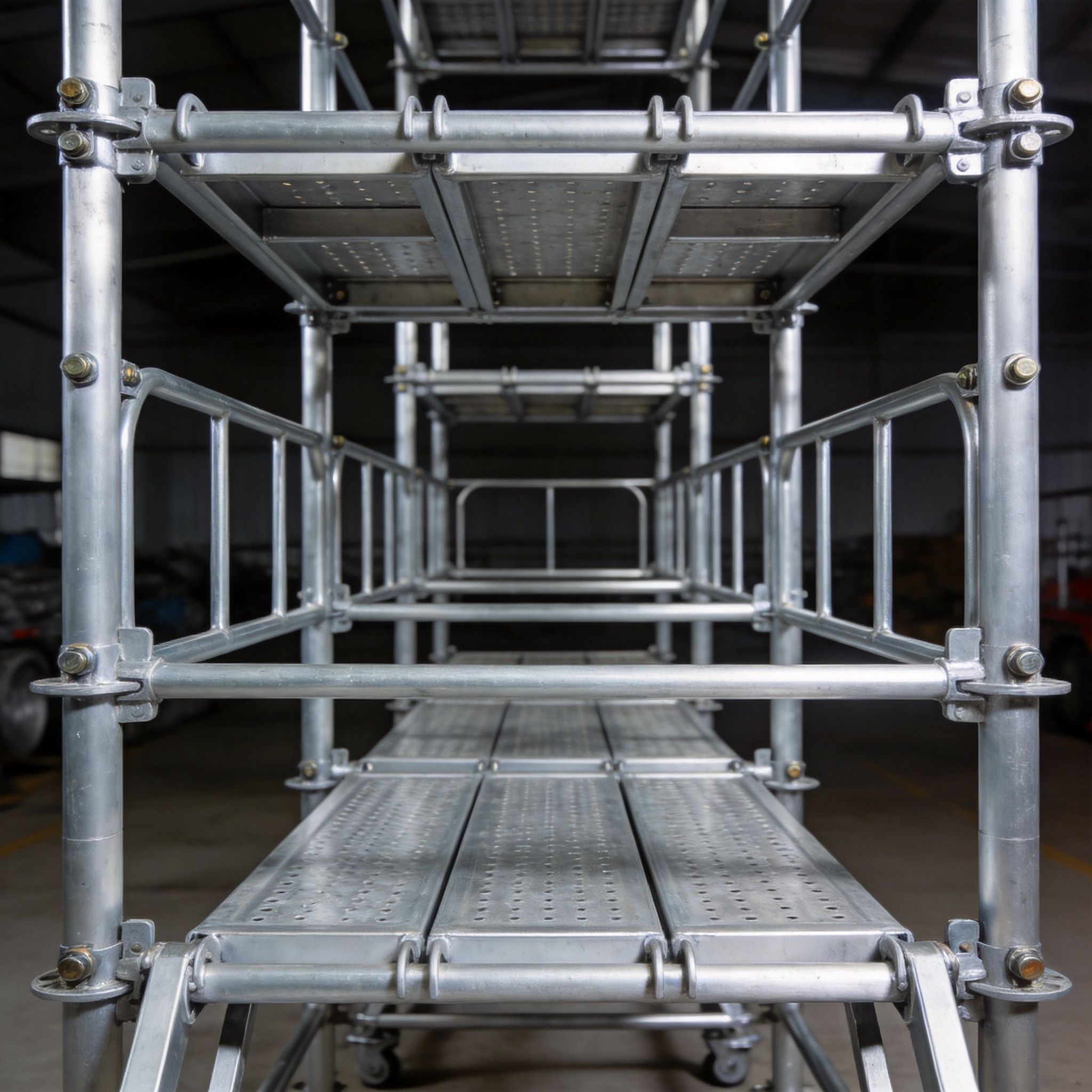
Beyond just holding your weight, a good aluminum plank is designed to solve the two biggest fears of working at height: slipping and shifting. The first line of defense is the non-slip surface. Unlike a smooth board, these planks have a heavily textured or perforated top. Think of it like the tread on a tire—the grooves and patterns are there to channel away water and give your shoes a firm grip, even if it’s damp or dusty. This intentional design provides confidence with every step you take.
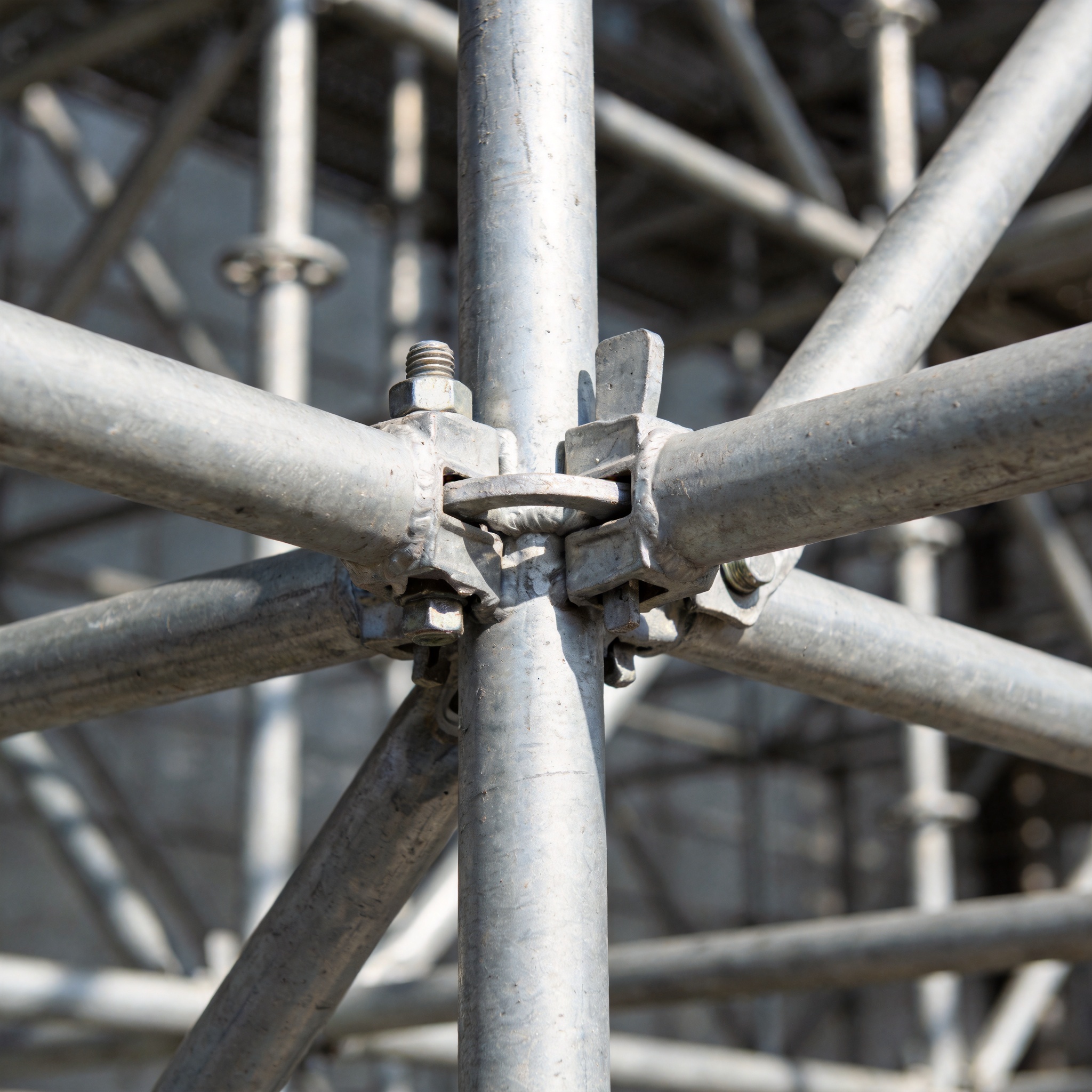
While the surface keeps your feet planted, the ends of the plank ensure the whole platform stays put. At each end, you’ll find heavy-duty locking hooks. These are designed to wrap securely around the horizontal bars of the scaffold frame. Most also include a simple but effective locking mechanism—often a small clip or pin that snaps into place. This vital feature prevents the walk board from sliding sideways or lifting up if your weight shifts, effectively making the plank and frame one solid unit.
Together, this non-slip surface and secure locking mechanism are what transform a simple board into a trustworthy work platform. They are engineered to counteract instability and give you a stable base of operations. Knowing these features exist is the first step; the next is making sure they are properly set up before you begin your work.
Your 60-Second Safety Check Before You Climb

Even a brand-new plank with great safety features can be compromised by damage from previous jobs. Before you trust any plank with your weight, take a moment to give it a quick visual inspection. This simple habit, a core part of professional safety standards like OSHA requirements for scaffold platforms, ensures the plank you’re about to use is as solid as it was designed to be. Just as you would immediately discard a rotten wood scaffold board, you should be ready to reject any damaged aluminum plank.
Learning how to inspect a scaffold walkboard is easy. Run through this simple three-point check, especially if you are renting equipment:
- Look for Major Dents or Bends. Glance down the length of the plank. A few minor scratches are normal, but a significant dent or a noticeable bow means the plank’s structure is compromised and can no longer hold its rated weight.
- Check the Ends for Cracks. Pay close attention to where the end hooks are welded to the main body of the plank. These welds do all the work of transferring your weight to the scaffold frame. If you see any cracks, the plank is unsafe.
- Make Sure Hooks Aren’t Bent. The hooks should be straight and uniform, ready to sit flush on the scaffold frame. A bent or twisted hook won’t lock on securely.
If you find any of these red flags, simply set the plank aside and get another one. A reputable rental shop or hardware store will have no issue swapping it out. This quick check costs you nothing but a minute of your time and is the most important step in ensuring a safe day’s work.
How to Get the Right Plank for Your Weekend Project
Walking into a rental store or hardware aisle can be intimidating, but getting the right plank is simpler than you think. You don’t need to know technical codes; you just need to answer two simple questions about your job: what are you doing, and how many people will be on the plank at once? This information tells the staff everything they need to know about the load capacity and features you’ll require for a safe and successful project.
A key decision you’ll make is about the plank’s length. When you see different scaffolding platform board sizes, think about efficiency. A longer plank, like a common 10-foot one, lets you cover a wide section of a wall without having to constantly climb down and move the entire scaffold structure. This saves a huge amount of time on big jobs like house painting. A shorter 7-foot plank is lighter to handle but will require more frequent repositioning.
You also need to match the plank to the type of scaffold you’re using. For interior jobs like painting a high ceiling, you’ll likely use a narrow, rolling unit commonly called a “Baker” scaffold. Since these are so compact, the best walkboard for a baker scaffold is often a specialized platform designed to fit its exact dimensions, sometimes with a built-in trapdoor for easily climbing up through the deck.
Whether you’re renting for a weekend or searching for a metal scaffolding platform for sale to keep, choosing the right size and type is the final step in building a truly solid work area. Getting this part right is what transforms the job, taking you from wobbly and worried to stable and secure.
From Wobbly and Worried to Stable and Secure
That shaky feeling at the top of a ladder might have once seemed like a necessary evil for big projects, but it’s an unnecessary risk. The benefit of an aluminum plank scaffold is that it’s not just a metal board, but an engineered tool for your safety and efficiency.
Your first step is to simply look closer. The next time you’re at a rental shop or hardware store, handle a plank. Feel its anti-slip texture and inspect its locking hooks. A quality plank’s corrosion resistance means it should be free from rust or serious damage—a clear sign of its integrity.
That big project on your to-do list no longer needs to feel out of reach. An aluminum plank scaffold isn’t just equipment; it’s the solid ground that empowers you to work confidently and finish faster. It’s time to trade the wobble for a stable walk.
FAQ
What are the main benefits of aluminum plank scaffolds?
Aluminum plank scaffolds are lightweight yet durable. They provide excellent safety and stability for various construction projects.
How do aluminum planks compare to wood?
Aluminum planks are more resistant to weather and decay than wood. They also require less maintenance over time.
Are aluminum plank scaffolds easy to assemble?
Yes, aluminum plank scaffolds are designed for quick assembly and disassembly. This saves time and labor costs on-site.
What safety features do aluminum plank scaffolds offer?
They typically include non-slip surfaces and sturdy connections. This enhances worker safety while performing tasks at height.
