
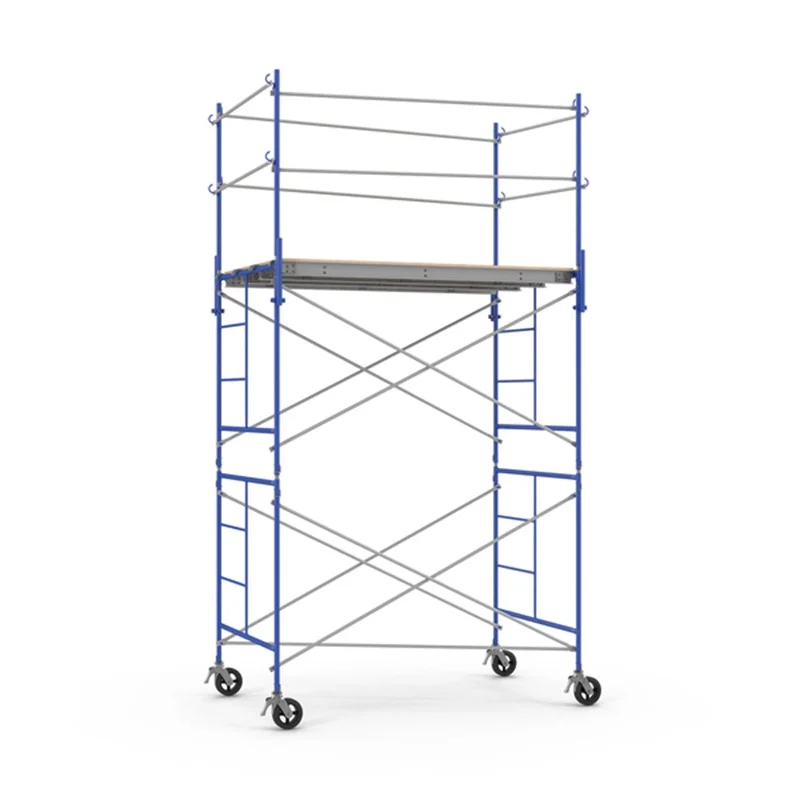
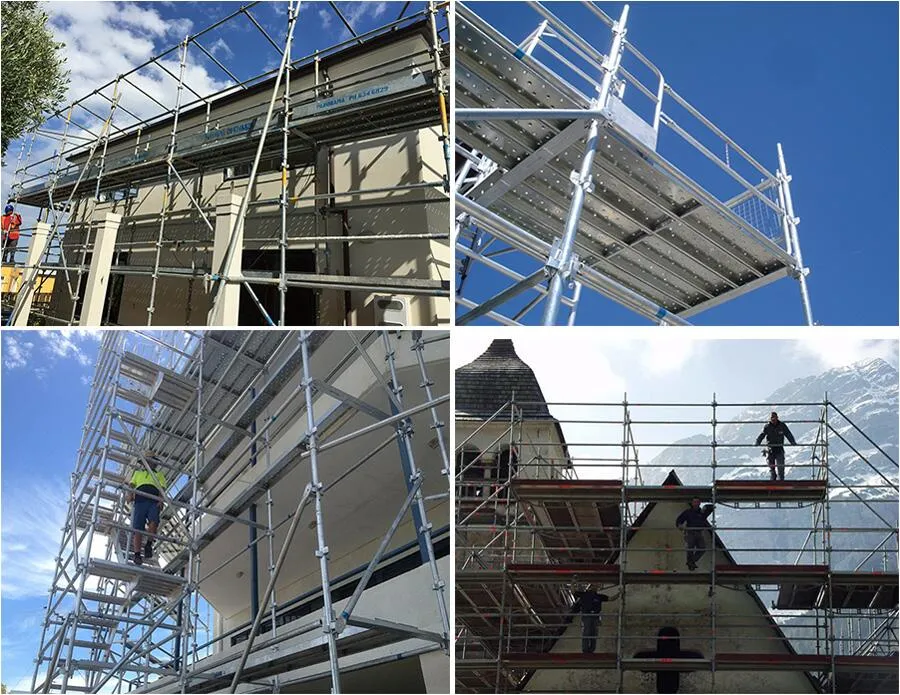

Imagine working several stories high on a construction site with the task of painting or repairing the outer face of a building. The scaffolding tower beneath your feet is your lifeline, offering the promise of stability and safety. But have you ever considered the critical role that wheels for scaffolding towers play in ensuring that promise? These seemingly simple components are crucial, not just for ease of movement but for the overall safety of workers at great heights. Choosing the right wheels can make the difference between seamless operations and hazardous mishaps on site.
In an industry where every detail counts, selecting the best wheels for your scaffolding tower is akin to choosing the right foundation for a house. It’s about more than just moving from point A to point B; it’s about the peace of mind that comes with knowing you’ve minimized risks for your team. As we delve into the nuances of construction safety, focusing on this often-overlooked aspect could provide insights that significantly enhance your project’s effectiveness and security. Whether you’re a construction manager or a site worker, understanding how to select the right scaffolding wheels might just be your next step toward achieving new standards of workplace safety.

Importance of Scaffolding Tower Wheels in Construction Safety
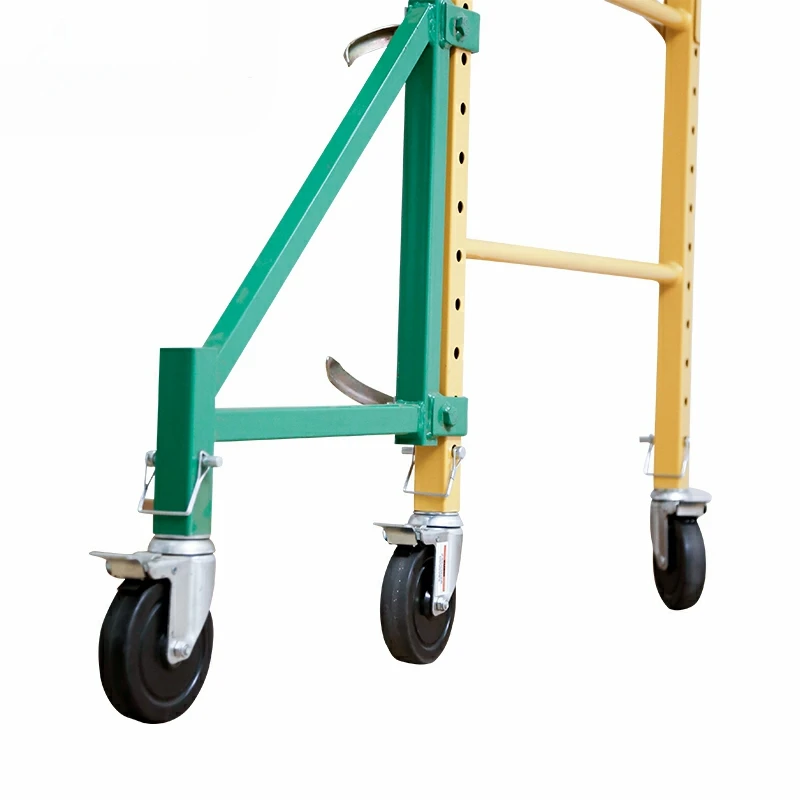
When it comes to construction safety, the often-overlooked component of a scaffolding tower can make or break a project’s success: its wheels for scaffolding tower systems. These wheels serve as both the foundation for mobility and the cornerstone of stability. High-quality wheels support the substantial loads of materials and personnel, preventing sudden shifts or collapses that can lead to serious injuries. Inaccessible or improperly chosen wheels can result in uneven weight distribution, increasing the risk of tipping or structural failure.
Beyond just load-bearing capacity, wheels contribute to the swift repositioning of the scaffolding tower, minimizing downtime and enhancing productivity. A secure wheel setup with reliable locking mechanisms ensures that once your tower is in place, it remains firmly anchored—even on slightly inclined surfaces. This prevents accidental movement while workers are ascending or descending, dramatically reducing trip hazards and potential falls. By prioritizing the right wheels, you’re investing in a safer, more efficient work environment where every movement is controlled, and every team member stays protected.
Key Factors to Consider When Choosing Scaffolding Wheels
Selecting the appropriate wheels for your scaffolding tower involves careful evaluation of several interrelated factors. First, determine the maximum load capacity required—this includes the weight of the platform, workers, tools, and materials. Wheels must be rated to handle more than the anticipated load to provide a safety margin. Next, consider wheel diameter and tread material. Larger diameters navigate rough or uneven surfaces more easily, while tread materials like polyurethane offer a balance of shock absorption and floor protection.
Another critical consideration is the type of swivel or rigid caster. Swivel wheels allow for quick directional changes, making them ideal for tight spaces, while rigid castors provide precise straight-line movement. Brake or locking mechanisms are essential to prevent unintentional rolling, especially on sloped terrain. Compatibility with the tower’s base frame and ease of installation should not be overlooked—wheels that are difficult to fit can lead to improper mounting and compromised safety. Finally, ensure wheels come with relevant certifications and meet industry standards to guarantee performance and compliance on your work site.
Weather Resistance and Durability
Construction sites face a variety of environmental conditions, from driving rain to scorching sun and sub-zero temperatures. Wheels for scaffolding tower setups must withstand these extremes without degrading. Materials like stainless steel, galvanized steel, and high-strength nylon resist corrosion, while polyurethane tread maintains flexibility in temperature fluctuations. UV-resistant coatings prevent cracking or brittleness due to prolonged sun exposure, ensuring the wheels remain functional season after season.
Durability also means resistance to abrasion and chemical exposure. On many sites, oils, solvents, and cleaning agents can degrade inferior wheels, leading to unexpected failures. Opting for industrial-grade wheels designed for harsh environments reduces replacement frequency and maintenance costs. Investing in resilient wheels not only safeguards your crew but ultimately lowers long-term expenses by avoiding downtime associated with wheel wear or sudden breakdowns. In challenging weather conditions, reliable wheels keep your scaffolding tower secure and fully operational.
Installation and Maintenance Tips for Scaffolding Wheels
Proper installation begins with selecting the correct mounting plates or sockets for your scaffolding tower’s base frame. Before attaching wheels, ensure all connection points are clean and free of debris. Tighten all fasteners to the manufacturer’s torque specifications and verify wheel alignment. Once installed, test each wheel’s swivel action and locking mechanism to confirm smooth operation and secure engagement. This initial check is critical for preventing rotational binding or accidental releases under load.
Routine maintenance is equally important. Inspect wheels daily for signs of wear—look for cracks in the tread, corrosion on metal parts, and loose fittings. Clean away dirt or construction residue to maintain optimal rolling performance. Lubricate swivel bearings periodically with a light machine oil to prevent seizing, especially after exposure to moisture. Replace wheels at the first sign of significant wear or damaged brakes to uphold safety standards. Properly installed and well-maintained wheels guarantee consistent scaffold stability and safeguard workers throughout the project lifecycle.
Conclusion: Prioritizing Safety Through Proper Wheel Selection
Choosing the right wheels for scaffolding tower applications is more than a logistical detail—it’s a fundamental safety measure. By evaluating load requirements, environmental resilience, and maintenance practices, you ensure your scaffolding remains stable and secure under all conditions.
Investing in high-quality, certified wheels and adhering to proper installation and inspection routines minimizes the risk of accidents and optimizes project efficiency. In the end, thoughtful wheel selection is a small step that leads to giant strides in construction safety.
