


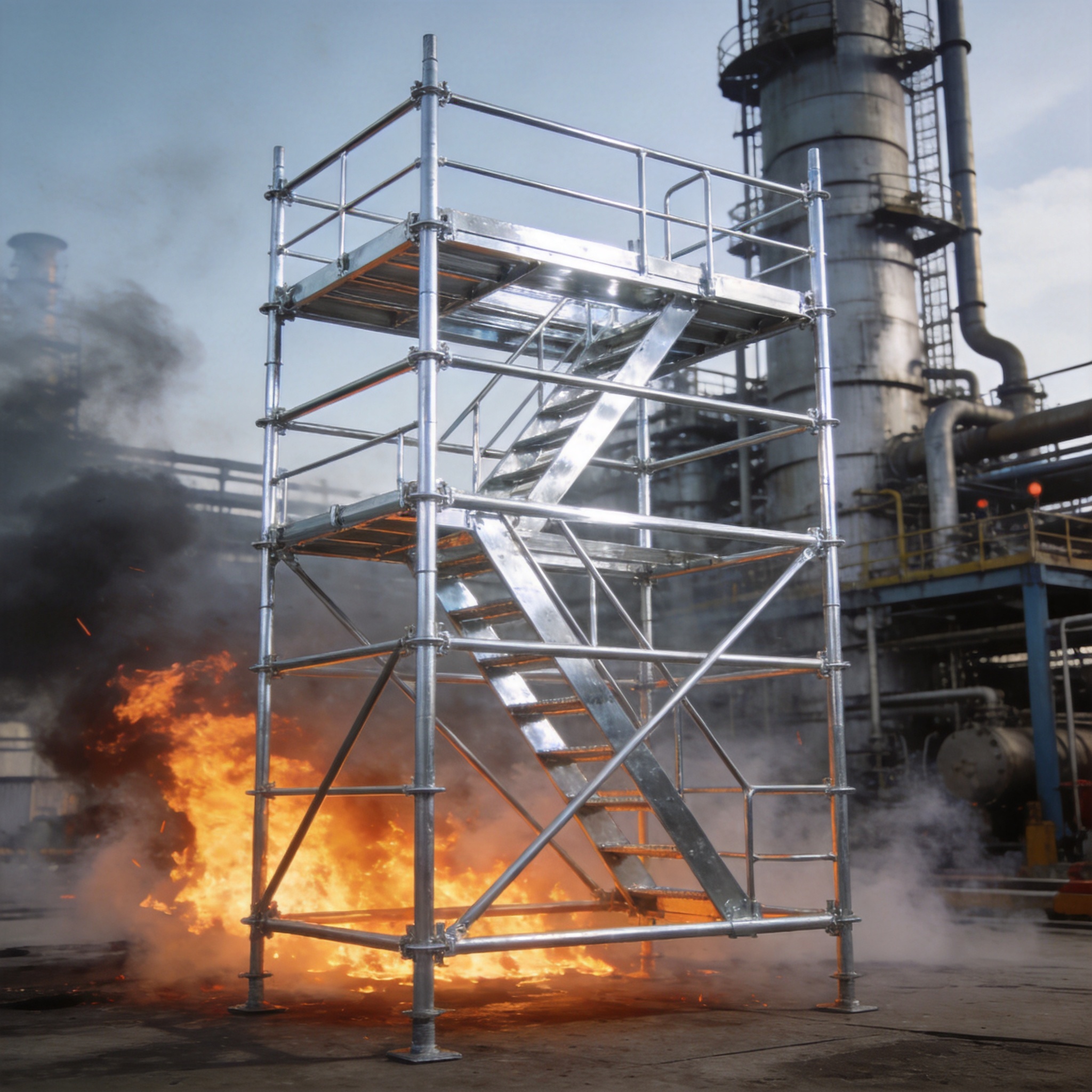

Navigating the heights of a construction site can be a daunting task, and doing so safely should never be left to chance. The scaffolding walk board is an unsung hero in the realm of construction, providing not just a platform but a lifeline to workers whose jobs demand precision at dizzying altitudes. Long gone are the days when makeshift planks were trusted with lives—a well-engineered scaffolding walk board now serves as a sturdy foundation for productivity and, more importantly, peace of mind.
Imagine standing on a narrow beam a hundred feet above the ground, the wind tugging at your clothes, and the sky stretching expansively above. The only thing between you and that vast expanse is a meticulously designed piece of equipment built to withstand the harshest of conditions. Understanding the technology and principles behind these boards isn’t just for engineers; it’s essential knowledge for anyone involved in building, maintaining, or even planning a project that elevates us beyond the safety of the earth. In this article, we’ll delve into the critical components and safety measures that make the scaffolding walk board an indispensable tool in the construction industry.
The Evolution of Scaffolding Walk Boards
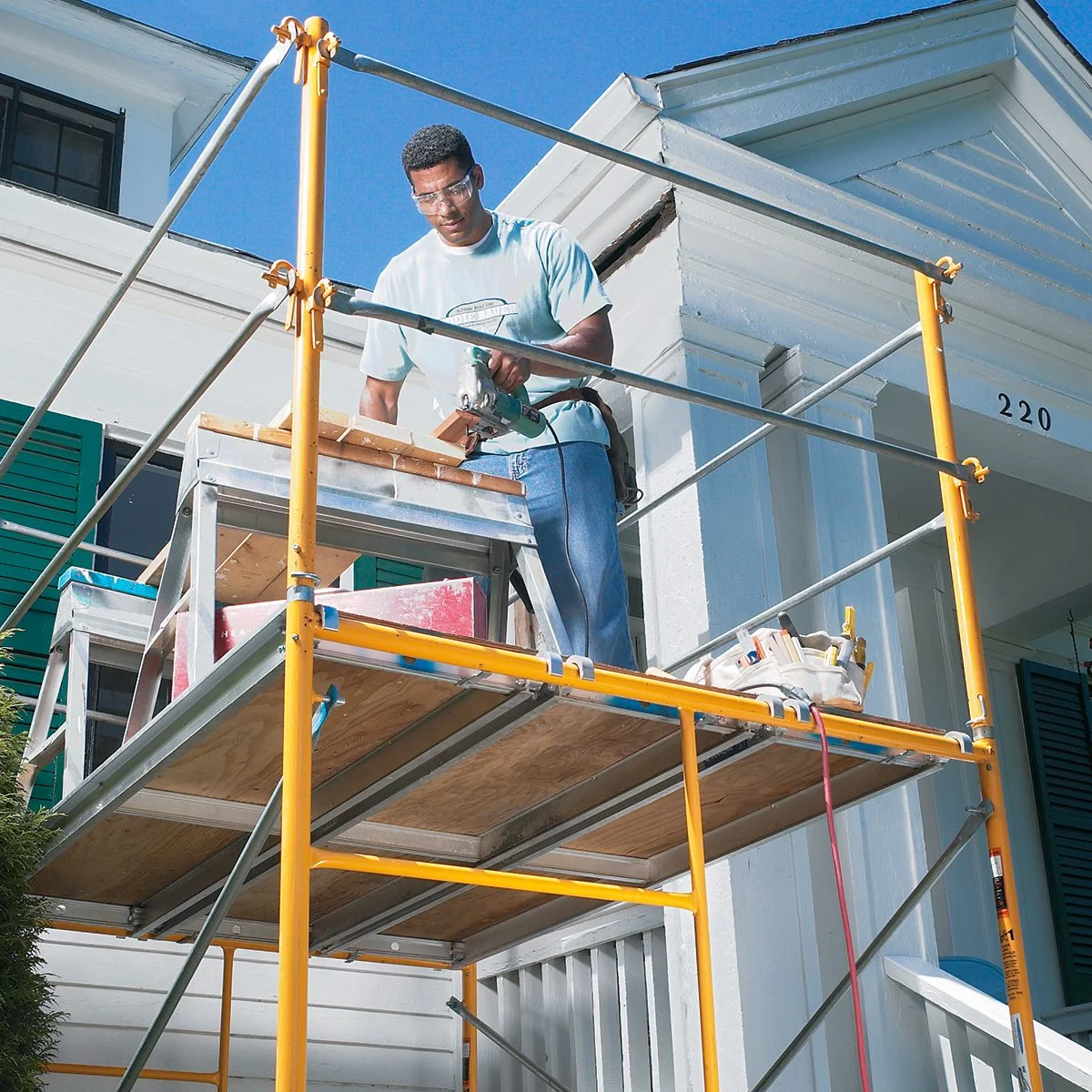
Scaffolding walk boards have come a long way since the crude wooden planks used by masons centuries ago. Early construction sites relied on simple timber boards laid across rudimentary frames, but these were often uneven, slippery, and prone to splitting under heavy loads. As industrialization took hold in the 19th century, manufacturers began experimenting with stronger woods, protective treatments, and early metal reinforcements. This marked the first shift toward purpose-built platforms designed to improve worker safety and stability.
Throughout the 20th century, technological innovations accelerated the evolution of the scaffolding walk board. Steel and aluminum became the materials of choice, replacing timber altogether in many cases. Advances in metallurgy and engineering produced lightweight, corrosion-resistant boards capable of supporting heavier loads and resisting deformation. In parallel, safety regulations and industry standards—such as OSHA guidelines—mandated specific design features like non-slip surfaces, guard rail attachments, and defined load capacities. As a result, today’s scaffolding walk boards are the culmination of over a century of continuous improvement, blending durability, ergonomics, and regulatory compliance to deliver a dependable platform at any height.
Understanding Load Capacity and Weight Limits
When selecting a scaffolding walk board, one of the most critical considerations is understanding its load capacity. Each board is engineered and tested to safely carry a maximum weight, which includes the weight of workers, tools, and materials. Exceeding this limit puts undue stress on the board and the entire scaffolding structure, increasing the risk of collapse or structural failure.
Manufacturers typically rate walk boards in categories such as “light duty,” “medium duty,” and “heavy duty,” with capacities ranging from 250 pounds to over 1,000 pounds per board. For example, a heavy-duty aluminum board might safely support a team of painters and their equipment, while a light-duty fiberglass board is best suited for single-person tasks with minimal tools. It’s essential to factor in dynamic loads—such as workers moving or lifting materials overhead—because these can momentarily spike the load beyond static ratings. Proper load distribution, spacing of boards, and adherence to manufacturer guidelines ensure that every scaffolding walk board performs as intended, maintaining stability and safeguarding lives.
Types of Materials Used in Scaffolding Walk Boards
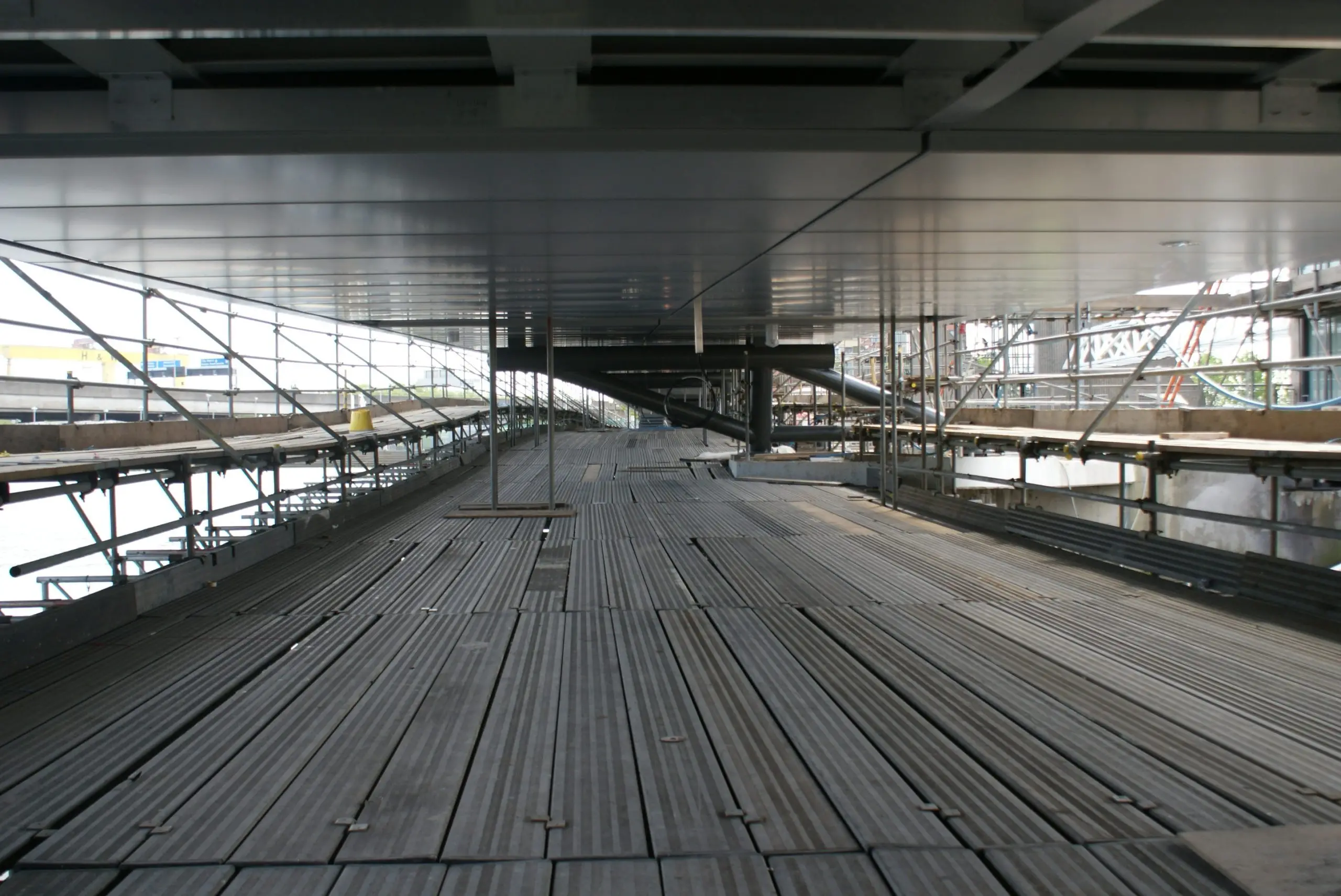
Modern scaffolding walk boards are manufactured from several advanced materials, each offering unique advantages. The most common choices include aluminum, steel, fiberglass, and composite materials. Understanding the properties of each helps project managers and safety officers select the ideal board for specific applications.
Aluminum boards are prized for their lightweight nature, corrosion resistance, and ease of handling. Steel boards, while heavier, offer superior strength and resilience, making them suitable for heavy industrial tasks. Fiberglass walk boards provide non-conductive properties, which are crucial when working near live electrical components. Composite boards blend materials—such as resin and reinforced fibers—to deliver high strength-to-weight ratios and excellent durability in harsh environments.
Choosing the right material often depends on project requirements: aluminum for quick setups and tear-downs, steel for heavy-load operations, fiberglass where electrical safety is paramount, and composites when a balance of features is needed. Regardless of the material, each scaffolding walk board must meet stringent safety standards and undergo regular inspections to ensure continued performance at height.
Common Misconceptions about Scaffolding Walk Boards
There are several misconceptions surrounding scaffolding walk boards that could compromise safety if left unaddressed. Myth number one is that all boards are interchangeable. In reality, boards vary widely in load ratings, lengths, and attachment mechanisms. Using an incompatible board can lead to insecure connections and dangerous shifts under load.
Another frequent question is whether non-slip surfaces really matter. The answer is a resounding yes—slip-resistant coatings and textured profiles dramatically reduce the risk of falls, especially in wet or icy conditions. Some users also ask if regular wooden planks can suffice as temporary walkways. While wood can serve in emergencies, it lacks the engineered strength, weather resistance, and testing that certified scaffolding walk boards provide, making it a poor substitute for long-term or high-risk scenarios.
FAQ
1. What is a scaffolding walk board?
A scaffolding walk board is a platform component used in scaffold systems to provide a safe walking and working surface for workers at elevated heights.
2. What materials are scaffolding walk boards made from?
Common materials include:
- Steel
- Aluminum
- Wood (timber)
Steel and aluminum boards are more durable and commonly used in industrial and commercial construction.
3. What are the advantages of steel or aluminum walk boards?
- High load-bearing capacity
- Anti-slip surface for improved safety
- Corrosion and weather resistance
- Long service life
- Easy installation and maintenance
4. Where are scaffolding walk boards commonly used?
They are widely used in construction sites, bridge projects, shipyards, industrial maintenance, and building renovation work.
5. What safety features should a scaffolding walk board have?
Important safety features include anti-slip surfaces, reinforced support structures, secure hooks or locking mechanisms, and compliance with scaffold safety standards.
6. How do you choose the right scaffolding walk board?
Consider factors such as board length, width, material, load capacity, compatibility with the scaffold system, and working environment requirements.
Conclusion: Embracing Height Safety with Scaffolding Walk Boards
Scaffolding walk boards stand at the intersection of engineering excellence and worker protection, transforming perilous ascents into controlled, productive tasks. By understanding their evolution, load capacities, material choices, and dispelling common myths, construction professionals can harness these platforms to their full potential.
Ultimately, investing in the right scaffolding walk board and adhering to best practices not only complies with safety regulations but also fosters confidence and efficiency on every job site. When every step matters, choosing a robust, well-designed walk board is choosing safety itself.
