


In the ever-evolving world of construction, innovation is not just a buzzword—it’s a necessity. The right tools can drastically improve efficiency and safety on-site, shaping the way projects are executed. Enter portable scaffolding systems, a game-changer for construction professionals. These modern marvels offer unmatched flexibility and mobility, enabling workers to tackle tasks with newfound ease. As their popularity surges, it’s impossible to overlook their transformative impact on the industry. Imagine being able to transport your work platform with minimal effort, reducing downtime and increasing productivity significantly.
What makes portable scaffolding systems truly revolutionary is not just their convenience but the ripple effect they have on project timelines and worker safety. Traditional scaffolding often requires substantial time and manpower to assemble and disassemble, resulting in delays and potential hazards. These portable solutions, however, provide a seamless alternative, eliminating the cumbersome processes associated with older methods. As construction sites become more dynamic and demanding, adopting innovative tools like these is no longer optional—it’s essential for those looking to stay ahead in this competitive landscape.
Benefits of Portable Scaffolding Systems
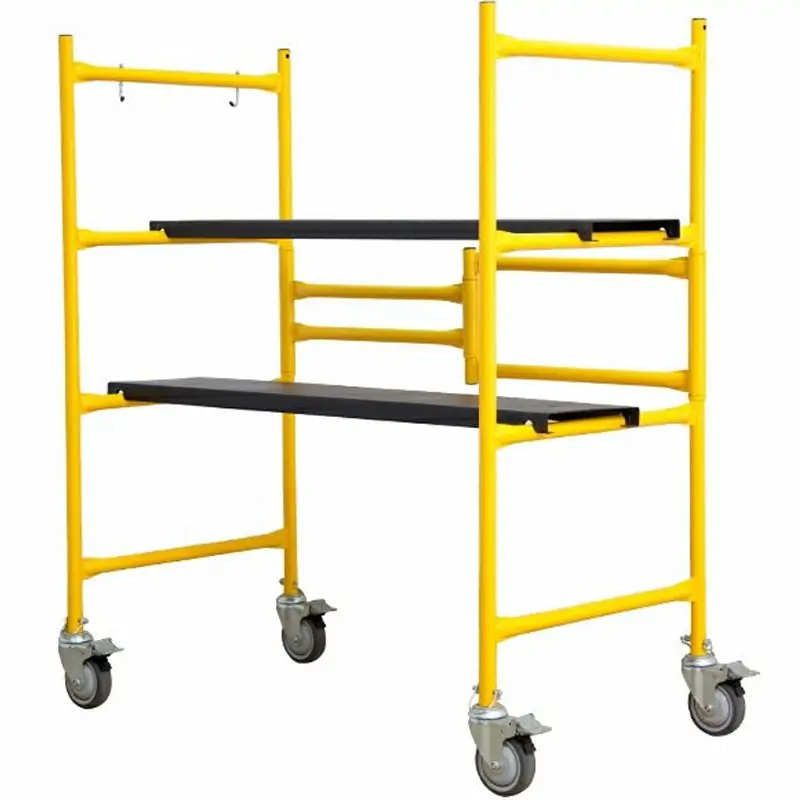
Portable scaffolding systems provide a suite of advantages that extend beyond simple mobility. First and foremost, they drastically reduce setup and teardown time. With lightweight aluminum frames, quick-lock mechanisms, and adjustable platforms, construction crews can reposition and assemble scaffolds in minutes rather than hours. This acceleration of workflow translates directly into shorter project timelines, helping contractors meet tight deadlines and improve overall site efficiency.
Additionally, the streamlined design of portable scaffolding enhances on-site safety. Many systems come equipped with guardrails, slip-resistant planks, and sturdy locking casters that provide a stable work surface. By minimizing the number of components and simplifying assembly, these systems help reduce human error during installation. This leads to fewer accidents and lower liability for firms. Moreover, portable scaffolding is often modular, allowing teams to customize heights and configurations to suit specific tasks, from painting and plastering to electrical and HVAC installations.
Another significant benefit is cost-effectiveness. While initial investment in high-quality portable scaffolding systems may be higher than basic fixed scaffolds, the long-term savings are substantial. Reduced labor costs for erection and dismantling, minimal storage requirements, and decreased downtime all contribute to a healthier bottom line. When factoring in the extended service life and lower maintenance needs of modern portable scaffolding, it becomes clear why so many construction companies now view these systems as indispensable assets.
Types of Portable Scaffolding Systems
Portable scaffolding systems come in several versatile varieties, each tailored to different job site requirements. Whether you’re tackling indoor renovations or outdoor façade work, choosing the right type can improve efficiency and safety. Common categories include mobile tower scaffolds, folding frame scaffolds, and push-around scaffolds, each offering unique features and configurations.
Understanding these distinctions—and the applications best suited for each—will help you select the most effective system for your specific project needs. Below, we’ll explore the key types of portable scaffolding and highlight their primary benefits.
Mobile Tower Scaffolds
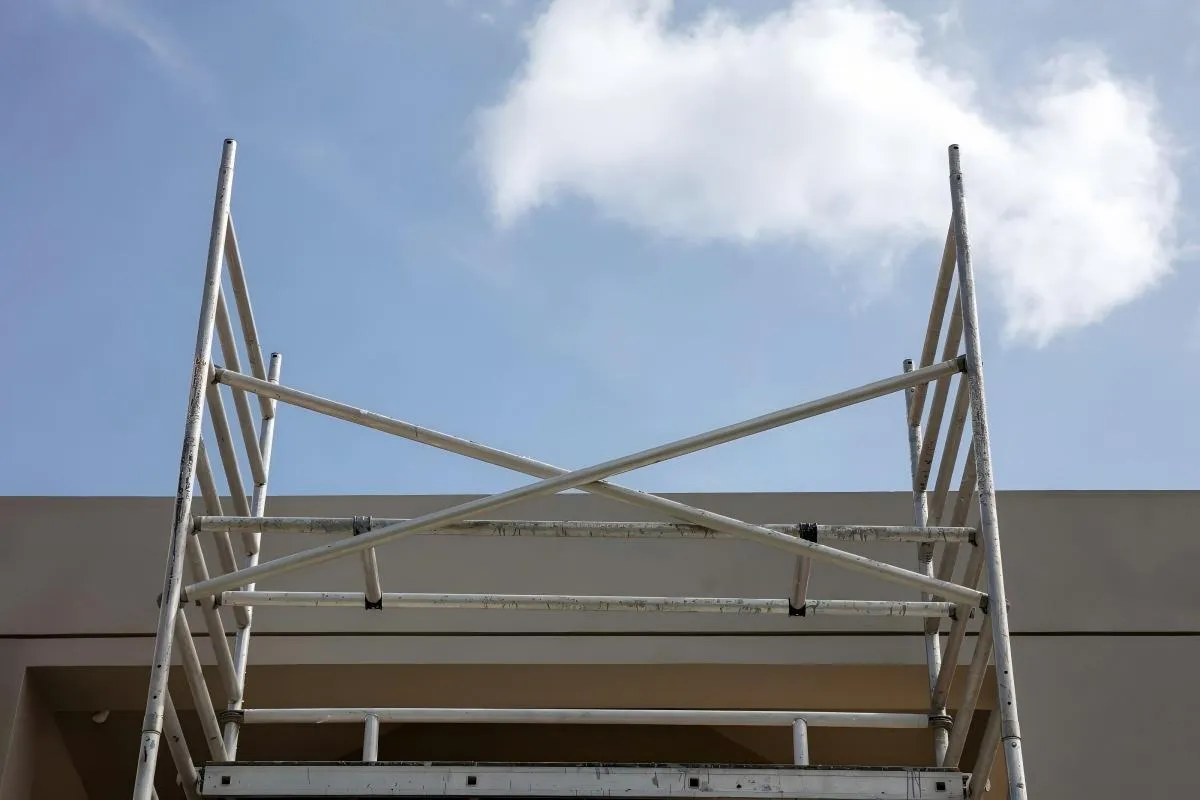
Mobile tower scaffolds are renowned for their robustness and adaptability. Constructed from lightweight yet durable materials, these towers feature multi-level platforms that can be quickly adjusted to different heights. Equipped with locking caster wheels, they allow workers to glide across flat surfaces without the need for constant disassembly. This mobility makes them ideal for maintenance tasks, interior finishing work, and repetitive job site adjustments.
One of the standout benefits of mobile tower scaffolds is their scalability. Standard models often reach heights of 20 to 50 feet, with extension kits available to push even higher. Stabilizing outriggers and integrated guardrails ensure compliance with safety regulations while providing a stable base. Furthermore, the platforms are typically wide enough to accommodate multiple workers and their tools, reducing the need to shuttle supplies up and down ladders.
The setup process is straightforward: place the tower on a level surface, lock the casters, install the outriggers, and climb to the desired platform. Many systems incorporate tool trays and accessory hooks, allowing crews to keep essential equipment within reach. This streamlined design minimizes downtime and maximizes productivity, making mobile tower scaffolds a popular choice for contractors seeking both convenience and reliability.
Folding Frame Scaffolds
Folding frame scaffolds are designed with portability at their core. These units feature hinged frames that collapse flat for compact storage and transport. When deployed, the frames lock into place, creating rigid support for decking plank platforms. Typical heights range from 6 to 20 feet, making them well-suited for smaller projects, such as residential painting or minor repairs.
The primary advantage of folding frame scaffolds lies in their lightweight design. Often weighing less than 100 pounds per section, they can be handled by a single worker, reducing labor costs and the risk of strain injuries. Assembly involves unfolding the frames, securing cross braces, and inserting platform planks—steps that can be completed in under five minutes by a trained operator.
Though not as tall as some tower systems, folding frame scaffolds excel in confined spaces and situations demanding frequent movement. Their low footprint and quick setup make them ideal for interior use, where navigating doorways and hallways is essential. Additionally, many manufacturers offer accessory kits—such as outriggers, guardrails, and ladder attachments—to enhance safety and versatility.
Push-Around Scaffolds
Push-around scaffolds combine the mobility of a tower scaffold with the convenience of a quick-move platform. Featuring a lightweight frame and narrow base, these units can be manually pushed from one work area to another, even with workers on the platform. Typically constructed from aluminum, push-around scaffolds are corrosion-resistant and suitable for both indoor and outdoor applications.
These systems often feature toeboards, guardrails, and non-marking polyurethane wheels that glide smoothly across surfaces. Standard platform heights range from 8 to 15 feet, with optional outriggers for improved stability. Their narrow design allows access through standard doorways and tight corridors, making them popular with contractors performing electrical work, signage installation, and storefront maintenance.
One of the most compelling features of push-around scaffolds is their cost-efficiency. With minimal components and a focus on quick mobility, they require less maintenance and fewer replacement parts than more complex tower systems. This makes them an attractive option for smaller firms and rental fleets seeking versatile, easy-to-handle scaffolding solutions.
Safety Considerations When Using Portable Scaffolding
Ensuring safety on a worksite is paramount when using portable scaffolding systems. A thorough safety plan encompasses proper assembly, regular inspections, and adherence to industry standards. Neglecting these elements can lead to severe accidents, equipment damage, and costly project delays.
Before erecting any portable scaffold, verify that the ground or floor surface is level and capable of supporting the load. Utilize built-in leveling jacks and stabilizing outriggers to maximize balance. Always follow the manufacturer’s instructions for pin placement, locking mechanisms, and guardrail installation. It’s equally important to keep the platform free of debris and obstructions to reduce trip hazards and ensure unobstructed access to tools and materials.
Comparing Portable Scaffolding vs. Traditional Scaffolding
When evaluating scaffolding options, it’s crucial to weigh the advantages of portable scaffolding systems against traditional tube-and-coupler setups. While both serve the same fundamental purpose—providing elevated work platforms—their design philosophies differ significantly.
Traditional scaffolding relies on interlocking tubes and couplers, which offer unmatched flexibility in custom configurations. However, this method is labor-intensive and time-consuming, often requiring a dedicated crew to assemble and disassemble the structure. In contrast, portable scaffolding systems feature modular components and quick-lock fittings that streamline setup. This translates to faster mobilization, fewer labor hours, and reduced project timelines. Moreover, portable systems are typically lighter, making them easier to transport between job sites.
Another differentiator is maintenance. Traditional scaffolding demands regular inspection of tubes, couplers, and boards, as corrosion and wear can compromise integrity. Portable scaffolding systems, often made from aluminum or galvanized steel, require less upkeep and resist rust better. While initial cost per unit may be higher, long-term maintenance savings and enhanced productivity often justify the investment.
Maintenance and Care Tips for Portable Scaffolding Systems
Prolonging the lifespan of portable scaffolding systems hinges on diligent maintenance and proper care. After each use, thoroughly clean platforms and frames to remove dirt, paint splatters, and corrosive materials. Pay special attention to locking mechanisms, caster wheels, and joints—areas prone to buildup and wear. A soft brush and mild detergent can help maintain smooth operation without damaging protective coatings.
Periodically inspect all components for signs of fatigue or damage. Look for bent frames, cracked welds, or stripped threads, and immediately remove any compromised parts from service. Lubricate movable components—such as hinges and locking pins—using a light machine oil to ensure smooth engagement. For caster wheels, clear debris from the treads and swivel bearings, and tighten axle nuts as needed to prevent wobble.
Proper storage is also vital. When not in use, collapse folding frame sections and stack them in a dry, covered area to shield them from moisture and UV exposure. Store caster wheels separately to prevent flattening or damage. If your portable scaffolding systems feature wooden planks, treat or replace them periodically to guard against rot and splintering. Finally, maintain a detailed inspection log to track repairs, replacements, and service intervals, ensuring compliance with safety regulations and manufacturer recommendations.
FAQ
1. What are portable scaffolding systems?
Portable scaffolding systems are mobile access platforms designed to provide a safe and stable working area for construction, maintenance, painting, installation, and repair tasks. These systems can be easily assembled, disassembled, and moved between work locations.
2. What are the main components of portable scaffolding systems?
Typical portable scaffolding systems include:
- Scaffold frames
- Platforms or walk boards
- Guardrails
- Cross braces
- Casters or wheels
- Stabilizers or outriggers
- Access ladders
3. What are the advantages of portable scaffolding systems?
- Easy mobility around the jobsite
- Quick assembly and dismantling
- Improved worker safety
- Reusable and durable design
- Suitable for indoor and outdoor applications
- Cost-effective access solution
4. Where are portable scaffolding systems commonly used?
Portable scaffolding systems are widely used in:
- Building construction
- Painting projects
- Electrical installation
- Facility maintenance
- Warehouse operations
- HVAC servicing
- Industrial inspections
5. What materials are portable scaffolding systems made from?
Most portable scaffolding systems are manufactured from:
- Aluminum
- Galvanized steel
- Powder-coated steel
Aluminum systems are lightweight, while steel systems typically offer higher load capacities.
Conclusion: Embracing the Future of Construction with Portable Scaffolding
Portable scaffolding systems are reshaping the construction landscape, offering unmatched flexibility, safety, and efficiency. Their quick assembly, modular design, and reduced maintenance requirements deliver tangible benefits that traditional scaffolding simply can’t match.
As the industry moves toward faster project delivery and higher safety standards, investing in these versatile platforms is a smart decision. By integrating portable scaffolding systems into your workflow, you’ll enhance productivity, cut costs, and position your business at the forefront of construction innovation.
