


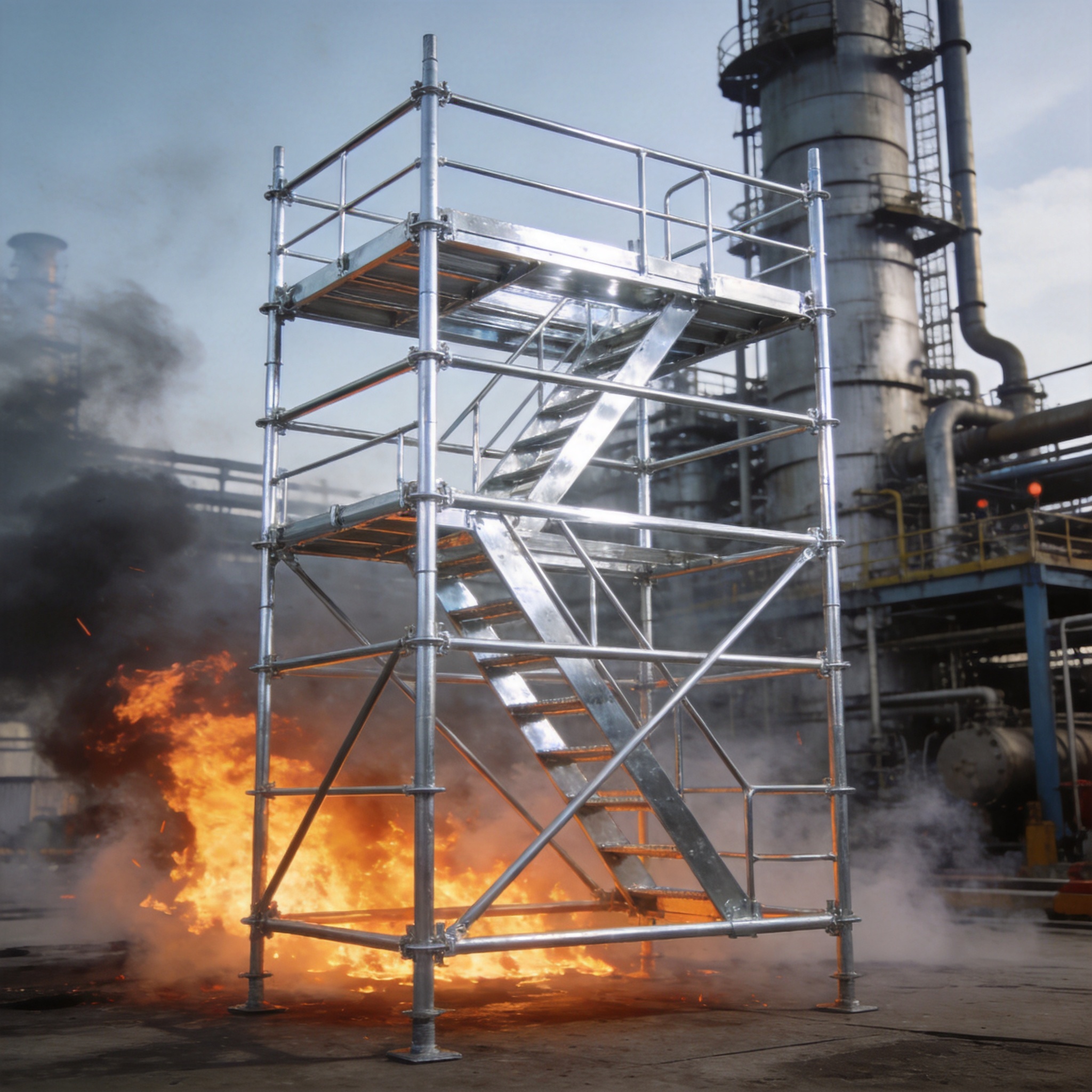


In the dynamic world of construction, ensuring safety and efficiency is not just an option—it’s a necessity. Imagine a construction site where stability and support are paramount, and any compromise could lead to significant delays or, worse, accidents. This is where the unsung heroes of construction gear come into play: frame and brace scaffolding. These sturdy structures not only provide a secure platform for workers but also offer unparalleled flexibility and strength, transforming the way modern construction projects are executed.
Frame and brace scaffolding systems have become the backbone of many construction sites due to their simplicity and robust nature. Whether you’re scaling the heights of a towering skyscraper or performing essential maintenance on a smaller structure, understanding how these frameworks work can dramatically elevate your construction practices. By delving into the intricate details of frame and brace scaffolding, this blog post aims to equip you with the knowledge to optimize your project’s workflow, ensure worker safety, and ultimately, achieve remarkable results in your construction endeavors.
The Basics of Frame and Brace Scaffolding
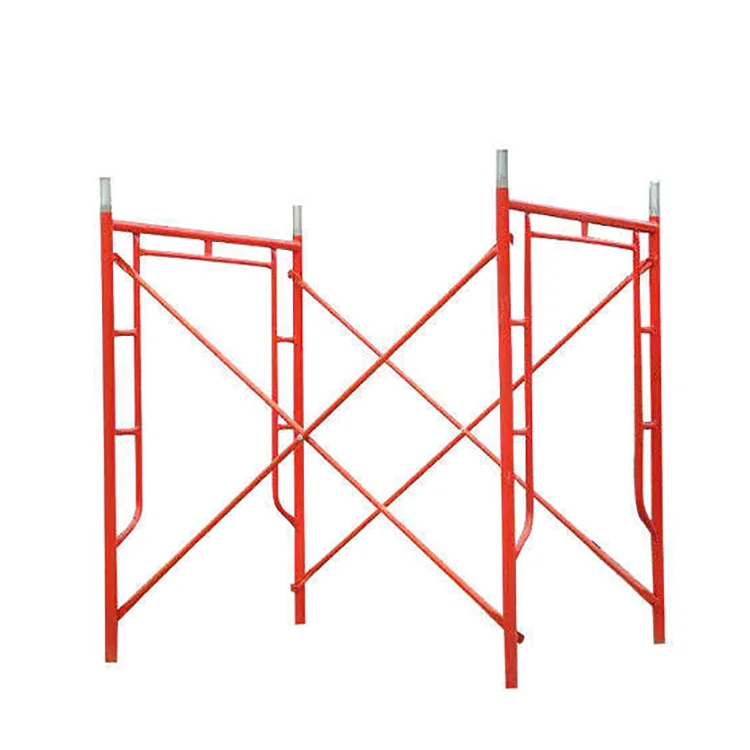
Frame and brace scaffolding represents one of the most straightforward yet reliable scaffolding systems available. At its core, this scaffolding type relies on pre-fabricated welded frames connected vertically by cross braces. The frames form the upright structure, while the braces secure the assembly in place, creating a rigid, stable platform for workers to stand on and move tools and materials. Because the frames interlock easily, assembly and disassembly can be completed quickly, reducing labor time and overall project costs.
One of the greatest advantages of frame and brace scaffolding is its adaptability to various heights and configurations. You can stack frames to reach elevated work areas or adjust the depth of the system to fit narrow spaces, making it ideal for both large-scale commercial builds and intricate renovation projects. Additionally, guardrails, toeboards, and planking decks integrate seamlessly, enhancing worker safety without complex customization. When used correctly, frame and brace scaffolding not only meets regulatory standards but often exceeds them, offering a dependable choice for contractors aiming for maximum productivity and minimal downtime.
Components of Frame and Brace Scaffolding Systems
A robust frame and brace scaffolding system comprises several key components, each playing a critical role. The primary elements are the welded frames—typically constructed from steel or aluminum—which serve as the vertical support. Cross braces connect these frames, ensuring lateral stability and rigidity. Plank decks rest atop horizontal ledgers, offering a solid surface for personnel and equipment. Together, these parts create a cohesive structure capable of handling heavy loads and dynamic site conditions.
Beyond the basic frames and braces, additional components enhance safety and functionality. Base plates or screw jacks adjust for uneven ground, distributing weight and preventing sinking. Guardrails and midrails attach to frame uprights, reducing fall hazards. Couplers, clamps, and specialized connectors allow for extensions, stairwell access, or cantilever configurations. Finally, accessories such as debris nets, toe boards, and ladder attachments ensure compliance with safety regulations and improve workflow by keeping the site clean and accessible.
Types of Frame and Brace Scaffolding Materials
The choice of material in frame and brace scaffolding directly influences performance, durability, and cost. Steel remains the most common option; its high tensile strength and resistance to deformation make it suitable for heavy-duty, long-term projects. Hot-dip galvanized steel adds corrosion resistance, extending service life in outdoor environments. However, steel’s weight can increase transportation and assembly labor costs, particularly on multi-level installations.
Aluminum frames offer a lightweight alternative without sacrificing much strength. Easier to handle and quicker to erect, aluminum scaffolding suits projects with frequent repositioning or where reduced ground pressure is critical. Though aluminum is more expensive upfront, the time savings during assembly and disassembly can offset initial outlays. Timber or composite materials, while less common today, are sometimes used for planking decks. These deck materials provide a non-slip surface and can be replaced easily if damaged, maintaining safety standards throughout a project’s duration.
Maintenance Practices for Frame and Brace Scaffolding
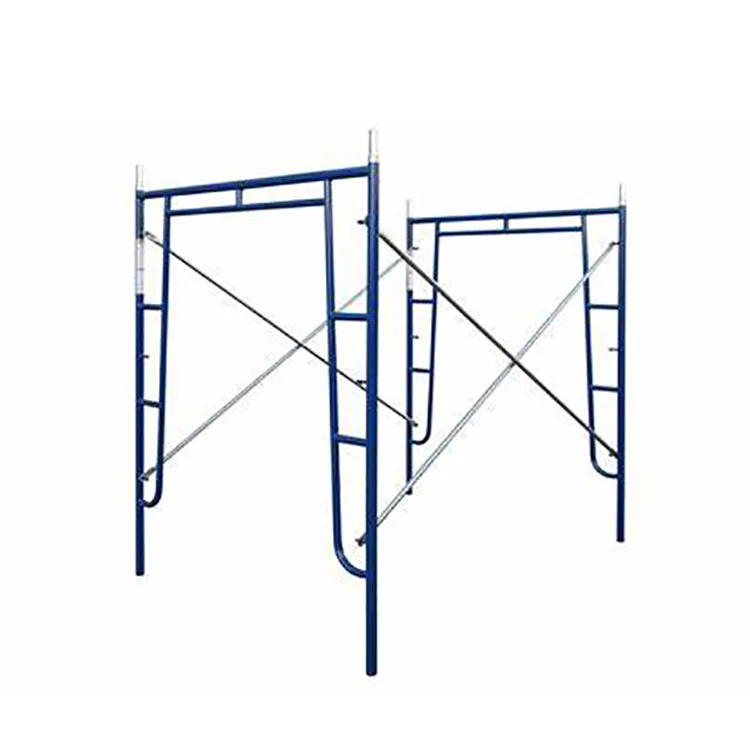
Proper maintenance extends the lifespan of your frame and brace scaffolding and safeguards worker well-being. Begin with routine inspections before each use: check frames for bends or cracks, verify brace integrity, and ensure planks are free of rot or warping. Inspect couplers, pins, and connectors for signs of corrosion or wear. Any damaged component must be tagged out of service and replaced immediately to prevent system failures under load.
Cleaning and lubrication are equally important maintenance steps. Removing debris, mud, or concrete droplets prevents material build-up that could lead to uneven surfaces or rust. Apply a light coat of anti-corrosive spray on steel parts, focusing on weld joints and connectors. After job completion, dismantle the system carefully, stack frames and braces in a dry, well-ventilated storage area, and cover them to protect against moisture. By adhering to a scheduled maintenance program, you ensure that your frame and brace scaffolding remains reliable, compliant, and ready for the next project.
FAQ
1. What is frame and brace scaffolding?
Frame and brace scaffolding is a widely used scaffolding system consisting of welded steel or aluminum frames connected by cross braces to create a stable working platform for construction and maintenance work.
2. What are the main components of frame and brace scaffolding?
The system typically includes:
- Main frames
- Cross braces
- Scaffold planks or platforms
- Base plates or casters
- Guardrails and locking pins
3. What are the advantages of frame and brace scaffolding?
- Easy and fast assembly
- Strong structural stability
- Cost-effective for construction projects
- Suitable for multiple working heights
- Compatible with various accessories and platforms
4. Where is frame and brace scaffolding commonly used?
It is widely used in building construction, exterior wall work, painting, plastering, industrial maintenance, and renovation projects.
5. What materials are used for frame and brace scaffolding?
The system is commonly manufactured from steel or aluminum. Steel provides higher strength and load capacity, while aluminum offers lighter weight and easier mobility.
Conclusion: Maximizing Efficiency and Safety with Frame and Brace Scaffolding
Frame and brace scaffolding offers an optimal balance of simplicity, strength, and versatility for construction professionals. Understanding its basic principles, components, material choices, and maintenance requirements empowers teams to build safe, efficient work platforms.
By integrating best practices—from proper assembly techniques to routine inspections—you can reduce downtime, lower costs, and protect workers at every level. Embrace the proven reliability of frame and brace scaffolding to elevate your next construction endeavor to new heights of productivity and safety.
