
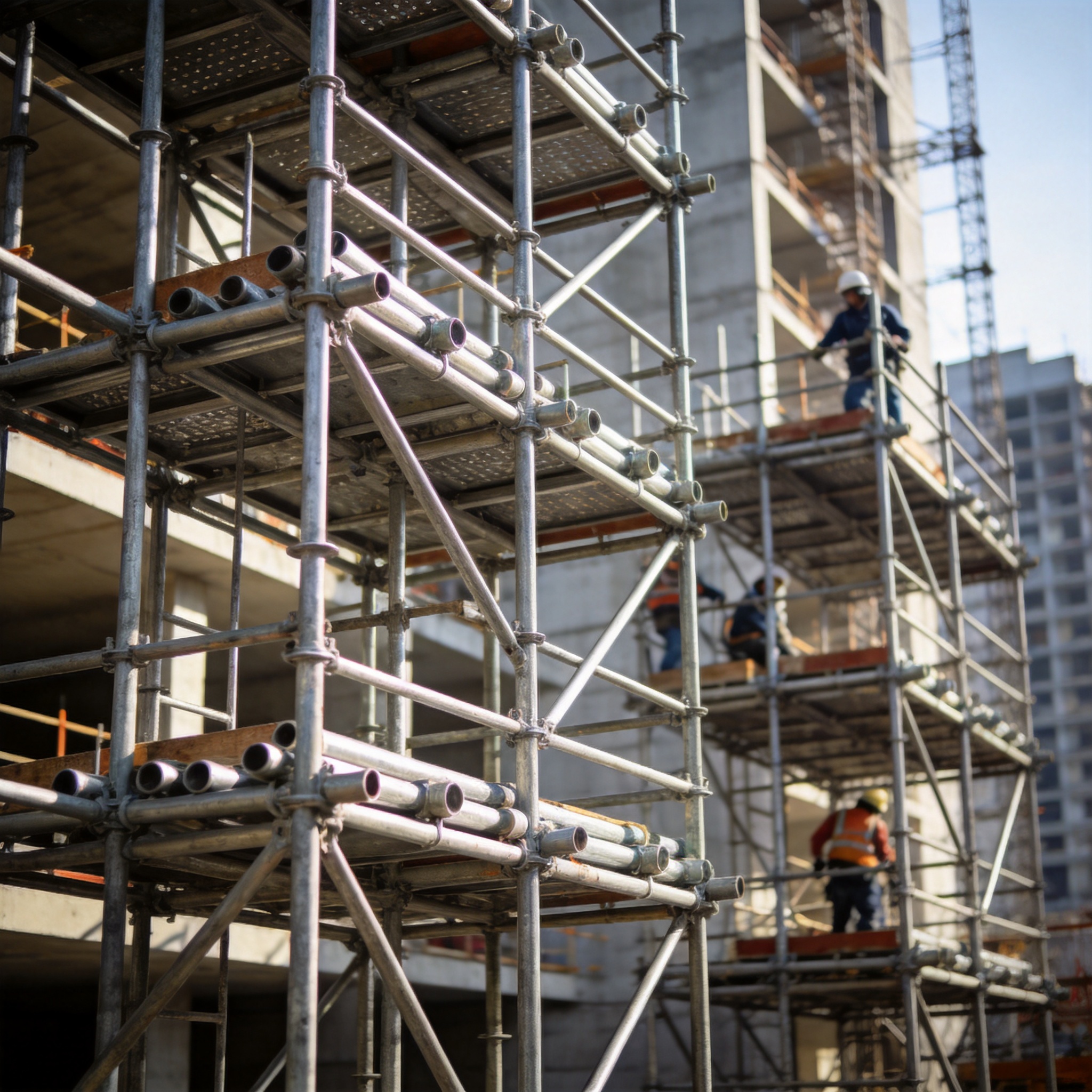
Imagine embarking on the journey of constructing a towering skyscraper, where each stage of development stands as a testament to precision and safety. In such monumental projects, one of the unsung heroes that effortlessly carries the weight of the world is steel scaffolding. Favoured by builders and architects alike, steel scaffolding is not just a supporting structure; it’s the backbone that ensures every beam is perfectly placed and every worker is secure. Its unmatched strength and durability make it an indispensable part of modern construction, promising both reliability and resilience in even the most demanding environments.
Beyond its physical strength, steel scaffolding symbolizes progress and innovation. As construction sites continue to evolve with technological advances, the role of scaffolding has become increasingly sophisticated. It adapts seamlessly to various architectural designs, offering flexibility without compromising on safety. Steel scaffolding’s ability to withstand harsh weather conditions and heavy loads provides peace of mind to both engineers and workers, enabling them to push the boundaries of what’s possible in construction. Dive into the myriad advantages of this essential construction component and discover how it lays the groundwork for some of the most impressive structures in the world.

The Strength of Steel Scaffolding in Construction
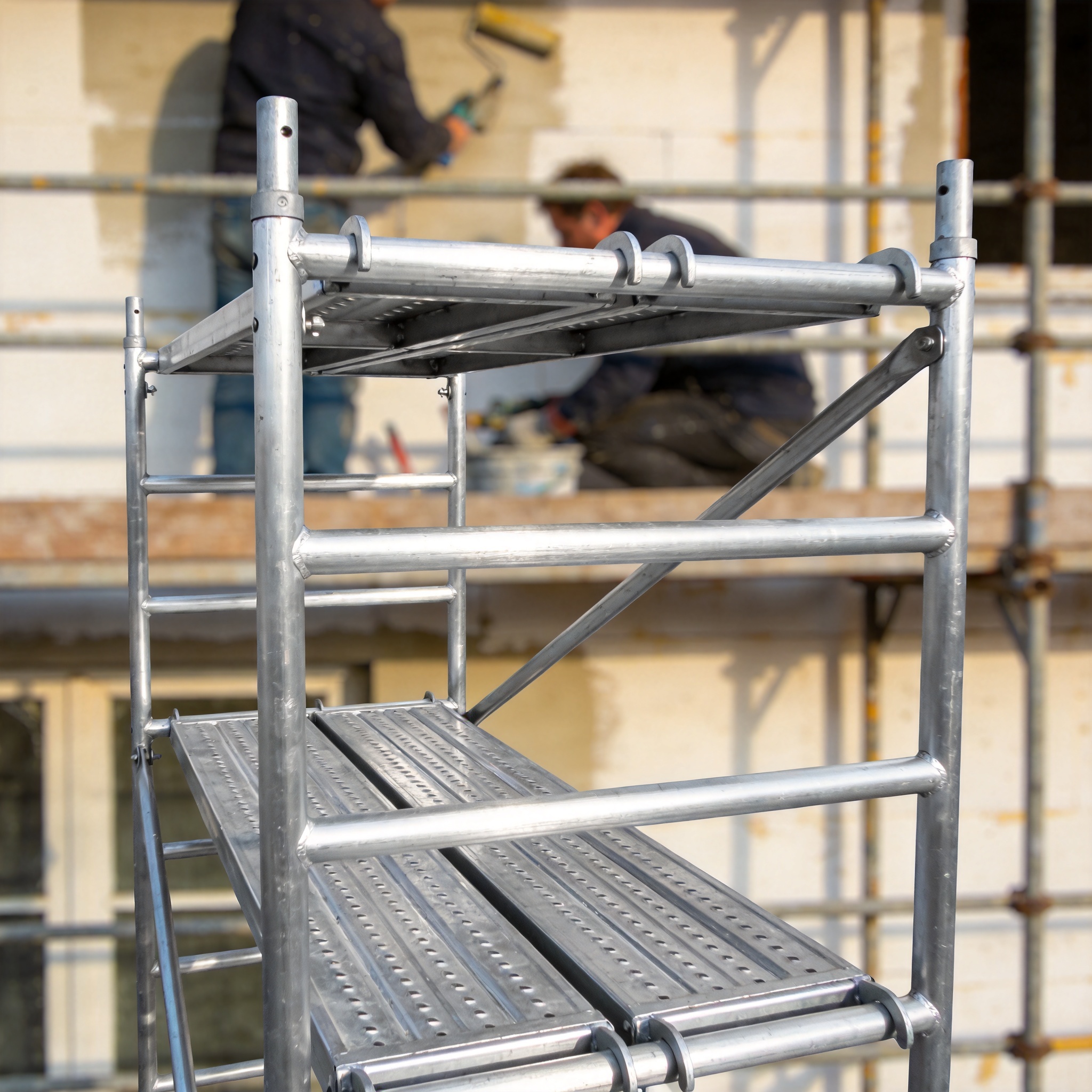
When it comes to supporting complex construction projects, strength is non-negotiable—and that’s where steel scaffolding truly excels. Unlike other materials such as wood or aluminum, steel boasts a high tensile strength that remains consistent under stress. This rigidity ensures that platforms remain stable and do not flex or buckle, even when subjected to dynamic loads like wind gusts or shifting equipment. By using steel scaffolding, construction teams create a reliable framework for building façades, roofing systems, or high-rise floors, significantly reducing the risk of accidents and downtime.
Moreover, steel’s innate resistance to wear and deformation means that even after repeated assembly and disassembly, the integrity of each component is preserved. This resilience translates to safer work environments, as the chance of component failure due to metal fatigue is minimal. In scenarios where heavy-duty working conditions prevail—such as industrial refineries, bridge construction, or large-scale infrastructure projects—the superior strength of steel scaffolding provides unparalleled assurance. Contractors can confidently plan multi-level work zones knowing that the scaffolding will hold firm, ensuring both worker safety and project continuity.
Durability: A Long-lasting Support System
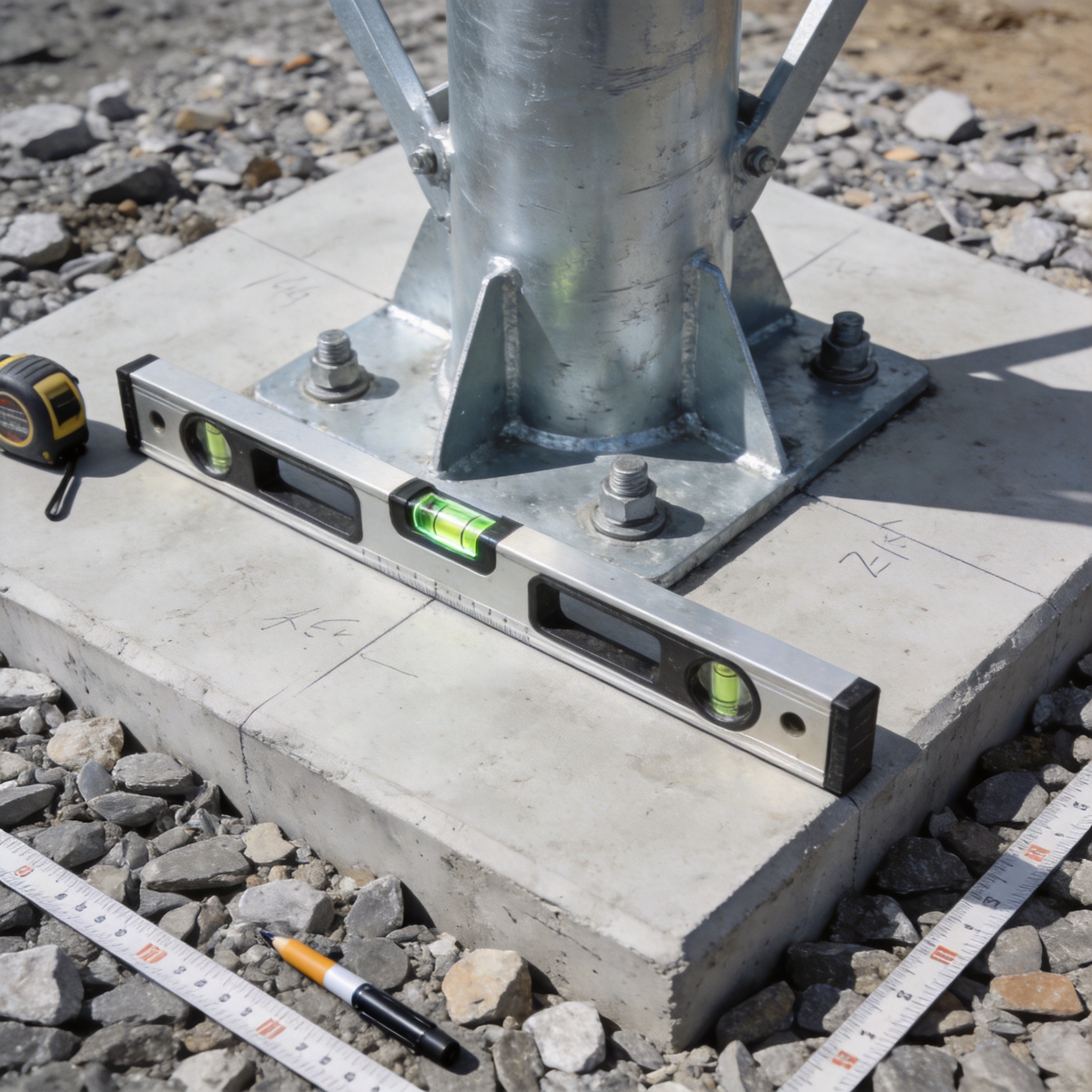
Durability is a cornerstone benefit of steel scaffolding. Unlike wooden or plastic alternatives, which can degrade when exposed to moisture, pests, or UV radiation, steel components retain their structural integrity over time. High-quality steel scaffolding is often galvanized or powder-coated, offering additional protection against rust and corrosion. This means that even in humid or coastal environments, where exposure to salt air can accelerate degradation, steel scaffolding remains robust and reliable.
In practical terms, this long-term durability translates into significant cost savings. Construction firms can reuse the same steel scaffolding across multiple projects and seasons, reducing the need for constant replacement or repair. Maintenance routines are streamlined, as periodic inspections and minor touch-ups suffice to keep the equipment in prime condition. Furthermore, with proper storage and handling, steel scaffolding can remain in service for decades, delivering an excellent return on investment and minimizing waste generation in the construction industry.
Flexibility in Design: Adapting to Architectural Variations
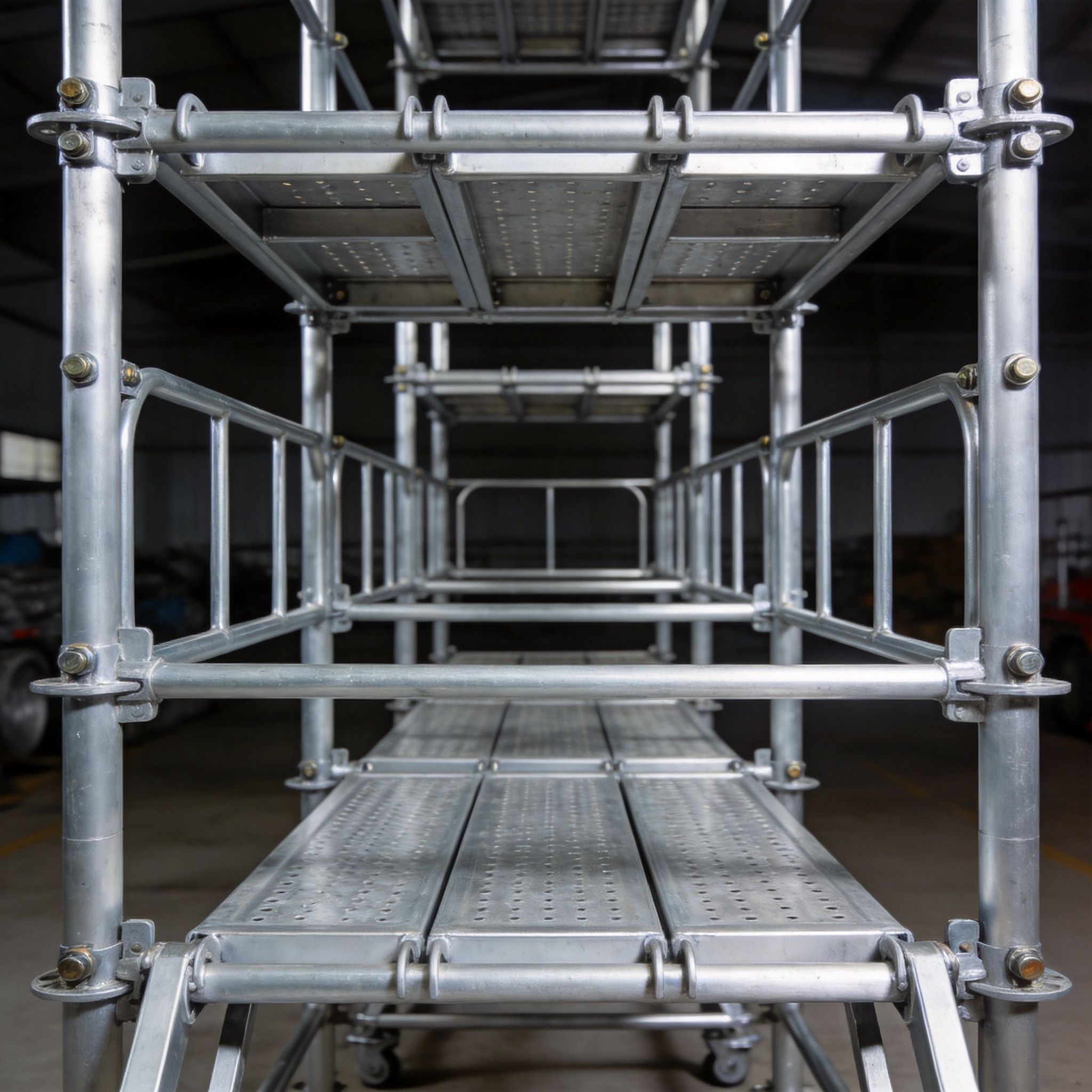
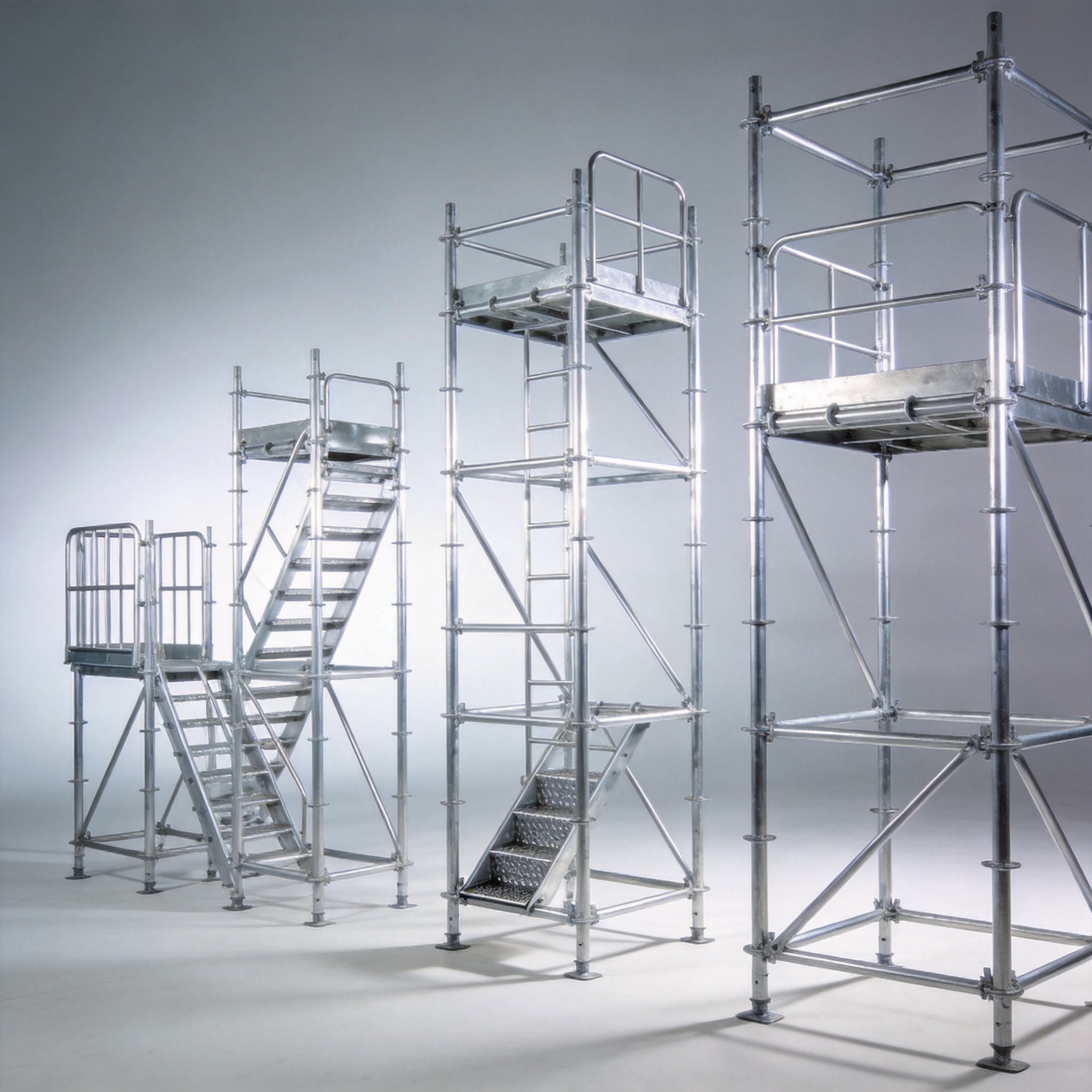
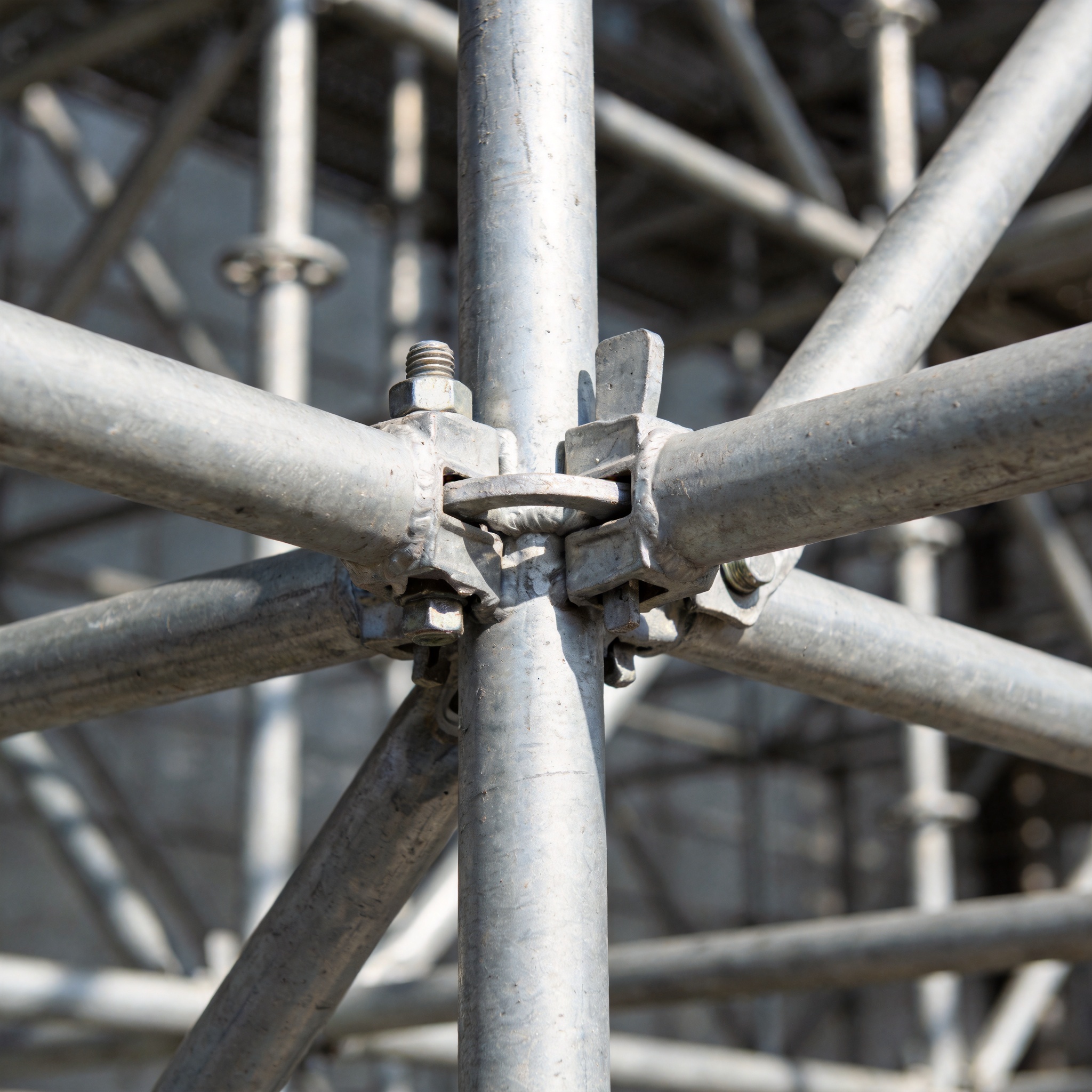
One of the standout advantages of steel scaffolding is its versatile modular design. Components such as standards, ledgers, transoms, and brackets interlock seamlessly, allowing for quick configuration changes on site. This adaptability is crucial when working on buildings with irregular shapes, varying heights, or intricate façades. Steel scaffolding systems can be adjusted in height, width, and angle, ensuring that every nook and cranny is accessible for tasks ranging from bricklaying to window installation.
Compatibility with additional accessories further enhances design flexibility. Platforms, stair towers, guardrails, and hoists can be integrated into a basic steel scaffolding layout to meet specific project requirements. Whether erecting around curved walls, bridging over obstacles, or creating overhangs, steel scaffolding’s modularity guarantees that builders maintain both efficiency and safety, regardless of the architectural complexities they face.
Load-Bearing Capacity: Supporting Heavy Loads Safely
In heavy construction environments, the capacity to bear substantial weight is a critical requirement. Steel scaffolding shines in this regard, with a load-bearing capability that surpasses many alternative materials. Each steel tube and coupling is engineered to distribute loads evenly, preventing localized stress points that could lead to bending or collapse. This allows workers to use heavy equipment, materials, and tools directly on the scaffolding platform without fear of structural failure.
Manufacturers rigorously test steel scaffolding to meet international standards such as EN 12811-1 and ANSI/SIA A10.8. These certifications ensure that the system can sustain safe working loads, often ranging from 200 to 800 kilograms per bay, depending on the configuration. Additionally, steel scaffolding can accommodate dynamic loads—such as moving equipment or shifting personnel—while maintaining stability. For large-scale projects like stadiums, power plants, or multi-story office buildings, this robust load-bearing capacity is indispensable for keeping work progressing smoothly and safely.
Sustainability in Construction: Eco-Friendly Practices with Steel
In an era where sustainable building practices are paramount, steel scaffolding contributes to a greener construction footprint. Steel is 100% recyclable, and most scaffolding components are crafted from recycled steel, reducing the demand for virgin resources. At the end of their service life, old scaffolding tubes and fittings can be melted down and reused in new steel products, fostering a circular economy within the industry.
Moreover, the longevity and reusability of steel scaffolding mean fewer materials are consumed over time. Whereas timber scaffolding may require replacement after a few seasons, steel systems endure for decades with minimal maintenance. This durability reduces waste and the environmental impact associated with manufacturing, transporting, and disposing of scaffold components. By choosing steel scaffolding, construction firms embrace both safety and sustainability, aligning with green building certifications such as LEED and BREEAM.
Conclusion: The Crucial Role of Scaffolding
Steel scaffolding stands as a testament to modern engineering—combining strength, durability, flexibility, and sustainability in one indispensable system. Its exceptional load-bearing capacity and resistance to environmental stressors make it the preferred choice for projects of any scale, from residential refurbishments to landmark skyscrapers.
By investing in steel scaffolding, construction teams ensure safer work environments, cost-effective operations, and reduced ecological impact. As the backbone of countless structures, steel scaffolding not only supports today’s builds but also paves the way for tomorrow’s architectural achievements.
