


Scaffolding is an essential part of the construction industry. It is necessary for building structures safely and efficiently. Many construction workers pursue scaffolding certification to improve their skills and increase their opportunities for employment in safety-focused environments.
Preparing the construction workforce to meet future site challenges starts with proper training in scaffold systems and becoming a certified scaffolder. At Access Training Academy, scaffolding training courses teach students how to design, construct, and dismantle scaffold systems in a variety of situations. With the correct skills gained through scaffolding training, workers can apply their knowledge on-site to ensure that all structures are built safely and to a high standard.
This is the goal of scaffolding certification programs: to equip future generations of builders with the best possible scaffolding skills to tackle upcoming construction projects. Read on to learn more about the scaffolding courses available and how they can benefit those working in the construction industry.

Importance of Scaffolding Certification in the Construction Industry
Scaffolding certification plays a vital role in ensuring construction projects are completed safely and efficiently. A certified scaffolder is someone companies and project managers can rely on to erect scaffolding in compliance with safety regulations and industry standards.
Different regions have safety councils and construction authorities that recognize approved scaffolding training providers. As a result, scaffolding training must meet the requirements established by these authorities. In many cases, certified scaffolding training is essential for anyone who wants to work on construction sites in the future.
For companies and workplace safety authorities, recognized scaffolding certification is more than a standard qualification. It demonstrates that workers understand proper safety procedures and can apply them effectively on-site.
The scaffolding certification course first introduces students to scaffolding systems and the construction industry. Students then learn how to erect and dismantle scaffolding safely and correctly. During the course, trainees also learn how to inspect scaffolding for damage, evaluate safe working loads, and assess structures under different weather conditions.
Certification programs provide valuable hands-on experience in setting up scaffolding safely. Students also learn how to identify and solve potential problems that could lead to scaffold failure. With this knowledge, certified scaffolders can help reduce workplace accidents while improving efficiency and productivity on-site.
The scaffolding certification process creates a safer working environment for both workers and those around them. Through refresher courses and recertification programs, scaffolders stay updated on advances in scaffold components, fastening systems, and both traditional and digital inspection methods.
Certified scaffolders can apply this updated knowledge in the workplace and help their teams follow consistent safety practices. Continuing education also benefits both employees and employers through improved project efficiency, reduced insurance costs, and a stronger industry reputation.
Steps to Obtain Scaffolding Certification
Scaffold training providers offer programs that cover scaffold erection, inspection, and refurbishment. Before enrolling, it is important to research the training provider and confirm that they are reputable and accredited by recognized safety councils or construction authorities within your region.
Prospective students should review the prerequisites for each scaffolding course. Many training providers require applicants to have a high school diploma, vocational training, or relevant work experience in related trades such as carpentry or bricklaying.
Scaffolding certification programs vary in length. Some programs last only a few days and cover scaffold components and basic assembly methods. Others may continue for several weeks and provide more comprehensive instruction.
Training formats also vary. Some scaffolding courses are delivered primarily online, while others combine online learning with practical, hands-on scaffold training. Even in online programs, supervised scaffold assembly practice is essential to ensure students gain practical experience.
Completing the training course is only the first step toward becoming a certified scaffolder. Candidates must typically pass two assessments in order to receive certification.
The first assessment is a written examination covering scaffold components, industry regulations, and safety procedures. The second assessment is a practical test in which candidates demonstrate how to erect, modify, and dismantle scaffolding using different scaffold systems and components.
After successfully passing both assessments, candidates receive a scaffolding certification card. This certification is generally valid for two to three years and can usually be renewed through refresher courses or additional on-site scaffolding experience.
Benefits of Being a Certified Scaffolder

Obtaining scaffolding certification can significantly increase earning potential. As scaffolders gain experience, their skills become more valuable to employers, allowing them to command higher wages.
Certified scaffolders also help reduce liability risks for construction companies. As workplace safety becomes an increasingly important priority, employers prefer to hire workers who have recognized scaffolding certification and proven safety knowledge.
Because certified scaffolders are in high demand, they often receive more job opportunities, additional overtime work, and future opportunities to move into supervisory or inspection roles.
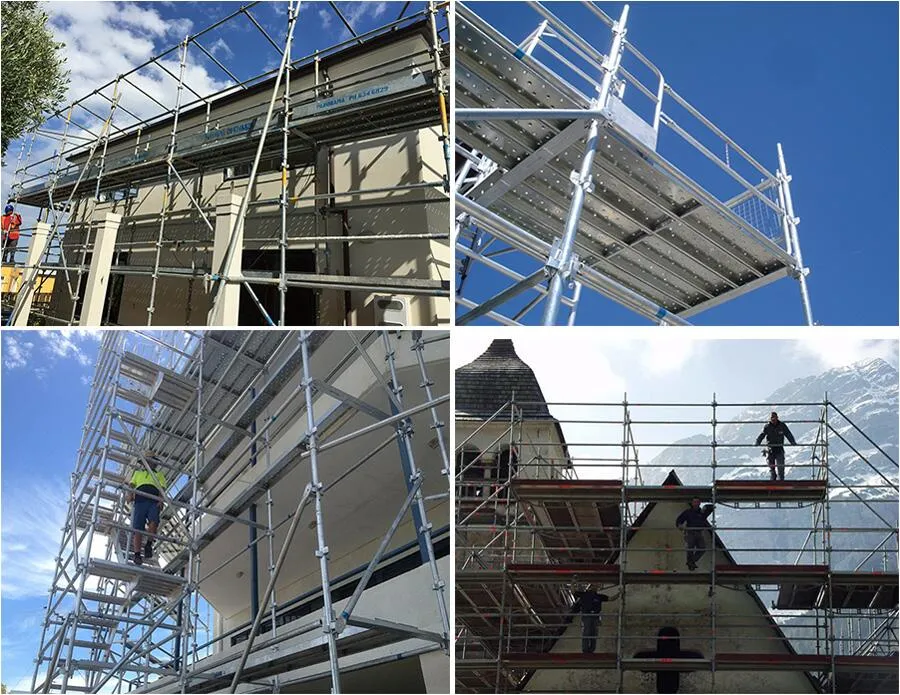
After completing scaffolding certification, workers can participate in a wide range of projects, including high-rise commercial scaffolding, heritage restoration scaffolding, residential scaffolding, and industrial scaffolding projects.
Certification makes scaffolders more versatile and competitive in the job market. It also improves opportunities for promotion into supervisory or inspection positions within construction companies.
In addition to career benefits, many scaffolders experience a strong sense of personal achievement after becoming certified. Certified scaffolders develop valuable skills in risk assessment, emergency response, scaffold planning, and safe scaffold erection.
These skills build confidence when working on construction sites. Certified scaffolders are also often trusted to lead teams and guide less experienced workers. Many take pride in safely constructing and dismantling structures while following proper procedures and industry standards.
Because of their knowledge and experience, certified scaffolders are often involved in workplace safety committees and site audits. Site audits help identify hazards and prevent accidents or injuries before they occur.
By completing scaffolding certification, workers can feel confident knowing they possess the skills needed to build structures safely and professionally while contributing to a safer work environment for everyone on-site.
Advanced Techniques in Scaffolding
After completing scaffolding certification training, scaffolders gain access to advanced techniques that improve both safety and efficiency during scaffold erection.
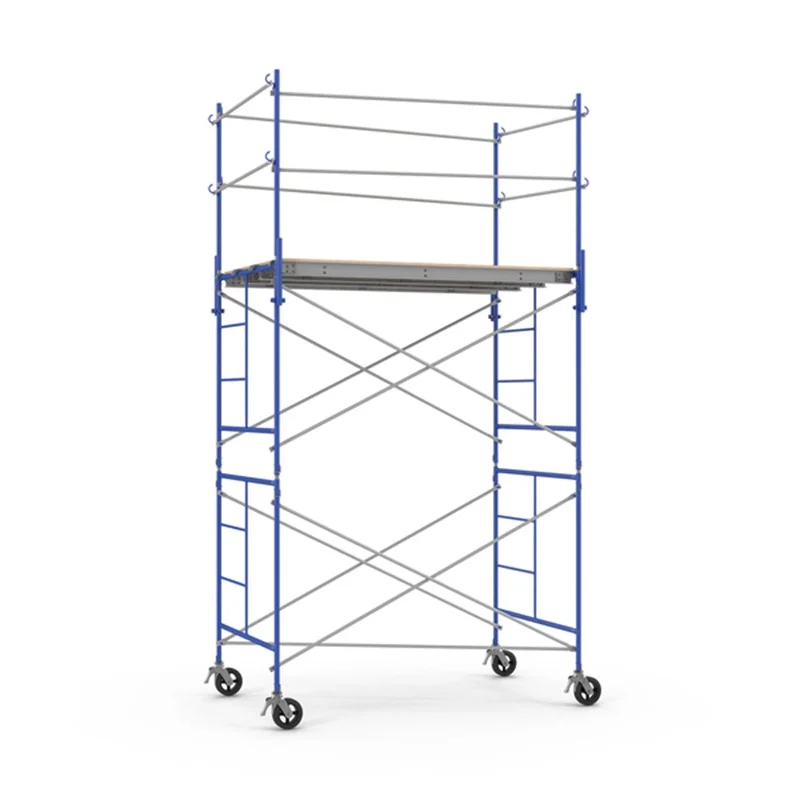
There are many types of scaffolding systems available today, each designed for specific applications. Understanding how different systems work and how they can be assembled efficiently can save considerable time and labor.
Over the years, numerous scaffolding techniques have been developed to improve workplace safety and construction efficiency. Experienced scaffolders often develop creative solutions that allow projects to be completed faster while using fewer materials.
Reducing material usage not only lowers costs but also minimizes waste generated during scaffold construction. Many certified scaffolders also enjoy sharing their knowledge and techniques with others, helping create safer and more productive work environments.
Modern technology has also transformed scaffold inspection and monitoring. Today, scaffold inspections can be completed using smartphone applications or drones that identify wear, stress, and damage to scaffold components.
These technologies can quickly detect issues such as overloaded platforms or excessive stress on joints. They also allow inspection reports and documentation to be shared instantly with clients, contractors, and regulatory authorities.
Advanced modular scaffolding systems have also been designed for specialized tasks. Some systems are ideal for temporary roofing structures, while others are specifically developed for painting, decorating, or industrial maintenance work.
These modular systems help improve efficiency, reduce installation time, and lower material costs. They also reduce construction waste during scaffold assembly and dismantling.
Modern scaffolding is also available in a variety of materials suited to different project requirements. Lightweight materials are easy to transport between job sites, making them ideal for mobile crews.
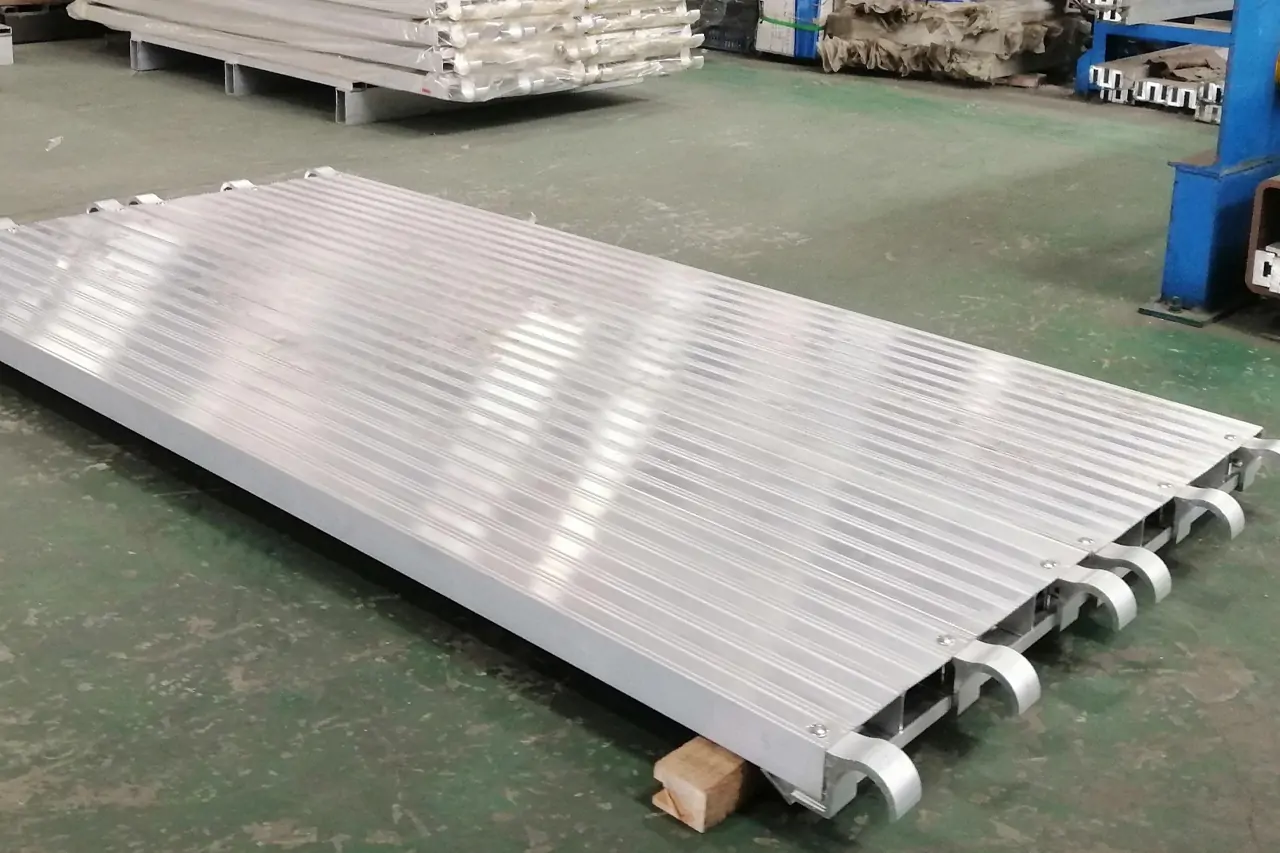
Aluminum scaffolding is highly durable and resistant to harsh weather conditions, making it suitable for long-term use. Composite materials offer strong corrosion resistance, helping extend the lifespan of scaffolding systems and reducing long-term replacement costs.
By selecting the right materials for each project, scaffolders can improve performance, durability, and overall cost efficiency.
Conclusion: The Future of Scaffolding Certification
As construction projects continue to grow in size and complexity, the demand for skilled and competent scaffolders will continue to increase. Future regulations, safety practices, and scaffold technologies will continue to evolve alongside the industry.
To remain successful, scaffolders must continue learning throughout their careers. Staying updated on the latest developments in scaffold design, materials, and safety practices will help workers remain competitive and become leaders within the scaffolding industry.
Maintaining certification and pursuing advanced training demonstrates professionalism, commitment to safety, and dedication to innovation. These qualities will help scaffolders build successful long-term careers while contributing to safer and more efficient construction projects.
The next generation of scaffolders will play an important role in shaping the future of the construction industry. By investing in scaffolding certification and continuous skill development, workers can prepare themselves to meet future challenges with confidence, professionalism, and expertise.
