
Imagine overseeing a construction project that stands as a testament to precision and innovation, yet one small oversight could bring it all tumbling down. The unsung hero ensuring that skyscrapers reach the clouds and humble homes stand sturdy? Scaffolding parts. They may not steal the spotlight, but these components are the backbone of any successful building endeavor. Their importance stretches far beyond mere support; they form the foundational framework empowering workers to achieve architectural marvels safely and efficiently.
In the world of construction, understanding the intricacies of scaffolding parts is akin to possessing a secret blueprint. A single loose bolt or misplaced plank could spell disaster, turning dreams into debris. Whether you’re a seasoned professional or an enthusiastic DIYer, mastering the essential pieces of scaffolding equips you with the knowledge to build confidently, ensuring every beam and board aligns just right. Embark on this journey through nuts, bolts, and beams to discover how the right scaffolding parts transform blueprints from paper to reality.

Types of Scaffolding Systems
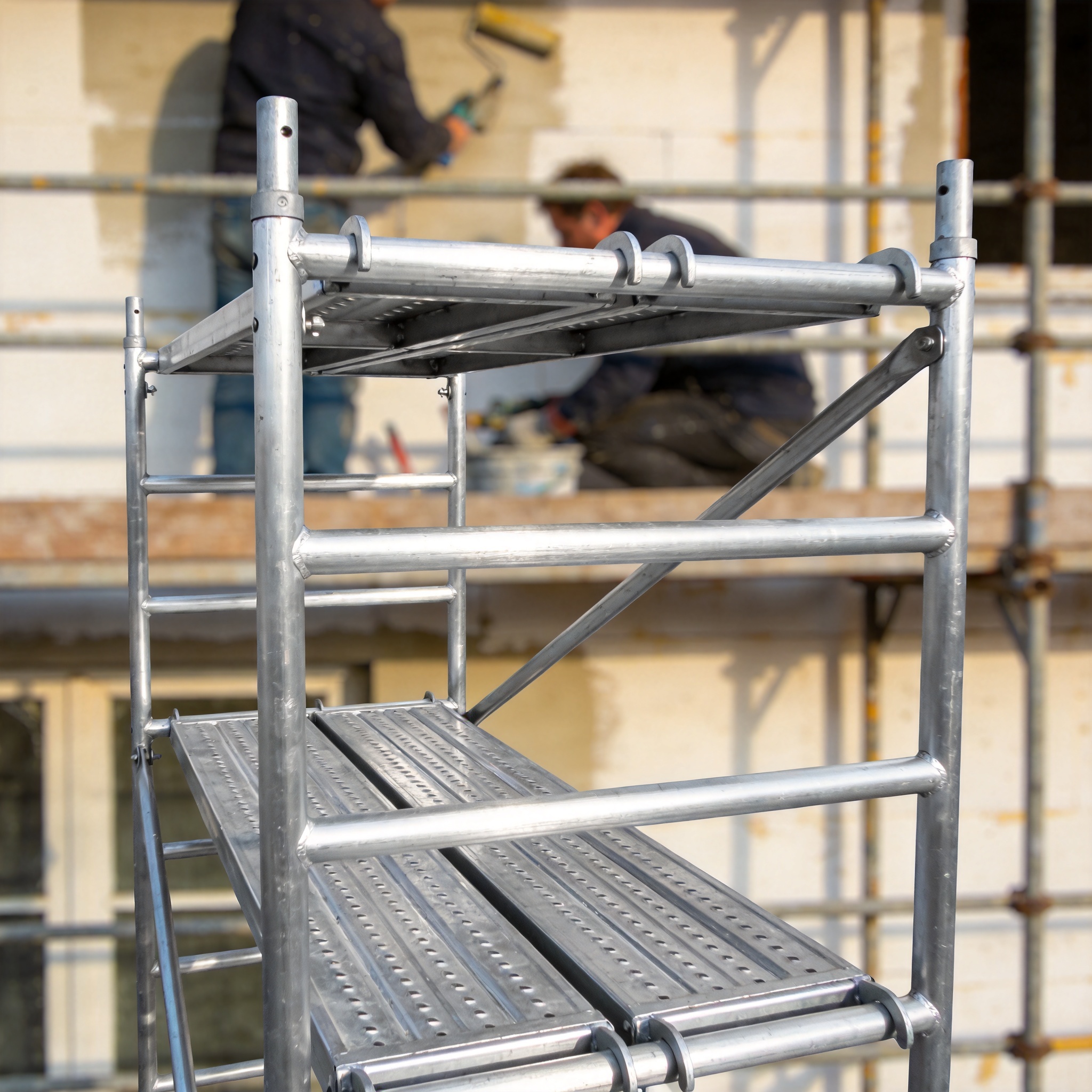
Scaffolding systems vary widely to accommodate diverse construction needs, from simple residential repairs to towering commercial projects. Supported scaffolds, the most common type, consist of platforms supported by rigid, load-bearing members such as poles, legs, frames, and outriggers. Suspended scaffolds, by contrast, hang from roof beams or overhead structures, allowing workers to access high façades and bridges without erecting ground supports. Rolling or mobile scaffolds mount on casters, enabling quick relocation across a worksite for tasks like painting or light maintenance. Each of these scaffolding systems relies on an array of scaffolding parts—standards, ledgers, transoms, and couplers—to maintain stability and safety under load.
Beyond these basic configurations, specialized systems like cantilever scaffolds extend outwards to bypass obstacles, while birdcage scaffolds create a multi-level platform ideal for ceiling work and interior finishings. System scaffolding (often called modular scaffolding) employs precast components designed to lock together in predictable patterns, speeding up assembly and disassembly. Tube-and-coupler scaffolds remain popular for one-off or irregular structures, offering flexibility at the cost of longer setup times. Regardless of type, each scaffold system depends on quality scaffolding parts to hold up against weight, weather, and wear—making informed selection and proper installation crucial for every project.
Common Scaffolding Parts and Components
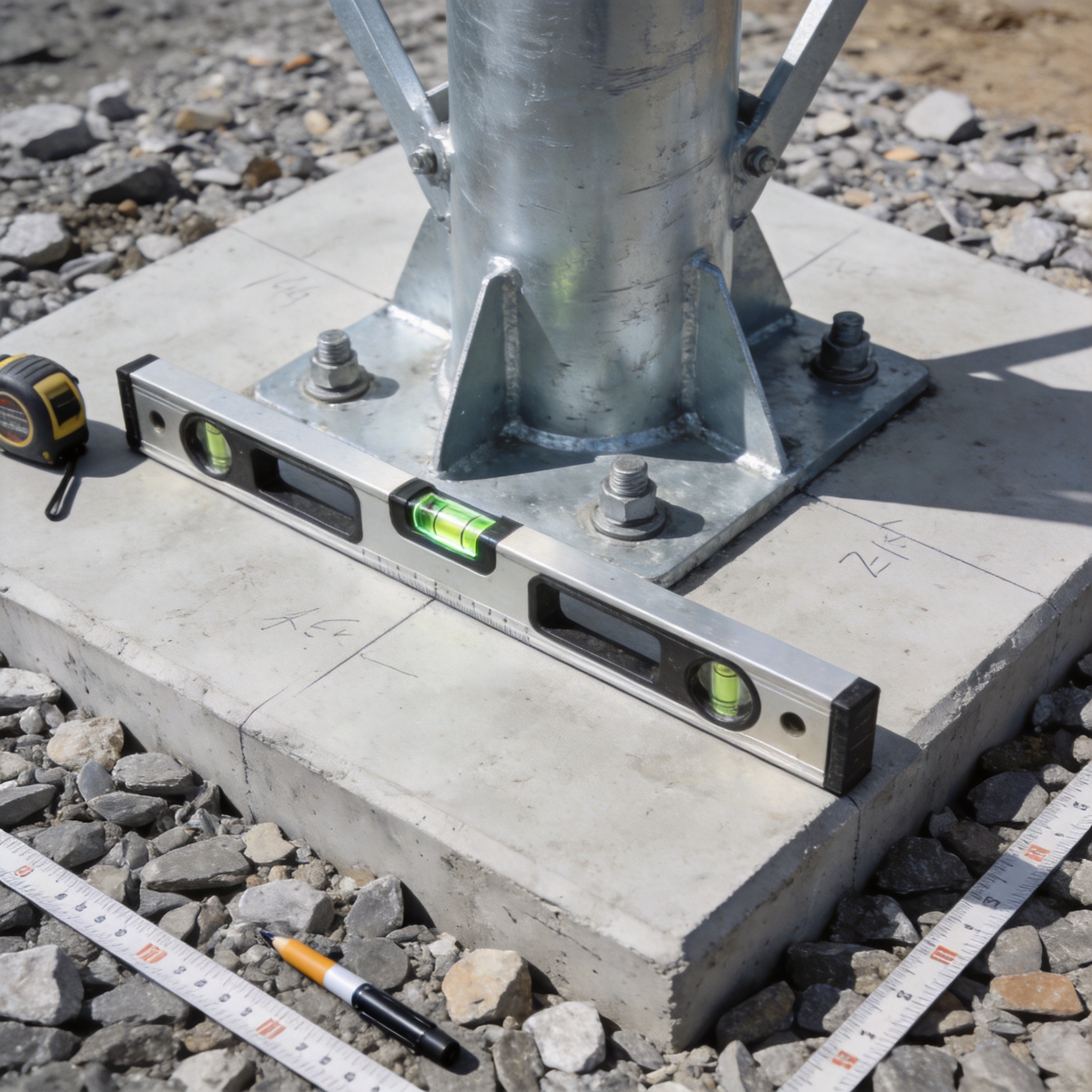
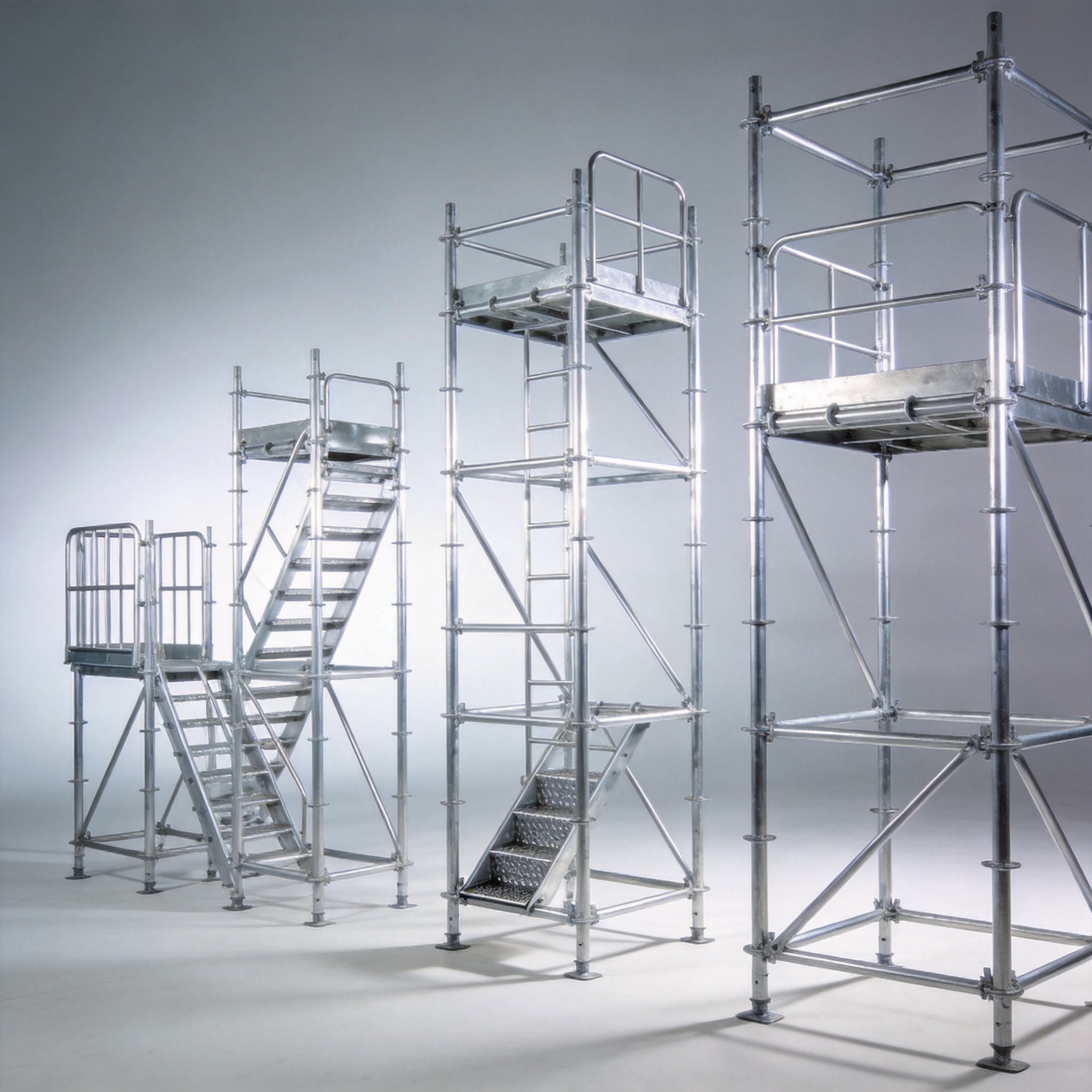
At the heart of every scaffold lies a collection of essential parts and components that, when combined correctly, create a safe working environment. The vertical tubes—known as standards or uprights—carry the majority of the load, while horizontal tubes called ledgers tie the framework together. Transoms, placed perpendicular to ledgers, support the platform boards and distribute weight evenly across the structure. Base plates or screw jacks anchor standards to the ground, allowing for adjustments and leveling on uneven surfaces.
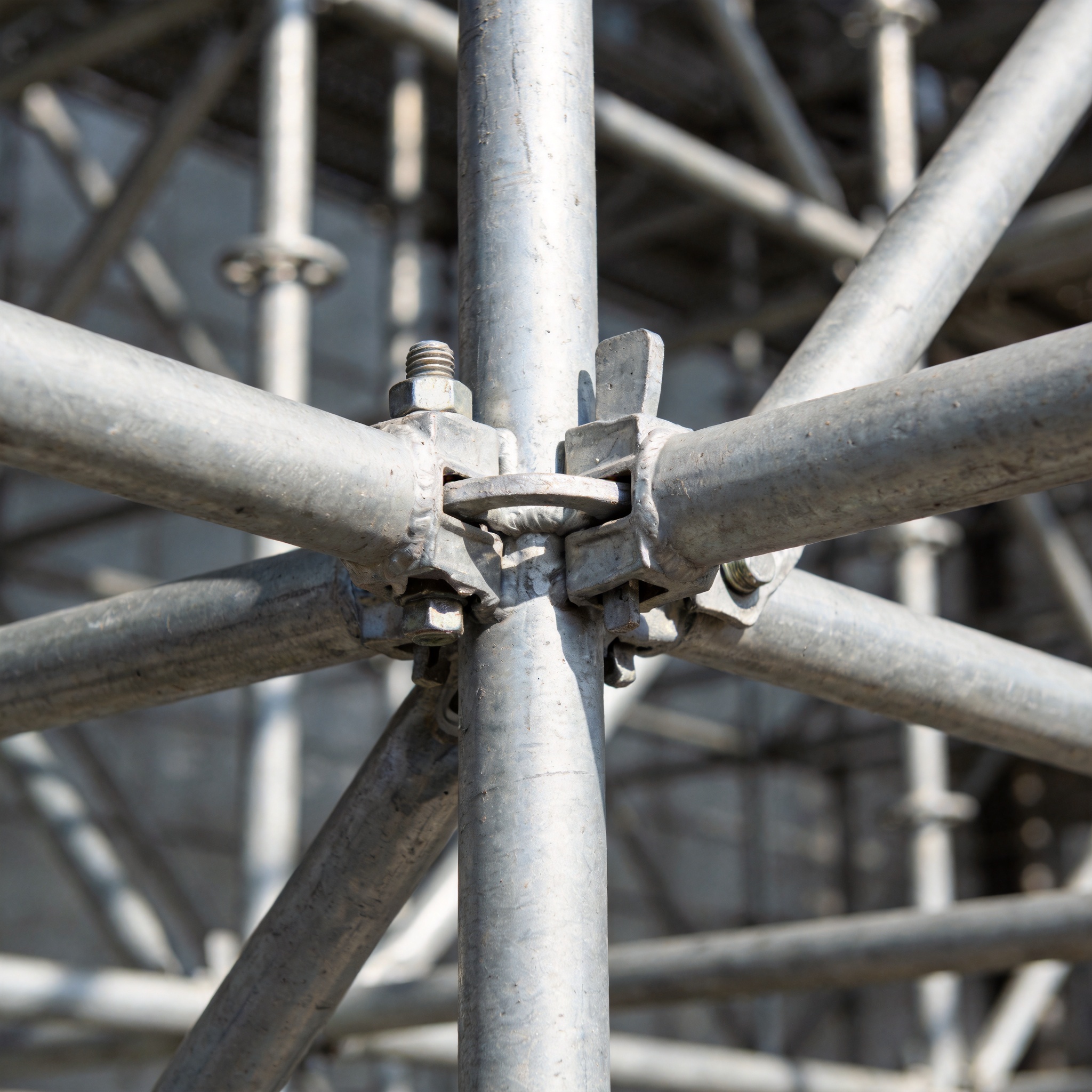
Beyond these primary elements, couplers (right-angle, swivel, and sleeve types) lock tubes into rigid configurations, ensuring stability. Guardrails and toe boards enhance worker safety by preventing falls and tools from slipping off edges. Diagonal braces reinforce the scaffold against lateral forces such as wind, while access ladders and stair units grant safe entry and exit between levels. Each of these scaffolding parts must meet load-bearing specifications, corrosion resistance standards, and compatibility requirements. Choosing the correct grade of steel or aluminum for components—alongside regular checks for damage—ensures that your scaffold performs reliably throughout the project’s duration.
The Role of Frames and Braces in Scaffolding
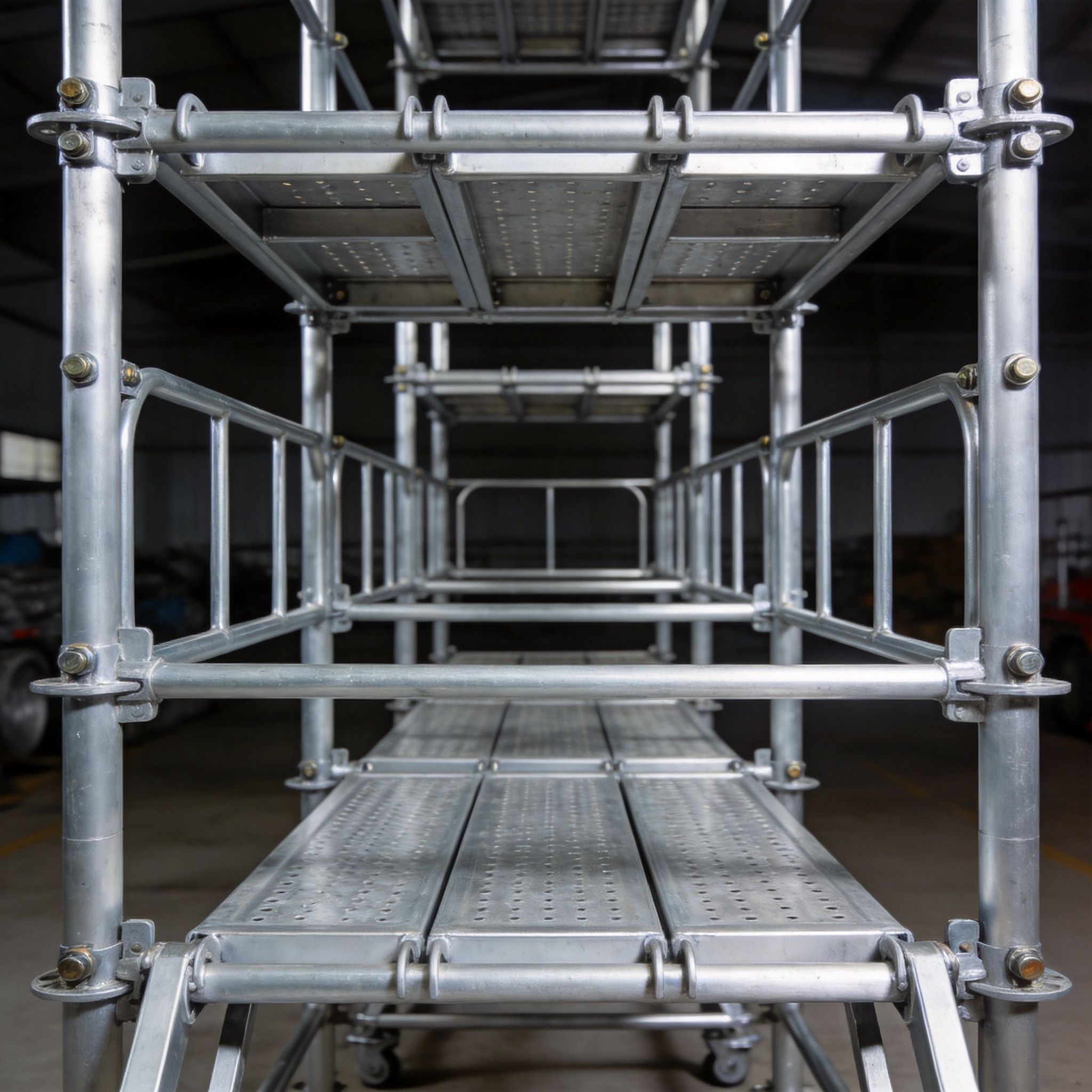
Frames and braces serve as the skeleton of any scaffold, providing its essential strength and rigidity. Frames—pre-constructed rectangular sections of metal tubing—simplify assembly by eliminating the need for individual couplers and ledgers at every connection point. These modular frames come in various heights and widths, accommodating different platform levels and load capacities. When stacked and locked together, they create a stable vertical structure ready to support the platform and workers above.
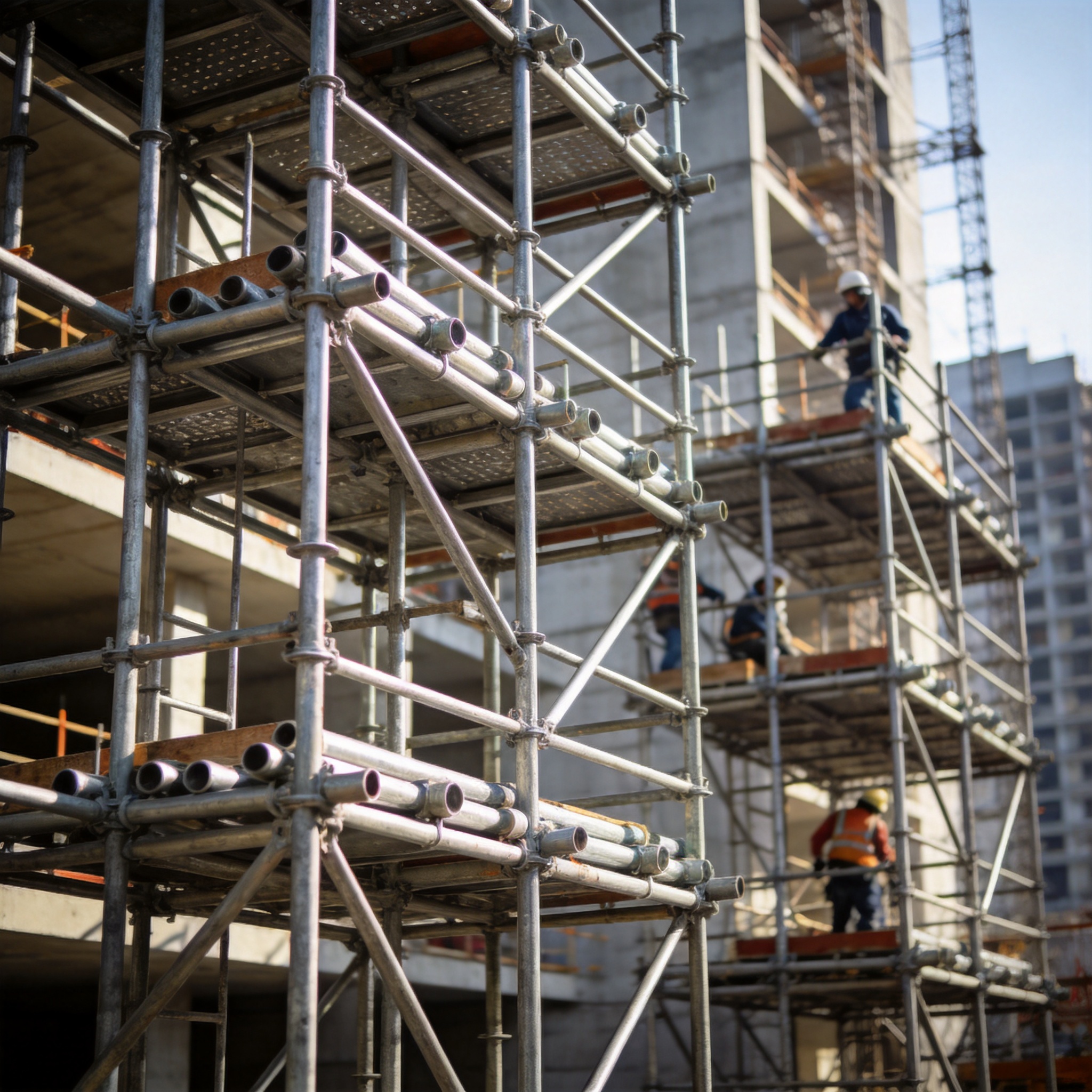
Braces, typically tube-and-coupler assemblies, lock diagonally between frames to prevent swaying and racking under dynamic loads. Cross-bracing, which forms an “X” pattern, is particularly effective at countering forces from wind or shifting material. Without properly installed diagonal braces, even a well-constructed frame scaffold can become unstable, risking collapse. By integrating robust frames with precise brace placement, you turn discrete scaffolding parts into a cohesive, resilient system engineered to carry substantial weight safely and securely throughout construction projects.
Platforms and Planks: Choosing the Right Materials
The platform is where workers spend the bulk of their time, making its material quality and design paramount. Timber planks—traditionally used due to their high friction surface and ease of cutting—offer good bearing capacity but require treatment against rot and splitting. Contemporary alternatives include aluminum and steel decks, providing superior durability, resistance to moisture, and standardized dimensions. Fiberglass planks, though less common, present an excellent option for electrical work due to their non-conductive properties.
When selecting platforms and planks among your scaffolding parts, consider factors like load class, plank width, and slip resistance. Wide planks enhance mobility and comfort, reducing the number of individual boards needed and minimizing gaps. Load ratings must align with the heaviest anticipated weight—including workers, tools, and materials—to prevent deflection or catastrophic failure. Edge protection and stairway decks further augment safety, while anti-slip coatings or textured surfaces help maintain footing in wet or oily conditions. By choosing the right platform materials, you ensure that your scaffold not only supports the job at hand but also protects the people performing it.
Maintenance and Inspection of Scaffolding Parts
Routine maintenance and systematic inspections of scaffolding parts are non-negotiable for ensuring a safe workspace. Before every use, inspect standards, ledgers, and transoms for signs of bending, cracks, or corrosion. Check couplers and connectors for proper engagement—any play or looseness can compromise the entire structure. Base plates and screw jacks should remain free of debris, allowing for precise leveling, while guardrails and toe boards must be firmly attached to prevent falls and falling objects.
A comprehensive inspection schedule includes monthly detailed evaluations, focusing on weld integrity, metal fatigue, and surface coatings. Any damaged or worn component must be replaced immediately, using only matched-grade parts certified to carry the required loads. Proper storage of scaffolding parts—keeping them dry, off the ground, and protected from the elements—extends their service life and preserves performance. Maintaining meticulous records of inspections and maintenance not only promotes worker safety but also demonstrates compliance with regulatory standards, averting costly project delays and potential liabilities.
Conclusion: Elevating Your Understanding of Essential Scaffolding Parts
As we’ve explored, every element of a scaffold—from systems and components to frames, platforms, and maintenance—plays a vital role in construction safety and efficiency. Recognizing how each scaffolding part interacts within the larger assembly empowers you to choose, assemble, and maintain your structures with confidence.
By mastering these essentials, you’ll ensure that every beam stands firm, every plank holds true, and every project reaches new heights—safely and securely.
