
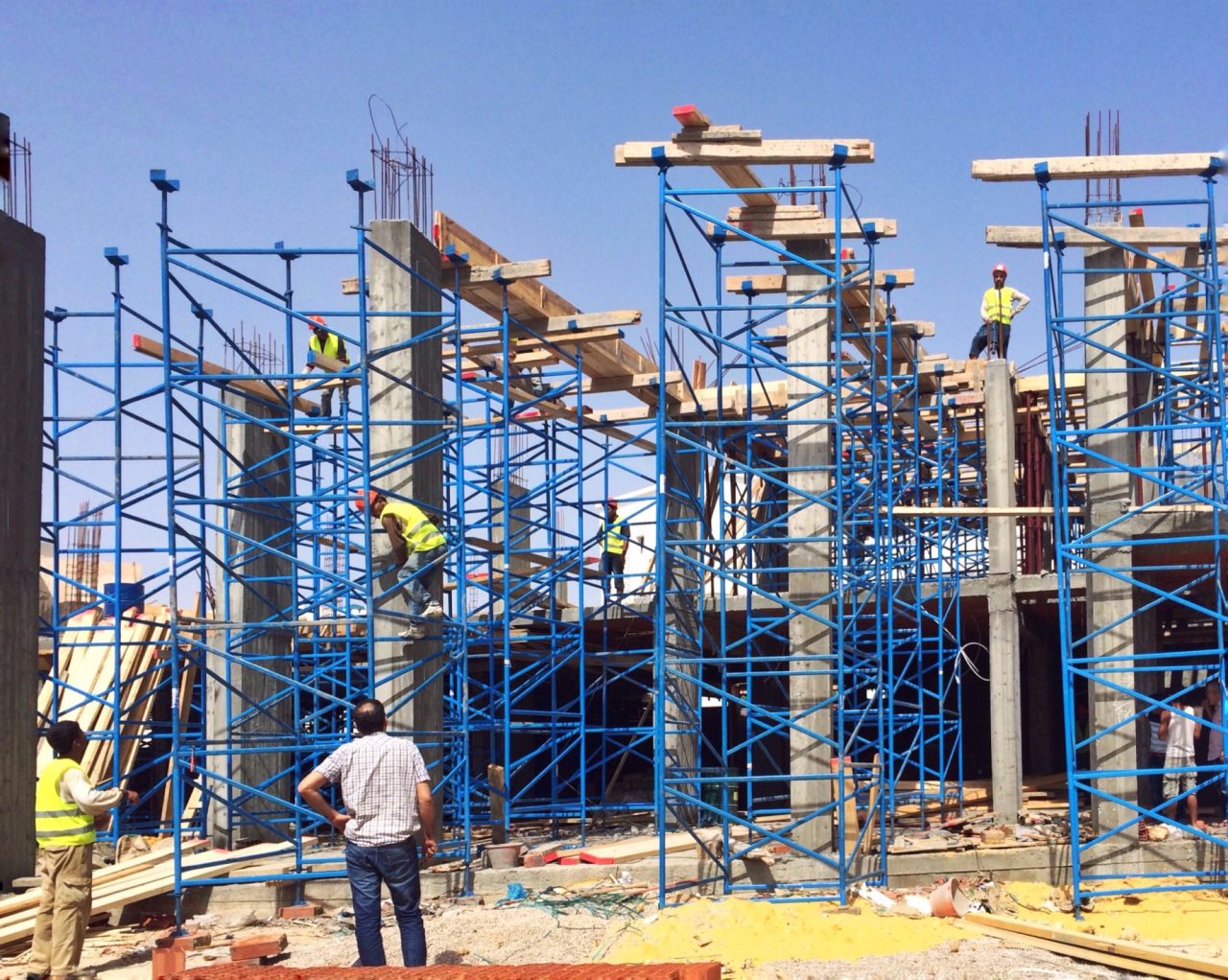


Imagine standing at a construction site, gazing up at a massive framework rising towards the sky. The structure is not merely steel and bolts; it’s a testament to human capability and ingenuity. Yet, beneath its towering presence lies an essential component that ensures every worker’s safety and the project’s success: the h frame scaffolding. As the backbone of countless construction projects, understanding the intricacies of using this equipment safely and efficiently isn’t just beneficial—it’s critical.
Whether you’re a seasoned contractor or a budding construction enthusiast, navigating the complexities of h frame scaffolding can feel daunting. With mishaps potentially leading to costly delays or dangerous accidents, it’s vital to equip yourself with the right knowledge. This ultimate guide aims to demystify the process, providing you with practical tips and insights to build confidently and securely. Let’s delve into how mastering these scaffolding skills can transform your worksite into a beacon of safety and productivity.
Importance of H Frame Scaffolding in Construction
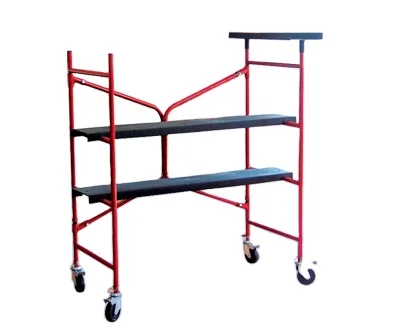
From small residential renovations to towering commercial developments, h frame scaffolding plays a crucial role in providing safe, stable working platforms at varying heights. Its modular design consists of welded frames, cross braces, and deck planks that interlock quickly and securely. This simplicity of assembly translates into significant time savings: crews can erect or dismantle a scaffold in a fraction of the time compared to more complex systems. Unlike tube-and-clamp scaffolds, which require individual fittings and additional labor, h frame scaffolding features pre-engineered frames that minimize on-site fabrication and reduce human error. As a result, constructors can focus on precision work rather than wrestling with tricky connections.
Beyond speed and ease of use, h frame scaffolding offers impressive load-bearing capacity, often supporting several hundred pounds per bay. Its rigidity and braced design resist sway under dynamic loads, ensuring that materials and personnel remain secure. This stability is especially vital when teams handle heavy equipment, hoist materials, or perform tasks that demand precision, such as bricklaying or facade installation. Moreover, h frame scaffolding’s versatility makes it adaptable to uneven ground: adjustable base plates and screw jacks allow leveling on slopes or irregular surfaces. In an industry where project delays can escalate costs exponentially, choosing the right scaffold system—like h frame scaffolding—can mean the difference between an efficient timeline and costly downtime.
Safety Regulations and Guidelines for Using H Frame Scaffolding
Adhering to safety regulations is non-negotiable when utilizing h frame scaffolding on any worksite. Jurisdictions like OSHA in the United States and similar authorities worldwide mandate comprehensive guidelines to protect workers from falls, tip-overs, and structural failures. The first step is to ensure the scaffold’s design matches the intended load and height requirements; manufacturers’ load tables should never be ignored or exceeded. Before erection, conduct a site assessment to identify hazards such as overhead power lines, unstable ground, or inclement weather conditions that may compromise stability.
Regular inspection is equally vital: qualified personnel must check frames, braces, planks, and accessories daily, looking for signs of deformation, rust, or damage. Guardrails, midrails, and toe boards are required on all open sides and ends to prevent falls and falling objects. Additionally, proper access—like secured ladders or stair towers—must be provided to reduce risky climbing behaviors. Finally, grounding and tying off the scaffold to the main structure at prescribed intervals helps prevent tipping under lateral forces, such as wind gusts or unbalanced loading. By following these guidelines meticulously, supervisors and workers can maintain a safe environment and avoid costly citations or, worse, on-site accidents.
Essential Accessories for H Frame Scaffolding
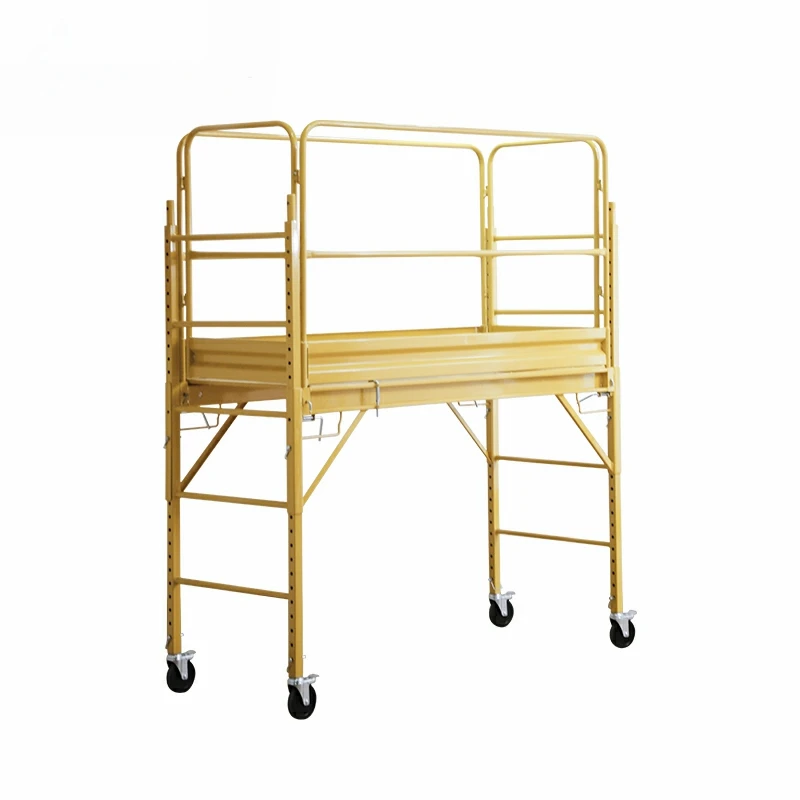
While the core components of h frame scaffolding provide the basic working platform, a range of accessories enhances functionality, safety, and versatility. Base plates and adjustable screw jacks are indispensable for leveling the scaffold on uneven ground, distributing weight evenly. Guardrail kits, including top rails, midrails, and toe boards, offer fall protection and prevent tools or materials from slipping off the deck. In scenarios requiring rapid height adjustments, extension frames and ladder attachments speed up reconfiguration without dismantling the entire system.
Other key accessories include outrigger stabilizers, which broaden the scaffold’s footprint for additional lateral support—especially useful when working at great heights or loading heavy materials. Scaffold wheels can convert a static structure into a mobile platform, though they must be equipped with locking brakes and used on flat, smooth surfaces to prevent unintended movement. Plank systems, such as aluminum or wood-deck boards with anti-slip surfaces, provide solid footing and can be arranged to optimize workspace layout. By selecting the right combination of accessories, project managers can tailor their h frame scaffolding to meet unique site demands, boosting productivity while upholding safety standards.
Training and Certification for H Frame Scaffolding Users
Proper training is the cornerstone of safe and efficient h frame scaffolding use. Employers should ensure that all personnel involved in scaffold erection, modification, and disassembly complete recognized training programs. These courses typically cover scaffold component identification, load calculations, hazard recognition, and emergency procedures. Hands-on modules allow trainees to practice assembling frames, installing guardrails, and conducting pre-use inspections under expert supervision. Comprehensive training reduces installation errors and instills a safety-first mindset among crew members.
Certification requirements vary by region but often involve an initial assessment followed by periodic renewals to account for updated regulations or equipment innovations. Many jurisdictions mandate a refresher course every three to five years. In addition to formal certification, on-site toolbox talks and mentoring programs reinforce safe work practices and address project-specific challenges. Supervisors should document all training and maintain records of qualifications to demonstrate compliance during audits or inspections. By investing in thorough education, construction firms not only comply with legal obligations but also cultivate a competent workforce capable of handling h frame scaffolding confidently and responsibly.
Conclusion: Ensuring Safety and Efficiency with H Frame Scaffolding
Mastering the use of h frame scaffolding is essential for maintaining high safety standards and operational efficiency on any construction site. From understanding its structural advantages and adhering to stringent safety regulations to selecting the right accessories and prioritizing thorough training, each step contributes to a seamless workflow and reduced risk.
By integrating these best practices into your daily operations, you’ll foster a culture of safety, minimize downtime, and deliver projects on schedule. Ultimately, a well-informed and properly trained team using the right h frame scaffolding systems becomes the driving force behind successful, accident-free construction endeavors.
