


In the high-stakes world of construction, safety is non-negotiable. Every day, workers trust their lives to the intricate latticework of scaffolding that surrounds them. But not all scaffolding systems are created equal, and that’s where understanding Kwikstage scaffold specifications becomes crucial. As a builder or site manager, your grasp of these specifications isn’t just about compliance; it’s about ensuring every worker steps onto a secure platform that supports their skill and dedication. The complexities of Kwikstage cannot be overstated, and this blog aims to demystify them, transforming jargon into actionable insights.
Have you ever wondered what distinguishes a reliable construction site from a hazardous one? Often, it boils down to the minute details of the equipment used. Kwikstage scaffolding, known for its versatility and robust design, is a popular choice across global construction projects. But without a thorough understanding of its specifications, even the most robust systems can pose risks. Through this post, we’ll guide you through the nuances of Kwikstage scaffold specifications, equipping you with the knowledge to enhance safety and efficiency in your construction projects.
Understanding the Importance of Kwikstage Scaffold Specifications
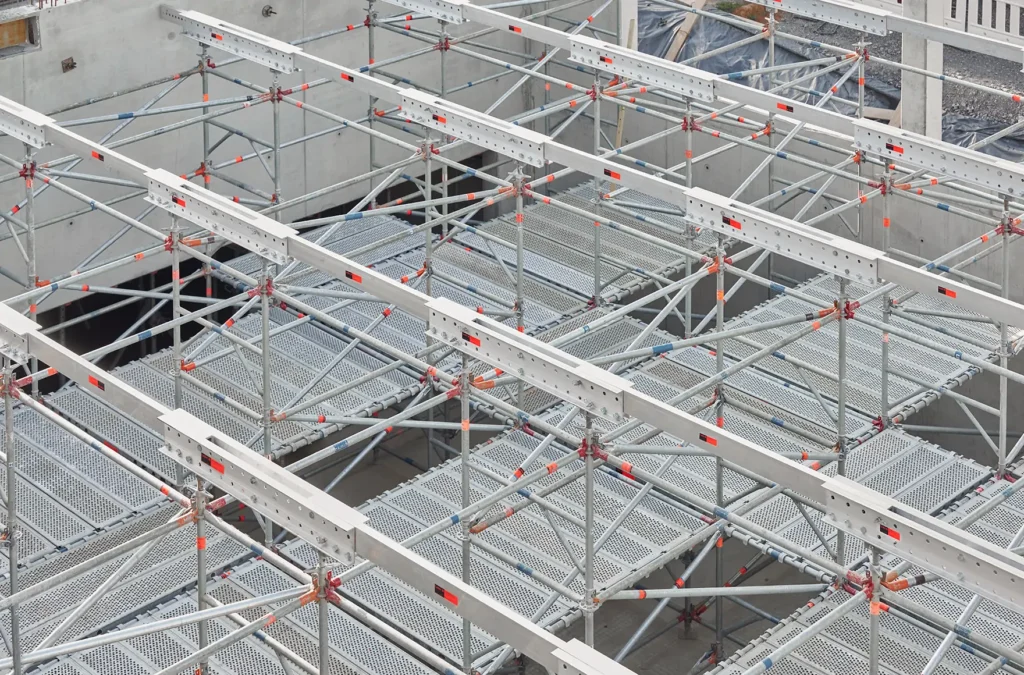
Kwikstage scaffold specifications form the backbone of a safe, efficient, and code-compliant scaffolding system. From the diameter and wall thickness of tubes to the precise dimensions of ledgers and transoms, each measurement plays a vital role in ensuring that the structure can withstand on-site loads, environmental stresses, and dynamic movements. Without a crystal-clear grasp of these technical specs, site managers may unintentionally deploy systems that compromise worker safety or fail to meet regulatory standards.
Beyond safety regulations, understanding these specifications also leads to cost efficiency and enhanced productivity. When you know exactly what each component is rated for, you can avoid over-engineering (which drives up material and labor costs) or under-engineering (which increases the risk of collapse or malfunction). In practical terms, this knowledge helps you plan scaffold layouts that optimize material usage, minimize assembly time, and reduce the probability of costly on-site modifications or downtime. In turn, this leads to smoother project timelines and better resource allocation.
Finally, a deep dive into Kwikstage scaffold specifications empowers you to train your crew effectively. Teams that understand why a ledger must be a certain length or why bracing needs to be installed at specific intervals are less likely to make dangerous shortcuts. This shared technical literacy fosters a culture of safety, where every worker recognizes the purpose behind each component and procedure. In short, mastering these specifications is not just an academic exercise—it’s a practical necessity for every modern construction site aiming for zero incidents and maximum productivity.
Load-Bearing Capacity: Ensuring Safety in Construction
One of the most critical aspects of Kwikstage scaffold specifications is the load-bearing capacity of each component. The ability of the scaffold system to safely support workers, tools, and materials hinges on accurate load ratings for standards like the base jack, ledger, and transom. Each element is stress-tested and rated according to national or international codes, often including a safety factor (commonly 1.5 to 2 times the working load) to account for unexpected strains.
Knowing these ratings allows you to calculate the total point load on any given section of the scaffold. For example, if a platform supports a team of workers plus equipment totaling 500 kilograms, you must ensure that the combined capacity of all supporting ledgers and transoms exceeds this load comfortably. These calculations become even more crucial when scaffolds are erected at height or configured in non-standard layouts, where wind loads and seismic forces can amplify stresses. By strictly adhering to the published load capacities within the Kwikstage scaffold specifications, you protect both workers and the structural integrity of the system.
Moreover, routine inspections and load audits are a must. Even the most robust scaffolding can degrade over time due to wear, corrosion, or damage. Integrating periodic checks into your project timeline ensures that no component exceeds its intended lifespan or load threshold. This proactive approach minimizes the risk of overloading, which could lead to sudden component failure and serious on-site accidents. Ultimately, understanding and honoring load-bearing capacities is the cornerstone of responsible scaffold management and construction safety.
Assembly and Disassembly Guidelines for Kwikstage Systems
Proper assembly and disassembly of Kwikstage scaffolding are as critical as understanding its technical specifications. Starting with a level and stable base, always verify ground conditions—use base plates or adjustable jacks to achieve a perfectly horizontal setup. Skipping this fundamental step can introduce uneven stress, reducing the system’s ability to carry its rated loads safely.
Next, follow the manufacturer’s sequence: erect standards first, then add ledgers, transoms, and braces. Ensure each component “clicks” into place securely; loose fittings compromise the structural integrity. Use guardrails and toe boards immediately upon installation of a working platform to mitigate fall hazards. When disassembling, reverse the sequence carefully. Lower platforms methodically, remove bracing last, and never leave partially dismantled frames unattended. These disciplined practices streamline operations and serve as the first line of defense against on-site mishaps.
Document every step in a scaffold erection and dismantling checklist. This written record not only enforces compliance with kwikstage scaffold specifications but also guides training and accountability among crew members. A standardized checklist that includes visual inspections—such as checking for bent tubes, missing pins, or corroded couplers—ensures that no detail is overlooked. Emphasizing proper assembly and disassembly protocols builds a culture of safety, keeping projects on schedule and within regulatory requirements.
Common Challenges and Solutions in Working with Kwikstage Scaffolds
Despite its reputation for simplicity and reliability, Kwikstage scaffolding can present challenges on complex job sites. One common issue is ground unevenness, which can misalign standards and compromise load distribution. The solution is to invest in high-quality adjustable base jacks and ensure meticulous ground preparation—shovel, level, and compact soil before erection. In cases of extreme terrain, use timber or steel sole boards under base plates to stabilize the entire system.
Another frequent obstacle is component wear and corrosion, particularly in sites exposed to moisture or chemicals. Regular cleaning, protective coatings, and scheduled replacement of worn parts are non-negotiable. Implementing a digital inventory system to track the service life of each component streamlines maintenance and prevents the inadvertent use of compromised parts. When damage is detected—be it a bent ledger or a weakened transom—remove and replace it immediately rather than risk a partial failure under load.
Finally, human error remains a leading cause of scaffold-related incidents. Inadequate training, rushed assemblies, or disregard for load ratings can turn a reliable kwikstage scaffold specification into a hazard. Combat this by conducting regular toolbox talks, hands-on workshops, and site-specific training sessions. Encourage workers to report irregularities and empower them to halt work if safety doubts arise. By addressing ground conditions, maintenance practices, and operator competence, you can overcome these common challenges and keep your scaffold operations running smoothly and safely.
Conclusion: Elevating Safety Standards in Construction Sites
Mastering kwikstage scaffold specifications is more than a regulatory requirement; it’s a commitment to safeguarding human lives and project investments. From detailed knowledge of load-bearing capacities to disciplined assembly, disassembly, and maintenance protocols, every step contributes to a robust safety culture.
By anticipating common challenges and implementing practical solutions, site managers can ensure that Kwikstage systems perform reliably under real-world conditions. Ultimately, this rigorous approach elevates overall safety standards, reduces downtime, and fosters confidence among workers—making every construction project a testament to excellence in operational safety.
