




In the ever-evolving world of construction, one crucial component remains a steadfast hero, quietly supporting the grandeur of towering skyscrapers and the intricate designs of modern architecture—structural scaffolding. Often overshadowed by the awe-inspiring structures they help to create, these temporary frameworks are on the cusp of a revolution that promises to transform the very landscape of our urban environments. As we stand on the brink of this exciting transition, it’s clear that the future of structural scaffolding is not just about holding up edifices; it’s about redefining possibilities in construction.
Imagine a future where scaffolding is not merely an auxiliary system but a dynamic part of the construction process—adapting, learning, and innovating alongside the architects and engineers who rely on it. With advancements in materials, smart technology, and sustainable practices, the industry is poised for groundbreaking changes. Whether it’s the integration of AI-driven safety protocols or the deployment of eco-friendly materials that reduce waste, the innovations in the realm of structural scaffolding are set to revolutionize how we build, creating safer, more efficient, and environmentally conscious construction sites. Join us as we delve into the exciting prospects that are reshaping the backbone of building—structural scaffolding.
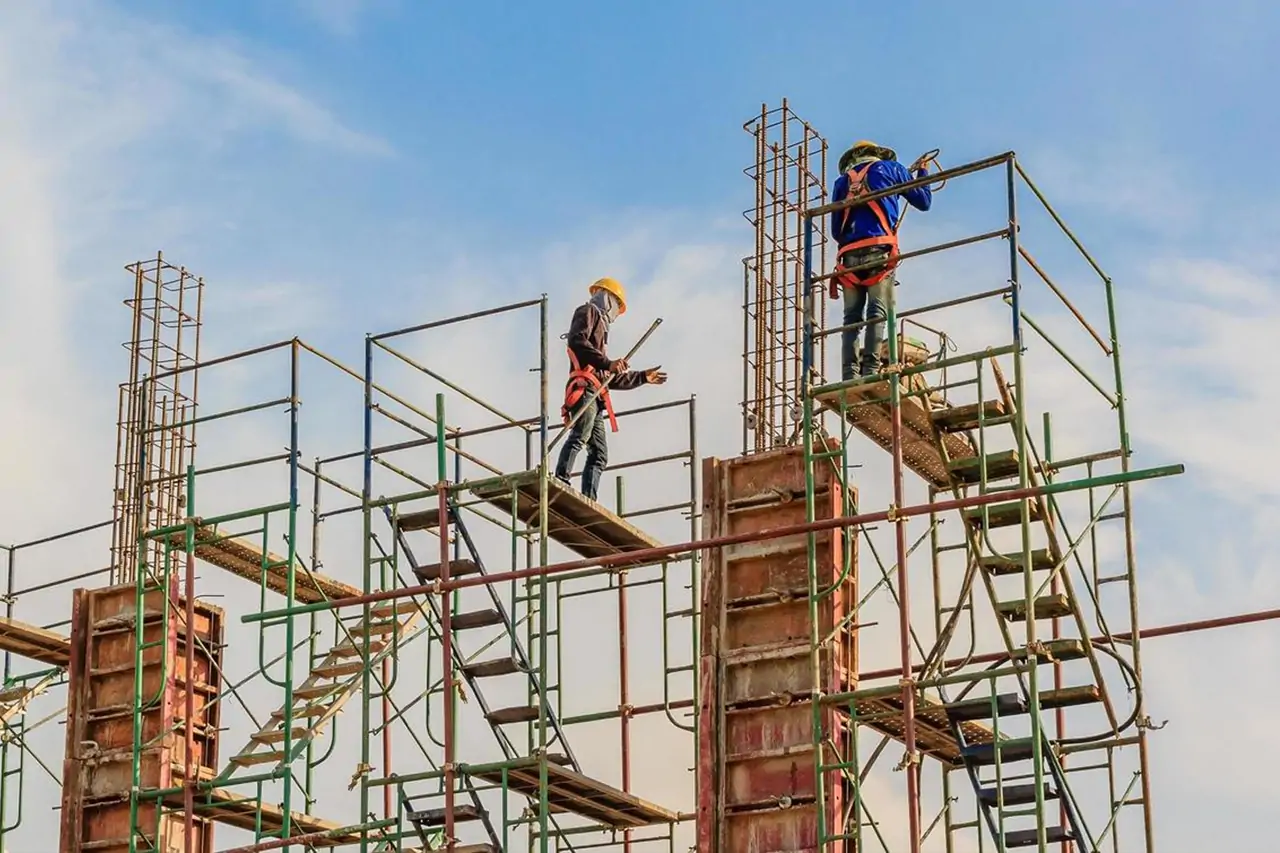
Evolution of Structural Scaffolding Materials
The journey of structural scaffolding materials stretches back centuries, beginning with the use of simple timber poles lashed together with ropes to form rudimentary support frameworks. Early builders in Mesopotamia and China relied on bamboo and wood, prized for their local availability and ease of assembly. By the Industrial Revolution, cast iron and wrought iron started appearing as reinforcements, offering greater load-bearing capacity. However, these heavy metal systems were cumbersome and difficult to transport, limiting their flexibility on sprawling construction sites.
The 20th century saw the introduction of steel-tube-and-coupler scaffolding, which quickly became the industry standard due to its robustness and standardized fittings. Modular steel systems enabled faster assembly, increased versatility in configuration, and improved safety. In the 1970s, lightweight aluminum alloys entered the scene, slashing the weight of scaffold components by nearly half and making manual handling far easier. Today, the latest frontier in structural scaffolding materials involves fiber-reinforced plastics (FRP) and composite alloys that combine high strength-to-weight ratios with corrosion resistance.
Looking ahead, researchers are exploring “smart” scaffolding materials embedded with sensors to monitor stress, deflection, and environmental conditions in real time. Self-healing polymers and shape-memory alloys could one day allow scaffolding structures to adjust their own form under load or automatically seal minor cracks. These innovations will not only streamline the construction process but also elevate safety and sustainability. As structural scaffolding materials continue to evolve, the scaffolds of tomorrow will be lighter, stronger, and more intelligent than ever before.
Advancements in AI-Driven Safety Protocols
As construction projects grow in scale and complexity, safety remains a paramount concern. The integration of artificial intelligence into safety protocols is triggering a paradigm shift in how risks are identified and mitigated. Modern AI systems harness data from multiple sources—drones, cameras, wearable sensors, and IoT-enabled components—to build a comprehensive safety profile for each section of the site. This approach ensures that every piece of structural scaffolding is continuously monitored for stability and compliance.
Machine learning algorithms can analyze patterns of worker movement, equipment usage, and material stress in real time. When these systems detect anomalies—such as an uneven load distribution on a scaffold platform or a worker entering a high-risk zone without proper harnessing—automated alerts are generated instantly. Supervisors receive notifications on their mobile devices, enabling them to respond proactively rather than reactively. Over time, AI-driven safety protocols refine their predictions by learning from near-misses and minor incidents, cultivating a culture of continuous improvement on the job.
Eco-Friendly Materials Revolutionizing Construction Sites
The global construction industry is under increasing pressure to reduce its carbon footprint and minimize waste. In response, innovators are developing eco-friendly alternatives for traditional structural scaffolding components. Recycled aluminum, repurposed from old aircraft and industrial machinery, offers the same strength and lightness as newly refined metal but with a fraction of the energy input and greenhouse gas emissions. Similarly, bio-based composites—made from flax, hemp, or bamboo fibers bonded with plant-derived resins—are gaining traction for their renewability and end-of-life biodegradability.
Beyond individual materials, modular reusable scaffolding systems are revolutionizing site management. These systems allow contractors to configure and reconfigure the same components across multiple projects, dramatically cutting down on waste and transportation emissions. Some designs incorporate snap-fit connections that require no additional fasteners, further simplifying assembly and disassembly. Looking forward, advances in 3D printing could enable on-site production of custom scaffolding parts from recycled polymers, reducing lead times and transportation impacts. By adopting these eco-friendly innovations, the construction sector can significantly lower its environmental footprint while maintaining the durability and safety standards demanded of modern structural scaffolding.
Redefining Safety Standards in Construction
Safety standards in construction have historically been shaped by tragic lessons and evolving regulations. Today, forward-thinking organizations are redefining these benchmarks by embedding rigour and accountability at every stage of a project. Digital record-keeping platforms track scaffold inspections, material certifications, and worker training certifications in a centralized database. This transparency ensures that only qualified personnel handle the erection and modification of structural scaffolding, reducing human error and regulatory non-compliance.
Wearable technologies, such as smart helmets and vests equipped with proximity sensors, can detect when workers approach unstable sections of a scaffold or enter zones without adequate support. These garments communicate with site-wide control centers, offering live feedback to both laborers and management. Coupled with AI-driven analytics, these innovations enable safety officers to predict potential failure points before they materialize. The result is a proactive, data-informed safety culture that continuously adapts to new challenges, setting a higher standard for what constitutes a truly secure construction environment.
The Role of Structural Scaffolding in Urban Development
As cities expand vertically and their skylines become more intricate, structural scaffolding has transitioned from a temporary necessity to a strategic urban development tool. Modern cities demand scaffolding solutions that can accommodate not only new high-rise construction but also the preservation and retrofitting of heritage buildings. Modular scaffolding systems enable quick deployment around complex facades, supporting restoration work without imposing significant downtime on surrounding urban activities. This agility helps cities maintain economic momentum while safeguarding their architectural heritage.
Beyond maintenance and construction, structural scaffolding increasingly plays a role in public art installations, pop-up parks, and event staging—transforming scaffolds into multifunctional urban fixtures. Light-weight aluminum and adaptive joint systems allow designers to create striking forms that double as seating, shading, or exhibition space. By reimagining scaffolding as a flexible civic canvas, urban planners can maximize the utility of public spaces and foster community engagement. As urban centers strive for resilience and sustainability, the scaffolding frameworks that once faded into the background are stepping into the spotlight as vital components of the modern cityscape.
Conclusion
The future of structural scaffolding is bright, driven by breakthroughs in materials science, artificial intelligence, and sustainability. As scaffolding systems become lighter, smarter, and greener, they will not only support our architectural ambitions but also redefine how we envision and build our cities.
Embracing these innovations will enhance safety, efficiency, and environmental stewardship across the construction sector. In doing so, structural scaffolding will continue to be the unsung hero that upholds the dreams of tomorrow’s urban landscapes.
