


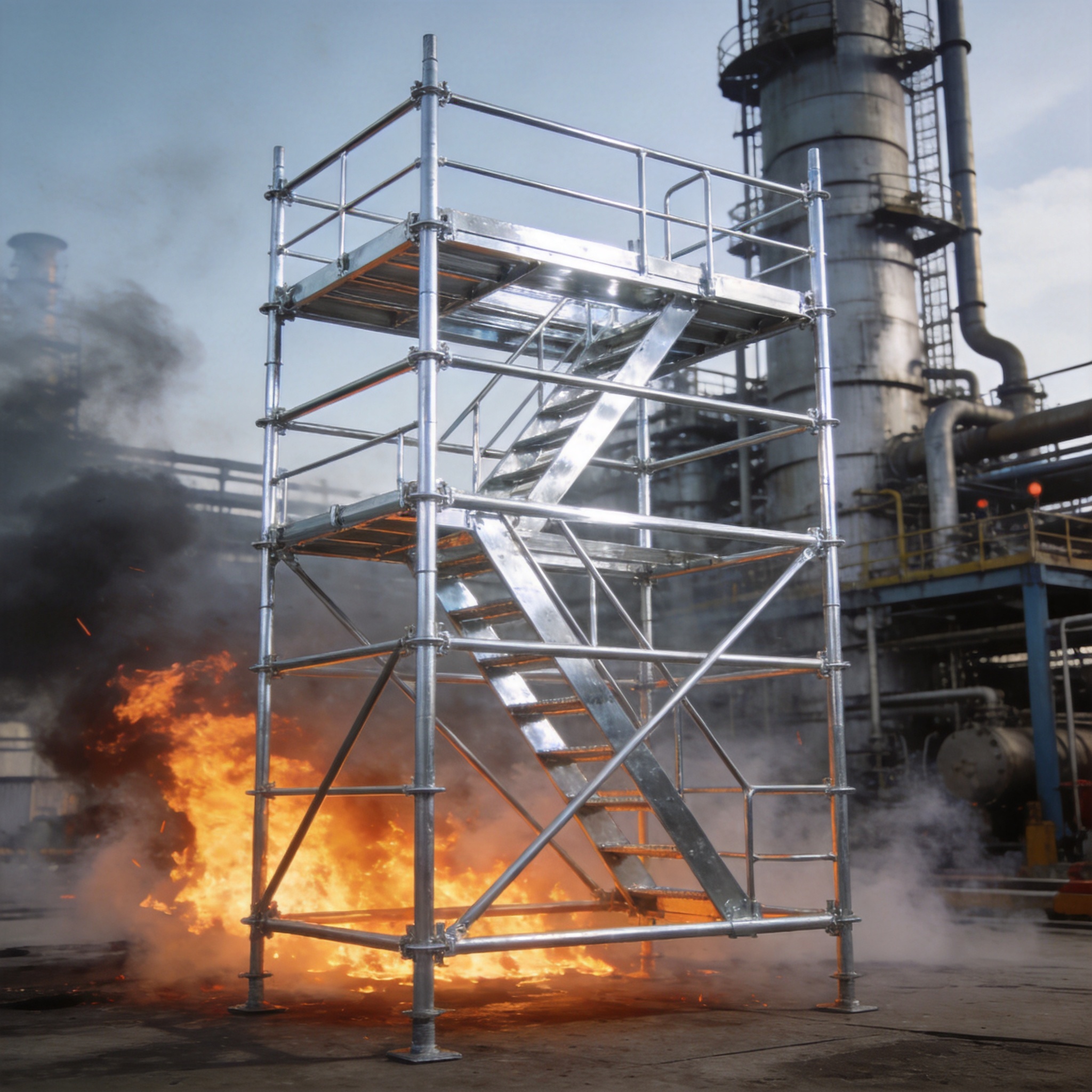

Picture this: you’re standing on the precipice of a new home renovation project, excited yet aware of the challenges ahead. There’s that lingering sense of determination, driven by the knowledge that every step taken is a stride towards a safer, more beautiful abode. Among the many tasks at hand, ensuring the security and effectiveness of your siding project tops the list. This is where siding scaffolding becomes an indispensable ally, transforming potential pitfalls into firm footholds of safety and efficiency. Diving into the intricacies of siding scaffolding can be daunting, but mastering these techniques is essential for a successful and secure outcome.
Recent industry reports reveal that improper scaffolding contributes to nearly 65% of construction-related accidents. This staggering statistic underscores the critical need to adopt proficient scaffolding practices. Fortunately, you don’t have to navigate these technical waters alone. This blog post will delve into essential siding scaffolding techniques and tips that are specifically designed to maximize safety. From selecting the right materials to understanding proper setup procedures, you’ll discover how to fortify your project against unnecessary risks, ensuring that each step you take is as secure as it is strategic.

Importance of Proper Scaffolding in Siding Projects
When it comes to any exterior renovation, safe and effective siding scaffolding lays the groundwork for success. Proper scaffolding isn’t just about setting up a platform; it’s about creating a reliable system that supports your crew, your tools, and the siding materials themselves. Without a sturdy scaffolding structure, workers risk slips, falls, and the potential for costly mistakes—especially when handling large panels or working at height. By investing time and resources into the right siding scaffolding configuration from the outset, you reduce downtime, improve workflow efficiency, and foster a safer jobsite atmosphere that keeps everyone protected.
Beyond safety, the structural integrity of scaffolding directly impacts the quality of your finished siding installation. An uneven or unstable platform can lead to misaligned panels and gaps that compromise both appearance and performance. Solid siding scaffolding also allows for better access to every inch of the wall, ensuring precise cuts and seamless joins. This attention to detail not only enhances curb appeal but also contributes to long-term durability, preventing water infiltration and other damage down the road. In short, proper scaffolding isn’t an optional add-on—it’s a critical investment that safeguards both lives and livelihoods while delivering superior siding results.
Understanding Scaffolding Load Capacities
Knowing the load limits of your siding scaffolding is essential to avoid structural failure. Every scaffold system comes with a maximum capacity rating, which includes the weight of workers, tools, and materials. Exceeding these limits—even temporarily—can lead to plank bending, bracket failure, or full collapse. To keep your project on track, always verify the load rating plate on the scaffolding frame and calculate total weight before proceeding with installation tasks.
Begin by compiling a list of all materials and equipment that will share the platform, including siding panels, fasteners, caulk guns, and personal protective equipment. Factor in the weight of multiple workers moving around simultaneously. It’s prudent to build in a safety buffer—aim to load your siding scaffolding at no more than 75–80% of its rated capacity. This approach mitigates risks from unexpected shifts or dynamic loads, such as someone leaning heavily on a guardrail or tools being dropped onto the platform.
Implementing Fall Protection Measures
Fall protection is a non-negotiable aspect of any exterior construction, and siding scaffolding projects are no exception. Guardrails, toeboards, and personal fall arrest systems (PFAS) work together to create multiple layers of safety. Before raising the platform, install guardrails on all open sides at a height of at least 42 inches, and secure toeboards along the edges to prevent dropped tools or materials. This first line of defense dramatically reduces the chance of objects falling off the platform and injuring workers below.
Complement passive protections with active systems such as body harnesses connected to anchored lifelines. Workers should be trained in PFAS use, including how to inspect lanyards and harnesses for damage before climbing onto the siding scaffolding. Anchor points must meet OSHA or local regulatory standards, offering a secure attachment that can withstand the forces generated during a fall. Together, these measures ensure that even if someone slips, the fall is arrested quickly and safely, significantly reducing injury risk.
Ensuring Stability in Challenging Weather Conditions
Weather can transform a well-constructed siding scaffolding setup into a hazard if not properly accounted for. High winds can buffet platforms, rain can make surfaces slick, and extreme temperatures can affect component strength. Before each workday, inspect the site for debris, standing water, or ice on planks, and secure or remove any hazards. Consider using decking with non-slip surfaces or applying temporary traction materials to minimize slip risks in wet or frosty conditions.
Anchor and tie your siding scaffolding to the structure at regular intervals—typically every four to six feet vertically and every 12 to 20 feet horizontally—to counteract wind loads. Use durable tie-ins or adjustable restraints rated for outdoor use. If forecasts predict severe storms or gusts above 25 mph, lower the scaffolding to the ground or dismantle critical components until conditions improve. Also, keep an eye on temperature-related issues: aluminum scaffolding can become brittle in freezing weather, while extreme heat may soften some polymers used in couplers. Regular maintenance and environmental vigilance protect both the scaffolding investment and the safety of everyone on the job.
Conclusion: Prioritizing Safety in Your Siding Project
Investing in proper siding scaffolding techniques is more than a best practice—it’s a necessity for protecting workers and ensuring a high-quality finish. By understanding load capacities, implementing fall protection, and planning for adverse weather, you create a safer, more efficient work environment that stands up to any challenge.
Remember, the extra time and resources spent on secure scaffolding pay dividends in accident prevention, project speed, and the longevity of your siding installation. Prioritizing safety isn’t an optional step—it’s the foundation of every successful siding project.
