
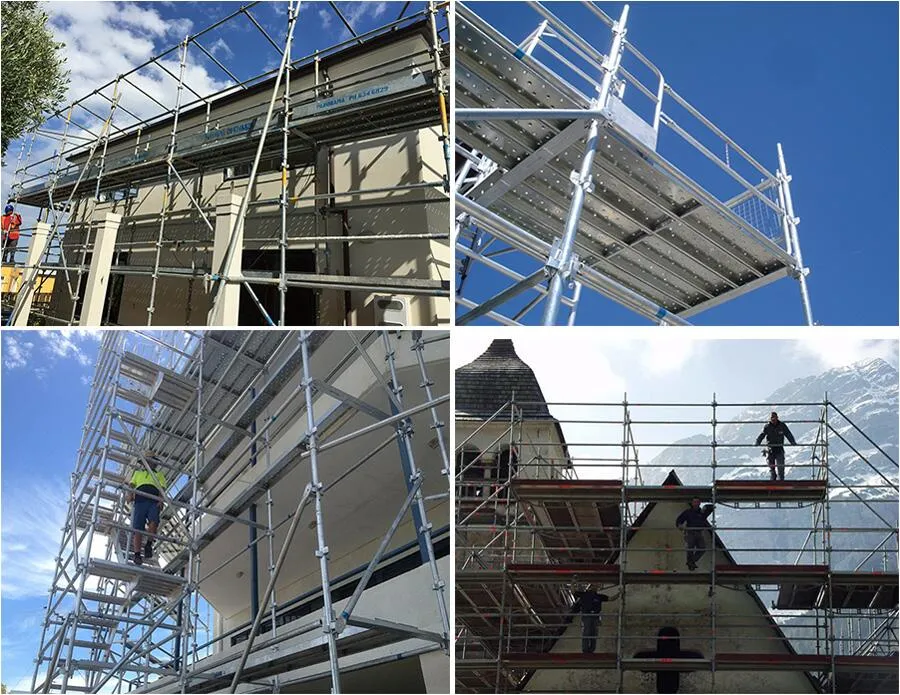

When it comes to construction and renovation projects, one element often stands between a worker and potential disaster: scaffold planks. These unassuming pieces of lumber are the backbone of any safe scaffolding setup, yet they seldom get the attention they deserve. Imagine standing stories above the ground, relying solely on these planks to support your every move. With so much at stake, choosing the right scaffold planks isn’t just a matter of preference—it’s a critical decision that can impact safety and efficiency on the job site.
Consider this startling fact: according to industry reports, improper use or selection of scaffolding equipment contributes to thousands of workplace injuries each year. This statistic underscores the importance of understanding the nuanced factors that can influence the performance and reliability of scaffold planks. From material types and weight capacity to environmental considerations and maintenance tips, our ultimate guide is designed to equip you with the knowledge necessary to make informed choices, ensuring stability and security with every step you take.

Types of Materials for Scaffold Planks
Choosing the right material for scaffold planks is foundational to both safety and durability. Traditionally, wood has been the go-to choice, offering natural strength, flexibility, and ease of replacement. Treated lumber—often made from pine or fir—is pressure-treated to resist rot and insect damage, extending its service life in outdoor conditions. Wooden planks also provide a tactile, non-slip surface that many workers prefer underfoot. However, variations in grain, knots, and moisture content can introduce inconsistencies in load capacity, so rigorous inspection and grading standards are paramount when selecting wooden scaffold planks.
Steel scaffold planks have become increasingly popular on commercial and industrial sites. These planks boast high tensile strength, uniform load-bearing characteristics, and resistance to warping or cracking under heavy loads. Steel systems often integrate slip-resistant surfaces and built-in hooks or end guards for improved safety. While the initial cost of steel scaffold planks is higher than wood, their longevity and minimal maintenance requirements can justify the investment in the long run. The added weight of steel may require additional support or specialized hardware, but it also ensures superior stability in demanding environments.
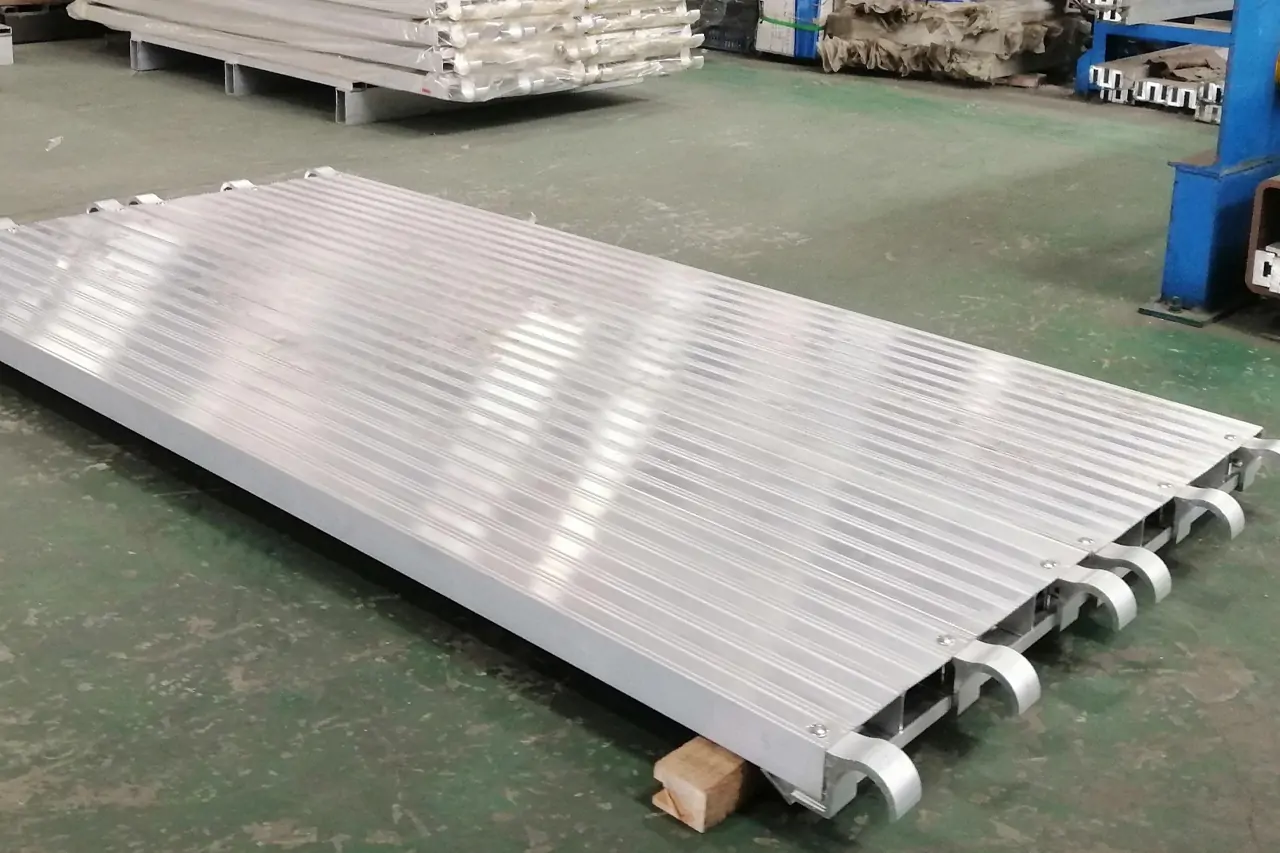
Aluminum scaffold planks strike a compelling balance between weight and strength. Lighter than steel yet more durable than untreated wood, aluminum planks are highly portable, simplifying setup and repositioning. Their corrosion-resistant properties make them ideal for coastal or chemically corrosive environments. Many aluminum models feature integrated traction patterns or replaceable nonslip mats to enhance worker grip. While aluminum can dent under extreme impact, modern extrusion techniques and alloy treatments have significantly bolstered its resilience. Evaluating project scope, frequency of plank relocation, and exposure to harsh elements will guide your choice between wood, steel, or aluminum scaffold planks.
Weight Capacity: Finding the Right Balance
Understanding the weight capacity of scaffold planks is crucial to preventing structural failures. Each plank is rated for a maximum load, which includes the combined weight of workers, tools, and materials. Exceeding this limit can cause bending, cracking, or catastrophic collapse. Safety standards—such as those from OSHA or EN 12811—specify minimum load ratings for various plank types, often expressed in pounds per square foot or kilonewtons. Always consult manufacturer specifications and never assume a plank’s capacity based on appearance alone.
Balancing weight capacity and ease of use involves selecting a plank that comfortably supports anticipated loads without being overly heavy to handle. For heavy-duty applications like masonry work or rigging, high-capacity steel planks rated for 75–100 pounds per square foot (psf) may be necessary. In contrast, lighter renovation or painting jobs can rely on wood or aluminum planks rated at 50–75 psf. When in doubt, choose the next highest rating and verify that accompanying scaffolding components—ledgers, frames, and couplers—are equally rated. Proper distribution of weight across multiple planks and regular load testing further enhance safety and performance on site.
Environmental Factors to Consider
Environmental conditions play a significant role in the performance and longevity of scaffold planks. Factors such as moisture, temperature fluctuations, UV exposure, and chemical contact can degrade materials over time and compromise structural integrity.
When working in damp or coastal areas, moisture can accelerate rot in wooden planks and promote corrosion in steel, while aluminum may develop surface oxidation. Extreme temperatures—both hot and cold—can cause materials to expand or contract, potentially leading to warping or loss of strength. UV radiation from prolonged sunlight exposure can weaken protective coatings on metal planks and dry out wooden surfaces, making them brittle. Chemical environments, such as those found in painting or industrial cleaning projects, can also attack finishes and accelerate wear.
To address these challenges, choose planks with appropriate treatments and coatings. Pressure-treated wood and marine-grade sealants offer enhanced moisture resistance. Hot-dip galvanizing or powder coatings significantly improve steel corrosion resistance. Anodized or painted aluminum planks resist oxidation and maintain appearance. Store scaffold planks in covered, well-ventilated areas when not in use and rotate inventory to ensure first-in, first-out usage. Regular environmental inspections—checking for signs of rust, rot, or deformation—help you catch problems early and extend service life.
Maintenance Tips for Scaffold Planks
Regular maintenance is essential to preserve the strength and safety of scaffold planks. Begin each day with a quick visual inspection, looking for cracks, splinters, or corrosion. Check for loose or missing end guards, hooks, and nonslip surfaces. Remove dirt, paint splatters, and debris that can conceal damage or reduce traction. A clean plank is easier to inspect and less likely to cause slips and trips.
Periodic thorough inspections—conducted by a qualified safety officer—should include load testing and detailed scrutiny of plank fasteners, welds, and surface integrity. Replace or repair any plank that shows signs of structural compromise, such as deflection under nominal loads or surface delamination. Wooden scaffold planks may require recoating or resealing every few seasons, while metal planks benefit from touch-up paint or rust inhibitors. Store planks off the ground on racks or pallets to prevent moisture uptake and deformation.
Documentation also plays a critical role in maintenance. Keep records of inspection dates, findings, and corrective actions. Label each plank with an identification number and date of last service for easy tracking. Training workers to properly handle, transport, and stack scaffold planks reduces mishandling damage. By adopting a comprehensive maintenance regimen, you’ll maximize the lifespan of your scaffold planks and maintain a safe work environment.
Conclusion: Prioritizing Safety and Stability
Choosing the right scaffold planks requires careful assessment of materials, load capacity, environmental conditions, and maintenance protocols. Whether you opt for traditional wood, high-strength steel, or lightweight aluminum, understanding each option’s benefits and limitations ensures a safer job site.
Regular inspections, proper storage, and adherence to manufacturer guidelines will keep scaffold planks performing optimally. By prioritizing these factors, you not only protect workers from avoidable accidents but also improve project efficiency and compliance with safety standards. Invest in quality, maintain diligently, and step confidently toward a more stable, secure scaffolding setup.
