
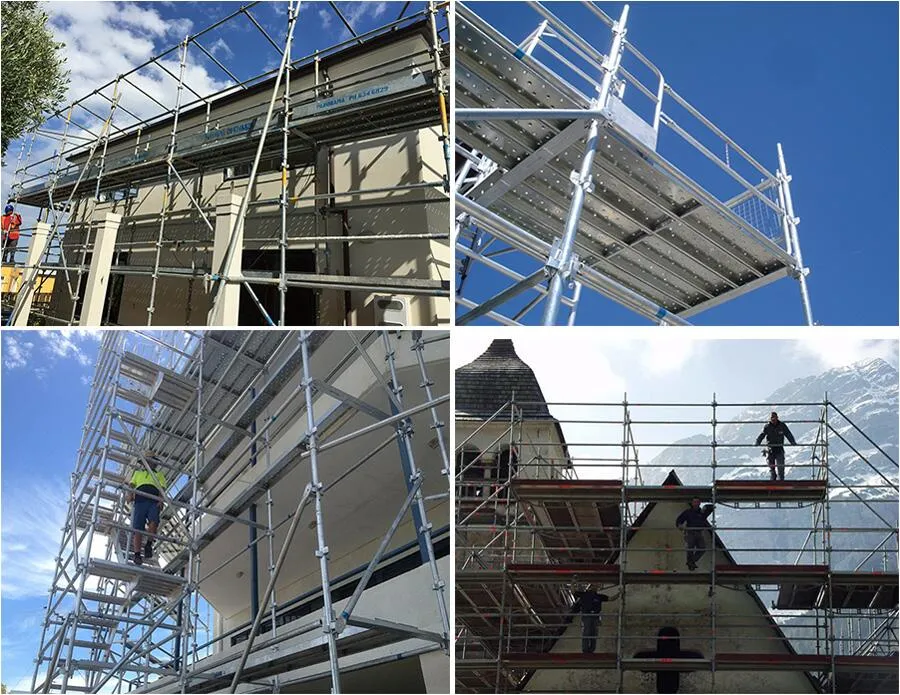

Imagine a high-rise construction site, bustling with activity as workers toil away, building the skyline of tomorrow. Among these towering structures, scaffold outrigger brackets serve as unsung heroes, ensuring the safety and stability of the scaffolding system. While often overlooked, these essential components play a crucial role in maintaining balance and support. The correct use of scaffold outrigger brackets can be the difference between a well-executed project and a hazardous working environment. This article delves into the critical importance of collar use within this context, exploring how it can maximize safety for all involved.
In the fast-paced world of construction, where time is money and safety is paramount, understanding the nuances of equipment like outrigger brackets is non-negotiable. Statistics reveal that improper scaffolding leads to a significant percentage of on-site accidents each year. Yet, with the right knowledge and application, these incidents are entirely preventable. By the end of this post, you’ll not only appreciate the indispensable nature of collar usage in scaffold systems but also be equipped with practical strategies to ensure that these structural saviors are used to their fullest potential.

Importance of Scaffold Outrigger Brackets in Construction Safety
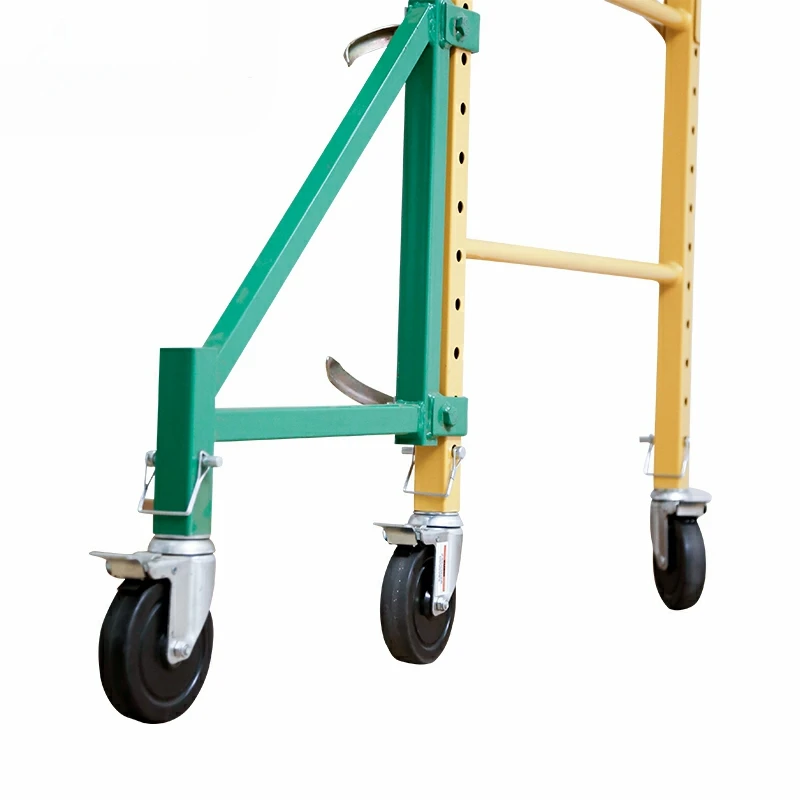
Scaffold outrigger brackets are fundamental to any safe scaffolding setup. By extending the base of support beyond the building façade, these brackets counteract tipping forces and distribute weight evenly. When properly installed with their collars secured, they prevent the scaffold from leaning or collapsing under uneven loads. Many accidents on construction sites trace back to inadequate support and imbalanced scaffolding systems. In fact, the Occupational Safety and Health Administration (OSHA) reports that falls from scaffolds account for thousands of injuries and several fatalities annually—many of which could be avoided with correct bracket use.
Collars play a pivotal role in anchoring the scaffold outrigger brackets to the scaffold legs. Without firmly tightened collars, the brackets can slip or rotate unexpectedly, compromising the entire assembly. In crowded job sites or under dynamic loads—such as heavy materials being hoisted—secure collars ensure the brackets remain in place, maintaining a stable work platform. By integrating collars designed specifically for scaffold outrigger brackets, construction teams fortify their scaffolding against both static and dynamic stresses, ultimately safeguarding workers and assets alike.
Types of Collars for Scaffold Outrigger Brackets
Collars for scaffold outrigger brackets come in various designs, each tailored to different job-site requirements. Fixed collars, typically welded or bolted in place, offer a permanent solution for consistent bracket positioning. They minimize movement but lack adjustability, making them ideal for repetitive, uniform setups. On the other hand, adjustable collars feature screw clamps or locking levers, allowing crew members to quickly fine-tune bracket angle and extension length. These collars enhance on-the-fly versatility, especially useful in uneven terrain or on renovations where the building line fluctuates.
Rotating collars represent another innovative solution, enabling 360-degree bracket adjustment without disassembly. These come with built-in bearings or locking pins to secure the orientation once set. Composite collars made from high-strength polymers or reinforced aluminum alloys are also gaining traction, thanks to their corrosion resistance and reduced weight. Depending on project scope—whether a short-term rental or a long-term installation—selecting the right collar type for your scaffold outrigger brackets can optimize both safety and operational efficiency.
Inspecting Collars for Wear and Tear
Regular inspection of collars on scaffold outrigger brackets is non-negotiable for maintaining a safe work environment. Before each shift, team members should perform a visual check for cracks, deformations, or corrosion on the collar surface. Pay special attention to weld seams, clamp mechanisms, and locking teeth, as stress concentrations often occur in these areas. Even minor metal fatigue can lead to sudden failures under load.
Beyond the visual audit, incorporate a hands-on test by loosening and tightening the collar several times. This ensures the locking mechanism operates smoothly and has not seized due to rust or debris. Keep a logbook documenting inspection dates and any maintenance performed. If any collar shows signs of significant wear—brittle cracking, bent alignment, or stripped threads—remove it from service immediately and replace it with a certified spare. Such proactive maintenance preserves the integrity of scaffold outrigger brackets and prevents costly downtime or, worse, accidents.
Training and Education on Collar Usage
No matter how advanced the collar or how rigorous your inspection protocol, without proper training, accidents remain likely. All personnel involved in erecting or modifying scaffolding should undergo formal education on the function and installation of collars for scaffold outrigger brackets. This training can be delivered through in-person workshops, e-learning modules, or on-site toolbox talks. Key topics include torque specifications for tightening collars, step-by-step installation sequences, and emergency procedures for handling bracket slip.
Hands-on demonstrations reinforce theoretical knowledge, allowing workers to practice securing collars under supervision. Simulated drills—such as controlled load tests—highlight the consequences of under-torqued or misaligned collars in a safe environment. By certifying team members through written assessments and practical evaluations, construction firms build a culture of accountability. When everyone understands the “why” behind each collar adjustment, adherence to best practices becomes second nature, thus maximizing the overall safety of the scaffolding system.
Conclusion: Enhancing Safety Through Proper Collar Application
Proper application of collars for scaffold outrigger brackets is a simple yet powerful measure in safeguarding construction sites. From choosing the right collar type to conducting routine inspections and ensuring thorough training, each step reinforces system stability and worker confidence.
By committing to these best practices—selecting quality collars, maintaining them diligently, and educating your crew—you transform scaffold outrigger brackets from overlooked components into cornerstones of safety. In doing so, you not only protect lives but also enhance productivity and project success.
