



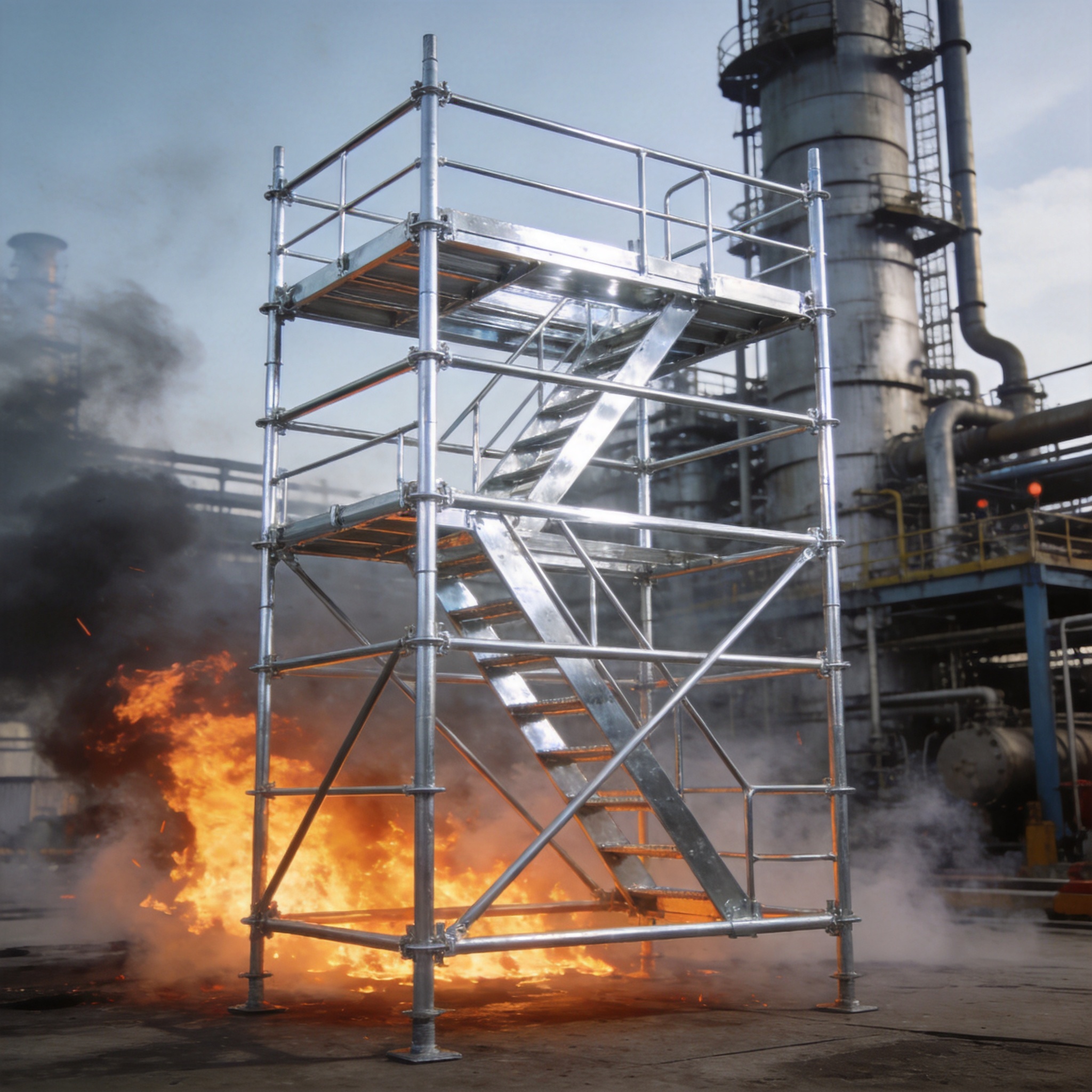
Every day, thousands of construction workers rely on scaffolds to elevate their workspaces and expand their reach. However, with this elevation comes inherent risks that can transform these essential structures into dangerous hazards. The statistics are concerning: according to OSHA, roughly 65% of those in the construction industry work on scaffolds frequently, leading to numerous accidents and injuries directly linked to improper scaffolding safety practices. This makes mastering scaffolding safety not just a choice but an imperative for anyone committed to safe work environments.
Imagine a scenario where one simple oversight could lead to catastrophic results—perhaps a single unsecured plank or a loose bolt. It’s not just theoretical; these incidents happen more often than we’d like to admit. By diving deep into the essentials of scaffolding safety, you don’t just adhere to regulations; you become an advocate for a culture of safety, ensuring comprehensive protection for yourself and your team. This blog post will guide you through the must-know elements of scaffold safety, arming you with the vital knowledge to prevent accidents and foster a secure work environment.

Understanding the Importance of Scaffolding Safety
Scaffolding safety is the backbone of any construction or maintenance project that involves work at height. Ensuring that every component—from guardrails to planks—is correctly installed and maintained can be the difference between a smooth operation and a life-altering accident. Beyond regulatory compliance, prioritizing scaffolding safety cultivates worker confidence and productivity. When laborers feel secure, they work more efficiently and focus better on their tasks, rather than worrying about potential falls or structural failures.
Moreover, the financial implications of accidents due to poor scaffolding safety can be staggering. Lawsuits, medical expenses, work stoppages, and damaged equipment all stem from neglecting fundamental safety protocols. Companies that invest resources in thorough training, regular inspections, and quality equipment not only safeguard their workforce but also protect their bottom line. Ultimately, viewing scaffolding safety as an investment rather than a cost leads to sustainable operations and preserves an organization’s reputation in the industry.
Types of Scaffolding Systems
Understanding the different types of scaffolding systems helps you select the right setup for your project’s specific needs. From supported scaffolds that rest on solid foundations to suspended options that hang from roofs or ledges, each design has unique advantages and limitations. The choice depends on factors such as building height, access areas, and the nature of the work being performed.
Regardless of which type you choose, implementing scaffolding safety principles remains paramount. Before assembly, evaluate site conditions, load requirements, and potential hazards. Proper planning ensures that you maximize productivity while minimizing risks, whether you’re working on a single-story renovation or a multilevel skyscraper project.
Inspecting and Maintaining Scaffolds
Regular inspections are the cornerstone of scaffolding safety. A competent person should assess all components daily, looking for signs of corrosion, deformation, or wear. Catching issues early prevents small defects from evolving into serious hazards that could jeopardize the entire structure and workers’ lives.
Maintenance goes hand in hand with inspection. Cleaning debris, tightening bolts, replacing damaged planks, and lubricating moving parts keep the system in optimal condition. Documenting each inspection and maintenance activity provides a clear audit trail, demonstrating due diligence and ensuring compliance with OSHA standards.
Proper Assembly and Disassembly Procedures
Assembling and disassembling scaffolds require strict adherence to manufacturer instructions and industry best practices. Start by laying out components in an organized manner and verifying that all parts meet quality and safety specifications. Erecting frame sections should involve using base plates on solid footing and installing guardrails before adding planks and platforms.
When it’s time to take down the scaffold, reverse the assembly steps carefully. Lower planks and guardrails one at a time, ensuring no tools or materials are left behind. Avoid quick removals that could destabilize the remaining structure. Conduct a final walkthrough to confirm that all equipment is accounted for and stored properly, safeguarding both personnel and future projects.
Load Capacity Guidelines for Scaffolds
Every scaffolding system has a maximum load capacity determined by its design, materials, and intended use. Overloading can cause components to bend, buckle, or collapse outright, endangering everyone on or near the scaffold. Always refer to the scaffold’s load chart, which specifies the allowable weight for workers, tools, and supplies combined.
Distribute loads evenly across the platform to prevent uneven stress on individual standards or cross-braces. When in doubt, err on the side of safety by reducing the number of workers or staging materials nearby. Regularly recalibrate your understanding of load demands as the project progresses, ensuring that no single section ever exceeds its rated capacity.
Conclusion: Committing to a Culture of Safety
Mastering scaffolding safety isn’t a one-time checklist; it’s an ongoing commitment. By consistently focusing on training, inspections, and correct procedures, you protect lives and optimize productivity on every project. Embrace a proactive safety mentality that encourages reporting hazards and continuous improvement.
When scaffolding safety becomes ingrained in your organization’s values, accidents decline, morale improves, and your reputation as a responsible employer solidifies. Elevate your safety standards today and build the foundation for a safer tomorrow.
