


In the ever-evolving world of construction, where towering skyscrapers and intricate architectural designs are born, scaffolding remains an unsung hero, quietly supporting the visionaries who bring these structures to life. Yet, how often do we pause to consider the different types of scaffolding systems that form the backbone of these magnificent feats? From simple residential builds to complex industrial projects, the diversity of scaffolding systems plays a crucial role in ensuring safety and efficiency, each type offering unique benefits tailored to specific construction needs.
Imagine this: you’re standing at a bustling construction site, and the sound of tools clattering and machines humming fills the air. As you look around, various scaffolding structures rise like skeletal frameworks, each designed with precision and purpose. Exploring the world of scaffolding is more than just understanding its functionality; it’s about appreciating the ingenuity and adaptability of these systems that have stood the test of time. Join us as we delve into the fascinating realm of scaffolding, unraveling the intricacies and uncovering the distinct types that propel the construction industry forward.
Tube and Coupler Scaffolding: A Versatile Classic
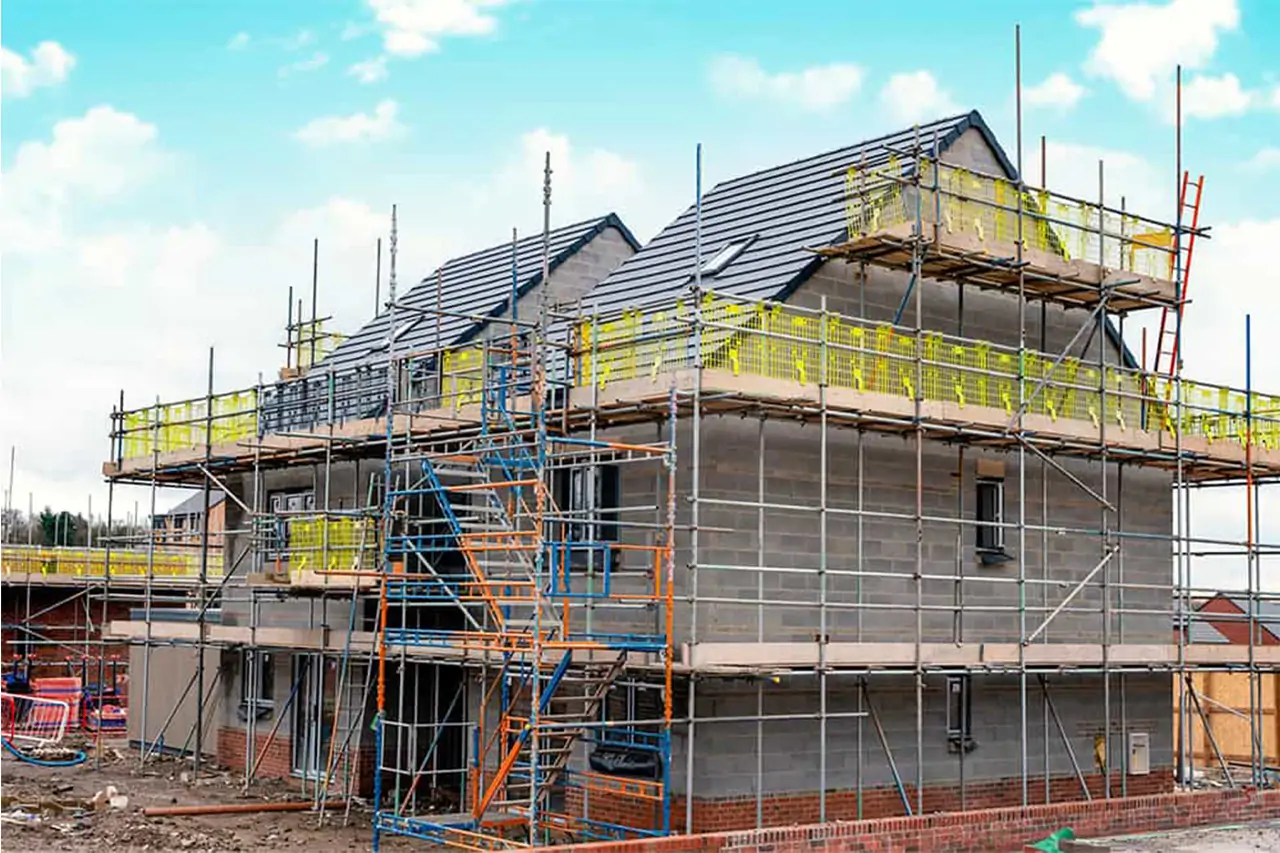
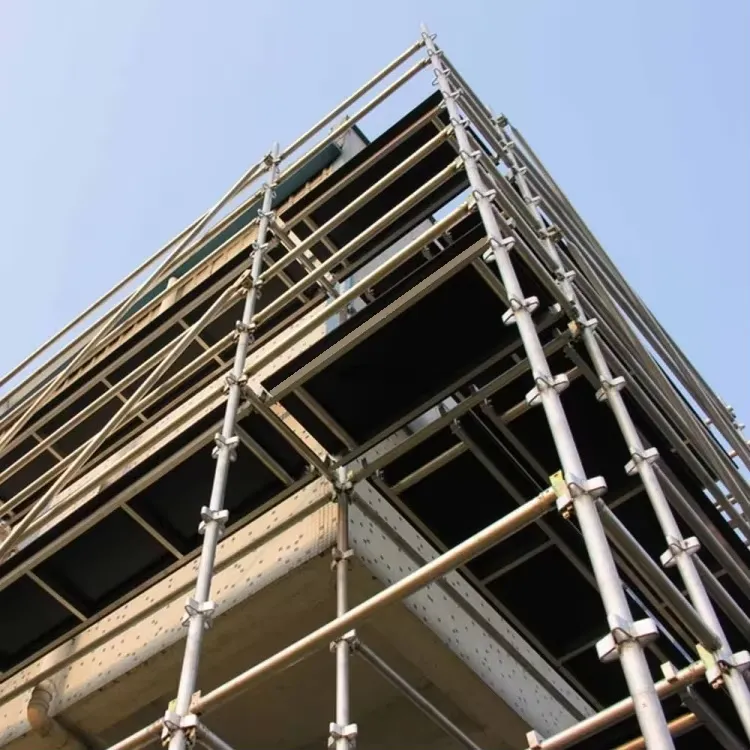
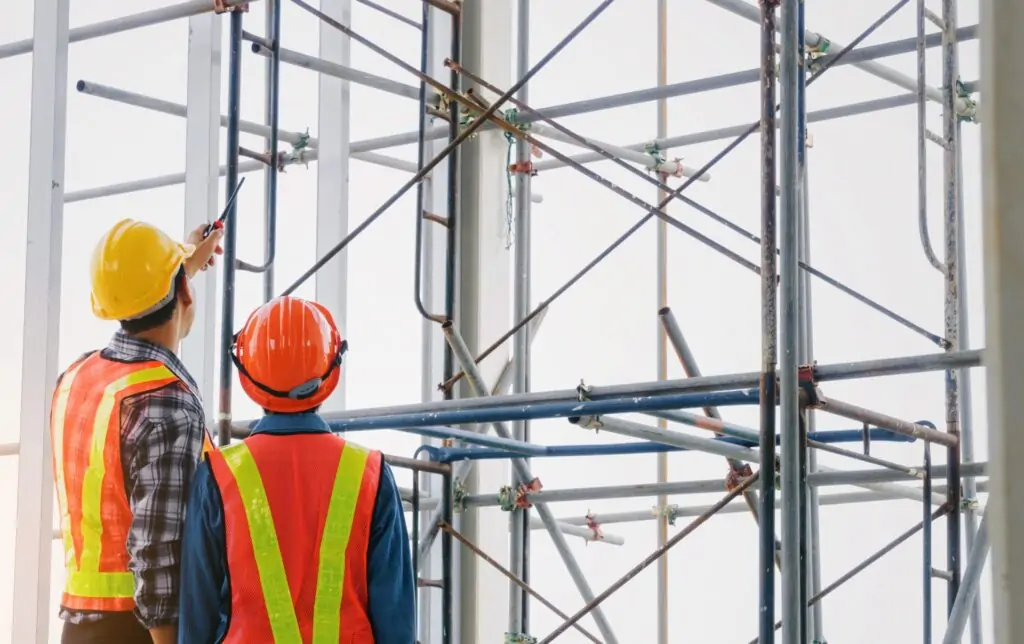
Tube and coupler scaffolding, often referred to as “tube and clamp,” is one of the most traditional of the different types of scaffolding. Its modular design consists of steel or aluminum tubes joined by fixed and swivel couplers, allowing craftsmen to assemble virtually any configuration needed. Whether you’re navigating around odd-shaped facades or working on industrial plants with irregular geometries, this system offers unmatched flexibility. You can adapt bay widths, lift heights, and platform layouts on the fly, making tube and coupler scaffolding a stalwart choice on both simple and complex projects.
Another major benefit of tube and coupler scaffolding is its robustness. The individual components are typically thicker and heavier than those used in prefabricated systems, translating into a high load-bearing capacity and superior resistance to lateral forces. However, this durability comes at the cost of time: erecting and dismantling tube and coupler scaffolds require skilled laborers and more hours on site. Despite this, many contractors still rely on this classic scaffold for long-term projects or scenarios demanding bespoke arrangements, proving that tried-and-true solutions remain invaluable in modern construction.
H-frame Scaffolding: Stability in Simplicity
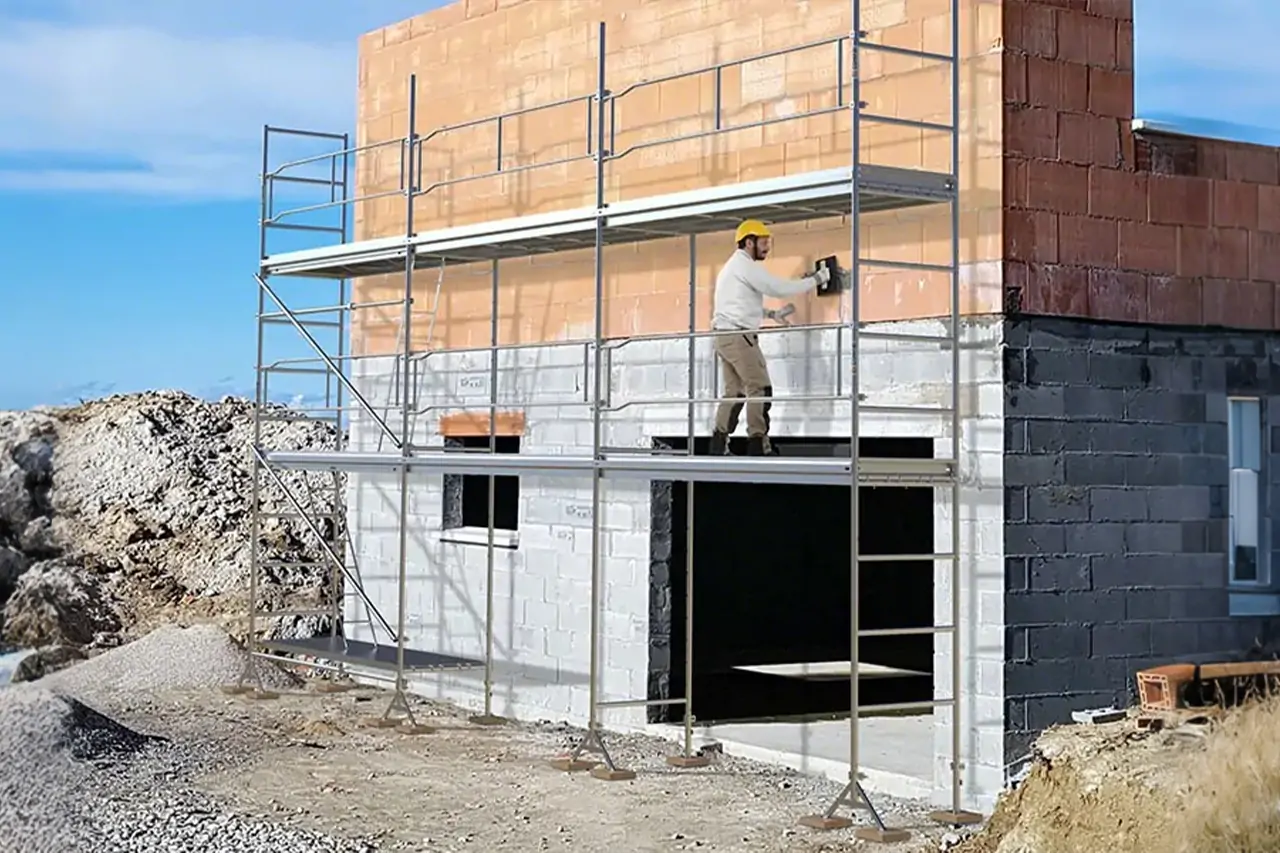
H-frame scaffolding, sometimes called façade or frame scaffolding, is distinguished by its paired vertical frames connected by horizontal cross braces. This configuration delivers remarkable stability with minimal assembly complexity. Contractors appreciate its plug-and-play nature: placing frames at regular intervals, dropping in ledgers, and fitting steel planks quickly create a working platform. As one of the more economical options among different types of scaffolding, H-frame systems often serve residential renovations, commercial storefronts, and low- to mid-rise building exteriors.
Beyond speed, H-frame scaffolding boasts safety advantages. The fixed spacing between frames ensures uniform load distribution and minimizes weak points. Guardrails, toe boards, and integrated ladders can be easily attached, further enhancing worker protection. On the flip side, the rigid frame dimensions can limit customization around protruding architectural features or irregular building footprints. Nonetheless, when project timelines and budgets are tight, H-frame scaffolding strikes a reliable balance between performance and cost-effectiveness.
Mobile Scaffolding: On-the-Go Support
Mobile scaffolding takes the concept of traditional systems and mounts them onto lockable wheels or casters, enabling effortless relocation. Ideal for tasks requiring frequent repositioning—such as painting large wall expanses, indoor maintenance, or repetitive tasks along long façades—mobile towers streamline work by eliminating the need to dismantle and rebuild static scaffolds. Workers can roll their platforms to the next section within seconds, significantly boosting productivity on the job site.
Despite its convenience, mobile scaffolding is best suited for lower heights—typically up to 20 feet—where stability remains uncompromised. For added safety, most designs include outriggers or stabilizers to broaden the base before elevation. The lightweight materials, often aluminum, make these units easy to maneuver but limit their load-bearing capacity compared to tubular or steel scaffolding options. When used within its intended scope, mobile scaffolding is an invaluable tool for swift, safe, and efficient on-the-go support.
Steel Scaffolding: Strength and Durability Combined
Steel scaffolding stands out among different types of scaffolding for its exceptional strength and longevity. Crafted from high-grade steel tubes, braces, and clamps, this system can handle heavy-duty loads and withstand harsh environmental conditions. Its corrosion-resistant coatings and fire-retardant properties make it a go-to for industrial plants, petrochemical installations, and large-scale construction projects where maximum durability is non-negotiable.
Another advantage of steel scaffolding is its compatibility with specialized accessories—such as cantilever beams, debris nets, and hoists—allowing comprehensive safety and logistical solutions. However, the robustness of steel comes with increased weight and cost compared to aluminum alternatives. Handling and transportation demand more manpower and equipment, and budget considerations may lead some contractors to opt for lighter systems on smaller projects. Yet for scenarios where structural resilience and longevity are paramount, steel scaffolding remains the undisputed champion.
Conclusion: The Evolution of Scaffolding Systems
From the adaptable tube and coupler framework to the streamlined H-frame, the efficient mobility of rolling towers, and the industrial might of steel systems, the world of scaffolding offers solutions for every challenge. Each type carries unique strengths and trade-offs, underscoring the importance of selecting the right scaffold for safety, productivity, and cost-effectiveness.
As construction techniques advance and architectural ambitions soar, scaffolding continues to evolve, integrating innovations in materials, design, and safety technology. By understanding the distinct capabilities of each system, project teams can elevate their work—quite literally—to new heights.
