


Imagine reaching new heights without the constant fear of losing stability or balance. This is the reality that ladder scaffolding offers to those who work above ground level every day. Whether you’re a construction professional, a painter, or a weekend DIY enthusiast, the significance of safety at elevated positions cannot be overstated. Ladder scaffolding emerges as an indispensable tool, providing not only the necessary elevation but also ensuring the utmost security and support. In this comprehensive guide, we’ll delve into why ladder scaffolding is not just a convenience but a critical component of safe work practices.
Statistics reveal that falls from heights account for a significant percentage of workplace injuries each year. Yet, many of these accidents are entirely preventable with the right equipment and precautions. Ladder scaffolding helps bridge the gap between ambition and safety, making it possible to complete high-up tasks with confidence and ease. As you navigate through this post, you’ll uncover insights into the advantages of using ladder scaffolding and tips on how to choose the right type for your specific needs. Prepare to elevate your understanding of workplace safety to new heights.

Importance of Workplace Safety
Workplace safety isn’t just a regulatory checkbox—it’s the cornerstone of any successful operation. Every year, countless workers suffer injuries or worse due to preventable accidents when working at height. From bruises and sprains to life-altering head and spinal injuries, the consequences of a fall can be devastating both personally and financially. Employers face lost productivity, increased insurance premiums, potential litigation, and damage to their reputation. By prioritizing safety through proper training, risk assessment, and equipment like ladder scaffolding, organizations demonstrate their commitment to employee well-being and operational excellence.
Implementing robust safety measures not only protects workers but also boosts morale and loyalty. Knowing that their employer values their health encourages staff to stay engaged and focused. Furthermore, a strong safety culture often leads to greater operational efficiency: fewer accidents mean less downtime, reduced project delays, and lower costs associated with medical leave or compensation claims. Regulatory bodies such as OSHA set clear standards, and compliance is mandatory. Investing in quality equipment—especially reliable ladder scaffolding—can help meet or exceed these regulations, making sure every task carried out at elevation is as secure as possible.
Understanding Ladder Scaffolding
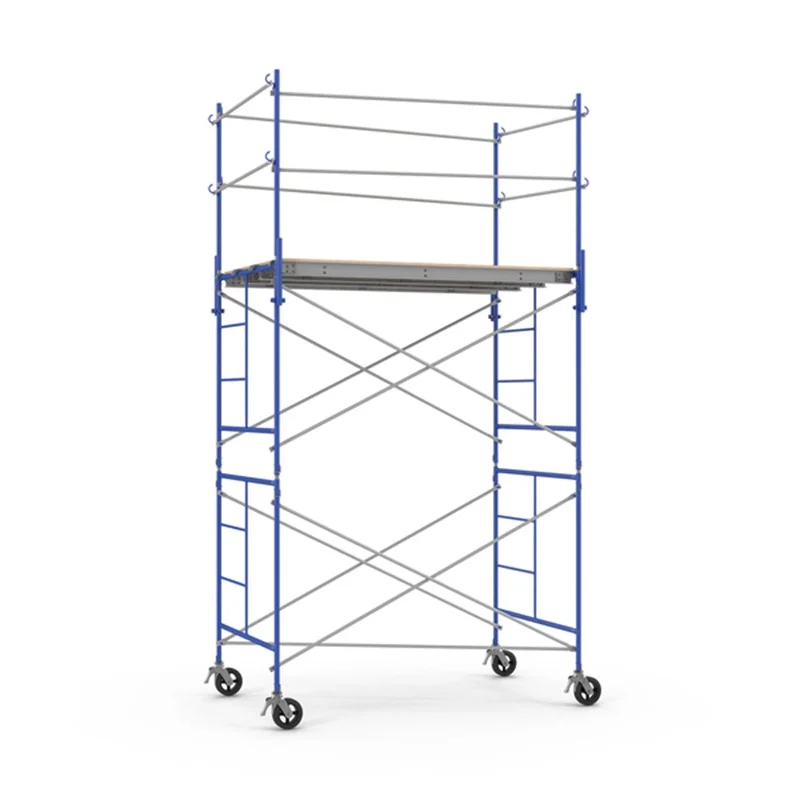
Ladder scaffolding, sometimes called “step-over” or “tower” scaffolding, blends the simplicity of a ladder with the stability of a scaffold platform. Unlike traditional ladders that offer only a narrow standing surface, ladder scaffolding features a broad planked platform surrounded by guardrails, enabling workers to move freely and store tools safely. Supported by adjustable legs and cross braces, this system maintains a firm footing even on uneven ground, reducing the risk of slips or collapses. Its modular design allows for easy assembly, height customization, and disassembly, making it a versatile choice for many industries.
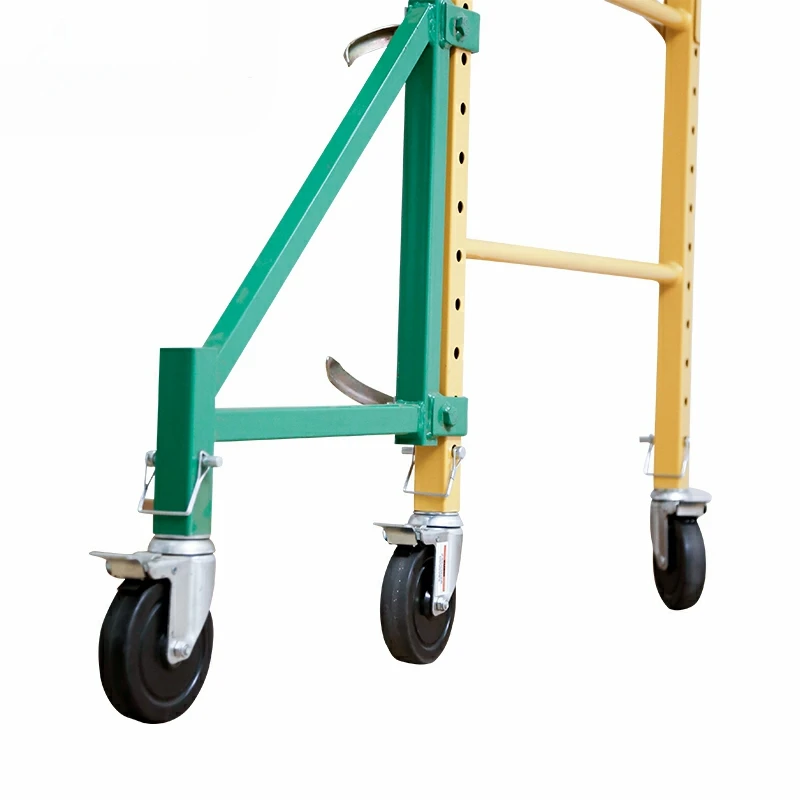
Whether you’re painting a large wall, installing electrical fixtures, or performing maintenance on a building facade, ladder scaffolding provides a stable and ergonomic work surface. The load capacity generally exceeds that of handheld ladders, accommodating multiple workers and heavy equipment simultaneously. Additionally, many modern ladder scaffolds come with features such as swivel casters for mobility, locking stabilizers for extra steadiness, and non-conductive materials for electrical safety. By understanding these core components and benefits, users can better evaluate when ladder scaffolding is the optimal solution for tasks at height.
Types of Ladder Scaffolding
Identifying the right type of ladder scaffolding hinges on task requirements, work environment, and portability needs. Standard frame scaffolds are common on construction sites, offering robust steel or aluminum frames that support heavy loads. These units are ideal for prolonged projects on level surfaces, thanks to their high load capacities and customizable heights. If mobility is a priority, mobile tower scaffolding fitted with lockable wheels allows workers to reposition the platform swiftly without disassembly, perfect for multi-room renovations or facility maintenance.
For lighter tasks or confined spaces, mini scaffold towers provide a compact footprint and easy maneuverability. Often constructed from lightweight aluminum, they can be lifted through doorways and narrow corridors. These models strike a balance between convenience and stability, supporting single users and their tools while maintaining compliance with safety standards. More specialized ladder scaffolding, like electric or non-conductive versions, cater to electricians and sensitive environments where material conductivity is a concern. By evaluating these options, work teams can select ladder scaffolding tailored to their unique project demands.
Advantages of Using Ladder Scaffolding
Ladder scaffolding brings numerous advantages that make it a go-to solution for elevated tasks. First, its stability far exceeds that of a simple ladder: with guardrails, wide planks, and adjustable legs, users experience significantly reduced sway and wobble. This enhanced steadiness translates to higher work quality, as steady footing allows for more precise operations, be it painting straight lines or aligning fixtures. Moreover, the platform accommodates multiple workers and tools at once, streamlining team collaboration and minimizing repetitive climbs up and down.
Another key benefit is efficiency. Quick assembly and disassembly features permit teams to erect or dismantle ladder scaffolding in minutes, saving valuable man-hours. Mobility options, such as swivel casters with locking mechanisms, enable crews to traverse large job sites without carrying individual units, further boosting productivity. Cost-effectiveness also comes into play: the durability of aluminum or galvanized steel frames ensures long service life, while modular components can be reconfigured for various heights and layouts, reducing the need for purchasing multiple scaffold systems. Ultimately, ladder scaffolding enhances safety, speed, and savings—crucial factors in any project’s success.
Training and Certification Requirements
Proper training is non-negotiable when working with ladder scaffolding. Regulatory agencies like OSHA mandate that all personnel involved in erecting, dismantling, or modifying scaffold systems be trained by a qualified instructor. This training covers hazard recognition, load capacities, use of personal protective equipment (PPE), and emergency procedures. Participants learn to inspect components for damage or wear, verify ground conditions, and secure guardrails and access points before beginning work. Regular refresher courses ensure up-to-date knowledge on evolving standards and best practices.
Certification programs often combine classroom instruction with hands-on demonstrations, allowing trainees to practice real-world setup and troubleshooting under supervision. Successful candidates receive documentation certifying their competence—documentation that employers must retain for record-keeping and compliance audits. Beyond legal requirements, investing in comprehensive training fosters a safety-first culture, empowering workers to identify risks and take corrective action proactively. When everyone understands ladder scaffolding’s intricacies and potential hazards, the likelihood of accidents decreases dramatically.
Conclusion: Elevating Workplace Safety with Ladder Scaffolding
Ladder scaffolding represents a pivotal advancement in fall-prevention technology, marrying stability, flexibility, and efficiency in one system. By choosing the appropriate scaffold type, adhering to training protocols, and conducting regular inspections, organizations can dramatically reduce height-related incidents. The result is a safer workforce, fewer disruptions, and greater project success.
Embracing ladder scaffolding isn’t merely about meeting regulations—it’s an investment in people and productivity. As you plan your next elevated task, make ladder scaffolding the cornerstone of your safety strategy.
