
Planning a job that’s just out of reach? For many, the thought of wobbling on a ladder is nerve-wracking. Thankfully, there’s a much safer, more stable alternative professionals rely on: the tower scaffold.
A tower scaffold is a sturdy, freestanding work platform you can easily rent. It provides a solid base to stand on with both hands free and plenty of room for your tools, allowing you to work more efficiently and safely. Hiring one is simpler than you might think. This guide explains how to choose the right height and the crucial safety questions to ask, giving you the confidence to order the right equipment for your project.
What Exactly Is a Tower Scaffold (And Why Is It So Much Better Than a Ladder)?

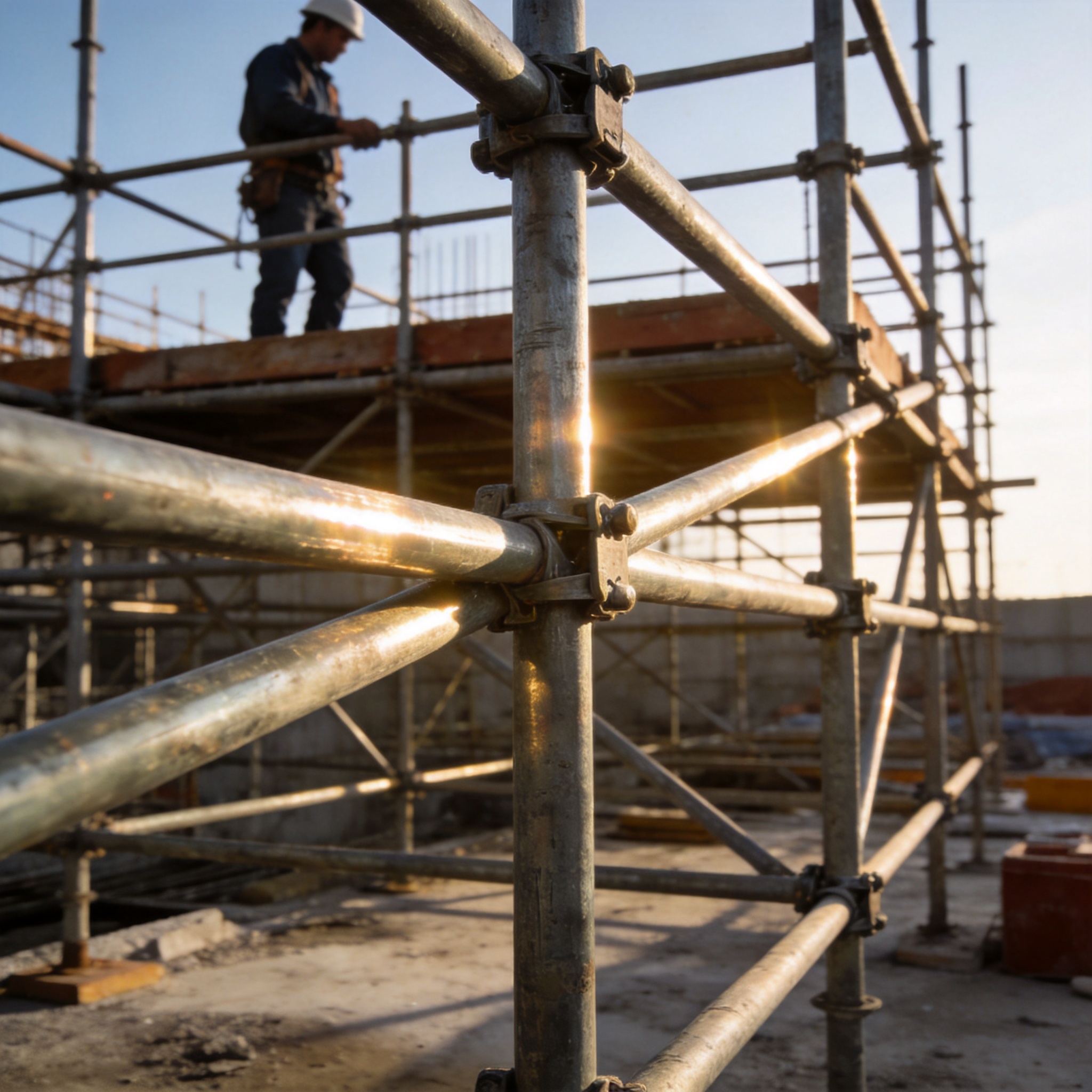
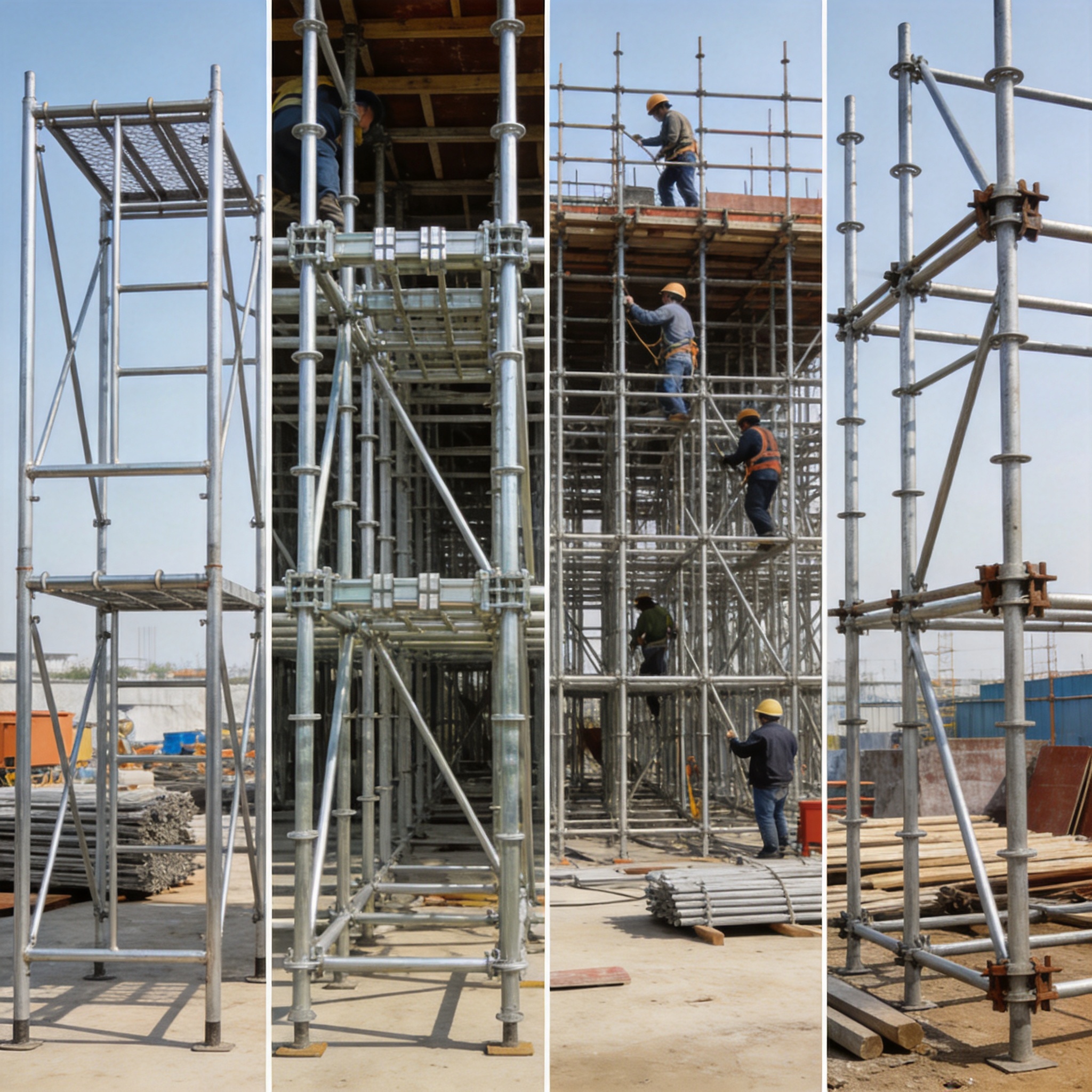
A tower scaffold is the professional’s secret for getting jobs done safely and efficiently. Think of it not as complex building scaffolding, but as a sturdy, movable workbench you can place at height. It’s a free-standing, lightweight aluminum structure with a large, solid platform to stand on, giving you a secure work area.
When considering a safe alternative to a ladder for exterior work, the benefits of a tower are immediately clear. The difference in stability and usability is night and day.
- Stability: A ladder has a tiny, narrow base, making it prone to wobbling. A tower has a wide, square base with lockable wheels and supports, creating an incredibly stable foundation.
- Work Area: A ladder gives you a single rung for your feet. A tower platform provides a large, flat surface with room for you, your tools, and materials.
- Efficiency: You have to climb down and move a ladder every few feet. A tower can be easily rolled into position, covering a much larger area before it needs to be moved.
Ultimately, this stability and space let you work with both hands free. This not only makes you safer but dramatically improves the quality of your work, whether you’re painting a wall or repairing a gutter. The best scaffold tower for home use comes down to one key factor: getting the height right.
The Most Important Question: How to Pick the Right Scaffold Tower Height

Getting the height right is the single most important step in hiring a tower, but it’s far simpler than you might think. When you call a hire company, they don’t need complex model numbers; they just need one key measurement. The secret is understanding the difference between where you stand and where you work.
To figure this out, you only need to know two terms: platform height vs working height. The ‘platform height’ is exactly what it sounds like: the height from the ground to the sturdy platform you will be standing on. This is the number you will give to the hire company.
The ‘working height’, on the other hand, is the maximum height you can comfortably reach while standing on that platform. Think of it as your own height and arm’s reach added on. As a reliable rule of thumb, your working height is about 2 metres (roughly 6.5 feet) above the platform height.
This gives us a simple, foolproof formula to determine what size scaffold tower I need. Just take a tape measure and find the height of the highest point you need to work on—the eaves for scaffolding for exterior painting, for example. Then, subtract 2 metres from that measurement. The number you’re left with is the platform height to ask for.
Tower Scaffold vs. Cherry Picker: Which One Do You Really Need?
While a scaffold tower is perfect for jobs on flat ground right up against a building, what happens when something’s in the way? If a conservatory, a tricky garden slope, or a prize-winning rose bush is blocking your access, a tower can’t help. This is where you might need to consider a different piece of kit.
You’ve likely seen a cherry picker before. Think of it as a secure basket on the end of a long, mechanical arm. Its main job is to lift you up and over obstacles to reach difficult spots. The entire scaffold tower vs cherry picker debate usually boils down to a single question: can you work directly below the area you need to reach?
For the vast majority of home projects—painting walls, clearing gutters, or minor roof repairs—the answer is yes. Because of this, a scaffold tower is almost always the simpler, safer, and more budget-friendly option. It provides a large, stable work area without the complexity or higher cost of motorised equipment, making it the go-to choice for most DIYers.
What to Expect: Your Simple 4-Step Scaffold Tower Rental Guide
Once you know the required platform height, arranging the hire is a refreshingly simple process. When you’re ready to hire a scaffold tower, it typically boils down to four straightforward steps.
A good hiring company will guide you through the process, which looks like this:
- Measure & Call: Contact the company with your required platform height, your address, and how long you’ll need the tower (e.g., “a weekend” or “one week”).
- Schedule Delivery: The company drops off all the components right where you need them.
- Use Safely: After assembly, you get your project done. A reputable firm will provide instructions and a safety briefing.
- Arrange Collection: Once you’re finished, a quick call is all it takes to have them come and pick it all up.
You only need those three pieces of information to get an accurate quote. When looking at the scaffold tower rental cost, remember that the price usually covers more than just the equipment itself; delivery, collection, and safety documentation are often included. This transparency is a key sign when choosing a scaffold hire company.
The One Safety Question You MUST Ask Before Hiring
When dealing with something as important as working at height, you want absolute confidence in your equipment. But how can you be sure the tower you’re hiring is up to scratch? Thankfully, you don’t need to become an expert. All it takes is asking one simple question that cuts through the jargon and guarantees your peace of mind.
That question revolves around an acronym: PASMA. Think of PASMA (the Prefabricated Access Suppliers’ and Manufacturers’ Association) as the official stamp of approval for mobile scaffold towers in the UK. When a hire company offers PASMA-certified equipment, it means their gear is properly inspected, maintained, and meets the strict standards required by the official working at height regulations. It’s your single best guarantee of quality and safety.
Your only job is to ask the hiring firm: “Is your equipment PASMA certified?” While professionals using towers for work often need PASMA training requirements to be met, for your own DIY project, the focus is on the equipment itself. By insisting on PASMA-certified gear, you are ticking the most important box on your mobile scaffold tower safety checklist. A “yes” to that question means you’re ready to go.
Setting Up Safely: 3 Non-Negotiable Rules for Using Your Tower
Getting PASMA-certified gear is the first half of the safety puzzle; the second is setting it up correctly. The very first step in how to erect a mobile scaffold tower is finding the right spot. Your tower must always be built on firm, level ground. A paved patio or driveway is ideal. Any significant slope or soft patch of grass can make the entire structure dangerously unstable before you even start climbing.
Once you’ve positioned your tower, your next move is to make it completely stationary. Look at the base, and you’ll see the key access tower components explained: the castor wheels and the outriggers. Firmly push down the brake levers on all four wheels to lock them. Next, fit the outriggers—those splayed ‘legs’ that extend from the corners. Think of them like a bike’s stabilisers; they create a wide, stable footprint that prevents tipping. This step is vital for all models, even a special narrow width access tower for stairs where space is tight.
Finally, there’s one golden rule that can never be broken: never, ever move a tower while someone is on the platform. It’s incredibly dangerous and the fastest way to cause a serious accident. To keep it simple, burn these three points into your mobile scaffold tower safety checklist:
- Rule 1: Always build on firm, level ground.
- Rule 2: Lock all wheels and fit the outriggers before you climb.
- Rule 3: Never move the tower with a person or materials on it.
Your Go-To Checklist for Hiring a Scaffold Tower with Confidence
With the knowledge to measure your job and understand the safety essentials, you can confidently hire a scaffold tower. Use this final checklist to ensure a successful rental, covering everything from height to the final scaffold tower rental cost.
Your 5-Point Hiring Checklist
- What is my required working height?
- What platform height do I need?
- Is your equipment PASMA certified?
- What is the total cost, including delivery/collection?
- What day can you deliver?
You’ve traded uncertainty for a professional-grade plan. That high-up project is no longer daunting; it’s a job you’re ready to tackle safely, efficiently, and with the stability you deserve.
FAQ
1. What are tower scaffolds?
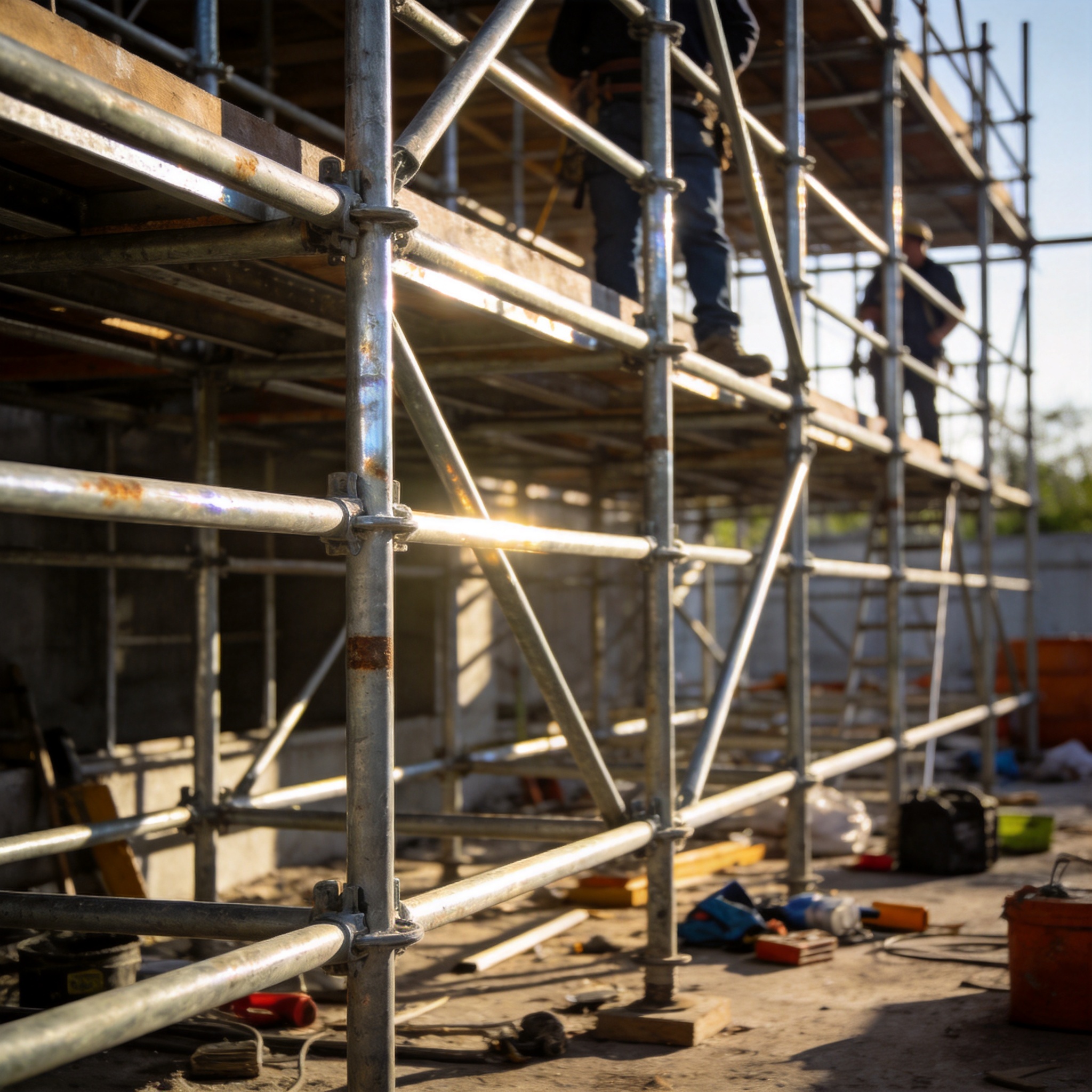
Tower scaffolds are temporary vertical structures designed to provide safe access and working platforms at height. They are typically built with a stable frame (often four legs) and platforms for workers to stand on.
2. What are tower scaffolds used for?
Tower scaffolds are commonly used for:
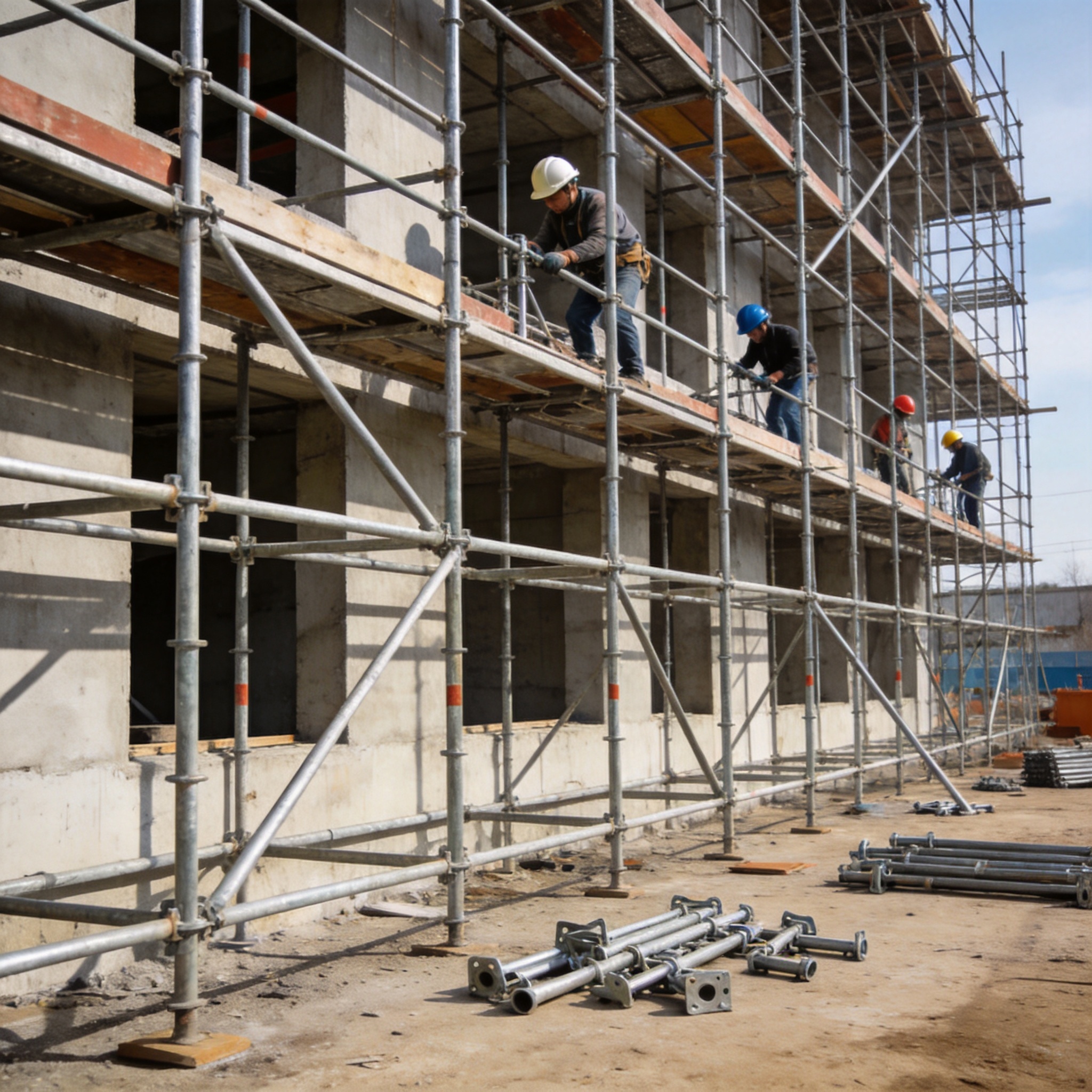
- Construction and building maintenance
- Painting and decoration
- Electrical and installation work
- Indoor and outdoor repairs
They are especially useful for localized work areas where full scaffolding is unnecessary.
3. What are the main types of tower scaffolds?
Common types include:
- Mobile tower scaffolds (with wheels for easy movement)
- Fixed/free-standing towers
- Tied towers (secured to structures)
- One-man towers (compact and easy to assemble)
Each type is designed for different heights, mobility, and stability requirements.
4. What are the advantages of tower scaffolds?
- Greater stability compared to ladders
- Larger working platform for tools and movement
- Adjustable height and modular design
- Suitable for both indoor and outdoor use
- Improved safety with guardrails and toe boards
5. What safety precautions should be followed?
- Ensure proper assembly by trained personnel
- Use on firm, level ground
- Install guardrails, braces, and stabilizers
- Do not exceed the recommended height
- Avoid use in strong winds or with missing parts
- Regular inspection is required for safe operation
