
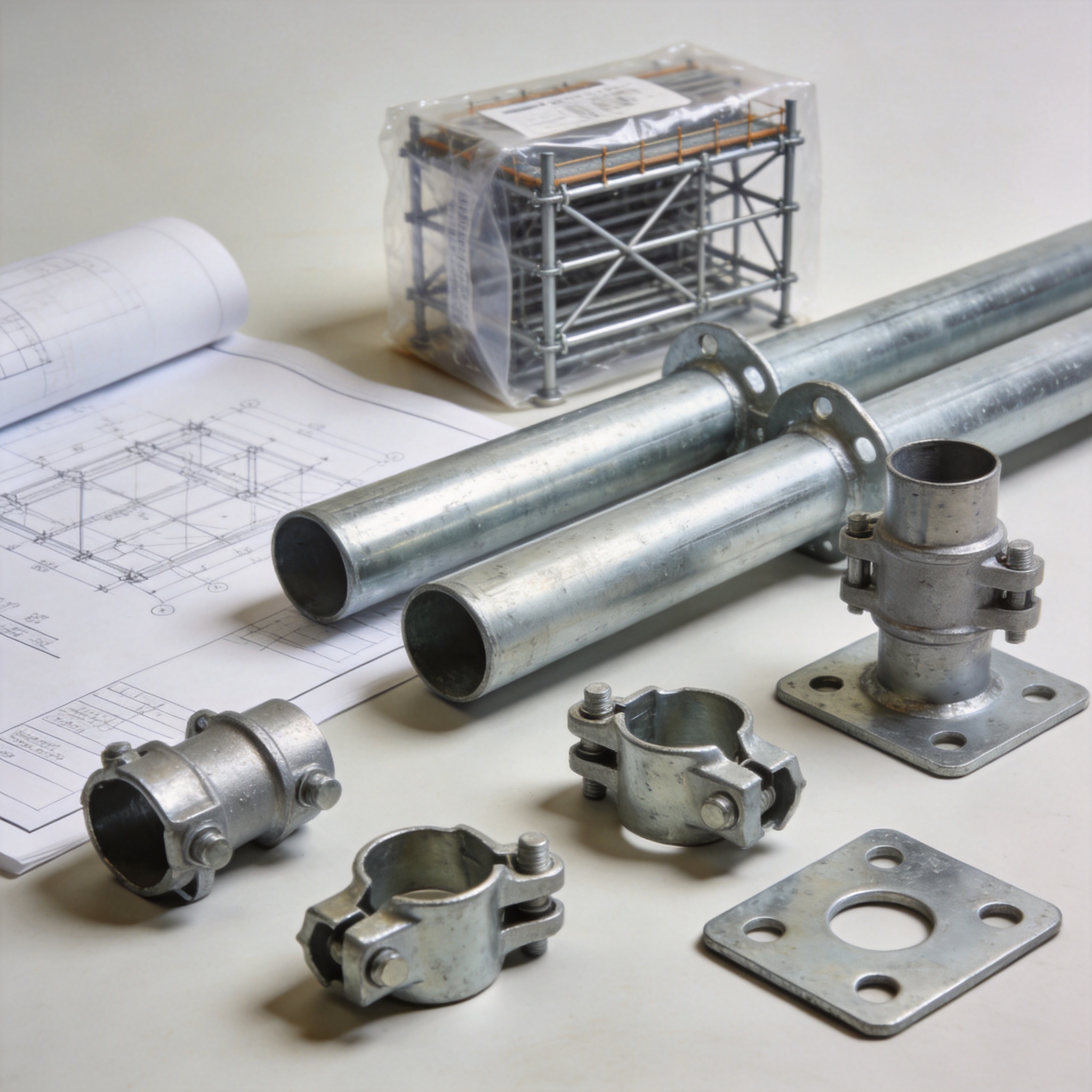


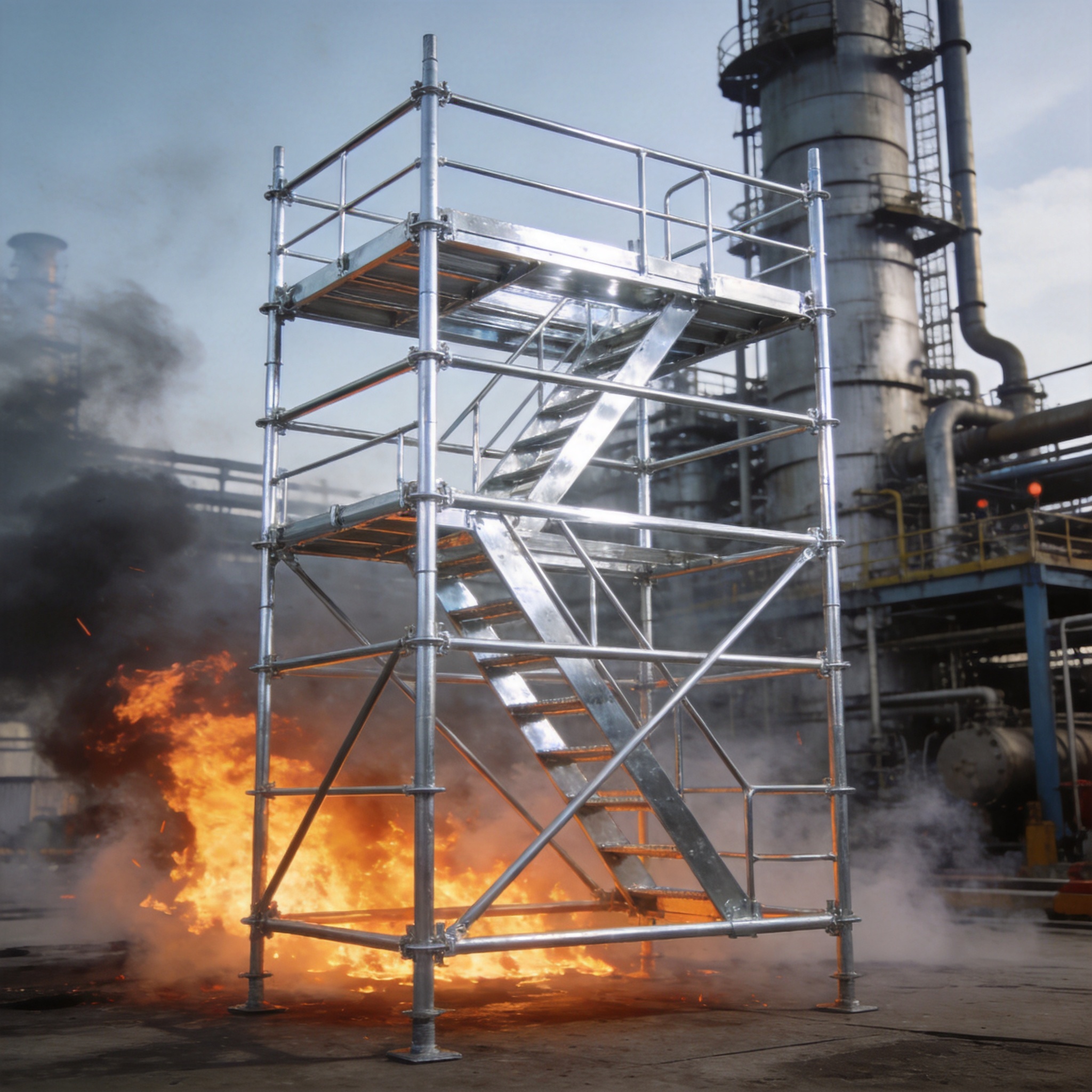
Imagine a construction site without scaffolding; it’s almost like picturing a painter without a canvas. These temporary structures are the unsung heroes of the architectural world, supporting workers as they breathe life into towering skyscrapers or meticulously restore ancient buildings. Yet, beneath their robust and functional facade lies a fascinating diversity that might surprise even those who consider themselves well-versed in construction. From simple systems designed for quick use to intricate setups tailored for the most ambitious architectural endeavors, scaffolding types play an integral role in the safety, efficiency, and success of countless projects worldwide.
Beyond their obvious utility, the choice of scaffolding types can impact everything from budget constraints to project timelines. Each type holds unique characteristics specially crafted to meet the distinct demands of various job sites. Whether you’re a budding construction manager or just someone with a keen interest in how things are built, understanding these varieties offers a glimpse into the ingenuity and precision that underpin this essential craft. As we delve deeper, you’ll discover not only what makes each type unique but also how they collectively contribute to building our urban landscapes.
Single-Frame Scaffolding
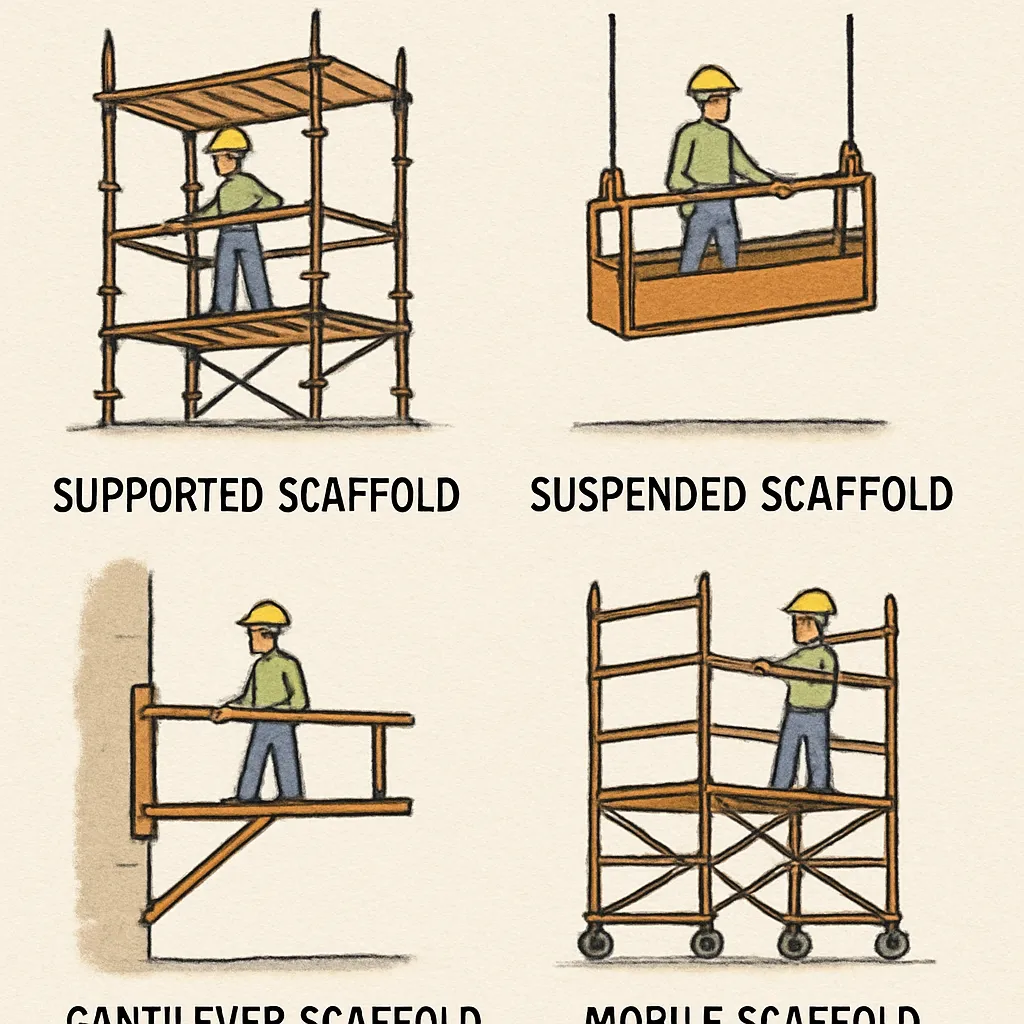
Single-frame scaffolding, sometimes called one-way access, is the most basic and widely used scaffold system on construction sites. It consists of lightweight, pre-fabricated frames—typically made of aluminum or steel—connected by cross braces. The simplicity of this design allows for rapid assembly and disassembly, making it an economical choice for projects needing quick turnaround. Each frame usually has standard dimensions, such as 5 or 6 feet in height, ensuring consistent platform levels that workers can step up to and down from with ease.
Despite its straightforward nature, single-frame scaffolding must comply with strict safety standards. Guardrails, cross braces, and properly secured planks are essential to minimize fall risks. While this scaffolding type is ideal for indoor renovations, painting, or light masonry work, it becomes less practical for heavy-duty or high-rise applications due to limited load capacity and height restrictions. Nonetheless, when matched with the right task, single-frame scaffolding remains a top choice among the various scaffolding types for its cost-effectiveness, portability, and ease of use.
Double-Frame Scaffolding
Double-frame scaffolding builds upon the single-frame concept by adding a second set of frames side by side, effectively doubling the width and providing a more stable platform. This extra width accommodates two workers and their equipment, allowing them to work simultaneously without compromising safety. Like single-frame systems, double-frame scaffolding uses cross braces for rigidity and usually features standardized dimensions to facilitate modular expansion across a job site.
One of the key advantages of double-frame scaffolding is its enhanced load capacity. It can support heavier materials and tools, making it suitable for more demanding tasks such as bricklaying, exterior cladding installation, and other mid-level construction work. The robust design also reduces sway and vibration, improving worker confidence when working at elevated heights. While the initial setup may take slightly longer compared to its single-frame counterpart, the operational benefits often outweigh the extra assembly time, particularly on projects requiring sustained productivity and higher load-bearing requirements among the various scaffolding types.
Steel Scaffolding
Steel scaffolding stands out among the different scaffolding types for its exceptional strength and durability. Constructed from high-grade steel tubes and couplers, this system can endure heavy loads, extreme weather conditions, and prolonged usage without significant wear. The steel tubes are typically galvanized or painted to resist corrosion, making them ideal for outdoor applications such as bridge repairs, high-rise construction, and industrial maintenance.
The primary benefit of steel scaffolding lies in its load-bearing capacity—far surpassing that of aluminum or wooden alternatives. This robustness allows contractors to build higher and handle large quantities of materials simultaneously, accelerating project timelines. However, the increased weight of steel components means that assembly and transportation require more labor and specialized equipment, which can raise upfront costs. Despite this, many professionals consider the long-term value and safety assurances provided by steel scaffolding to be well worth the investment, especially on projects where stability is paramount and downtime must be minimized.
Kwikstage Scaffolding
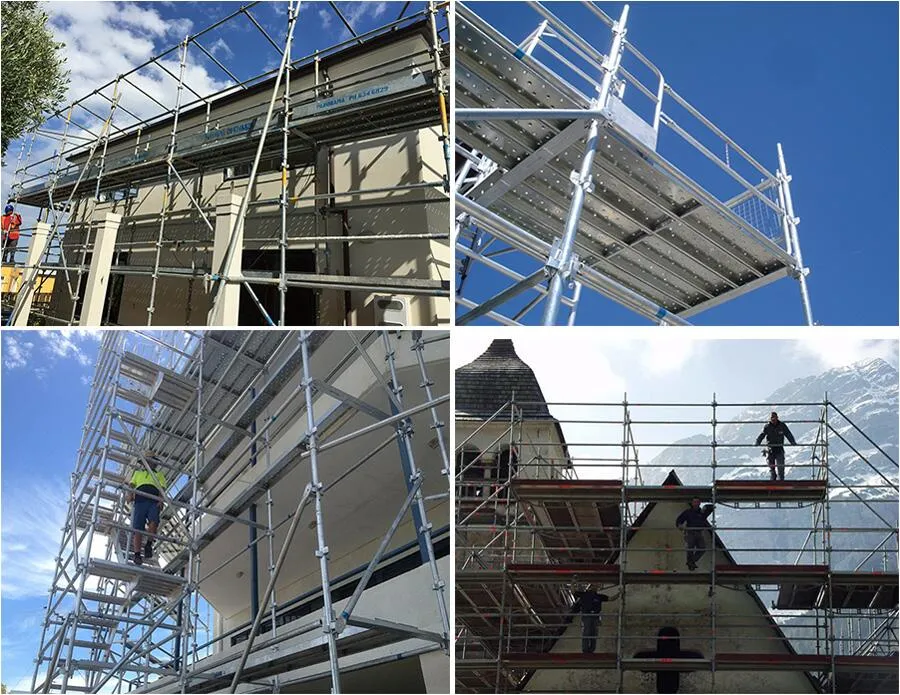
Kwikstage scaffolding is a modular system that has gained popularity in Europe and other regions for its versatility and speed of assembly. It features a rosette or ring-lock connector that allows steel standards, ledgers, and braces to be quickly locked into place without the need for loose pins or clips. This tool-free assembly reduces human error and expedites the erection of complex scaffold structures, from simple access towers to fully enclosed working platforms.
One of the hallmarks of Kwikstage is its adaptability. The modular components can be configured into a variety of shapes and sizes to meet site-specific challenges, such as uneven terrain or building facades with intricate contours. The system’s inherent strength, derived from the interlocking rosette design, ensures high load-bearing capacity and stability at multiple levels. Although Kwikstage components tend to be heavier and more expensive than basic frame scaffolds, the reduction in labor hours and enhanced safety make it a preferred choice among the various scaffolding types for large-scale commercial, industrial, and heritage restoration projects.
FAQ
1. What are the most common scaffolding types used in construction?
The most common scaffolding types include frame scaffolding, ringlock scaffolding, cuplock scaffolding, suspended scaffolding, mobile scaffolding, cantilever scaffolding, and tube and clamp scaffolding.
2. Why are there different scaffolding types?
Different scaffolding types are designed to meet various project requirements, working heights, load capacities, and site conditions. Choosing the right scaffolding type improves safety, efficiency, and productivity.
3. What is frame scaffolding?
Frame scaffolding is one of the most widely used scaffolding types. It consists of welded frames and cross braces, making it easy to assemble and suitable for general construction and maintenance work.
4. What are the ringlock and cuplock scaffolding types?
Ringlock and cuplock are modular scaffolding types that use locking mechanisms to connect components quickly. They provide high load capacity and flexibility for complex structures and industrial projects.
5. Which scaffolding types are suitable for high-rise buildings?
For high-rise construction, common scaffolding types include ringlock scaffolding, suspended scaffolding, and mast climbing platforms due to their stability, adaptability, and ability to reach significant heights.
Conclusion: Importance of Choosing the Right Scaffolding Type
Selecting the appropriate scaffolding type is a critical decision that hinges on project scope, budget, and safety requirements. From simple single-frame units to specialized Kwikstage systems, each scaffold offers distinct advantages that can influence efficiency and worker protection.
By understanding the unique features and limitations of each scaffold—whether concerning load capacity, assembly speed, or adaptability—construction managers can optimize resource allocation and mitigate risks. Ultimately, the right choice contributes not only to smoother operations but also to the successful realization of architectural visions.
