


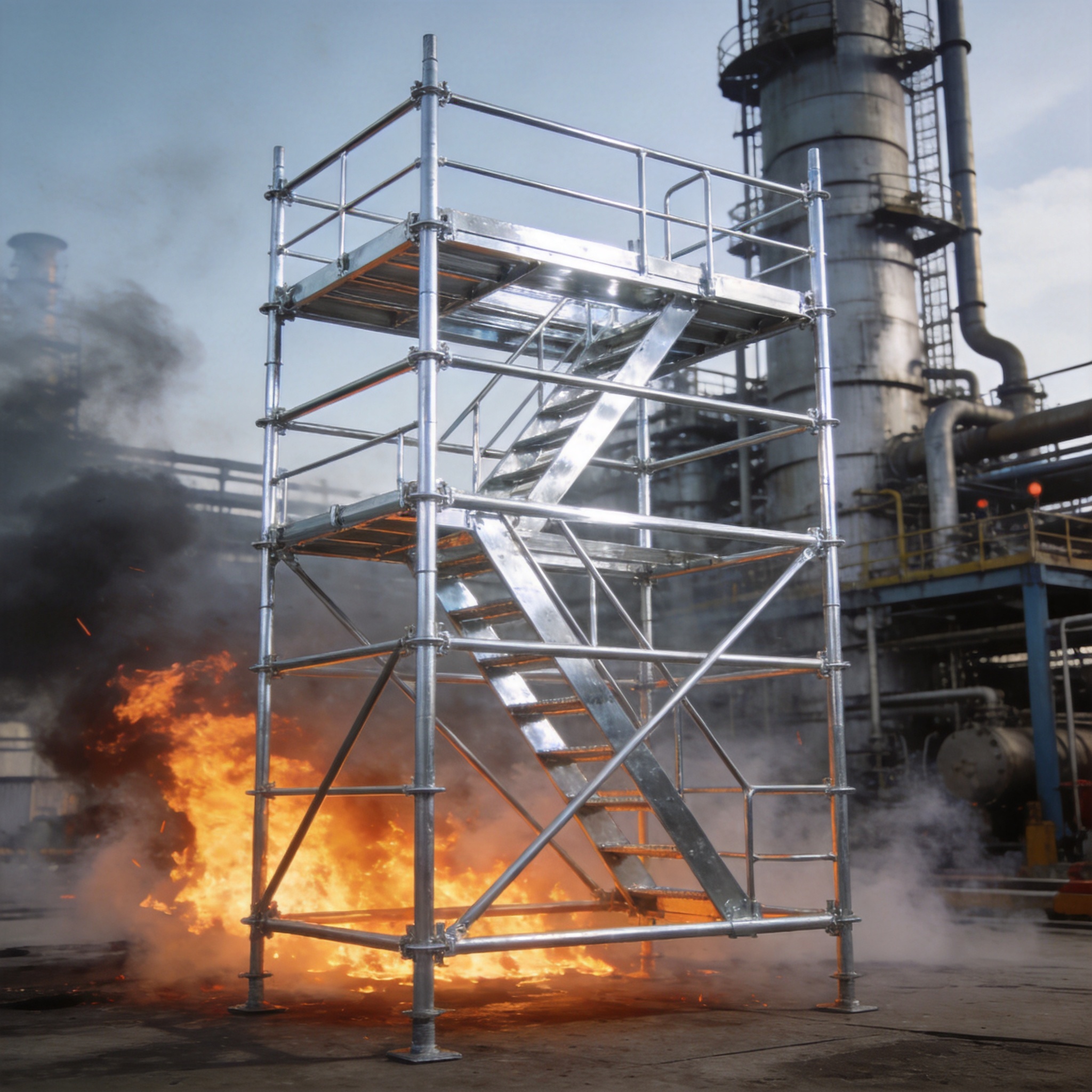


Imagine this: you’re standing on the ground, neck craned upwards, watching workers fearlessly navigate the towering heights of a skyscraper under construction. Their confidence and agility are a testament not only to their skill but also to the structural reliability of what supports them—exterior scaffolding. This intricate network of platforms and poles is more than just a means to reach great heights; it’s a cornerstone of construction safety and efficiency.
But have you ever paused to think about what goes into mastering the use of exterior scaffolding? From choosing the right materials to understanding the engineering principles that ensure stability, mastering this essential piece of construction equipment can radically transform project outcomes. Whether you’re a seasoned professional or a budding enthusiast eager to get your hands dirty, this complete guide offers a comprehensive roadmap to navigating the complexities of exterior scaffolding with expertise and precision. Ready to elevate your understanding? Let’s dive in.

Importance of Exterior Scaffolding in Construction
Exterior scaffolding is a critical component in modern construction projects, acting as both a safety net and a productivity enhancer. Without a sturdy scaffold system, workers would struggle to access high elevations safely, leading to slower progress and increased risk of falls. By providing a stable work platform, exterior scaffolding minimizes the hazards associated with working at height, including slipping, tipping, or structural failure when makeshift supports are used. In essence, it underpins the fundamental safety standards that every construction site must uphold.
Beyond safety, the adoption of quality exterior scaffolding dramatically influences project timelines and labor efficiency. When properly designed and installed, scaffolds allow multiple trades—masonry, painting, electrical, and more—to operate concurrently on different levels. This layered access accelerates workflow and maximizes on-site coordination, reducing downtime between tasks. Furthermore, reliable scaffolding systems can be adapted to the specific contours of a building’s exterior, ensuring seamless integration with architectural nuances while maintaining rigidity and load-bearing capacity.
Investing in robust exterior scaffolding also has long-term financial benefits. Though the upfront cost may seem significant, the reduction in accident-related delays, liability expenses, and rework far outweighs the initial outlay. Moreover, scaffolding systems are often reusable across projects, offering a cost-effective solution for firms committed to sustainability and resource optimization. Ultimately, exterior scaffolding is not merely a temporary fixture—it’s a strategic asset that shapes the efficiency, safety, and success of any construction endeavor.
Selecting the Right Materials for Exterior Scaffolding
The choice of materials for exterior scaffolding hinges on a balance between strength, durability, and ease of assembly. Steel is the industry standard for scaffold frames, prized for its high load-bearing capacity and resistance to deformation under heavy weights. Hot-dipped galvanized steel, in particular, offers superior corrosion resistance, making it ideal for long-term outdoor use where exposure to moisture and weather fluctuations is constant. However, steel can be heavy and requires proper handling equipment during transport and setup.
Aluminum scaffolding presents an attractive alternative when weight and maneuverability are top priorities. At roughly one-third the weight of steel, aluminum frames are easier to carry and reposition, speeding up erection and dismantling processes. Although aluminum lacks the raw strength of steel, it typically suffices for tasks involving lighter loads, such as painting or window installation. Its natural corrosion resistance adds to its appeal, though high-wind or extreme-load scenarios may necessitate supplemental bracing.
For decking and platforms, pressure-treated wood planks remain popular due to their affordability and ease of replacement. Engineered wood products, such as laminated veneer lumber (LVL), deliver enhanced uniformity and strength, reducing the risk of sagging or warping over time. Composite platforms—combining fiberglass or plastic with reinforcing fibers—offer excellent slip resistance and virtually no maintenance, although their higher price point can be prohibitive for large-scale deployments. Evaluate each material’s performance characteristics, lifespan, and total cost of ownership to determine the optimal scaffolding configuration for your project’s specific demands.
Erecting Exterior Scaffolding: Step-by-Step Guide
Before beginning any assembly, conduct a thorough site inspection to identify ground conditions, overhead obstructions, and proximity to utilities. Clear debris and level the terrain to ensure the base plates sit on a solid surface. If the ground is uneven, use adjustable screw jacks or base plate shims to achieve a plumb scaffold. Proper leveling is essential for the overall stability of your exterior scaffolding installation.
Next, lay out your base frames, securing them with base plates or adjustable screw jacks. Insert diagonal braces and horizontal ledgers to form the first bay, checking for square alignment with a carpenter’s square. Continue stacking frames and braces, ensuring each level is fully plumb before adding the next. As you ascend, install guardrails, mid-rails, and toe boards to comply with safety regulations and prevent tools or materials from falling.
Finally, mount decking or platform boards, ensuring they are fully secured and free from defects. Attach access ladders or stair towers at designated entry points, confirming that each ladder is firmly fastened to the scaffold structure. Implement tie-ins or anchoring systems every four to six meters to stabilize the scaffold against wind loads and accidental impacts. Conduct a comprehensive safety inspection before granting access—check for loose fittings, proper bracing, and unobstructed walkways to guarantee a secure working environment.
Maximizing Efficiency in Scaffolding Use
Efficient use of exterior scaffolding begins with meticulous planning. Map out work sequences to minimize scaffold repositioning, grouping tasks by elevation and trade. For example, schedule all facade cleaning, painting, and glazing operations in consecutive phases to reduce assembly and disassembly cycles. Establish clear communication channels between team leaders to coordinate scaffold moves, ensuring that equipment downtime is kept to a minimum.
Implement modular scaffold components that can be quickly reconfigured to suit changing project requirements. Folding guardrails, clip-on platforms, and lightweight walk-through frames allow crews to adapt the scaffold footprint without dismantling entire sections. Stock common spare parts—couplers, boards, and braces—on-site to address minor damage or wear immediately, preventing delays while waiting for replacements. Regularly inspect moving parts, such as coupler pins and ladder locks, lubricating and tightening them to maintain smooth operation.
Invest in training programs that empower workers to assemble, inspect, and modify exterior scaffolding safely and efficiently. Certified scaffold erectors can identify potential problems early, reducing the likelihood of costly errors. Encourage a culture of proactive maintenance: schedule periodic scaffold audits to detect corrosion, fatigue, or loose connections. By combining strategic planning, modular equipment, and ongoing training, you’ll optimize productivity while upholding the highest safety standards.
Conclusion: Mastering Safety and Efficiency in Exterior Scaffolding
Exterior scaffolding is more than just a temporary structure—it’s the backbone of high-rise construction, enabling safe and efficient access to every level of a project. From the choice of materials to the precision of assembly and the strategies for efficient use, each step contributes to the overall success and safety of the build.
By understanding the importance of a well-designed scaffold system, selecting durable components, following a disciplined erection process, and continuously optimizing workflow, you’ll elevate both safety and productivity on your job site. Master these principles, and exterior scaffolding will transform from a simple support system into a strategic asset for every construction endeavor.
