
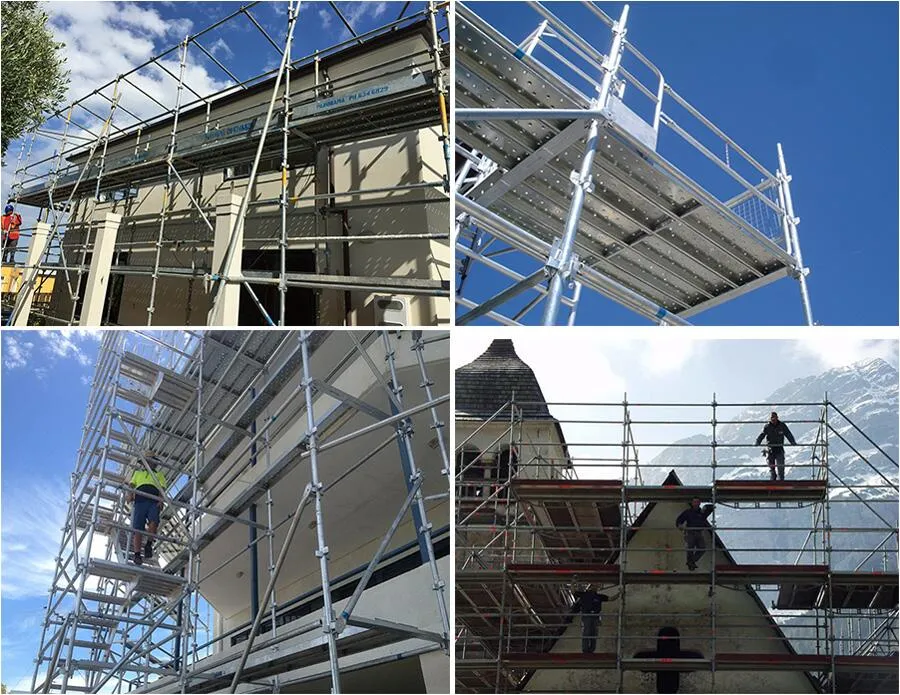

Imagine starting your next project with a tool that not only improves efficiency but also enhances safety and versatility. The frame ladders are designed to do exactly that. Whether you are a professional contractor or a DIY enthusiast, this modern ladder solution helps you complete tasks faster, safer, and with greater confidence.
Unlike traditional ladders, the frame ladder offers a stable structure and user-friendly design, making it an essential addition to any toolkit.

Understanding the Versatility of a Frame Ladder
The A-frame ladder is known for its self-supporting structure, which provides excellent stability without needing a wall or support surface. Its rigid A-shaped design ensures a firm base, making it suitable for both indoor and outdoor use.
From painting walls and installing lighting fixtures to performing maintenance work, a frame ladder adapts easily to various tasks. Its wide steps and reinforced side rails enhance safety, allowing users to work comfortably at different heights.
Multi-Function Features
Modern frame ladders often include additional features that improve efficiency:
- Adjustable legs for uneven surfaces
- Built-in tool trays for convenience
- Anti-slip feet for added safety
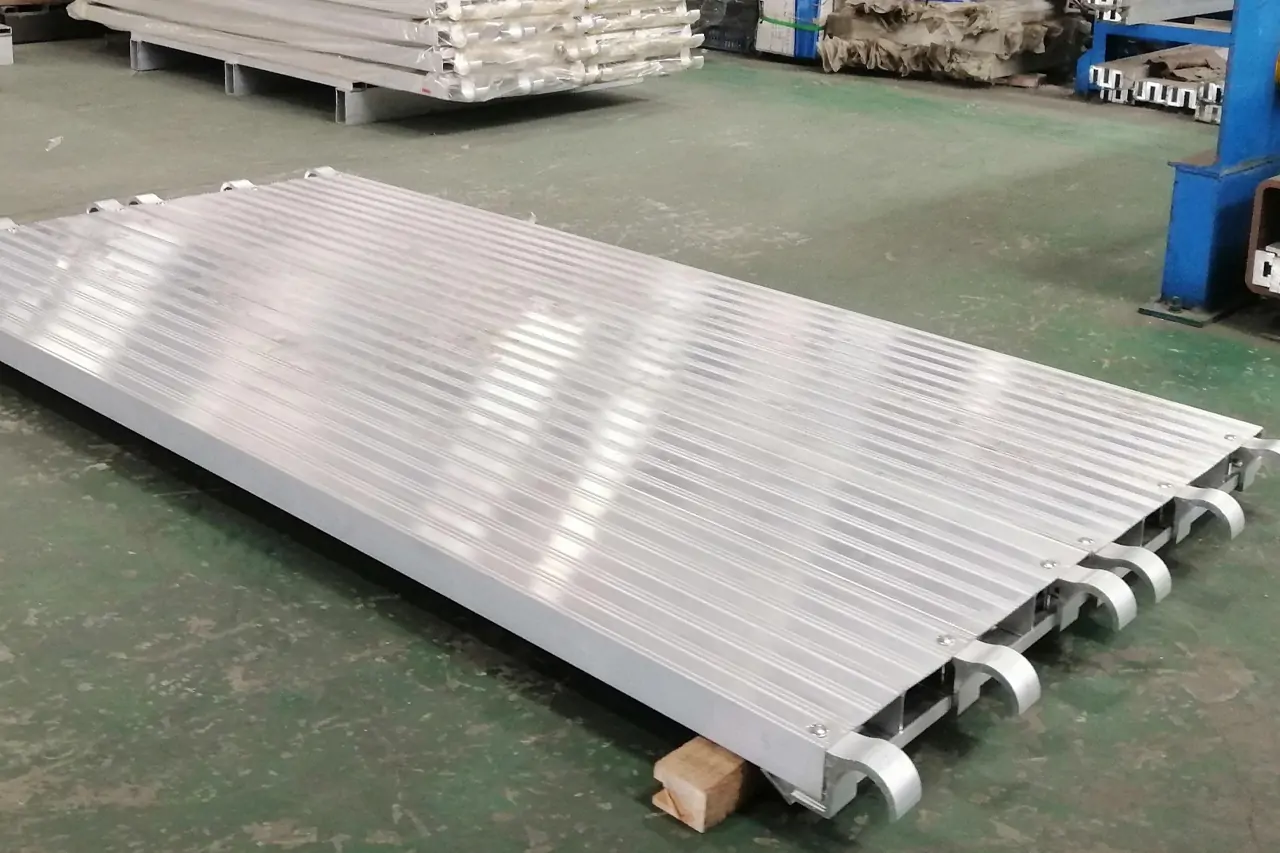
- It can be used as a work platform when combined with a plank.
These features make the ladder more than just a climbing tool—it becomes a multifunctional work platform.
Types of Frame Ladders for Different Applications
Choosing the right frame ladder depends on your project requirements. Different materials and designs offer unique advantages.
Aluminum Frame Ladder
Lightweight and corrosion-resistant, the aluminum ladder is ideal for indoor tasks and light construction work. It is easy to carry and store, making it perfect for frequent use.
Fiberglass Frame Ladder
A fiberglass ladder is non-conductive, making it the best choice for electrical work. It also offers strong durability in demanding environments.
Steel Frame Ladder
For heavy-duty tasks, a steel construction ladder provides higher load capacity and long-term durability. It is commonly used in industrial and construction settings.
Multi-Position and Folding Ladders
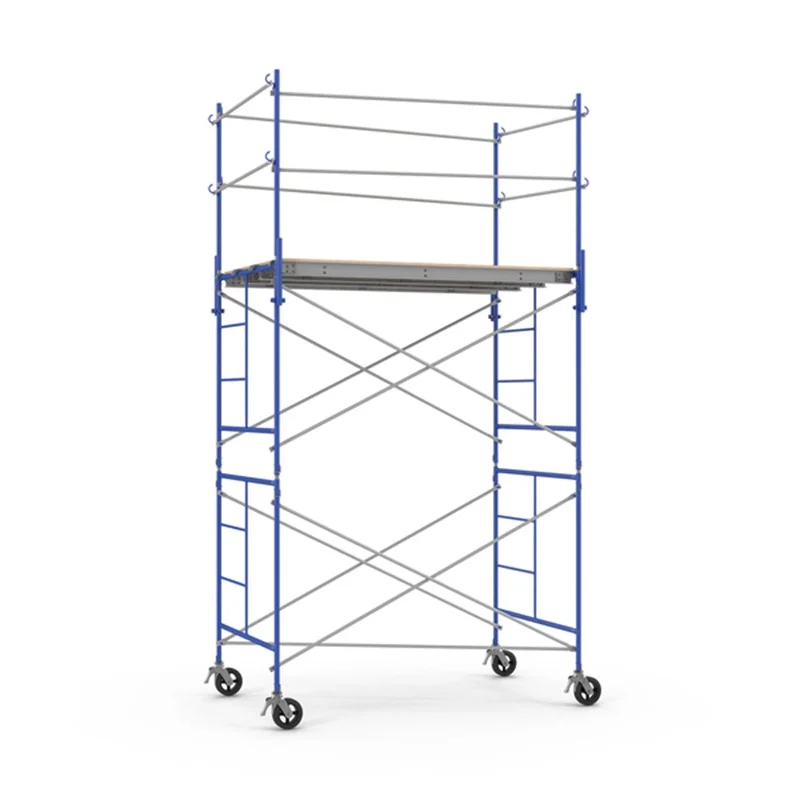
A multi-position ladder or folding ladder offers maximum flexibility. It can be adjusted into different configurations, such as step ladder, extension ladder, or a scaffold base, making it highly versatile for complex projects.
How to Choose the Right Frame Ladder
Selecting the right ladder ensures both safety and efficiency.
Consider Working Height
Choose a ladder that matches your required working height. A properly sized frame ladder allows comfortable reach without overextending.
Check Load Capacity
Pay attention to duty ratings:
- Type III (Light duty): up to 200 lbs
- Type I (Heavy duty): up to 250 lbs
- Type IAA (Extra heavy duty): up to 375 lbs
This is especially important when carrying tools or materials.
Select the Right Material
- Aluminum: lightweight and portable
- Fiberglass: safe for electrical tasks
- Steel: strong and durable
Each material suits different environments and job requirements.
Evaluate Safety Features
Look for features such as:
- Slip-resistant steps
- Secure locking mechanisms
- Stable, anti-slip feet
These elements significantly improve ladder safety.
Best Practices for Using a Frame Ladder

Even the best construction ladder requires proper usage to ensure safety and performance.
Ensure Proper Setup
Always place the ladder on a stable, level surface. Use stabilizers if working on uneven ground.
Maintain Three-Point Contact
Keep two hands and one foot—or two feet and one hand—on the ladder at all times to reduce the risk of falls.
Avoid Overreaching
Move the ladder instead of leaning too far. Overreaching is one of the most common causes of accidents.
Inspect Before Use
Check for:
- Damaged steps or rails
- Loose hinges or locks
- Worn anti-slip feet
Regular inspection ensures safe operation.
FAQ
1. What are frame ladders used for?
A frame ladder is used for tasks such as painting, repairs, installation, and construction work at height.
2. What is the difference between a frame ladder and an extension ladder?
A frame ladder is self-supporting, while an extension ladder requires a wall or support structure.
3. Which material is best for frame ladders?
It depends on the application—aluminum for portability, fiberglass for electrical safety, and steel for heavy-duty work.
4. Are frame ladders safe for indoor use?
Yes, they are ideal for indoor projects due to their stability and compact design.
5. How do I maintain a frame ladder?
Regularly inspect it for damage, keep it clean, and store it in a dry place to extend its lifespan.
Conclusion
Frame ladders are more than just a tool—they are a reliable partner that enhances productivity, safety, and flexibility in any project. With various types available, from aluminum to multi-position ladders, there is a perfect solution for every need.
By choosing the right ladder and following proper safety practices, you can transform the way you work. Whether tackling home improvements or professional construction tasks, the frame ladder helps you achieve efficient, high-quality results every time.
