
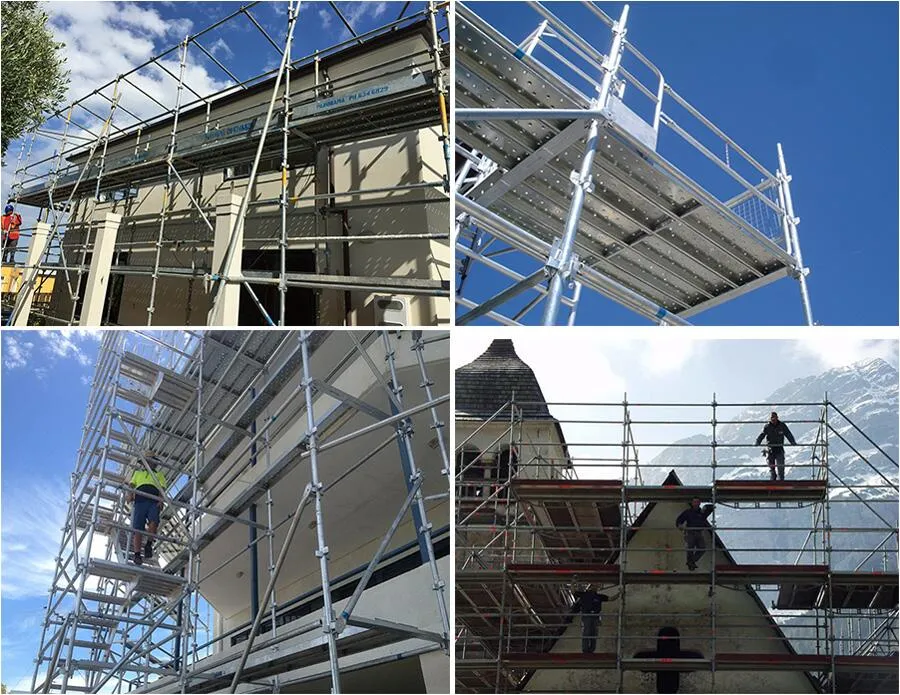

1. What is a mini platform?
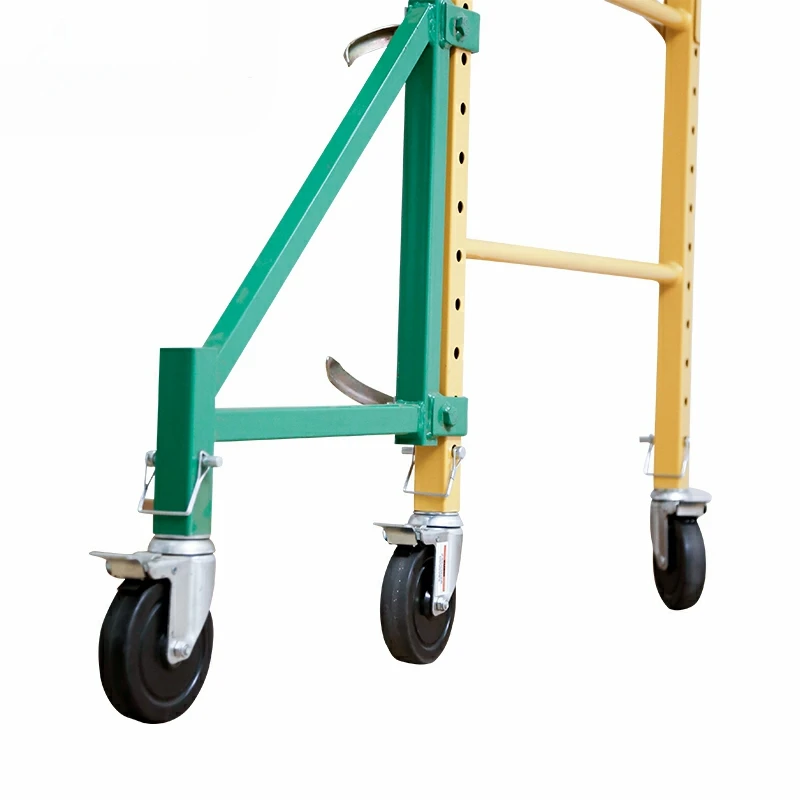
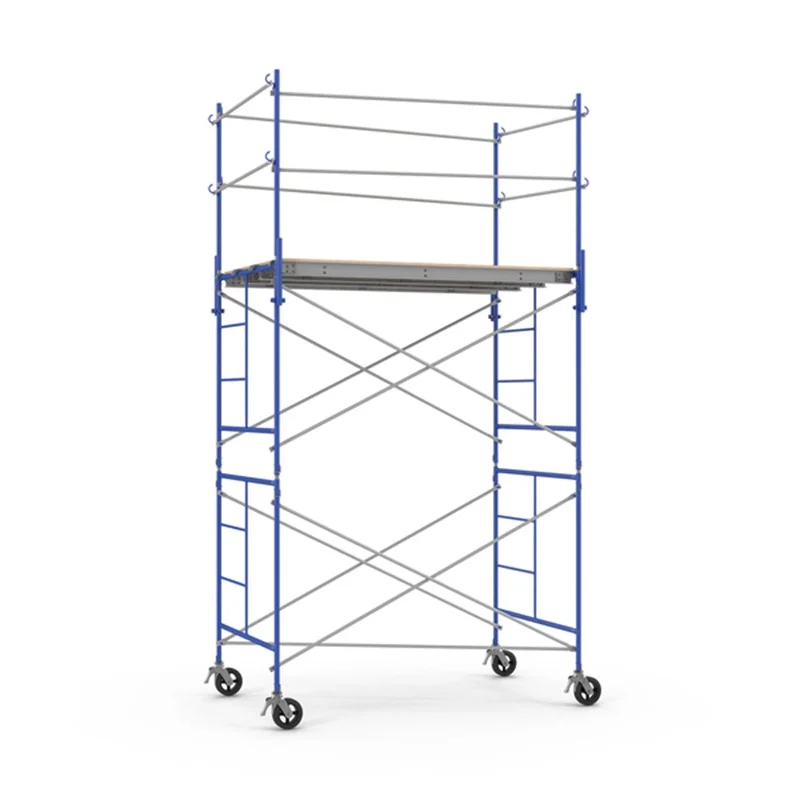
A mini platform is a compact, lightweight working platform designed for low-height tasks, providing a stable and safe surface for workers in construction, maintenance, or indoor use.
2. What materials are mini platforms made from?
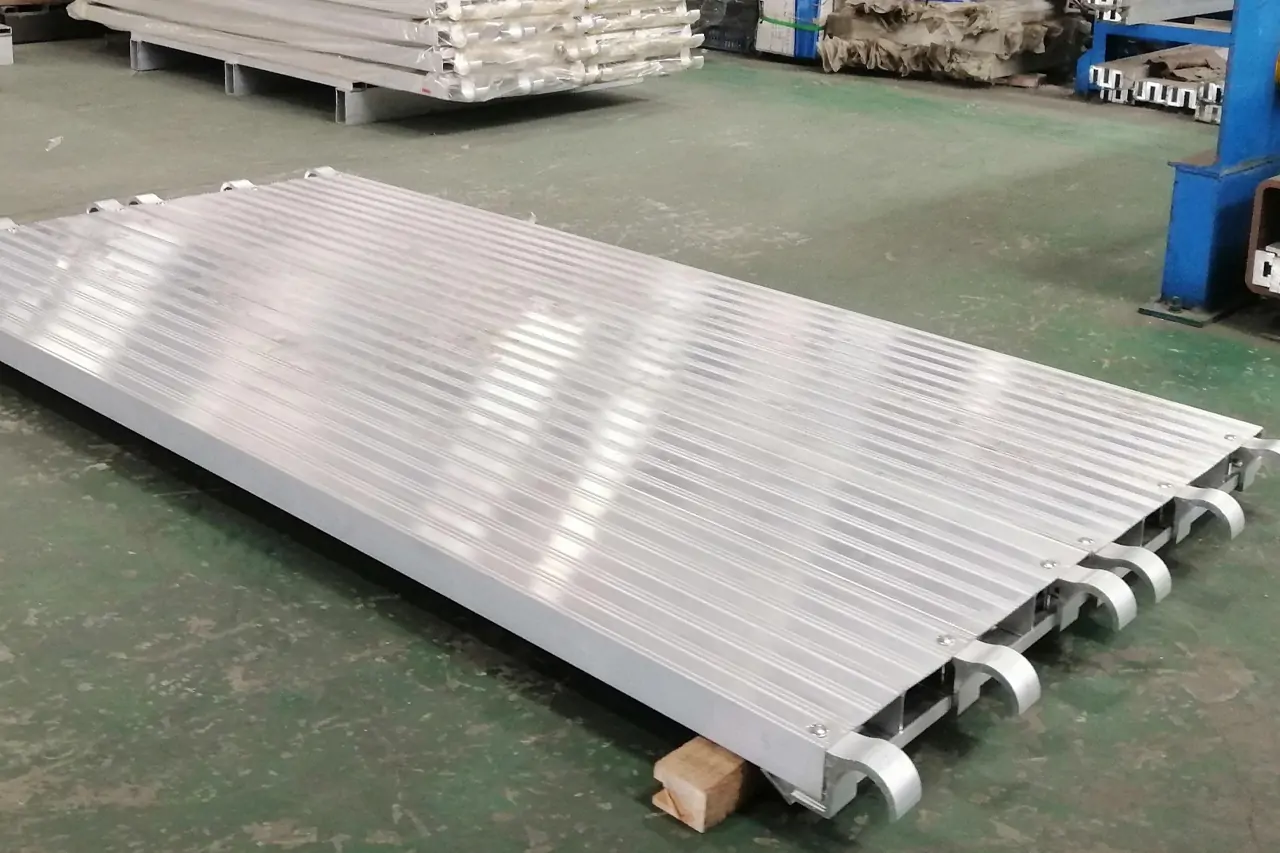
Mini platforms are commonly made from aluminum or steel. Aluminum platforms are lightweight and corrosion-resistant, while steel platforms offer higher strength and durability.
3. What are the main advantages of mini platforms?
- Easy to move and set up
- Space-saving design
- Suitable for indoor and confined areas
- Cost-effective for light-duty tasks
4. Where are mini platforms typically used?
They are widely used for painting, electrical work, warehouse operations, retail setups, and general maintenance tasks where only a low working height is required.
5. Are Mini platforms suitable for startups?
Yes, mini platforms are ideal for startups due to their affordability, portability, and versatility. They require minimal investment while providing a practical solution for various light-duty operational needs.
Advantages of Mini Platforms for Startups

In the dynamic landscape of business, startups are constantly on the hunt for innovative solutions that can offer a competitive edge while keeping costs in check. Mini platforms have emerged as a potential game – changer in this regard. As a supplier of Mini platforms, I’ve had the opportunity to witness firsthand how these structures can impact startups. This blog aims to explore whether Mini platforms are suitable for startups, delving into their advantages, potential drawbacks, and real – world applications.
Cost – Effectiveness
One of the most significant advantages of Mini platforms for startups is their cost – effectiveness. Startups typically operate on tight budgets, and traditional large – scale platforms can be prohibitively expensive in terms of purchase, installation, and maintenance. Mini platforms, on the other hand, are relatively affordable. They require less material and labor for installation, which directly translates into lower upfront costs. For example, a startup in the construction or maintenance industry can opt for a 6 Feet Aluminum Scaffold instead of a full – sized scaffolding system. This not only saves money but also allows the startup to allocate resources to other critical areas such as marketing and product development.
Space Efficiency
Startups often operate in limited spaces, especially in the early stages. Mini platforms are designed to be compact and can fit into small areas where larger platforms would be impractical. This is particularly beneficial for startups in industries like warehousing, retail, or event management. In a small warehouse, a Mini platform can be used to create additional storage space or a work area without taking up too much floor space. Similarly, in a retail store, a Mini platform can be used for product displays, enhancing the customer experience without overcrowding the store.
Mobility and Flexibility
Mini platforms are highly mobile and flexible. They can be easily moved from one location to another, allowing startups to adapt to changing business needs. For instance, a startup in the event industry can use an aluminum folding scaffold for stage construction. These scaffolds can be quickly assembled and disassembled, enabling the startup to set up and break down events efficiently. This mobility also means that startups can use the same Mini platform for multiple projects, increasing its overall utility and return on investment.
Quick Installation
Time is of the essence for startups, and Mini platforms offer a significant advantage in terms of installation time. Unlike large – scale platforms that may take days or even weeks to install, Mini platforms can be set up in a matter of hours. This rapid installation allows startups to start using the platform immediately, reducing downtime and enabling them to get their operations up and running faster. For example, a startup in the film production industry can quickly install a Mini platform for camera positioning, ensuring that filming can commence without delay.
Potential Drawbacks of Mini Platforms for Startups
Limited Capacity
One of the main limitations of Mini platforms is their limited capacity. They are designed to handle smaller loads compared to larger platforms. This can be a problem for startups in industries that require heavy – duty equipment or large quantities of materials. For example, a manufacturing startup that needs to lift heavy machinery may find that a Mini platform is not capable of supporting the weight. In such cases, the startup may need to invest in a larger platform, which can increase costs and defeat the purpose of choosing a Mini platform in the first place.
Functionality Constraints
Mini platforms may also have some functionality constraints. They may not be able to perform all the tasks that a larger platform can. For instance, a Mini platform may not have the same range of movement or adjustability as a full – sized platform. This can limit the startup’s ability to carry out complex operations. A startup in the aerospace industry that requires precise positioning and movement of equipment may find that a Mini platform does not offer the necessary functionality.
Long – Term Sustainability
While Mini platforms are cost – effective in the short term, their long – term sustainability may be a concern. They may need to be replaced more frequently than larger platforms due to wear and tear. This can result in additional costs over time, especially if the startup is relying heavily on the platform for its operations. Additionally, as the startup grows, the Mini platform may no longer meet its needs, requiring the startup to invest in a larger and more advanced platform.
Real – World Applications of Mini Platforms for Startups

E – commerce Startups
E – commerce startups often face challenges in terms of inventory management and order fulfillment. Mini platforms can be used in their warehouses to create additional storage space and improve the efficiency of order picking. For example, a Mini platform can be used to stack inventory vertically, increasing the storage capacity of a small warehouse. This allows the startup to store more products without having to lease a larger space, which can be costly.
Food and Beverage Startups
In the food and beverage industry, Mini platforms can be used for a variety of purposes. A startup in the coffee shop business can use a Mini platform to create a mezzanine seating area, increasing the number of customers it can accommodate. In a food processing startup, a Mini platform can be used to install equipment at a convenient height, improving the efficiency of the production process.
Tech Startups
Tech startups often need to conduct experiments and tests in their offices. Mini platforms can be used to create a dedicated testing area or to set up equipment such as servers and networking devices. For example, a Mini platform can be used to elevate servers off the ground, improving ventilation and reducing the risk of damage from spills or flooding.
Conclusion
In conclusion, Mini platforms can be a suitable option for many startups, especially those in the early stages of development. They offer several advantages such as cost – effectiveness, space efficiency, mobility, and quick installation. However, startups also need to be aware of the potential drawbacks, including limited capacity, functionality constraints, and long – term sustainability issues. When considering whether to use a Mini platform, startups should carefully evaluate their specific needs, budget, and long – term goals.
If you’re a startup looking for a reliable Mini platform solution, I encourage you to reach out to discuss your requirements. Our team of experts can provide you with detailed information about our products and help you determine the best Mini platform for your business. Whether you need a 6 Feet Aluminum Scaffold or an Aluminum Folding Scaffold, we have a wide range of options to meet your needs. Contact us today to start the procurement and negotiation process.
