


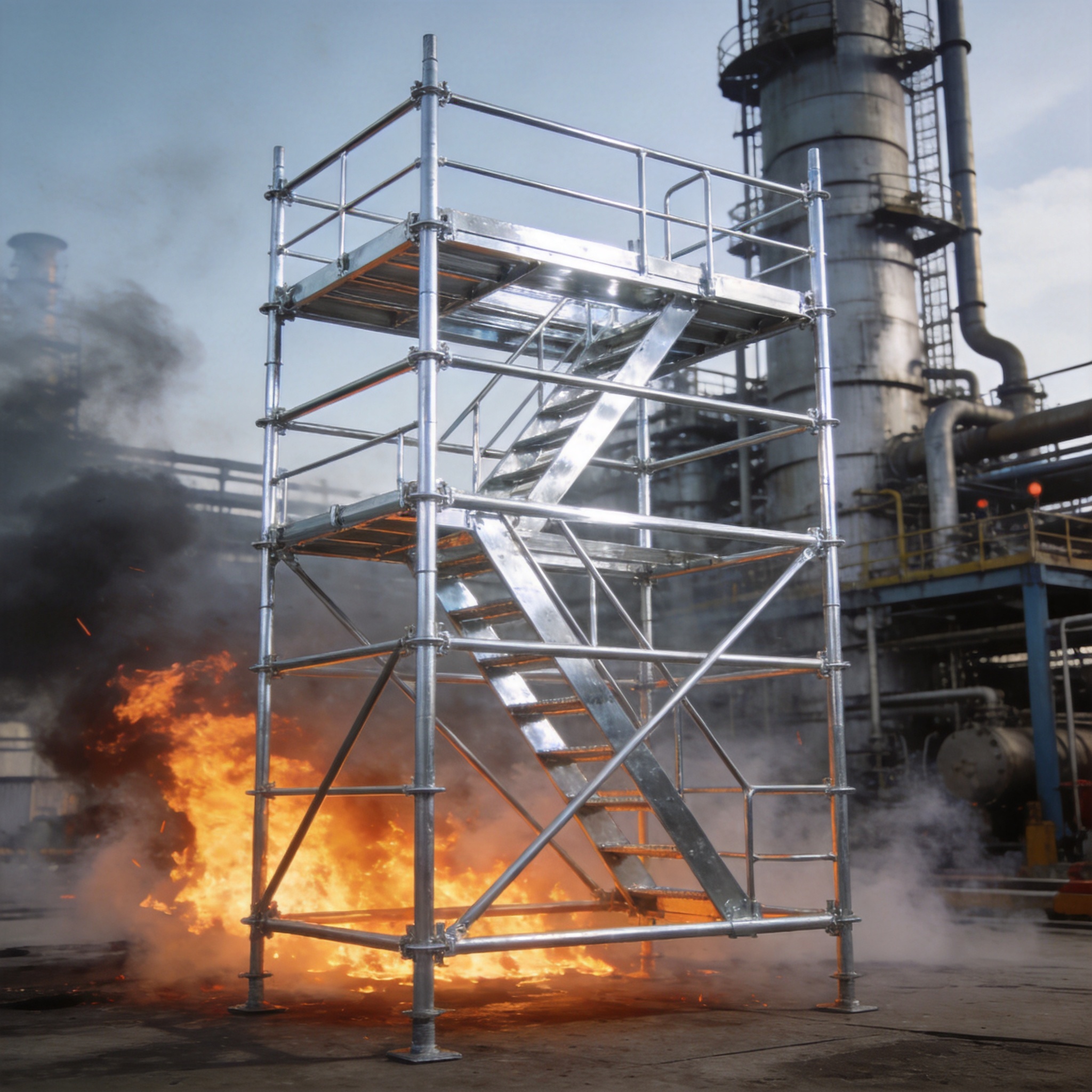


In the realm of construction and building maintenance, safety isn’t just a priority—it’s an absolute necessity. Yet, despite advances in technology and regulations, accidents still occur with alarming frequency. One critical but often overlooked piece of safety equipment in scaffolding operations is the outrigger. Understanding how outriggers for scaffolding can significantly enhance stability may be the difference between a secure work environment and a hazardous one. This blog post delves into essential insights and tips on using outriggers effectively, ensuring that every scaffolding setup is a fortress against potential mishaps.
Imagine this: A team of skilled workers is diligently assembling scaffolding for an upcoming project. The structure seems solid, but without proper stabilization, it’s akin to a house of cards in the face of a breeze. Enter the outrigger—a simple yet ingenious tool that extends the scaffold base, providing the additional support needed to prevent tipping. By exploring the nuances of outrigger use, we can discover how this modest piece of equipment plays a pivotal role in boosting not only the confidence of workers but also the overall safety of construction sites. Let’s unpack these invaluable insights that could transform your approach to scaffolding safety.

Importance of Outriggers in Scaffolding Safety
Scaffolding provides the elevated platforms that enable workers to perform tasks at height, but without adequate stabilization, these platforms can become precarious. Outriggers for scaffolding address this very issue by widening the base footprint of the scaffold system. This expanded footprint reduces the risk of tipping, especially when heavy loads or sudden lateral forces—such as strong gusts of wind or accidental impacts—are introduced. By distributing weight more evenly across a broader area, outriggers provide a simple yet highly effective means of maintaining equilibrium.
Moreover, the psychological impact of secure platforms cannot be understated. When workers see outriggers firmly in place, their confidence in the stability of the scaffold increases, which often translates to greater productivity and fewer hesitations during complex tasks. Safety culture on a job site is bolstered when team members know that management prioritizes preventative measures. Outriggers serve not only as a piece of hardware but also as a visible commitment to worker welfare, reinforcing best practices and reducing the likelihood of on-site accidents.
Finally, the broader adoption of outriggers for scaffolding has ripple effects across project timelines and budgets. Accidents or near-misses often result in stoppages, investigations, and possible regulatory fines—all of which can derail schedules and inflate costs. By integrating outriggers from the outset, project managers mitigate these risks, ensuring that work proceeds smoothly. The minimal investment in high-quality outrigger systems pays dividends in operational continuity, fewer insurance claims, and enhanced reputation among clients who demand rigorous safety standards.
Regulations and Standards Governing Outrigger Use
Ensuring compliance with local and international safety regulations is a cornerstone of responsible scaffolding operations. In many jurisdictions, standards bodies such as OSHA in the United States or the European Committee for Standardization (CEN) set forth explicit requirements regarding the use of outriggers for scaffolding. These regulations cover load ratings, installation methods, inspection intervals, and labeling, ensuring that all components meet minimum safety thresholds before being deployed on site.
OSHA’s guidelines stipulate that any scaffold system capable of tipping must be secured by guying, tying, bracing, or outriggers, depending on the structure’s height and configuration. Meanwhile, CEN standards outline specific performance criteria for outrigger materials, including corrosion resistance and tensile strength. Adherence to these regulations not only guarantees legal compliance but also assures workers of equipment reliability under demanding conditions.
Regular inspections, as mandated by regulatory agencies, play a critical role in maintaining outrigger effectiveness. Competent persons must examine outriggers before each work shift and after any event that could affect stability—such as heavy storms or accidental collisions. Documentation of these inspections, along with prompt replacement of any worn or damaged parts, ensures that outriggers remain in peak condition. By staying up to date with evolving regulations and implementing systematic inspection protocols, construction teams safeguard both personnel and project timelines.
Factors to Consider When Choosing Outriggers
Selecting the right outriggers for your scaffolding setup requires careful evaluation of several key factors. First, consider the load capacity of the scaffold system and the maximum weight it will support, including workers, tools, and materials. Outriggers must be rated to handle these loads with an appropriate safety margin, typically 1.25 to 1.5 times the expected maximum load, to account for dynamic forces and unexpected stresses.
Next, assess the ground conditions at the job site. Soft, uneven, or sloped terrain demands outriggers with adjustable base plates and larger footpads to distribute pressure evenly and prevent sinking. Some advanced outrigger models feature integrated leveling jacks, which simplify setup on challenging surfaces. Conversely, on solid concrete or asphalt, compact outrigger designs may suffice, saving storage space and facilitating transport between locations.
Material selection is another crucial factor. Steel outriggers offer high durability and strength but can be heavy, impacting portability. Aluminum models are significantly lighter, easing installation and removal, but may not offer the same long-term resilience in corrosive environments. Consider coated or galvanized options for enhanced weather resistance. Finally, ergonomics and ease of assembly should influence your decision—snap-on or quick-lock mechanisms reduce installation time and minimize the risk of user error, promoting safer setups even under tight schedules.
Proper Installation and Setup of Outriggers
Correct installation is the linchpin of outrigger effectiveness. Begin by carefully reading the manufacturer’s instructions, as different designs may have unique assembly requirements. Always deploy outriggers on a level plane whenever possible, using built-in leveling jacks or shims to align the base plates. This initial alignment ensures that the load is evenly transferred through the scaffold legs.
After positioning, securely fasten the outriggers to the scaffold frame using the provided locking pins or clamps. Double-check that all connections are fully engaged and that locking mechanisms are properly seated. It’s advisable to use a calibrated torque wrench for threaded connections to achieve uniform tightness, reducing the risk of slippage under load. Finally, visually inspect the entire setup, looking for gaps or misalignments, and perform a gentle load test by applying downward pressure to verify stability before permitting personnel to ascend.
Routine checks throughout the workday are equally important. Environmental factors—such as ground erosion after rain or equipment bumping—can compromise stability. A quick visual inspection every few hours, paired with spot tightening of any loosened fasteners, helps maintain an unwavering level of safety. By embedding these installation and inspection routines into your standard operating procedures, you guarantee that outriggers remain a reliable guardian against scaffold tipping at every stage of the project.
Conclusion: Enhancing Scaffolding Safety with Outriggers
Outriggers for scaffolding are more than ancillary accessories—they are critical safety components that underpin stable, secure work platforms. From reducing the risk of tipping to reinforcing site-wide safety culture, their value cannot be overstated.
By understanding regulatory mandates, carefully selecting appropriate models, and adhering to precise installation protocols, construction teams can harness the full potential of outriggers. The result is not only compliance and risk mitigation but also enhanced productivity and peace of mind for everyone on the job site.
