


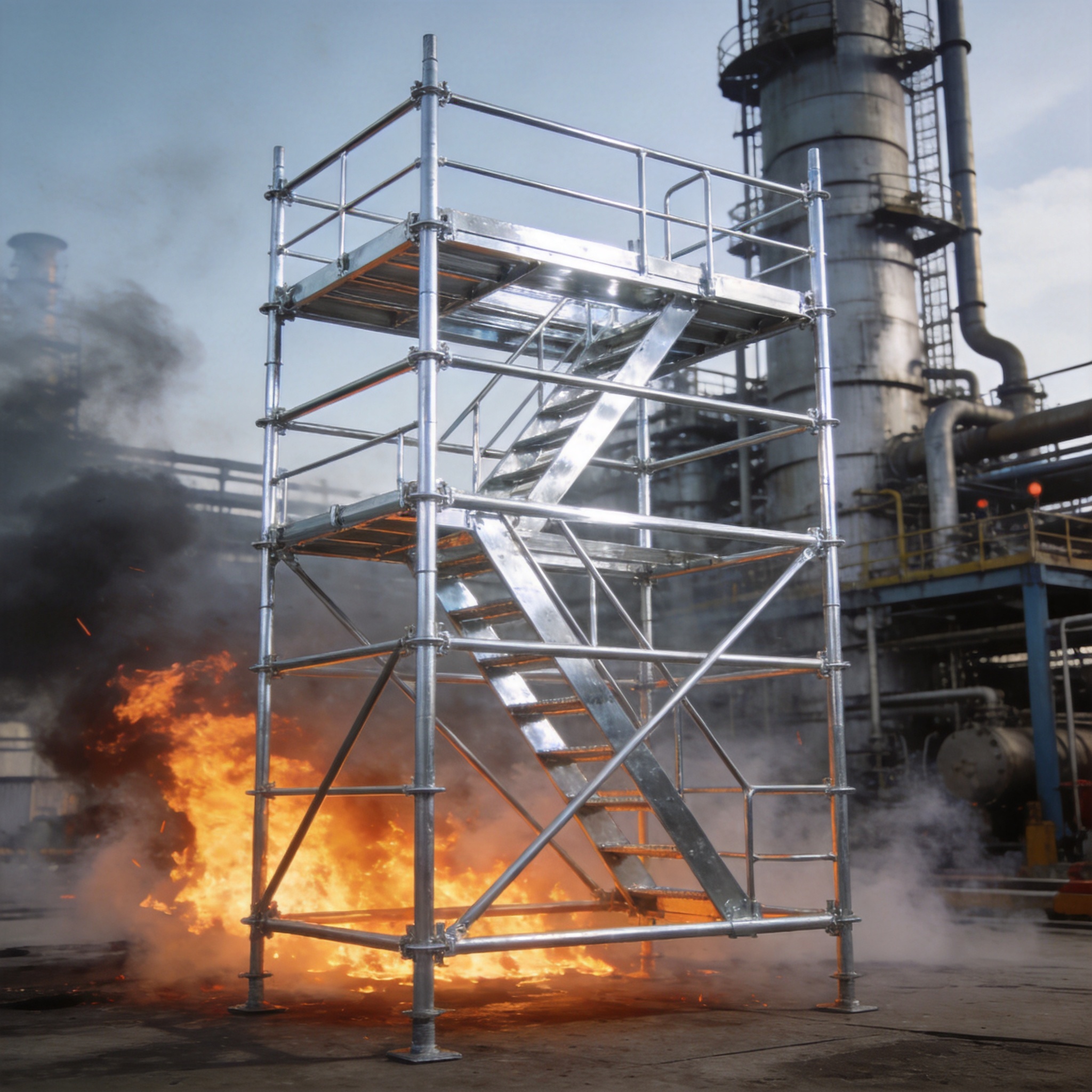


In the bustling world of construction, every project comes with its unique set of challenges and demands. One often overlooked component that can significantly impact the efficiency and safety of a build is the choice of scaffolding. Imagine a project where progress is consistent, safety is uncompromised, and costs are effectively managed. The secret ingredient? Choosing the right scaffolding pipe. This simple, yet crucial decision can transform your construction projects, turning potential pitfalls into seamless operations.
Let’s delve into how scaffolding pipe becomes a cornerstone of successful builds. Often underestimated, these pipes are not just about holding a structure together; they are about providing a foundation for innovation and efficiency. With proper selection and implementation, scaffolding pipes can enhance worker productivity and project timelines, thus becoming a game-changer for construction teams. Whether you’re dealing with complex high-rises or intricate residential projects, the right scaffolding pipe holds the power to elevate your construction outcomes.

Importance of Scaffolding in Construction Projects
Scaffolding is the backbone of any construction project, offering a safe and stable platform for workers to carry out tasks at various heights. A well-designed scaffold system not only safeguards laborers from falls and accidents but also enables seamless material handling and movement across different levels of a building. When you choose a quality scaffolding pipe, you ensure that the structure can bear significant loads without bending or buckling, which is essential for both large commercial towers and smaller residential refurbishments.
Beyond safety, scaffolding plays a critical role in optimizing workflow and boosting productivity. Properly erected scaffolds reduce the time spent climbing up and down ladders or repositioning temporary supports, allowing workers to focus entirely on their tasks. This streamlined access can accelerate project timelines and help contractors meet tight deadlines. Furthermore, reliable scaffolding systems incorporating durable scaffolding pipes minimize unexpected downtime due to equipment failure, thus maintaining continuous progress on-site.
Compliance with regulatory standards is another vital aspect of scaffolding’s importance. Construction sites must adhere to health and safety regulations, and substandard equipment can lead to penalties or work stoppages. Investing in scaffolding pipes that meet industry specifications protects workers, ensures legal compliance, and upholds the contractor’s reputation. In essence, scaffolding is not merely a supporting structure—it is a strategic asset that underpins safety, efficiency, and regulatory adherence in construction projects.
Different Types of Scaffolding Pipes Available
When it comes to scaffolding pipe, selecting the right material and design can make a significant difference in performance and longevity. The most common options are steel and aluminum, each offering distinct advantages in terms of strength, weight, and corrosion resistance. Steel scaffolding pipes boast exceptional load-bearing capacity and durability, making them ideal for heavy-duty applications. In contrast, aluminum pipes are lighter, easier to handle, and reduce worker fatigue during installation and adjustments.
Beyond material choice, the profile and coating of scaffolding pipes can also influence project outcomes. Standard tubular pipes provide a smooth, uniform surface that simplifies connections and fittings, whereas grooved or ribbed pipes offer enhanced grip and locking capabilities for specialized coupling systems. Galvanized coatings protect steel pipes from rust and environmental wear, extending service life and reducing maintenance needs. Powder-coated or anodized finishes on aluminum pipes can similarly guard against corrosion while adding aesthetic appeal on high-visibility projects.
For more advanced scaffolding systems, modular or system scaffolding pipes come pre-engineered with integrated connectors and ledgers. These components snap together quickly, facilitating rapid assembly and disassembly. Although initial costs may be higher, the efficiency gains, reduced labor hours, and improved safety margins often justify the investment. Whether you opt for traditional steel or high-tech modular systems, understanding the types of scaffolding pipes available helps you tailor solutions to project size, complexity, and budgetary constraints.
Cost-Effectiveness of Investing in Quality Scaffolding Pipes
At first glance, cost may drive contractors to choose the cheapest scaffolding pipe available. However, this short-term saving can lead to higher long-term expenses due to repair, replacement, and safety risks. Quality scaffolding pipes, though they come with a higher upfront price, offer greater durability, lower maintenance needs, and fewer on-site failures. Over the lifespan of a project—or across multiple projects—these savings compound, delivering a significantly better return on investment (ROI).
Robust scaffolding pipes reduce downtime caused by equipment malfunctions or safety inspections. With reliable components, your team spends less time addressing broken pipes, reassembling unstable sections, or waiting for replacements. This uninterrupted workflow translates to faster project completion, allowing contractors to take on additional assignments sooner. Moreover, the minimized risk of accidents lowers liability costs, insurance premiums, and potential legal fees associated with workplace injuries.
Finally, high-quality scaffolding pipes retain resale or rental value when properly maintained. Contractors who regularly inspect, clean, and store their equipment can recoup a substantial portion of their investment by selling or leasing used scaffolding pipes. This secondary revenue stream further offsets initial costs and underscores the importance of choosing materials built to last. Investing wisely in top-grade scaffolding pipes is not just about safety and performance—it’s a strategic financial decision that yields dividends over the life of your equipment.
Maintenance Tips to Prolong the Lifespan of Scaffolding Pipes
Proper maintenance of scaffolding pipes ensures they remain safe and functional throughout numerous projects. First, conduct routine inspections before and after each use, checking for signs of corrosion, cracks, or deformation. Any compromised pipe should be tagged and removed from service immediately to prevent accidents or structural failures on site.
Cleaning and storage are equally crucial. After dismantling, rinse off dirt, concrete splatter, and chemicals that can accelerate wear. Store pipes in a dry, covered area off the ground to avoid moisture exposure and ground-level corrosion. Using pallets or racks helps maintain airflow and prevents water pooling around stored pipes.
Regular lubrication of coupling points, clamps, and joints reduces friction and eases assembly and disassembly. Apply a light oil or specially formulated anti-seize compound to metal-to-metal contacts. This practice not only extends the life of fittings but also speeds up installation, saving labor time on every job. Finally, consider periodic recoating of steel scaffolding pipes with galvanic or paint-based protection to combat rust. With these simple maintenance routines, your scaffolding pipes will deliver dependable performance project after project.
Conclusion: Maximizing Construction Efficiency with the Right Scaffolding Pipes
Choosing the right scaffolding pipe is more than just a technical detail—it’s a strategic decision that impacts safety, productivity, and profitability. By understanding the importance of quality materials, selecting the appropriate types, and investing in regular maintenance, contractors can ensure smoother project execution and lasting equipment value.
With the insights outlined here, you’re equipped to transform your construction projects. Embrace best practices for scaffolding pipe selection and care, and watch as your builds become safer, faster, and more cost-effective.
