


Imagine standing on a narrow platform, brushes in hand, facing the daunting task of painting an intricate facade. The scaffold beneath you creaks ever so slightly, reminding you of the heights at which you’re working. Painting scaffolding isn’t just about aesthetics; it’s a critical aspect that ensures your safety and efficiency when working at elevation. Mastering this art can transform an intimidating experience into a manageable, even enjoyable, task.
In the construction and renovation industry, safety is paramount. According to the Occupational Safety and Health Administration (OSHA), falls from height remain one of the leading causes of workplace injuries. This startling statistic underscores the importance of understanding how to properly set up and use scaffolding during painting projects. Whether you’re a seasoned professional or a DIY enthusiast, knowing the ins and outs of painting scaffolding can help you maintain stability and focus on the art at hand, rather than the precariousness of your perch.
Types of Scaffolding for Painting Projects
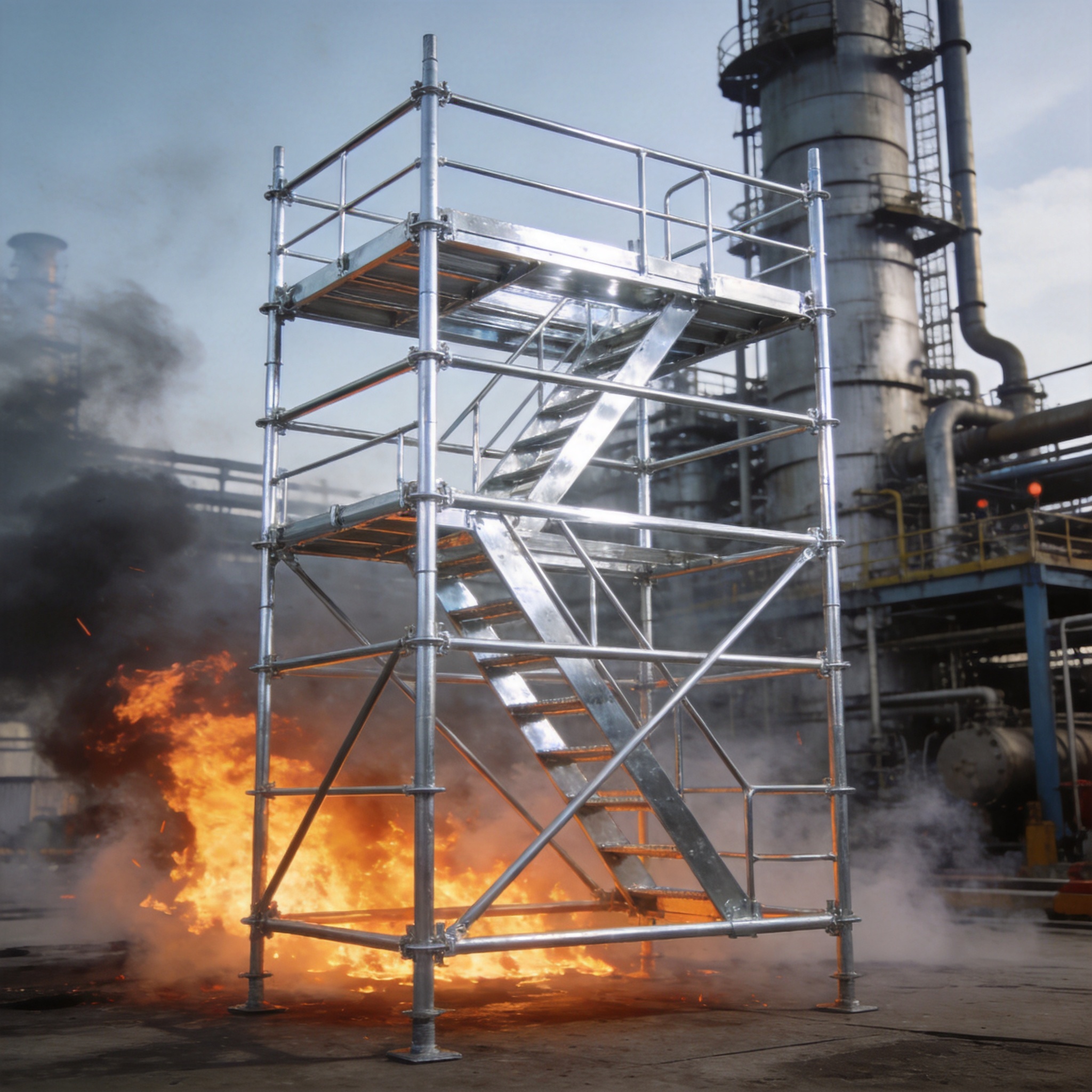
When choosing the right equipment for any painting endeavour at height, understanding different scaffolding types is essential. Supported scaffolding, perhaps the most common, features platforms supported by rigid, load-bearing components such as poles, legs, and frames. This configuration delivers sturdy support for painters and materials, making it ideal for long-duration projects on flat surfaces. Suspended scaffolding, on the other hand, hangs from overhead supports using ropes or chains. This style is highly advantageous for reaching varying heights on multi-story buildings without needing to alter base support repeatedly. Rolling or mobile scaffolding combines a wheeled base with the simplicity of supported scaffolding, allowing quick relocation along work areas. Finally, aerial lifts or man lifts provide power-operated elevation, offering adjustable height with minimal manual assembly. Each type addresses specific access challenges, making it crucial to match the scaffold style to your painting requirements.
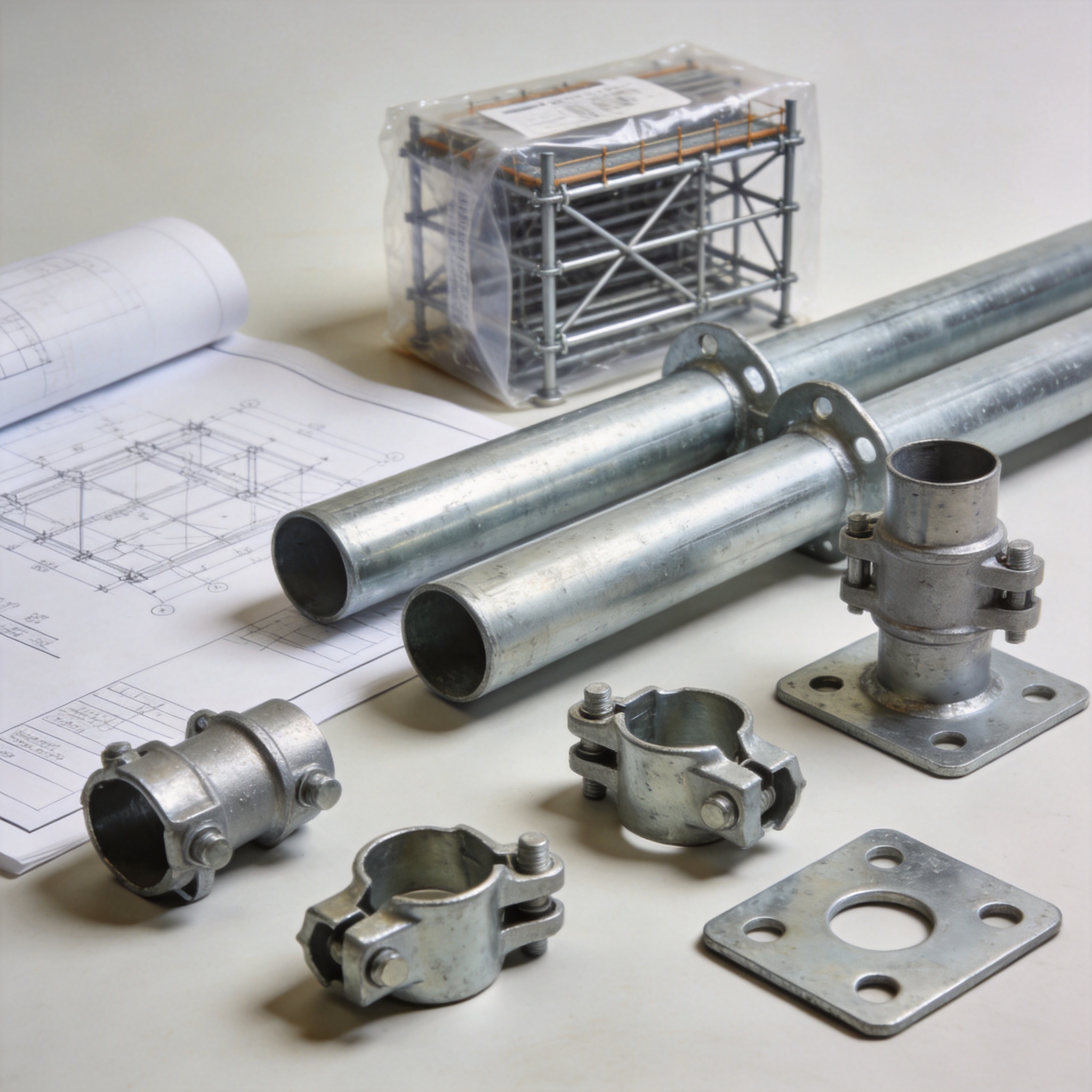
Material choice also influences performance and safety. Aluminium scaffolding is lightweight and corrosion-resistant, simplifying transport and assembly for smaller jobs. Steel scaffolding, while heavier, delivers superior strength—ideal for industrial or large-scale commercial projects. Timber or composite scaffolding still finds use in restoration work, where compatibility with historical structures matters. Recognizing the pros and cons—weight, assembly time, load capacity, and portability—enables you to select the optimal painting scaffolding solution. By aligning scaffold type and material with project size, surface complexity, and terrain, you’ll maintain stability, boost productivity, and reduce the risk of mishaps on the job.
Safety Precautions and Guidelines for Painting at Heights
Working at elevation requires a robust safety mindset. Before stepping onto any painting scaffolding, always inspect each component—platforms, guardrails, braces, and fasteners—for damage or excessive wear. Ensure the scaffold is erected on a stable, level surface free from debris, oil, or ice. Leveling jacks or base plates can compensate for minor ground irregularities. When adjusting height or extending platforms, verify that all locking mechanisms engage fully. Loose planks or unsecured guardrails pose serious fall hazards, so never ignore the smallest looseness or wobble.
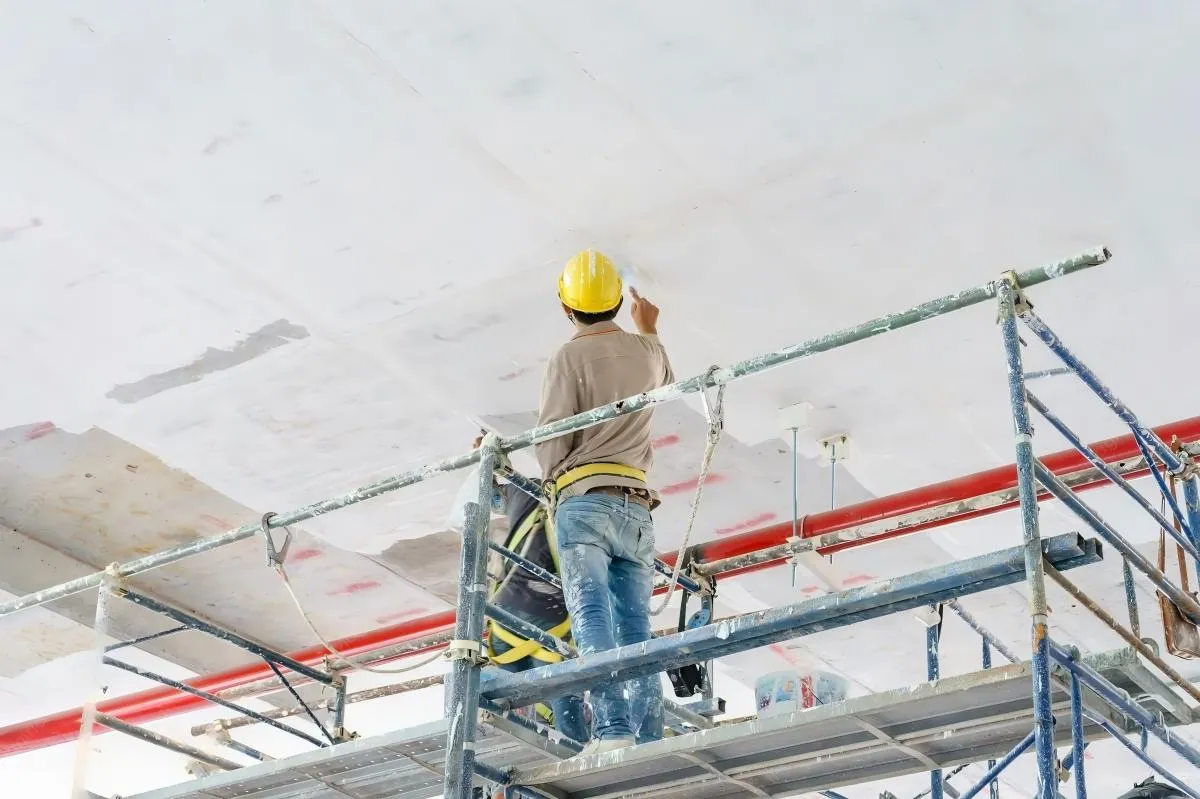
The use of personal protective equipment (PPE) complements scaffold integrity. A properly fitted full-body harness with a secure lanyard should connect to an approved anchor point whenever guardrails are absent or insufficient. Hard hats protect from falling tools or debris, and non-slip footwear improves grip on potentially slick surfaces. If conditions are windy or wet, reevaluate whether work can proceed safely. Finally, never overload the platform with materials—adhere strictly to the manufacturer’s load capacity. By combining thorough inspections with mandatory PPE, you’ll significantly reduce the risk of accidents while painting at height.
Setting Up Scaffolding Correctly: Step-by-Step Guide
Proper setup is the foundation of a safe painting operation. Begin by selecting the right location: choose a flat, solid ground free from underground obstructions. Lay down base plates or adjustable screw jacks to distribute weight evenly. Next, assemble the base frames according to the manufacturer’s instructions, ensuring each frame is plumb and level. Lock all pins and braces securely before proceeding upward. As you stack additional frames, periodically check vertical alignment with a level or plumb line. Misalignment can lead to instability and potential collapse when climbing or painting.
After the main structure is erected, install guardrails and toe boards around all open sides of the platform. Place scaffold planks or decks, verifying they fit snugly without overhang. If using rolling scaffolds, lock wheels firmly once the desired position is reached. Inspect the perimeter for nearby obstacles—overhead power lines, tree branches, or building features that could impede safe movement. Finally, install access ladders or stair units at designated points, securing them firmly to the scaffold frame. With these steps completed, your painting scaffolding will stand ready to support your tools, materials, and crew under stable, controlled conditions.
Maintaining Scaffolding for Longevity and Safety
Regular maintenance extends the service life of your painting scaffolding and preserves safety standards. After each use, inspect components for signs of damage—bent frames, cracked welds, or corroded fasteners. Clean planks and decks to remove paint drips, grease, and debris that could cause slip hazards. Lubricate moving parts like caster wheels and swivel joints with a light lubricant to prevent rust and ensure smooth operation. Replace any damaged or worn elements immediately; never attempt to reinforce weakened parts with improvised methods.
Annual comprehensive evaluations are equally important. Hire a qualified inspector to examine the entire scaffold structure, paying close attention to load-bearing components and connection hardware. Review storage practices as well: stack frames and planks on a level, dry surface to prevent warping and moisture damage. Keep an inventory log to track repair history and component age, retiring items that exceed the manufacturer’s recommended lifespan. By combining routine checks with professional inspections, you guarantee that your painting scaffolding remains a reliable, safe asset for all future projects.
Conclusion: Mastering the Art of Painting Safely and Effectively
Painting scaffolding plays a pivotal role in enabling high-quality finishes at elevation while keeping workers secure. By selecting the proper scaffold type, adhering to rigorous safety precautions, following a detailed setup process, and maintaining equipment diligently, you transform daunting heights into accessible canvases.
With these best practices in hand, you can approach any project—large or small—with confidence, knowing that your safety and productivity are built on a solid foundation. Master safe elevation, and let your creativity soar.
