
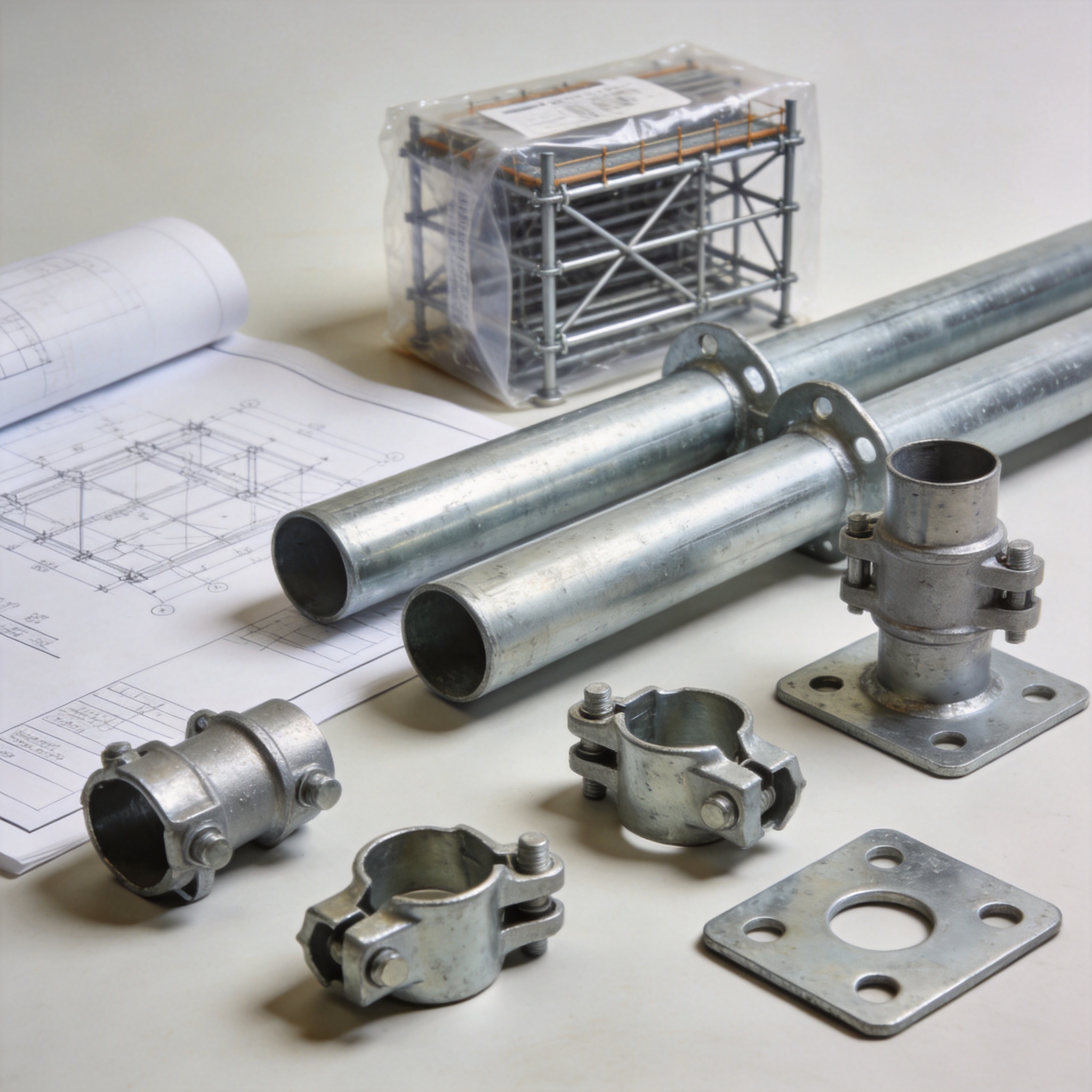


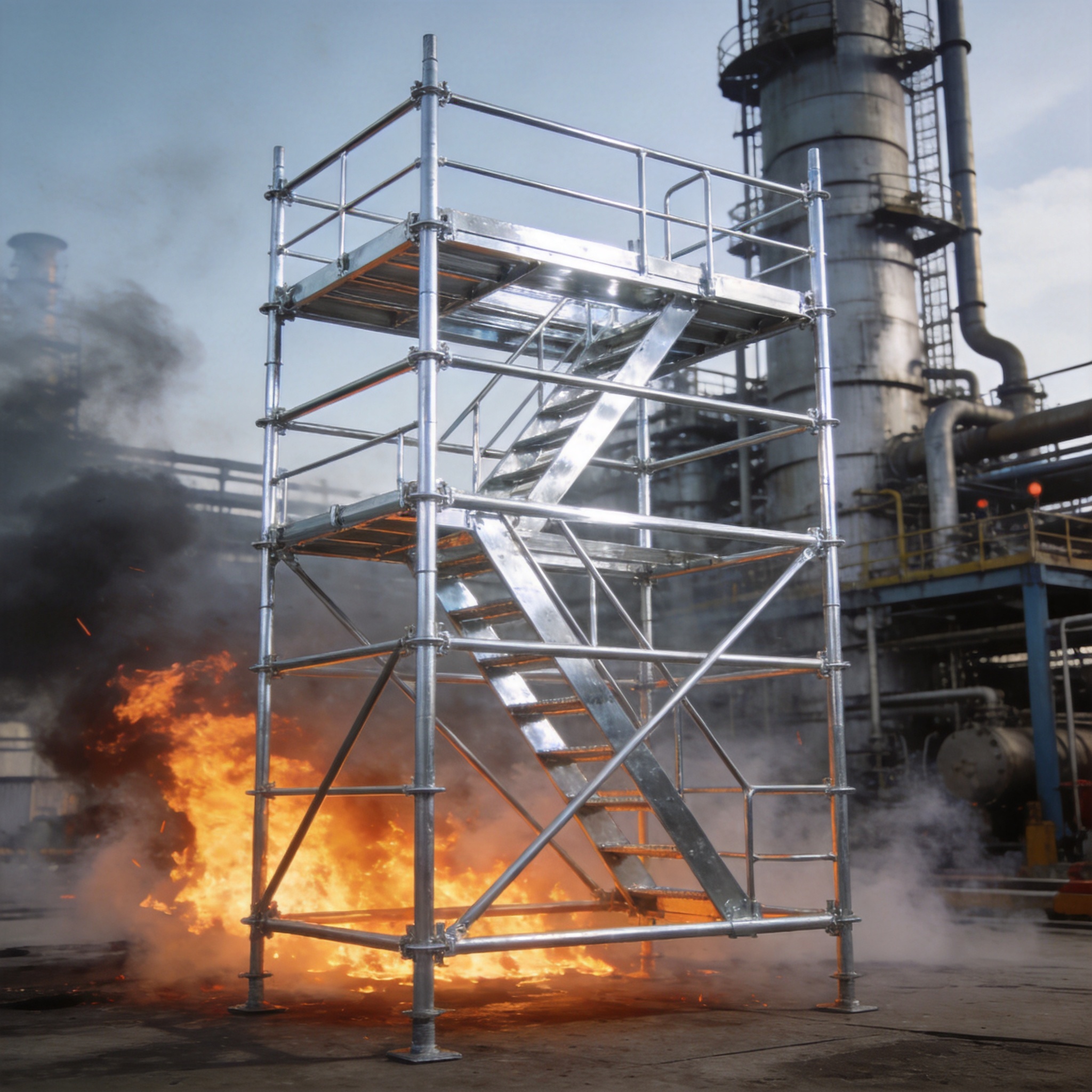
In a world where construction projects are reaching new architectural heights and complex structures are becoming the norm, safety and innovation go hand in hand. Enter aluminium scaffolding, an unsung hero that’s quietly revolutionizing the construction industry. Imagine a material that’s not only lightweight but also robust enough to support workers at dizzying heights, all while being easy to assemble and disassemble. It’s no surprise that this versatile scaffolding solution is gaining popularity across various sectors – from skyscrapers scraping the clouds to intricate restorations of historical landmarks.
Aluminium scaffolding doesn’t just unlock physical heights; it opens doors to efficiency and innovation. Recent advancements have enhanced its adaptability, allowing for innovative applications beyond traditional construction. Whether it’s facilitating maintenance in places with restricted access or ensuring a safe platform for artists painting murals on city buildings, the possibilities are expansive. As we delve into the myriad ways aluminium scaffolding is being used, prepare to be inspired by its potential to transform the structural landscape safely and effectively.
Advantages of Aluminium Scaffolding in Modern Construction
One of the foremost advantages of aluminium scaffolding in modern construction is its exceptional lightweight nature. Weighing significantly less than steel alternatives, aluminium components can be transported, lifted, and maneuvered by fewer workers, speeding up project timelines and reducing labor fatigue. This mobility translates to lower operational costs and increased flexibility on dynamic job sites where rapid assembly and disassembly are essential. For construction managers, the ability to reconfigure scaffolding layouts quickly means adapting to changing work sequences without major delays.
Beyond its lightness, aluminium delivers an impressive strength-to-weight ratio. High-grade aluminium alloys resist bending or buckling under loads that would challenge other materials. This robustness ensures that work platforms remain stable and reliable, even when supporting heavy equipment or multiple tradespeople simultaneously. Additionally, aluminium’s natural corrosion resistance means less maintenance and a longer service life, making it a cost-effective investment for companies prioritizing durability and safety in their scaffolding systems.
Modularity is another key benefit driving the rise of aluminium scaffolding. Standardized components—such as frames, braces, and decks—interlock seamlessly to form versatile structures tailored to diverse project needs. Whether constructing a simple single-level platform or a complex multi-tier system, workers can customize heights and configurations with ease. This adaptability proves invaluable on sites with irregular shapes, uneven terrain, or access constraints. Ultimately, the combination of lightweight design, superior strength, and modular versatility cements aluminium scaffolding as a go-to solution for cutting-edge construction projects.
Enhanced Safety Features of Aluminium Scaffolding
Safety remains paramount in every construction endeavor, and aluminium scaffolding incorporates multiple design features to protect workers at elevation. Slip-resistant decking surfaces reduce the risk of falls, even in wet or dusty conditions. Guardrails, mid-rails, and toe boards integrate seamlessly into the framework, creating enclosed platforms that meet or exceed regulatory standards. Additionally, locking mechanisms on frames and braces ensure rigid connections, preventing accidental shifting during use.
Engineering precision is another critical aspect of aluminium scaffolding safety. Each component undergoes rigorous testing for load capacity and structural integrity, guaranteeing predictable performance under various stressors. Visual indicators—such as color-coded pins and stamped load ratings—help crews verify correct assembly on-site, minimizing human error. Combined with comprehensive training programs, these features foster a secure working environment, enabling teams to focus on their tasks rather than worrying about the scaffolding beneath their feet.
Moreover, the lighter weight of aluminium scaffolding not only simplifies handling but also reduces the risk of strain-related injuries. Workers can maneuver sections without hoisting heavy steel frames, lowering the incidence of back injuries and repetitive motion strains. Quick-release couplers and ergonomic grips further enhance safe assembly and disassembly, cutting down on time spent at hazardous heights. In sum, the safety innovations embedded in aluminium scaffolding translate into tangible benefits for both personnel well-being and project productivity.
Innovative Applications in Skyscraper Construction
Aluminium scaffolding has become a cornerstone in skyscraper construction, where height and complexity present unique challenges. Its lightweight profile allows crews to lift sections using tower cranes with minimal lifting capacity, optimizing crane utilization and reducing operational bottlenecks. The adaptability of aluminium systems enables the creation of suspended platforms, mast-climbing units, and facade access rigs tailored to the specific geometry of each high-rise.
Another game-changing application is the integration of motorized scaffold lifts and automated climbing systems. These innovations, built on aluminium frameworks, empower crews to ascend building exteriors safely and efficiently without manual repositioning. Programmable controls regulate ascent speed, leveling, and locking at designated floors, streamlining inspections, glazing installations, or maintenance tasks at extreme heights. The result is accelerated project timelines and enhanced worker safety in environments once deemed too hazardous for traditional scaffolding methods.
Further pushing the envelope, some high-rise projects employ modular gondolas that connect directly to aluminium mast structures. These gondolas can be configured as work platforms, material hoists, or personnel lifts, reducing reliance on separate equipment and foot traffic clogging the ground level. The seamless integration of aluminium scaffolding with modern building management systems also allows for remote monitoring of load stresses and structural deflection, providing real-time data to site engineers. With these innovations, aluminium scaffolding is not just a support system—it’s an intelligent tool driving the future of vertical construction.
Sustainability Benefits of Aluminium Scaffolding
As the construction industry pivots toward greener practices, aluminium scaffolding stands out for its eco-friendly attributes. Aluminium is infinitely recyclable without degradation of its properties, meaning end-of-life scaffold components can return to the smelting process and re-enter the production cycle. By choosing aluminium systems, contractors reduce waste and conserve the energy-intensive extraction of virgin raw materials, aligning projects with sustainability benchmarks and certifications.
Lightweight scaffolding also contributes to lower carbon footprints across the supply chain. Reduced weight lessens fuel consumption during transportation from storage yards to job sites, directly cutting greenhouse gas emissions. On-site handling requires fewer diesel-powered lifts or forklifts, further shrinking operational emissions. Additionally, the long service life of aluminium scaffolding—bolstered by corrosion resistance—minimizes the need for frequent replacements, decreasing material turnover and associated environmental impacts.
Beyond recyclability and transport efficiencies, many manufacturers now offer aluminium scaffolding produced with renewable energy sources and recycled input. Some brands apply eco-friendly powder coatings derived from non-toxic materials, enhancing component longevity while avoiding harmful volatile organic compounds (VOCs). Collectively, these advancements make aluminium scaffolding not only a high-performance construction asset but also a responsible choice for projects committed to environmental stewardship.
Conclusion: Aluminium Scaffolding – Pioneering Safe Heights
Aluminium scaffolding has emerged as a transformative force in modern construction, blending lightweight agility with uncompromising strength. Its advanced safety features—ranging from slip-resistant decks to precision-engineered locking systems—protect workers as they tackle projects at unprecedented elevations. Meanwhile, innovative applications in skyscraper construction and sustainable manufacturing practices underscore its versatility and eco-conscious design.
By embracing aluminium scaffolding, the industry unlocks new potential for efficiency, safety, and environmental responsibility. As architectural ambitions continue to soar, this resilient framework will remain at the forefront, ensuring that every ascent is both inspiring and secure.
