
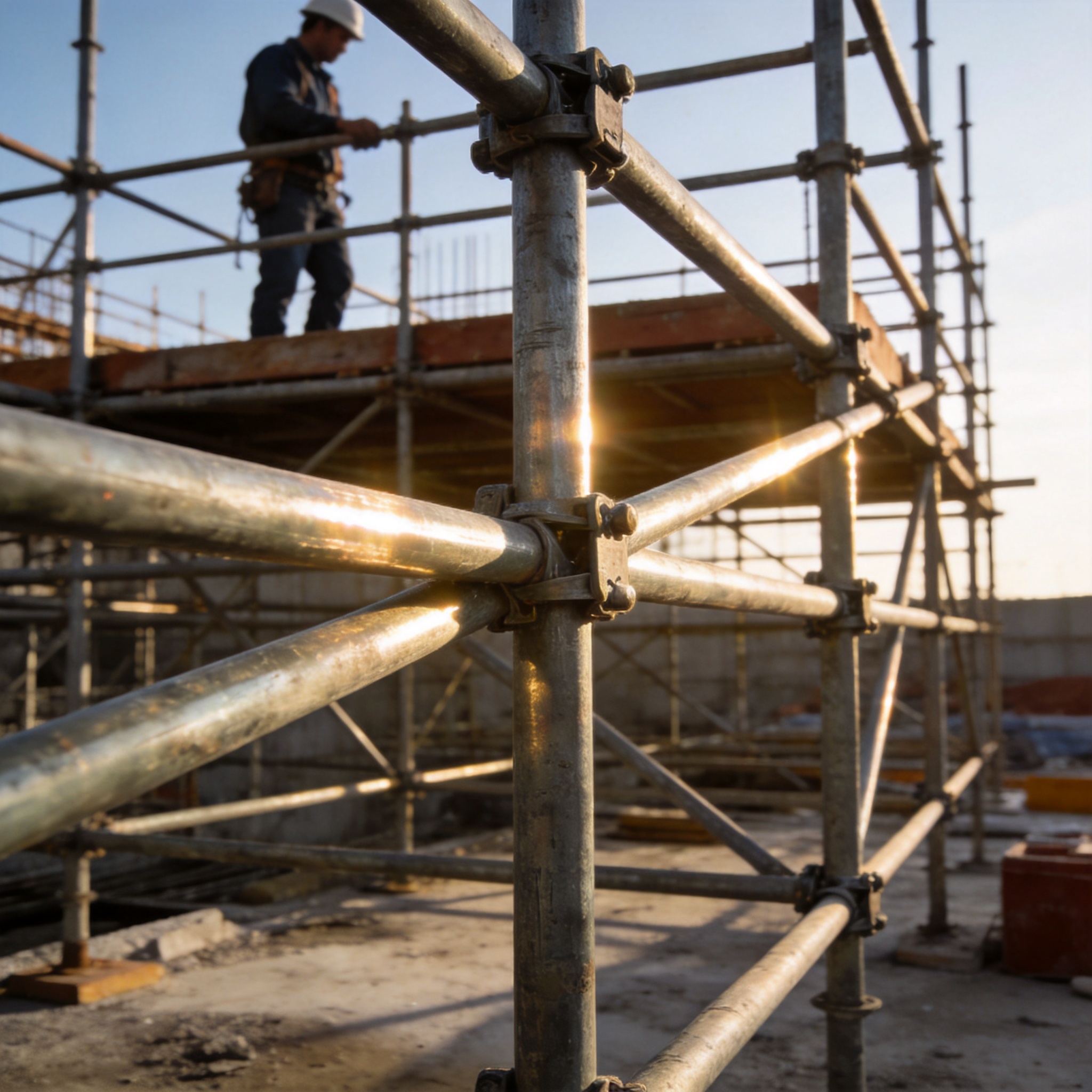
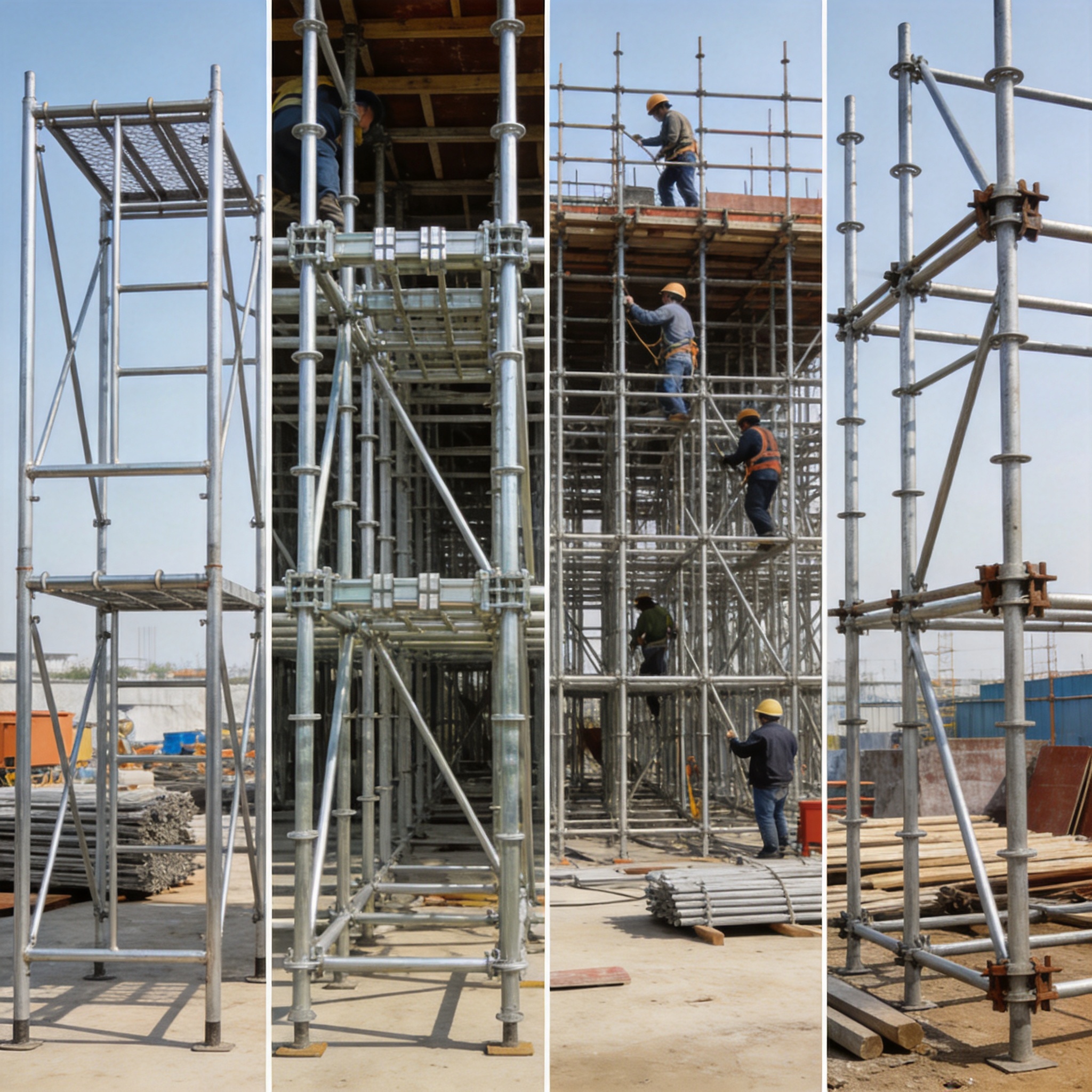
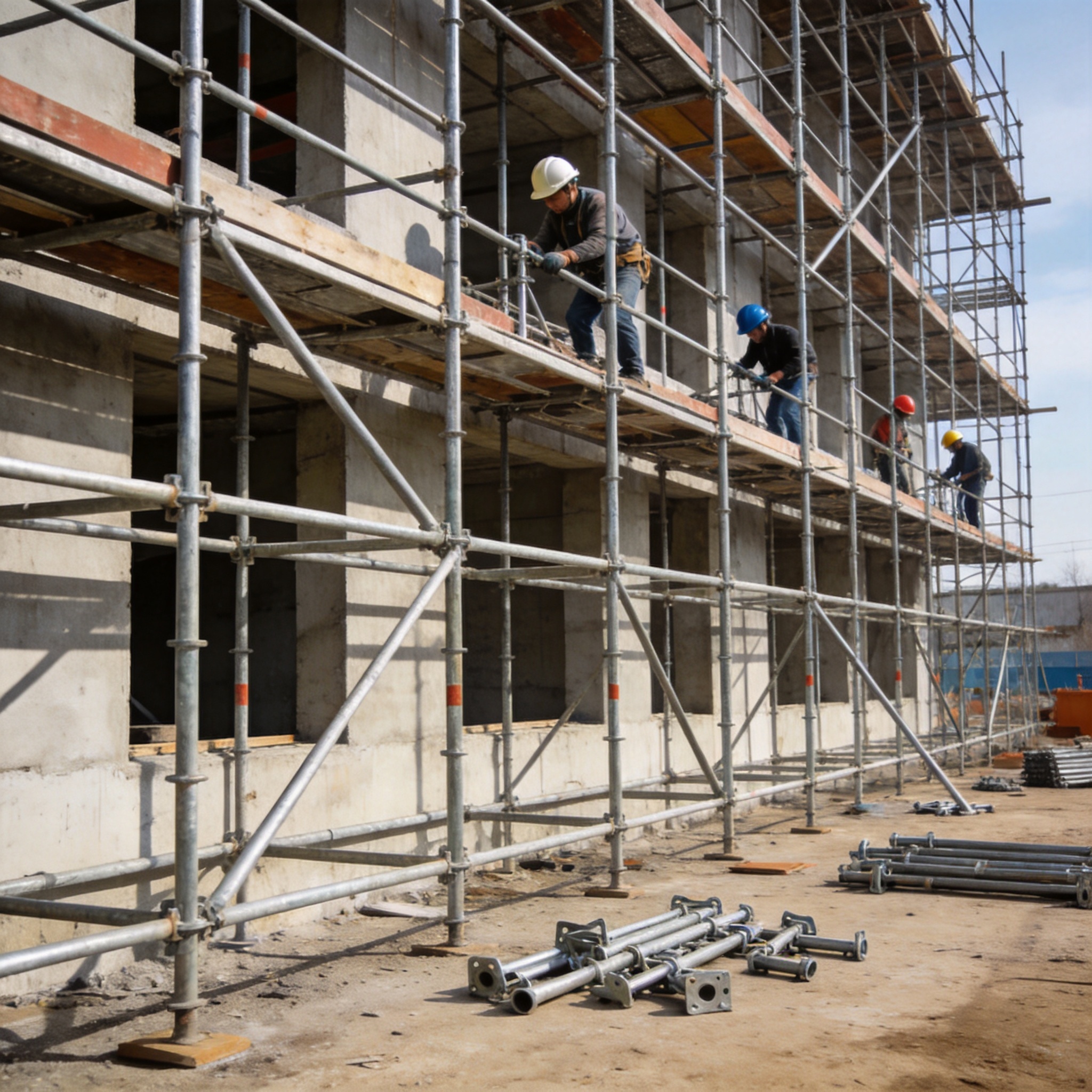
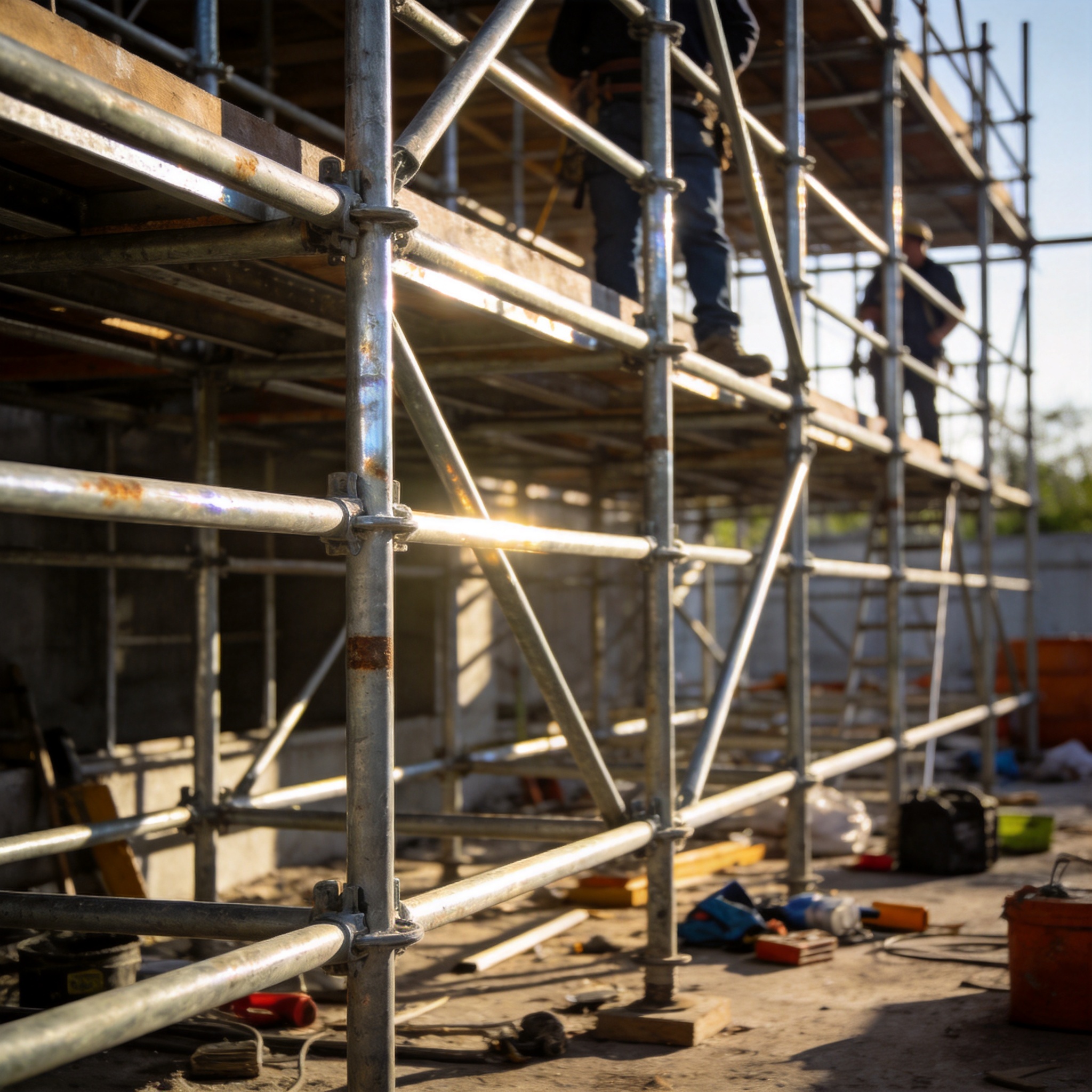
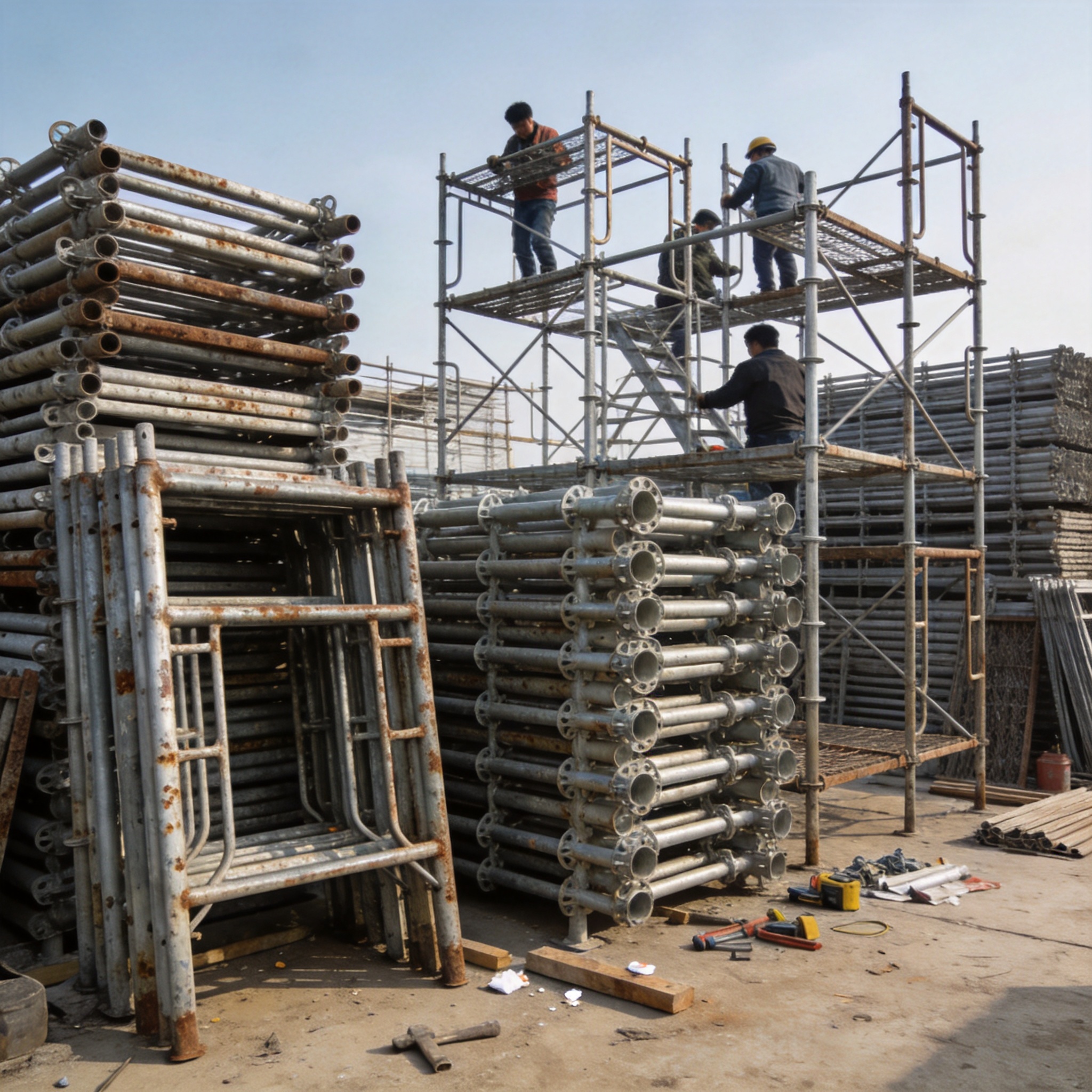
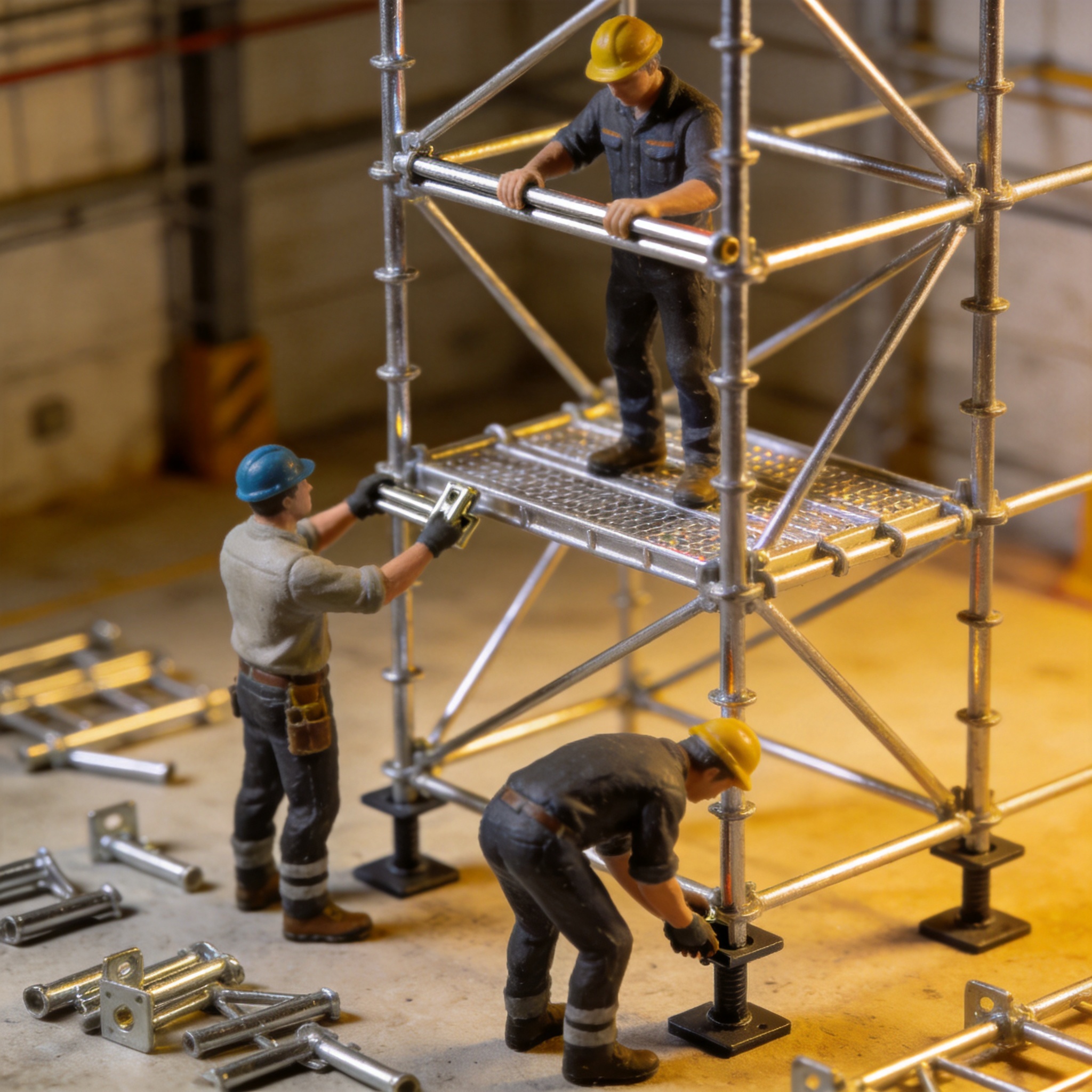
Imagine a construction site where efficiency meets safety, where each worker confidently navigates a structured labyrinth of metal frames, poised to create architectural marvels. This vision becomes a reality with the adoption of frame scaffolding systems, a revolutionary shift in the world of construction. From towering skyscrapers to intricate residential projects, the integration of these systems has been nothing short of transformative, offering unparalleled adaptability and reliability.
But what sets frame scaffolding systems apart from traditional methods? The answer lies in their design and versatility. Unlike older scaffolding techniques that often require time-consuming assembly and can pose significant safety risks, frame scaffolding offers a robust, easily assembled alternative that maximizes productivity while minimizing hazards. Whether you’re a seasoned construction professional or a budding architect, understanding the benefits of these systems could redefine how you approach your next big project, ensuring not only structural integrity but also peace of mind for everyone involved.

Enhanced Safety Features of Frame Scaffolding Systems
The modern frame scaffolding system is engineered with safety at its core. Each component—ranging from welded frame sections to cross-bracing tubes—is designed to distribute weight evenly and prevent structural collapse under heavy loads. Guardrails and toe boards are easily installed along the working platforms to stop tools or materials from falling, safeguarding both workers below and passersby. The standardized dimensions of frames ensure compatibility across different makes and models, reducing the risk of mismatched parts that could compromise stability. Additionally, slip-resistant decking provides secure footing in wet or icy conditions, while integrated access points, such as built-in ladder frames, eliminate the need for precarious external ladders and streamline movement between levels.
Beyond the hardware itself, frame scaffolding systems simplify safety inspections and maintenance protocols. Color-coded locking pins and clear labeling make it straightforward to verify that every section is properly secured before use. This built-in visual guidance helps site supervisors identify loose components or wear-and-tear more quickly, reducing human error and enhancing compliance with OSHA regulations and other industry standards. By minimizing assembly complexity and promoting consistent, repeatable setups, a frame scaffolding system dramatically cuts down on the likelihood of accidents, ultimately creating a safer work environment for all involved.
Versatility and Adaptability of Frame Scaffolding Systems
One of the defining strengths of a frame scaffolding system lies in its remarkable adaptability to diverse project requirements. Modules can be stacked or staggered to create custom heights, allowing crews to scale up easily for high-rise exteriors or down for basement renovations. The uniform frame dimensions facilitate rapid assembly and disassembly, so scaffolding can be reconfigured as work progresses from one section of the site to another. This modular approach significantly reduces downtime and ensures that tools and materials are always positioned at the optimal working elevation.
Moreover, these systems accommodate uneven terrain and complex building geometries with the addition of adjustable base plates, leveling jacks, and swivel casters. Accessories such as outriggers, debris nets, and weather protection can be integrated seamlessly to address safety and logistical concerns. Whether navigating around architectural protrusions, wrapping corners, or spanning narrow alleys, a frame scaffolding system provides the flexibility needed to maintain workflow continuity. This adaptability translates to faster project timelines and the ability to tackle challenging sites with confidence.
Cost-Effectiveness of Implementing Frame Scaffolding Systems

Investing in a frame scaffolding system can yield significant cost savings over the lifespan of a project. The ease of assembly reduces labor hours required for setup and teardown, meaning crews spend more time on productive tasks and less time handling equipment. Standardized components are often sold or rented in bulk at competitive rates, and their compatibility across multiple projects enhances return on investment. Furthermore, the durability of high-strength steel or aluminum frames minimizes replacement costs, as parts can be reused hundreds of times before showing signs of wear.
Another financial advantage stems from the reduction in accident-related expenses. By providing secure, stable working platforms and minimizing fall hazards, frame scaffolding systems lower the likelihood of costly injuries and associated downtime. Insurance premiums may also decrease when comprehensive safety measures are in place, further offsetting equipment costs. For contractors juggling tight budgets, the blend of operational efficiency, durability, and enhanced safety makes frame scaffolding an economically sound choice for long-term construction planning.
Maintenance and Durability Considerations
Proper maintenance is essential to ensure that a frame scaffolding system remains safe and functional throughout multiple construction cycles. Routine inspections should focus on identifying corrosion, dents, or bent frame members that could compromise structural integrity. High-quality systems often employ galvanized steel or powder-coated finishes to resist rust and wear, extending the service life of each component. Lubrication of moving parts, such as coupling pins and swivel casters, helps maintain smooth operation and prevent seizing.
Storage practices also play a critical role in preserving equipment longevity. Keeping frames off the ground on pallet racks, covering them to shield against moisture, and segregating damaged pieces for timely repair all contribute to sustained performance. When replacement parts are needed, manufacturers typically offer drop-in matches for lost or worn elements, simplifying the logistics of maintenance. By adhering to a proactive care schedule, contractors can maximize the durability of their frame scaffolding investment and avoid unexpected project delays due to equipment failure.
Conclusion: Embracing the Future of Construction with Frame Scaffolding Systems
As construction demands grow more complex and safety standards continue to tighten, frame scaffolding systems have emerged as an indispensable solution for modern job sites. Their blend of robust safety features, versatile configurations, and cost-saving benefits positions them at the forefront of industry innovation.
By adopting these reliable, easy-to-maintain systems, contractors and architects alike can enhance productivity, reduce risks, and deliver projects on schedule and within budget—truly transforming the way we build.
