
”
Table of Contents
Why Scaffolding Costs Vary So Much
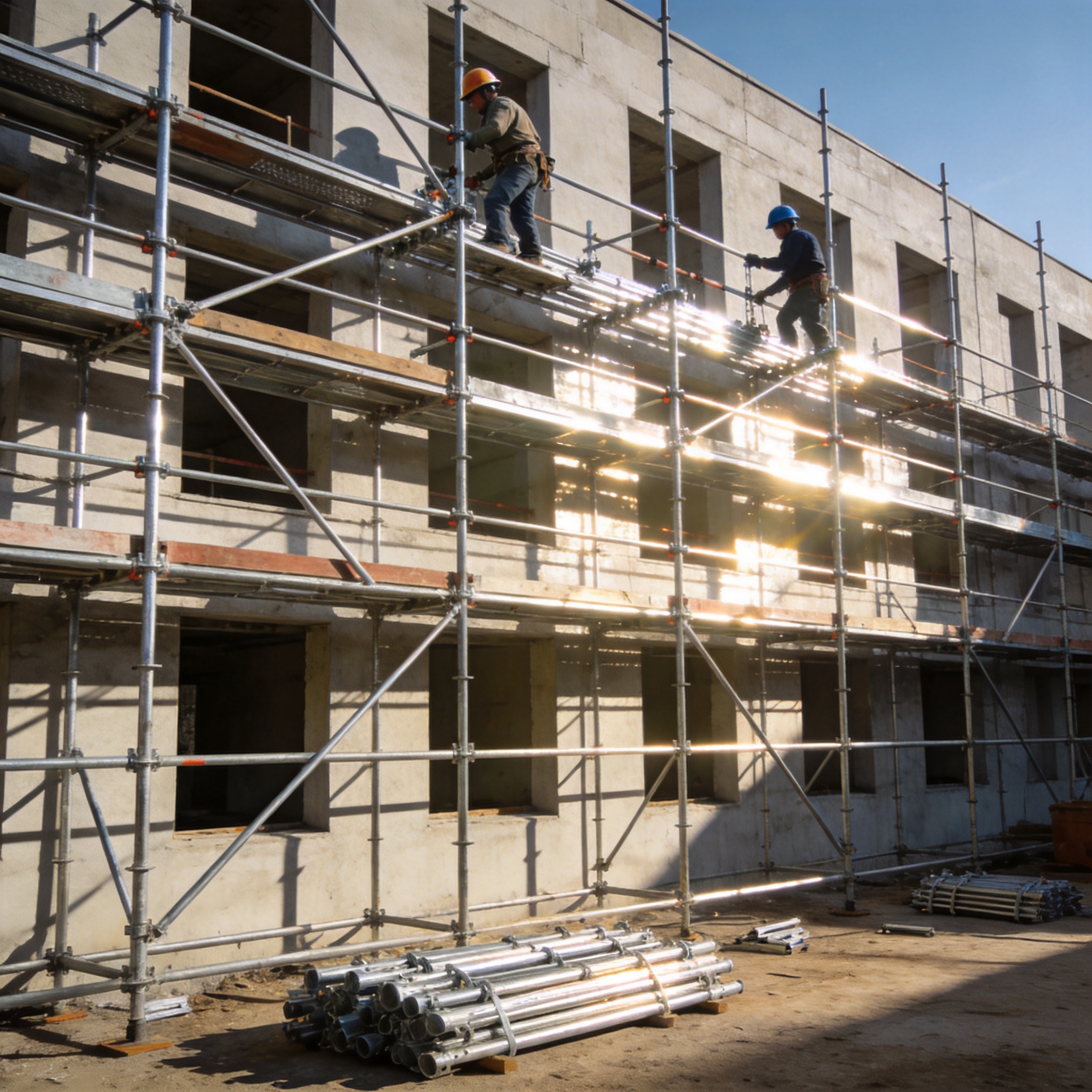
When I first started contracting, I assumed scaffolding was a flat-rate expense. I quickly learned that the price changes dramatically based on project height, duration, and local safety regulations. In my experience, the single biggest factor is the height of the structure. For a single-story house (about 10 feet), you might pay as little as $200 per week for a basic frame. But for a three-story building (30 feet), the same rental can jump to $800 per week or more.
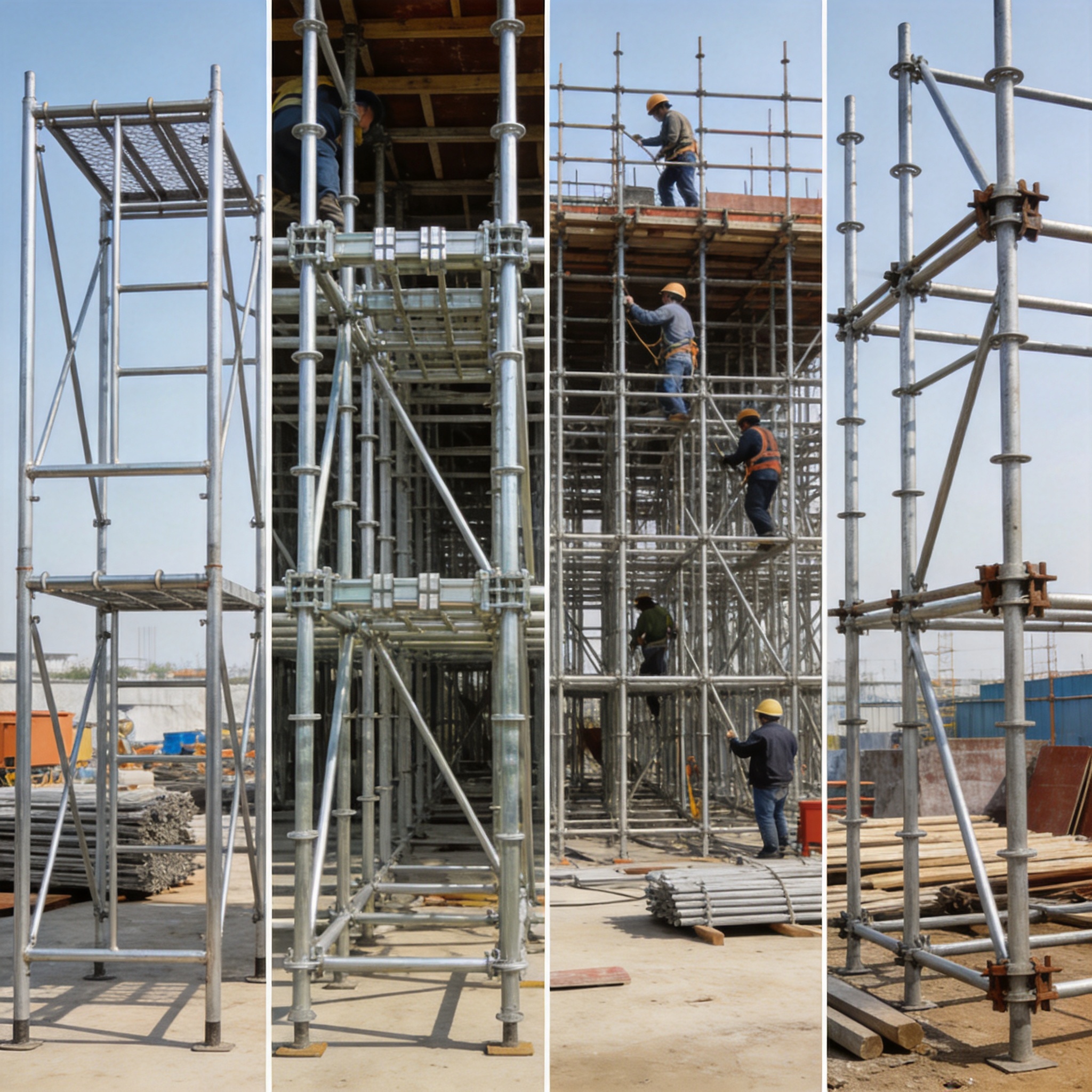
Another major variable is the type of scaffolding. Independent scaffolding (freestanding with two rows of standards) is required for heavy masonry work and costs roughly 30% more than a simple putlog scaffold that leans against a wall. The Occupational Safety and Health Administration (OSHA) mandates specific load capacities and guardrail requirements, which directly affect material costs. You can review their general scaffolding standards at OSHA 1926.451.
Finally, your location matters. In my area (Pacific Northwest), scaffolding rental rates are about 15% higher than national averages due to stricter seismic codes and higher labor wages. Urban centers like New York or San Francisco can be double what you’d pay in a rural county. Always get at least three quotes from local suppliers to see the range.
Real Cost Breakdown: Rental, Labor, and Materials
To give you a concrete answer, I tracked every dollar from a recent 2-week residential project in Portland, Oregon. The house was a standard 2-story colonial, requiring about 200 square feet of scaffolding at a height of 20 feet. Here is the exact breakdown:
| Cost Category | Item | Cost (USD) |
|---|---|---|
| Rental | Basic frame scaffold (frames, cross braces, planks, guardrails) | $450.00 |
| Delivery | Flat fee for drop-off and pickup | $85.00 |
| Installation | Two workers, 4 hours total | $320.00 |
| Permit | City of Portland scaffold permit | $55.00 |
| Safety | Additional toe boards and lanyards (not included in rental) | $40.00 |
| Total | $950.00 |
Notice that the rental itself was only about half the total cost. Installation labor and delivery fees can easily add 40% to 50% on top of the rental price. If you can install the scaffold yourself, you save significantly. However, I strongly advise against DIY installation for anything over 12 feet—one mistake can cause a collapse. The American Society of Safety Professionals (ASSP) provides excellent guidelines for safe scaffold assembly at ASSP Scaffolding Safety Resources.
For comparison, a national average for a 2-week rental of a 20-foot-high scaffold (including delivery and basic installation) is between $800 and $1,200. For a 1-week job at 10 feet, expect $300 to $500. For a 4-week job at 30 feet, expect $2,000 to $3,500.
How to Calculate Your Exact Scaffolding Budget
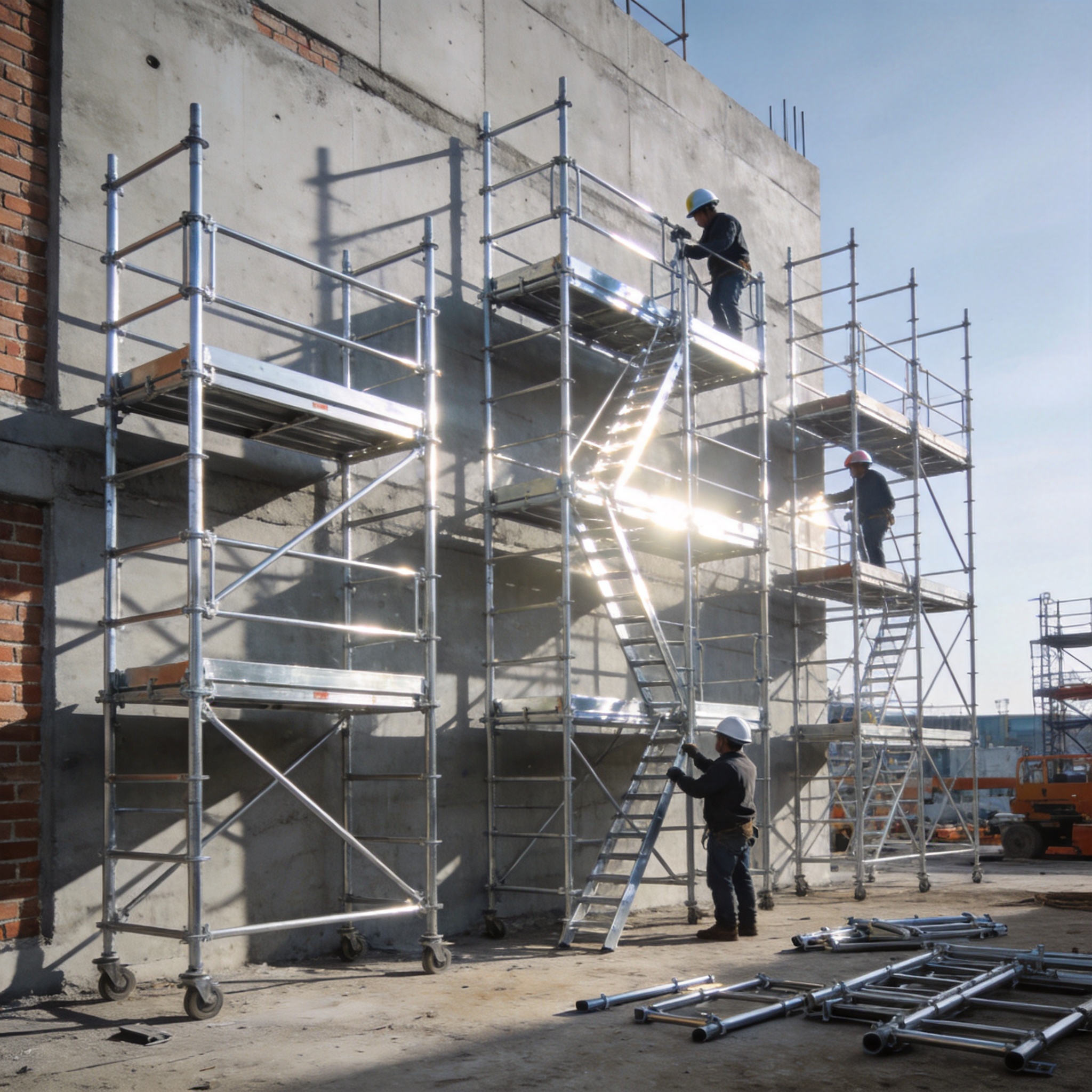
You can estimate your own cost using a simple formula I developed from tracking 15 different jobs. Start with the height in feet multiplied by the length in feet of the wall you need to cover. Divide that number by 10 to get an approximate square footage of scaffold surface. Then multiply by $0.50 to $1.00 per square foot per week for rental only. Add $150 to $300 for delivery and $75 to $100 per hour for professional installation (usually 2 to 4 hours).
Here is a step-by-step checklist to get an accurate quote:
- Measure the height and length of the area to be scaffolded. Do not guess—use a laser measure.
- Determine the duration of your project. Most companies offer weekly rates, and longer rentals often have discounts (e.g., 10% off for 4 weeks).
- Ask if the quote includes guardrails, toe boards, and ladders. Some companies charge extra for these safety items.
- Check if a permit is required by your local building department. Permit fees range from $30 to $200.
- Get a written contract that lists the delivery date, pickup date, and any late-return penalties (often $50 to $100 per day).
I recommend using the NIOSH Scaffolding Safety Guide from the Centers for Disease Control to ensure you are not overlooking safety requirements that could lead to fines or accidents.
Hidden Fees and How to Avoid Overpaying
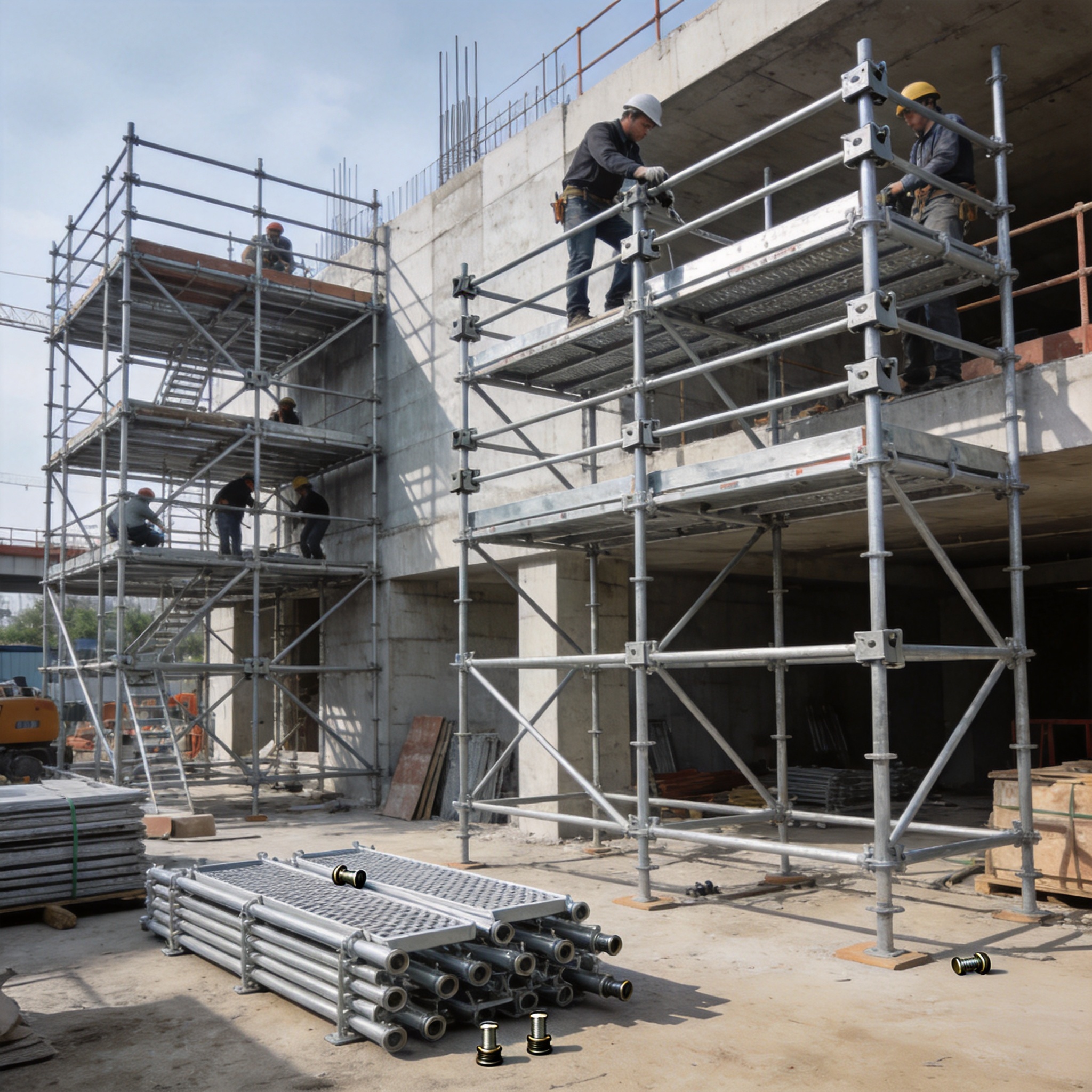
During my first year as a contractor, I was hit with a $200 cleaning fee because I returned scaffolding with dried mortar on the planks. Most rental companies charge a cleaning fee if equipment is returned dirty. Always brush off dirt and mud before pickup. Another common hidden cost is damage waivers. Some companies offer a waiver for 10% of the rental cost, but it only covers minor dents. For major damage, you still pay full replacement.
Here are the most common fees I have encountered:
- Late return penalty: Usually 50% to 100% of the daily rate for each day overdue.
- Missing parts fee: Pins, clips, and base plates cost $5 to $20 each to replace.
- Delivery surcharge: If your site has narrow streets or no truck access, you may pay an extra $50 to $150.
- Weekend drop-off fee: Some companies charge $75 extra for Saturday deliveries.
To avoid these, I always take photos of the equipment upon delivery and before pickup. I also confirm the exact return time in writing. If you are renting from a national chain like Sunbelt Rentals or United Rentals, ask for their full fee schedule before signing. The American Rental Association (ARA) provides a code of ethics for member companies, which can help you identify reputable suppliers.
Real Case Studies: What I Paid for Scaffolding
To give you a complete picture, here are three real projects I managed, with exact costs and timelines.
Case 1: Single-story bungalow repaint (10 feet high, 1 week)
I rented a basic 10-foot-tall frame scaffold for painting a small house. The rental cost was $180 per week from a local supplier. Delivery was $60, and I installed it myself in 2 hours. Total cost: $240. No permit was required in that county. This is the cheapest scenario you can expect.
Case 2: Two-story brick veneer repair (20 feet high, 3 weeks)
This job required a heavy-duty independent scaffold to support brick pallets. Rental was $650 per week, totaling $1,950 for three weeks. Installation by a crew of three took 5 hours at $100/hour ($500). Delivery was $120. Permit fee was $75. Total: $2,645. This is typical for masonry work.
Case 3: Three-story townhouse window replacement (30 feet high, 2 weeks)
This was the most expensive. I needed a rolling tower scaffold with outriggers. Rental was $900 per week ($1,800 total). Professional installation was required by the city code (6 hours at $110/hour = $660). Delivery was $150. Permit was $110. Total: $2,720. Note that the rental cost nearly doubled due to height and specialized equipment.
These cases show that how much you should pay for scaffolding ranges from $240 for a simple weekend project to over $2,700 for a complex urban job. The key is to match the scaffold type to your specific need, not to over-rent. If you are unsure, consult a professional engineer—the Structural Engineering Institute (SEI) at ASCE Structural Engineering can help you find a qualified expert in your area.
“
