
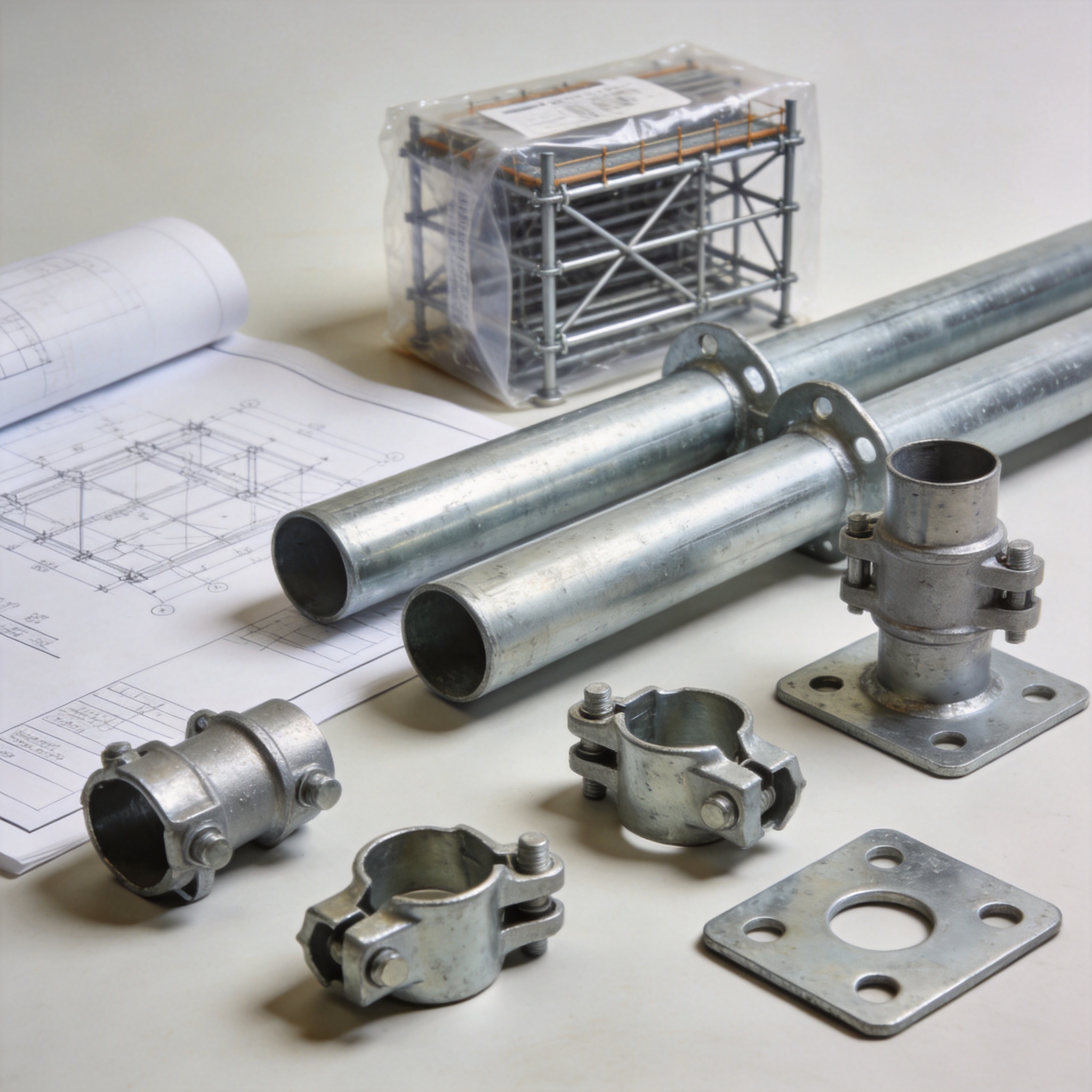


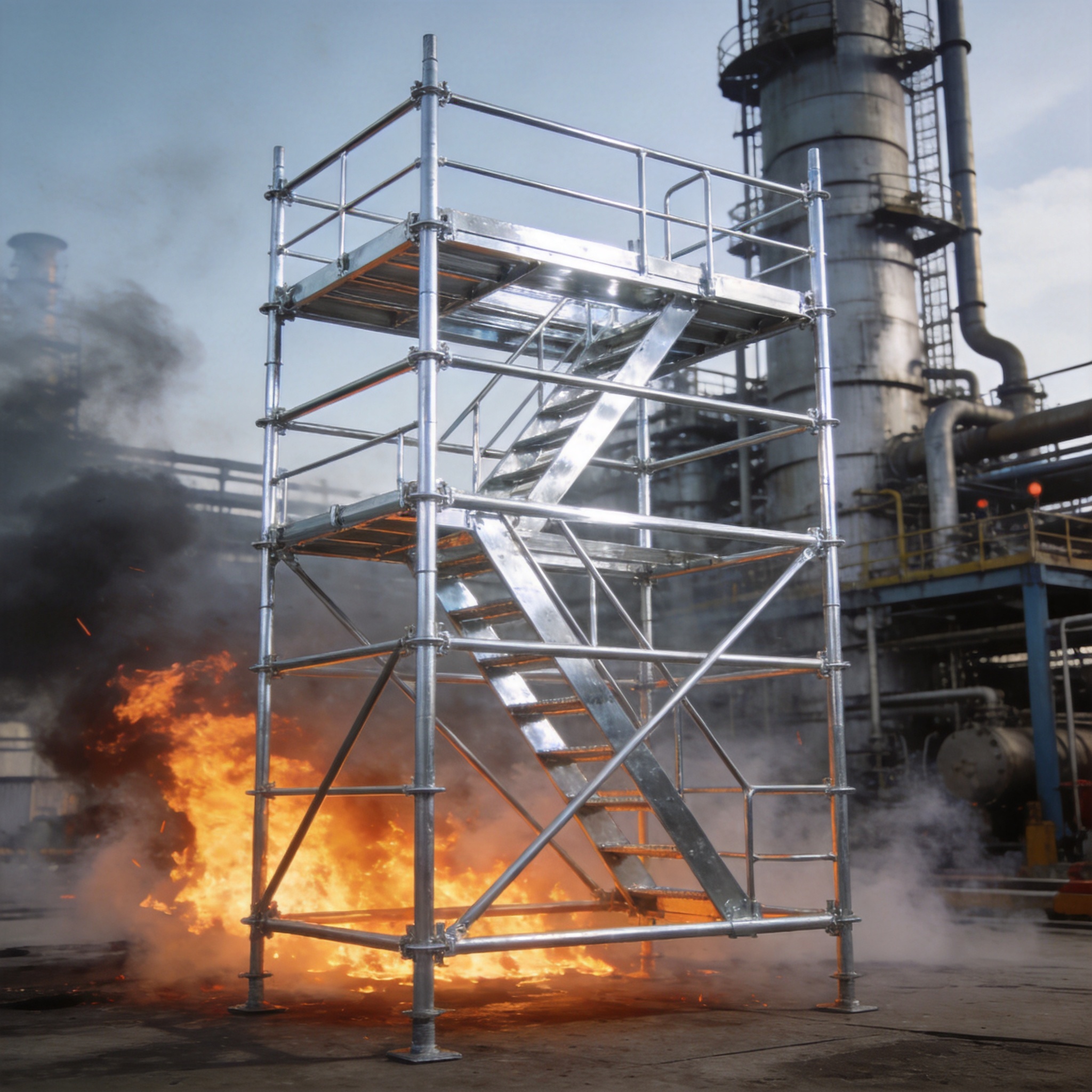
Imagine working on a construction project where every tool you need is cumbersome and requires excessive manpower just to set up. Now, picture a scenario where the equipment is so agile and easy to handle that it cuts installation time in half while still ensuring safety. This is not some distant futuristic technology—this is happening now with the rise of lightweight scaffolding solutions. These modern marvels are transforming the construction industry by offering both efficiency and reliability, challenging the long-standing norms of traditional scaffolding.
As urban landscapes evolve and the demand for complex structures grows, the need for more nimble and innovative building solutions becomes undeniable. According to a recent industry survey, construction companies utilizing lightweight scaffolding have seen a significant increase in project productivity, allowing teams to focus less on logistical hurdles and more on creative problem-solving. In this blog post, we delve into how lightweight scaffolding is revolutionizing construction processes, exploring its benefits, and discussing why it’s becoming the go-to choice for builders worldwide. Whether you’re a seasoned contractor or just curious about construction innovations, understanding the power of these solutions could be a game-changer for your next project.
The Evolution of Scaffolding Technology
From the earliest civilizations, craftsmen have relied on makeshift wooden platforms and bamboo poles lashed together to reach lofty heights. These primitive structures, though ingenious for their time, offered limited safety and demanded extensive labor to erect. Over centuries, timber gave way to steel tubing and couplers, introducing modularity and stronger load capacities. The basic principle remained unchanged: provide a stable working platform at various elevations. Yet, as buildings grew taller and architectural designs more daring, the industry recognized that traditional scaffolding systems were cumbersome, heavy, and time-consuming to assemble and transport.
By the late 20th century, prefabricated ringlock and cuplock systems streamlined assembly, but weight remained a major drawback. Enter aluminum-based frames and advanced composite materials. Companies began experimenting with aluminum alloys and fiberglass components that retained structural integrity while slashing overall mass. This shift marked the true genesis of modern lightweight scaffolding. By leveraging high-strength materials, engineers achieved a balance of durability, safety, and ease of handling that older steel-only systems simply couldn’t match.
Today’s lightweight scaffolding options blend intelligent design with cutting-edge engineering. Telescoping frames, snap-fit connectors, and integrated platform technologies allow crews to adjust configurations on the fly, reducing setup times dramatically. These systems not only simplify logistics—allowing smaller teams and fewer vehicles on site—but also minimize fatigue and the risk of on-the-job injuries. As innovation continues, future iterations may incorporate smart sensors and IoT connectivity, further revolutionizing how we build and maintain towering structures.
Increased Efficiency in Construction Projects
One of the most immediate impacts of adopting lightweight scaffolding is the acceleration of project timelines. Traditional scaffolding can require large crews and specialized equipment just to position and secure heavy steel frames. By contrast, lightweight scaffolding panels and platforms can be handled by fewer workers, often without forklifts or cranes. This streamlines both the delivery and installation phases, enabling teams to begin work faster and move components along as the building envelope rises.
Beyond speed, lightweight scaffolding systems improve resource allocation. Crew members who might otherwise focus on tedious rigging tasks can be redeployed to core construction activities like masonry, painting, or facade installation. This shift not only boosts overall productivity but also enhances worker satisfaction by reducing strenuous labor. Additionally, the modular nature of many lightweight systems means they can adapt to complex geometries—curved walls, cantilevers, and atriums—without extensive customization, eliminating downtime associated with bespoke fits.
From a financial standpoint, reduced labor hours and lower equipment rental fees translate directly to cost savings. Projects that historically overran budgets due to scaffold-related delays now find greater predictability in their schedules. Furthermore, many lightweight scaffolding products optimize storage space on site. Collapsible frames and stackable decks occupy minimal footprint, freeing up valuable real estate for material staging or safety zones. Collectively, these efficiency gains reinforce why lightweight scaffolding is quickly becoming a staple on modern job sites.
Comparison: Lightweight vs. Traditional Scaffolding
When evaluating scaffolding solutions, weight and portability are often the first factors considered. Traditional steel scaffolding can weigh upwards of 50 pounds per frame, requiring mechanical assistance for safe handling. In contrast, aluminum or composite lightweight scaffolding frames typically range between 15 and 25 pounds, allowing two workers to carry and install components with ease. This dramatic reduction in mass simplifies every phase of scaffolding—from offloading and staging to repositioning and dismantling.
Cost considerations further highlight key distinctions. While steel scaffolding may have a lower upfront purchase price, hidden expenses accumulate through higher transportation fees, longer labor times, and additional rental equipment. Lightweight scaffolding systems, though sometimes carrying a premium sticker, offer lower lifecycle costs by reducing man-hours, vehicle usage, and storage requirements. Over the lifespan of multiple projects, these savings can offset initial outlays and deliver superior return on investment.
Safety performance also diverges between the two types. Traditional scaffolding’s bulk can pose pinch-point hazards during assembly, and its weight may contribute to instability on uneven surfaces. Lightweight scaffolding often features ergonomic grips, quick-lock mechanisms, and integrated leveling jacks that enhance user safety and minimize human error. Many manufacturers also embed anti-slip surfaces and guardrail attachment points directly into the design, ensuring that compliance with occupational health standards is more intuitive and less reliant on additional accessories.
Choosing the Right Lightweight Scaffolding for Your Project
Selecting an appropriate lightweight scaffolding system begins with understanding your project’s specific demands. Consider the maximum working height you require, the load capacity per bay, and the types of tasks your crew will perform. High-rise facade repairs call for different configurations than interior finish work or bridge maintenance. Evaluate whether you need a rolling tower, suspended systems, or fixed-frame scaffolding to match your operational footprint and access constraints.
Material choice plays a pivotal role. Aluminum scaffolding offers excellent strength-to-weight ratios and corrosion resistance, making it ideal for outdoor or coastal applications. Fiberglass-reinforced polymer (FRP) scaffolding excels in environments with electrical hazards, such as power plant maintenance, thanks to its non-conductive properties. Some hybrid systems combine aluminum frames with composite decks, balancing cost with performance. Verify that any product you consider meets industry certifications like EN 12811 or OSHA standards to ensure compliance and safety.
Logistics and service support are equally important. Partner with suppliers who offer training, rapid parts replacement, and onsite technical assistance. Assess whether rental or purchase suits your budget profile—short-term projects often benefit more from rentals, while long-term or recurring works can justify capital investment. Finally, take into account storage and transportation; collapsible or nesting designs dramatically reduce space requirements, further optimizing your supply chain and on-site organization.
Embracing the Shift: Adapting to Modern Construction Practices
Transitioning to lightweight scaffolding requires more than just swapping out steel tubes for aluminum frames—it demands a holistic shift in project planning and workforce training. Start by educating site managers, engineers, and labor crews on the proper assembly techniques and safety protocols unique to these systems. Engaging in manufacturer-led workshops or certification courses ensures your team gains hands-on experience and builds confidence in rapid setup and teardown procedures.
Integrating digital tools enhances this adaptation further. Many lightweight scaffolding providers now offer BIM-compatible modules and QR-coded components to streamline inventory management and ensure accurate on-site placement. By incorporating scaffolding layouts into project management software, you can visualize access strategies, identify potential clashes with existing structures, and optimize material flow. This data-driven approach minimizes delays and fosters collaboration among architects, engineers, and contractors.
Finally, embracing lightweight scaffolding aligns with broader industry trends toward sustainability and lean construction. Reduced material consumption, lower transportation emissions, and fewer labor-intensive processes contribute to greener building practices and enhanced corporate social responsibility. As stakeholders increasingly prioritize environmental impact and efficiency metrics, companies that pioneer lightweight scaffolding adoption will stand out in a competitive market and pave the way for future innovations.
Conclusion
Lightweight scaffolding represents more than a mere equipment upgrade—it embodies a paradigm shift in how construction projects are executed. By merging advanced materials, smart design, and digital integration, these systems unlock unparalleled efficiency, safety, and cost-effectiveness. As the industry evolves, embracing lightweight scaffolding will be essential for stakeholders aiming to stay ahead of the curve.
Whether you’re tackling high-rise facades, intricate interior finishes, or large-scale infrastructure, the benefits of agile, dependable scaffolding solutions are clear. Investing in the right lightweight scaffolding not only accelerates timelines and reduces labor demands but also reinforces a commitment to sustainable, innovative construction practices.
