


Can a roller scaffold be used in hot weather? This is a question that many construction workers, project managers, and safety officers often ask. As a roller scaffold supplier, I’ve encountered this query numerous times, and I believe it’s crucial to provide a comprehensive answer based on scientific knowledge and practical experience.
Understanding Roller Scaffolds

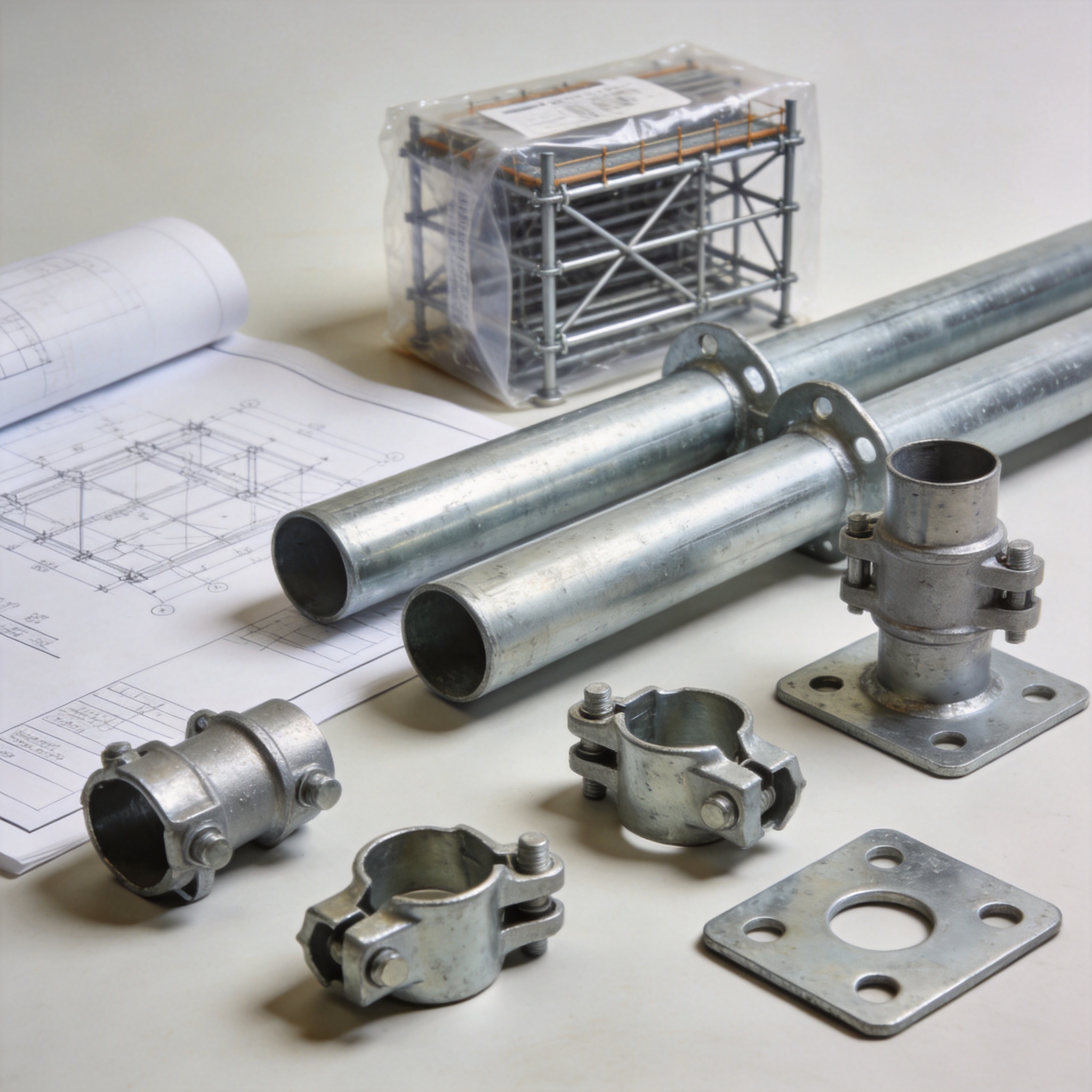
Before delving into the use of roller scaffolds in hot weather, let’s first understand what roller scaffolds are. Roller scaffolds, also known as mobile scaffolds, are equipped with wheels or casters, allowing for easy movement around a work site. They are commonly made of materials such as aluminum or steel, each with its own set of properties and characteristics. For instance, our 6 Feet Aluminum Scaffold and Aluminum Folding Scaffold are popular choices due to their lightweight nature, corrosion resistance, and ease of assembly.
The Effects of Hot Weather on Roller Scaffolds
Hot weather can have several effects on roller scaffolds, both in terms of the material properties and the overall safety of the structure.
Material Expansion
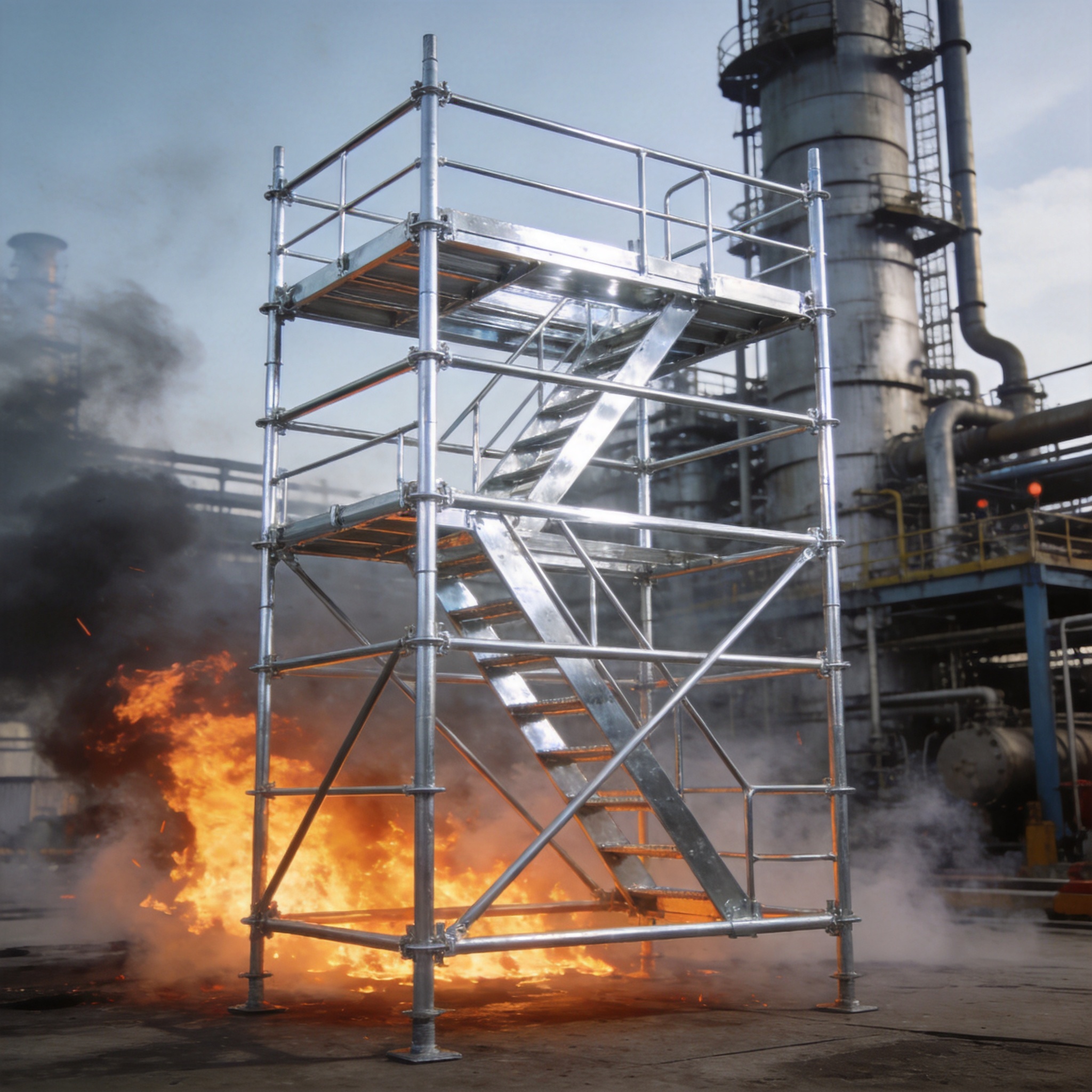
One of the primary concerns in hot weather is material expansion. Metals, such as aluminum and steel, expand when exposed to high temperatures. This expansion can cause the components of the roller scaffold to experience increased stress. For example, the tubes and connectors may expand, potentially leading to loosening of joints or misalignment of the structure. In extreme cases, this could compromise the stability of the scaffold, increasing the risk of collapse.
Reduced Strength
High temperatures can also reduce the strength of the materials used in roller scaffolds. As the temperature rises, the yield strength and ultimate strength of metals tend to decrease. This means that the scaffold may be less able to support the intended loads, posing a significant safety hazard. It’s essential to consider the maximum operating temperature of the scaffold materials and ensure that they are suitable for the environmental conditions.
Impact on Wheels and Casters
The wheels and casters of roller scaffolds are also affected by hot weather. The rubber or plastic components of the wheels may become soft and deform under high temperatures, reducing their ability to provide stable support. Additionally, the lubricants used in the wheel bearings may break down, leading to increased friction and wear. This can make it difficult to move the scaffold safely and may also affect its overall maneuverability.
Safety Measures for Using Roller Scaffolds in Hot Weather
Despite the potential challenges, it is possible to use roller scaffolds safely in hot weather by implementing appropriate safety measures.
Regular Inspections
Before using the roller scaffold in hot weather, a thorough inspection should be conducted. Check for any signs of material damage, such as cracks, dents, or corrosion. Pay special attention to the joints and connections, ensuring that they are tight and secure. Inspect the wheels and casters for any signs of deformation or damage. It’s also important to check the overall stability of the scaffold and make any necessary adjustments.
Temperature Monitoring
Monitoring the temperature at the work site is crucial. If the temperature exceeds the recommended operating range for the scaffold materials, additional precautions should be taken. This may include providing shade for the scaffold to reduce the direct exposure to sunlight or scheduling work during cooler parts of the day.
Load Management
In hot weather, it’s important to be extra cautious when it comes to load management. Ensure that the scaffold is not overloaded and that the loads are evenly distributed. Consider reducing the maximum allowable load on the scaffold to account for the potential reduction in material strength.
Employee Training
Proper training of employees is essential for the safe use of roller scaffolds in hot weather. Workers should be educated about the potential hazards associated with hot weather and the safety measures that need to be taken. They should also be trained on how to conduct inspections, monitor temperatures, and manage loads effectively.
Case Studies
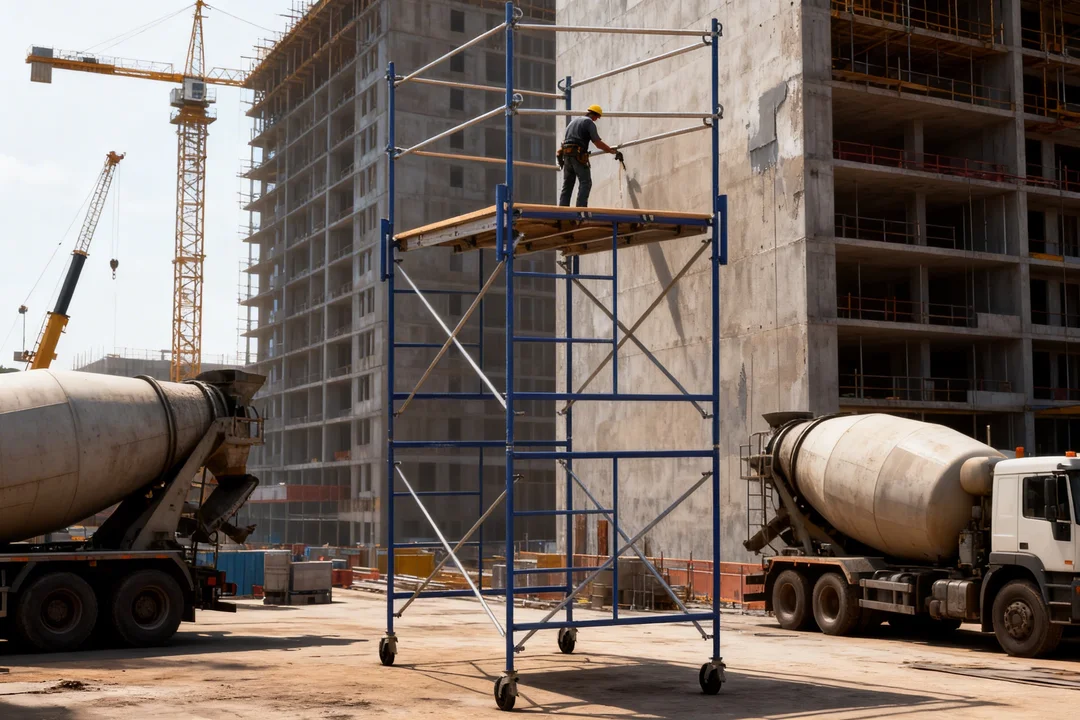
To illustrate the importance of following safety measures when using roller scaffolds in hot weather, let’s look at a few case studies.
Case Study 1: A Construction Project in a Desert Region
In a construction project located in a desert region, the temperature regularly reached over 40°C (104°F). The construction company was using roller scaffolds made of aluminum. Due to the high temperatures, the aluminum components expanded, causing some of the joints to loosen. However, the company had implemented a strict inspection and maintenance program. During a routine inspection, the workers noticed the loose joints and were able to tighten them before any serious safety issues occurred. By following the safety measures, the project was completed without any scaffold-related accidents.
Case Study 2: A Roofing Project in a Hot Summer
In a roofing project during a hot summer, a contractor was using a roller scaffold. The workers failed to monitor the temperature and continued to use the scaffold under extremely high temperatures. As a result, the wheels of the scaffold became soft and deformed, making it difficult to move the structure safely. Additionally, the joints of the scaffold started to loosen due to material expansion. This led to a near-collapse situation, highlighting the importance of proper temperature monitoring and safety precautions.
FAQ
1. Can roller scaffolds be safely used in hot weather?
Yes, roller scaffolds can be used in hot weather, but additional safety precautions are necessary because high temperatures can affect worker safety, equipment stability, and material performance.
2. What risks are associated with using roller scaffolds in hot weather?
Common risks include:
- Heat stress and dehydration for workers
- Slippery surfaces caused by sweat or heat
- Expansion of metal components
- Reduced worker concentration and fatigue
- Strong summer winds are affecting scaffold stability
3. How can workers stay safe on roller scaffolds during hot conditions?
Safety measures include:
- Drinking sufficient water regularly
- Wearing breathable protective clothing
- Taking frequent rest breaks in shaded areas
- Avoiding work during peak heat hours
- Using proper fall protection equipment
4. Does hot weather affect scaffold materials?
Yes. Prolonged exposure to high temperatures may cause metal parts to expand and increase surface temperatures, making platforms and rails uncomfortable or unsafe to touch without gloves.
5. Should roller scaffolds be inspected more often in summer?
Yes, regular inspections are important to check wheel locks, braces, platforms, and connections, especially after exposure to intense heat or sudden weather changes.
Conclusion
In conclusion, roller scaffolds can be used in hot weather, but it requires careful consideration and the implementation of appropriate safety measures. The effects of hot weather on the material properties, such as expansion and reduced strength, need to be taken into account to ensure the safety of the structure. By conducting regular inspections, monitoring temperatures, managing loads, and providing proper employee training, the risks associated with using roller scaffolds in hot weather can be minimized.
As a roller scaffold supplier, we are committed to providing high-quality products and comprehensive support to our customers. If you have any questions or need further information about using roller scaffolds in hot weather, or if you are interested in purchasing our 6 Feet Aluminum Scaffold or Aluminum Folding Scaffold, please feel free to contact us. We are here to assist you in making the right choices for your construction projects.
