


Imagine being suspended several stories high, surrounded by nothing but sky and steel. For many, the mere thought is daunting, but for construction professionals, working on scaffolding is just another day on the job. Yet, this seemingly routine task carries immense risk, making safety not just a priority but a necessity. In 2021 alone, over 4,500 injuries were reported due to scaffold-related incidents, highlighting the crucial need for stringent safety measures. As the heart of any construction project, mastering the art of managing these towering structures can mean the difference between a safe job site and a perilous one.
In this blog post, we’re delving into expert tips and techniques that ensure you not only conquer your fear of heights but do so with precision and care. From understanding the mechanics of scaffold setup to leveraging the finest safety practices in the industry, our guide will equip you with everything you need to know about working on scaffolding effectively. Whether you’re a seasoned professional or a newcomer to the trade, these insights are designed to transform how you approach this essential component of construction work. So, let’s ascend safely together and transform those towering fears into triumphs.

Understanding Scaffolding Setup
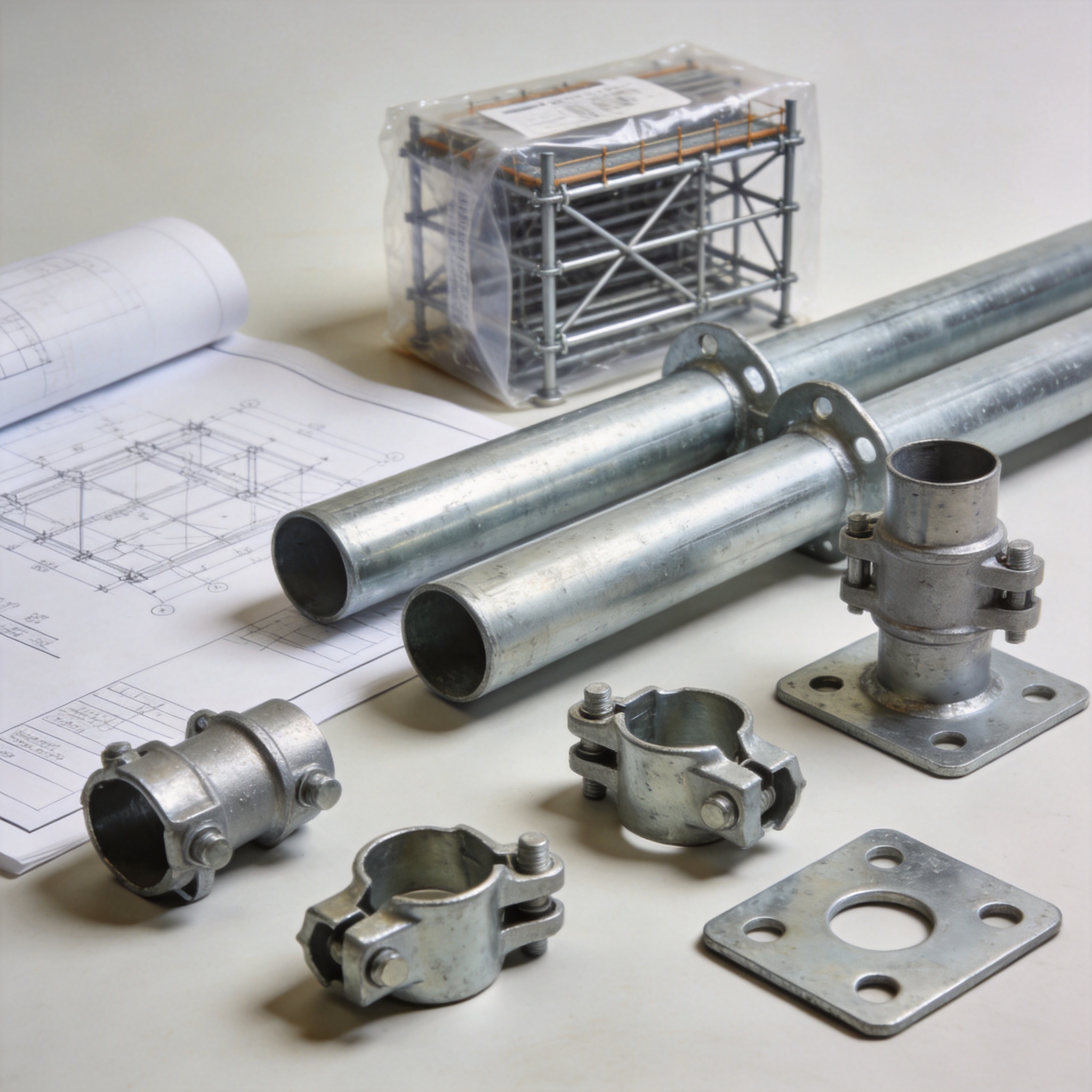
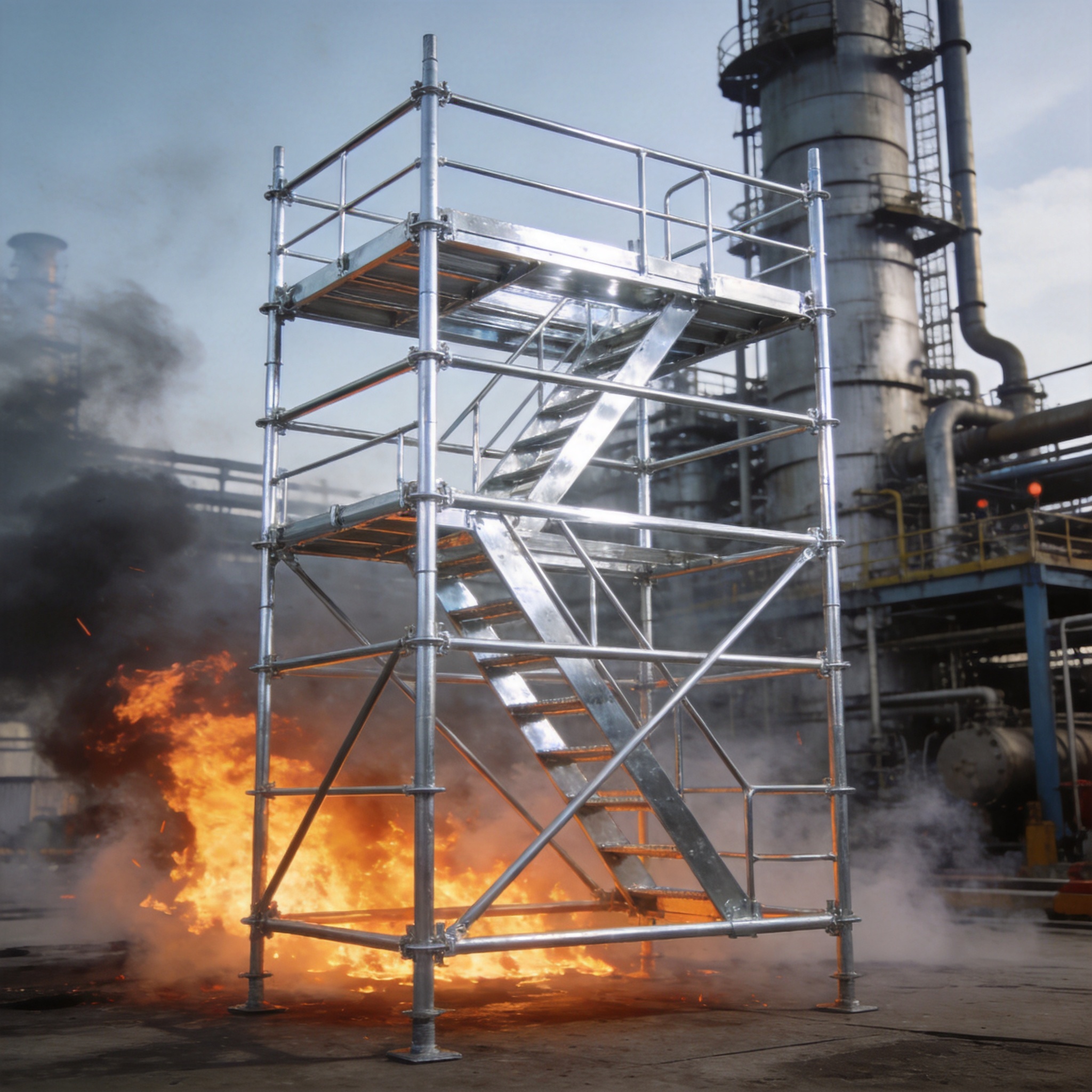
Mastering the fundamentals of scaffold setup is critical for both efficiency and safety on any job site. Whether you’re constructing a simple frame scaffold or an elaborate suspended system, proper planning lays the groundwork for a stable working platform. First, evaluate the terrain: ensure the ground is level, firm, and capable of supporting the scaffold’s weight without shifting. When faced with an uneven surface, use adjustable base plates or screw jacks to achieve the correct level. Next, select the appropriate scaffold type—be it supported, suspended, or rolling—based on the project’s requirements and height. These decisions directly impact ease of access, load capacity, and overall stability.
Once you’ve chosen your scaffold style, assemble components meticulously according to manufacturer guidelines. Start from a secure layout, then connect the frames, braces, and decking in the correct sequence to avoid misalignment. Pay close attention to locking pins and couplers, ensuring each joint is tightly secured before adding subsequent sections. Additionally, proper bracing is essential: diagonal braces reduce sway, while horizontal braces maintain the scaffold’s alignment. When adding platform boards or planks, verify they are free of cracks, splits, or significant wear and that they overlap adjacent sections by the recommended distance to prevent trip hazards.
Tying or anchoring the scaffolding to the adjacent structure is the final step in setup. Use tie-ins at specified intervals, as outlined in the scaffold’s load chart, to counteract tipping and sway caused by wind or dynamic loads from tools and workers. Always confirm that ties are attached to solid structural elements and kept free from corrosion. After assembly and anchoring, conduct a quick integrity check before beginning tasks—verify that guardrails are in place, access ladders are secure, and all components are level and plumb. This diligent approach sets the stage for safe working on scaffolding.
Essential Safety Gear and Equipment
No amount of skill can compensate for missing or faulty personal protective equipment (PPE) when working at height. A hard hat with a secure chin strap is non-negotiable to guard against falling objects, while high-visibility vests help operators, crane drivers, and fellow workers identify you quickly amidst busy job sites. Work gloves with reinforced palms provide a better grip on metal frames and planks, reducing the risk of slips. Additionally, eye protection shields against debris, especially when drilling, cutting, or handling materials overhead. When you’re working on scaffolding, this gear forms your first line of defense against unpredictable hazards.
Full-body harnesses and shock-absorbing lanyards are paramount for fall arrest systems. Choose a harness that fits snugly, distributing forces across the thighs, pelvis, chest, and shoulders in case of a fall. Inspect webbing for frays, stitching damage, or chemical exposure before each use. Lanyards should be rated for a maximum arrest force (MAF) of 1,800 pounds or less, with energy absorbers to minimize impact. Consider self-retracting lifelines (SRLs) for tasks requiring frequent movement, such as repositioning tools or adjusting working platforms. Proper maintenance and regular recertification ensure these systems perform flawlessly when needed.
Footwear must feature slip-resistant soles and puncture-resistant midsoles to navigate potentially slick or debris-strewn scaffold decks. Steel-toe boots offer additional protection from dropped tools or materials, while tool lanyards prevent tools from falling to lower levels. For noise-intensive tasks, earmuffs or earplugs become essential, particularly when mechanical equipment is in use. Don’t overlook situational gear—rainwear for wet conditions, insulating garments for cold environments, and sun protection for outdoor projects. Ultimately, equipping yourself with the right gear and performing pre-use checks bolsters confidence and competence in working on scaffolding.
Pre-Work Inspection Procedures
Thorough pre-work inspections are the keystone of any safety protocol for working on scaffolding. Before you step onto the platform, conduct a comprehensive visual and physical examination of every component. Look for signs of wear such as rust, bent tubes, or loose welds that could compromise structural integrity. Check ground conditions once more—ensure there’s no new debris, erosion, or pooling water that might destabilize the base plates. Confirm that load-bearing elements are free from oil, paint, or other substances that can reduce friction and lead to slipping. Document any irregularities and resolve them before starting work.
Next, focus on the connection points and walking surfaces. Inspect couplers, locking pins, and braces to ensure they’re correctly seated and fully engaged. Guardrails, midrails, and toe boards must be securely attached around the perimeter of each platform level. Walk platform planks to verify they’re correctly laid, without gaps or overhang beyond manufacturer guidelines. If you’re working on scaffolding in a multi-level configuration, ensure that all intermediate levels are inspected similarly. Ladder access points should be clear of obstructions and properly anchored, guaranteeing safe egress and ingress.
Environmental factors also play a critical role in scaffold safety. Monitor weather forecasts for wind speeds that approach or exceed safe operational limits—typically around 25 miles per hour for most scaffolding systems. Rain, ice, or snow can render platforms slick and hazardous, demanding additional guard measures or temporary work stoppages. Be proactive about the removal of ice and snow and the application of anti-slip mats if necessary. Finally, maintain accurate inspection logs, including date, inspector name, and detailed notes. These records aren’t just bureaucratic; they prove indispensable in identifying recurring issues and upholding regulatory compliance.
Implementing Fall Protection Measures
Even with a perfect setup and procedural discipline, falls remain a leading cause of injury when working on scaffolding. To mitigate this risk, fall protection measures must be integrated from the start, not as an afterthought. Begin by identifying fall hazards—open edges, stairway landings, or areas above 10 feet. Develop a fall protection plan that outlines guardrail systems, personal fall arrest systems (PFAS), safety nets, and administrative controls like restricted zones. Engage workers in hazard assessments and ensure that fall protection strategies evolve as the project progresses and scaffold heights change.
Guardrail assemblies serve as the primary passive protection for open-edge scaffolding. Per OSHA standards, toprails should be installed at a height between 38 and 45 inches above the work platform, with midrails positioned halfway between the toprail and platform. Toe boards or mesh panels at least 4 inches high prevent tools and materials from falling through open sides. Inspect these guard components daily to confirm they remain secure and free of damage. When using rolling or mobile scaffoldings, lock the wheels or casters before each ascent to prevent unintended movement.
For tasks spanning extended times or complex movements, PFAS provide active fall arrest capabilities. These systems include full-body harnesses, shock-absorbing lanyards, and reliable anchor points capable of withstanding at least 5,000 pounds per person. Position anchors directly above the worker to minimize swing fall hazards and use beam tethers or engineered horizontal lifelines for lateral mobility. Conduct regular rescue drills so teams can swiftly retrieve a fallen coworker within the 60-minute suspension trauma window. Combine PFAS with clear communication protocols—two-way radios or spotter assignments—to ensure help arrives without delay.
Emergency Response and Rescue Procedures
Preparedness for emergencies elevates safety from reactive to proactive when working on scaffolding. A detailed rescue plan should be developed and communicated to the entire crew before work begins. Outline roles and responsibilities: who alerts emergency services, who administers first aid, and who manages crowd control. Equip each team with reliable communication tools, such as two-way radios or headsets, to maintain constant contact between ground and platform levels. Ensure that everyone knows emergency contact numbers and the quickest route to the nearest medical facility.
Rescue equipment must be readily accessible on-site and inspected regularly. Portable rescue kits typically include retrieval lines, chest harnesses, and tripod or davit systems for confined spaces or over-edge rescues. In scenarios where a worker has fallen and is suspended in their harness, immediate retrieval reduces the risk of suspension trauma. Self-retracting lifelines with integrated rescue capabilities offer rapid descent control, while block-and-tackle systems enable smooth vertical recovery. Backup anchor points for rescue operations prevent added stress on the original anchorage, ensuring a controlled and secure retrieval.
Training and hands-on drills are indispensable to effective emergency response. Schedule regular simulation exercises that replicate common scaffold-related incidents, from minor falls to entrapment situations. Involve local emergency medical services and the site’s safety officer to validate response times and protocols. Reinforce first-aid competencies among team members, focusing on treating injuries like fractures, head trauma, and suspension-related circulatory issues. Post-drill debriefs should identify gaps in equipment, communication, or procedural knowledge, allowing for continuous improvement of the rescue plan and bolstering confidence in rapid and safe interventions.
Conclusion: Prioritizing Safety Above All
Prioritizing safety in every stage of scaffolding work transforms a high-risk task into a controlled and dependable operation. By mastering scaffolding setup, rigorously inspecting components, and utilizing the proper PPE, workers mitigate hazards before they escalate. Integrating comprehensive fall protection strategies and emergency rescue protocols further cements a culture of preparedness.
Ultimately, excellence in safety isn’t optional—it’s the cornerstone of sustainable construction practices. Whether you’re a seasoned veteran or a novice, embracing these expert tips ensures that working on scaffolding remains a precise, efficient, and, above all, safe endeavor for all involved.
