


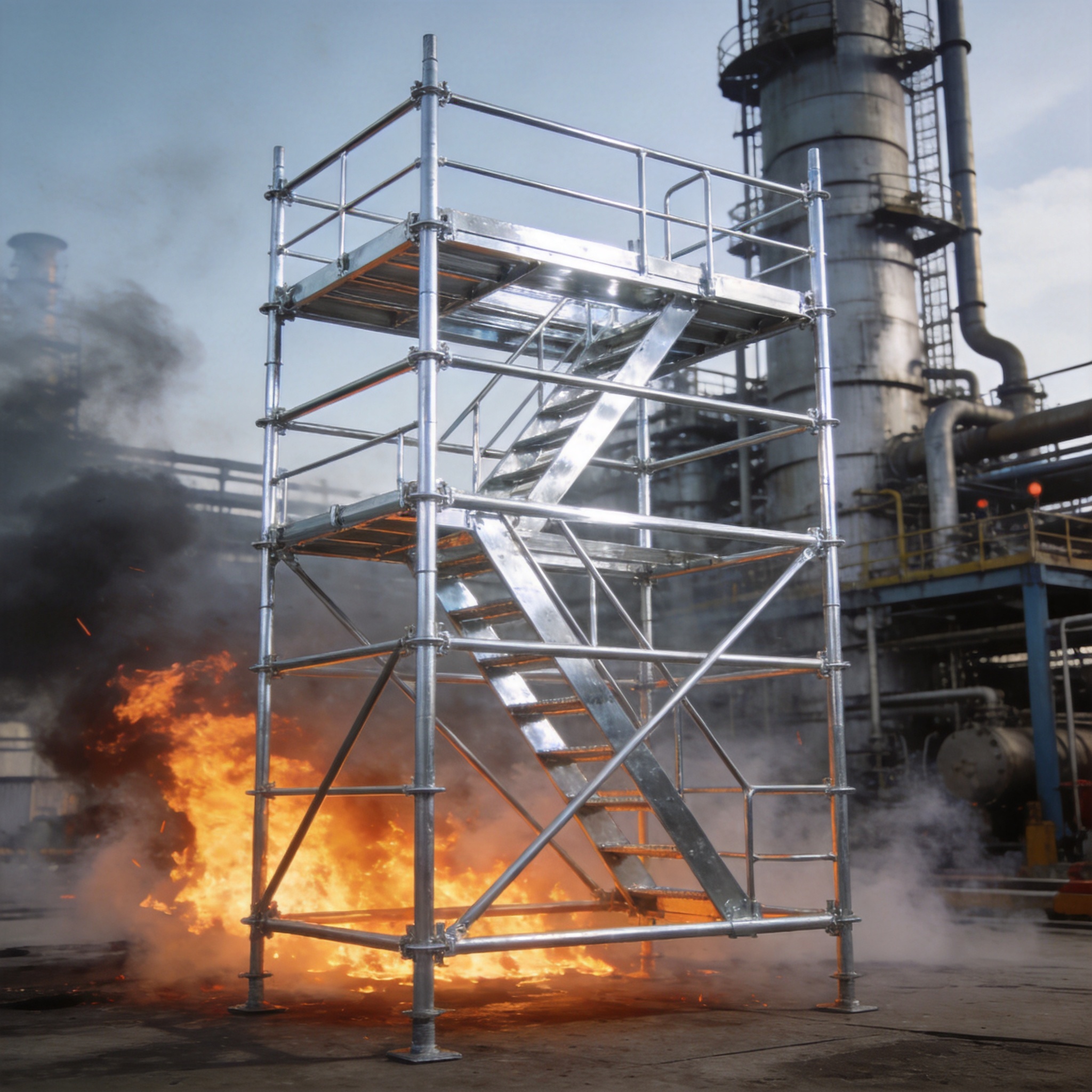


Imagine a world where skyscrapers touch the clouds, bridges span unthinkable distances, and architectural wonders are erected with precision and grandeur. Behind these feats of engineering lies an unsung hero: scaffolding construction. This essential aspect of building is not just a temporary frame; it’s the backbone of modern-day construction, ensuring that projects are completed safely and efficiently. Without it, the breathtaking cityscapes we admire today would remain mere dreams.
But what makes scaffolding construction so indispensable in the construction industry? Its significance goes beyond providing support. It creates a safe environment where workers can operate at dizzying heights, reducing the risk of accidents. Moreover, it plays a crucial role in maintaining momentum in large-scale projects by enabling simultaneous work across different sections. As we delve deeper into this topic, we’ll uncover how innovation in scaffolding design continues to revolutionize the way we build our cities, making them not only structurally sound but also marvels of innovation and safety.

Evolution of Scaffolding Construction Techniques
Scaffolding construction has come a long way since its earliest incarnations in ancient civilizations. Early builders in Egypt and China relied on bamboo poles lashed with rope, creating simple yet effective platforms for erecting monumental structures. These rudimentary systems were labor-intensive, but they showcased the fundamental principle of scaffolding: providing elevated access for workers and materials. Over centuries, advancements in metallurgy and industrial processes gave rise to wooden plank scaffolds reinforced with iron rods, greatly improving load capacity and resistance to wear.
By the Industrial Revolution, steel tubing and standardized couplers transformed scaffolding construction into a more modular, reliable system. Tube-and-clamp scaffolds allowed for flexible configurations, enabling builders to adapt structures to complex building geometries. The 20th century saw the introduction of prefabricated frame scaffolding, which further accelerated assembly and disassembly. This period also witnessed the integration of safety features—guardrails, toe boards, and access ladders—becoming mandatory as workplace regulations evolved.
The latest chapter in scaffolding evolution leverages digital design and engineering software to optimize scaffold layouts before any physical assembly begins. Building Information Modeling (BIM) and 3D scanning technologies allow project teams to plan precise scaffold geometries, minimize material waste, and ensure seamless integration with other construction activities. Innovations like lightweight aluminum systems, adjustable base jacks, and advanced couplers now offer greater flexibility, increased load ratings, and faster installation times. As the construction landscape grows more complex, these modern scaffold techniques continue to push the boundaries of safety, efficiency, and adaptability on job sites worldwide.
Key Components of Modern Scaffolding Systems
Modern scaffolding construction relies on a handful of core components designed to work together seamlessly. Steel or aluminum tubes form the skeletal framework, offering high strength-to-weight ratios. These vertical and horizontal members are connected via couplers—versatile clamps that can be adjusted on the fly to fit project-specific dimensions. Together, these basic building blocks create the structural integrity needed to support crews, materials, and equipment at various heights.
Complementing the framework are platform decks, often made from steel-framed planks with anti-slip surfaces. Base plates and adjustable jacks stabilize the scaffold on uneven ground, distributing loads evenly to prevent settling or tipping. Guardrails, midrails, and toe boards safeguard workers from falls, while safety netting and debris screens protect surrounding areas from falling tools or materials. Specialized accessories—such as stairway units, hoists, and scaffold towers—further enhance functionality, providing efficient access and material handling solutions. Altogether, these components form a versatile system that can be tailored to virtually any project requirement.
Role of Scaffolding in Enhancing Construction Efficiency
Efficient scaffolding construction is a catalyst for streamlined workflow and accelerated project timelines. By enabling multiple teams to work concurrently on different elevations, scaffolding minimizes idle time and bottlenecks. Crews installing façade elements, electricians wiring systems, and painters applying finishes can all operate safely and simultaneously, boosting overall productivity. This parallelism is especially critical on high-rise projects, where vertical work zones must remain coordinated to prevent delays.
Prefabricated scaffold modules and quick-connect couplers further reduce assembly times, allowing contractors to erect extensive platforms in hours rather than days. Integrated systems with built-in stair towers and access ladders eliminate the need for separate ladders or lifts, cutting down on equipment rental costs and setup complexity. Moreover, mobile scaffold towers on lockable casters can be repositioned rapidly around a site, keeping pace with changing work fronts. The result is a fluid construction environment where scaffold structures adapt in real time to evolving project demands, ensuring that scaffolding construction remains a linchpin of construction efficiency.
Sustainable Practices in Scaffolding Industry
The scaffolding industry is increasingly embracing sustainable practices to reduce its environmental footprint. Reusable steel and aluminum components are at the forefront of this effort: their durability and modularity allow them to serve dozens of projects before reaching end of life. Rental models have become popular, enabling contractors to access state-of-the-art scaffold systems without discarding materials after each project. This circular approach minimizes raw material consumption and waste generation.
Advances in material technology also contribute to sustainability. Lighter-weight alloys reduce transportation emissions and ease manual handling, cutting down on fuel usage for delivery trucks and lifting equipment. Powder-coated finishes and corrosion-resistant treatments extend component lifespans, preventing premature disposal. On the planning side, digital scaffold modeling—leveraging BIM—optimizes material orders and designs, trimming excess inventory and on-site waste. As the construction industry strives for greener credentials, these sustainable scaffolding practices play a vital role in building a more responsible future.
Conclusion: The Future of Scaffolding Construction
Scaffolding construction stands at the intersection of safety, innovation, and sustainability. As digital tools further integrate with modular scaffold systems, we can expect even faster, more precise assembly processes that reduce costs and environmental impact. Automation and robotics may soon handle repetitive tasks like component placement and inspection, freeing human workers to focus on complex site challenges.
Ultimately, the future of scaffolding lies in continuous refinement—leveraging new materials, smarter designs, and circular economy principles to support the next generation of architectural marvels. By honoring its foundational role, the scaffolding industry will remain an essential partner in building our cities safely, efficiently, and responsibly.
