


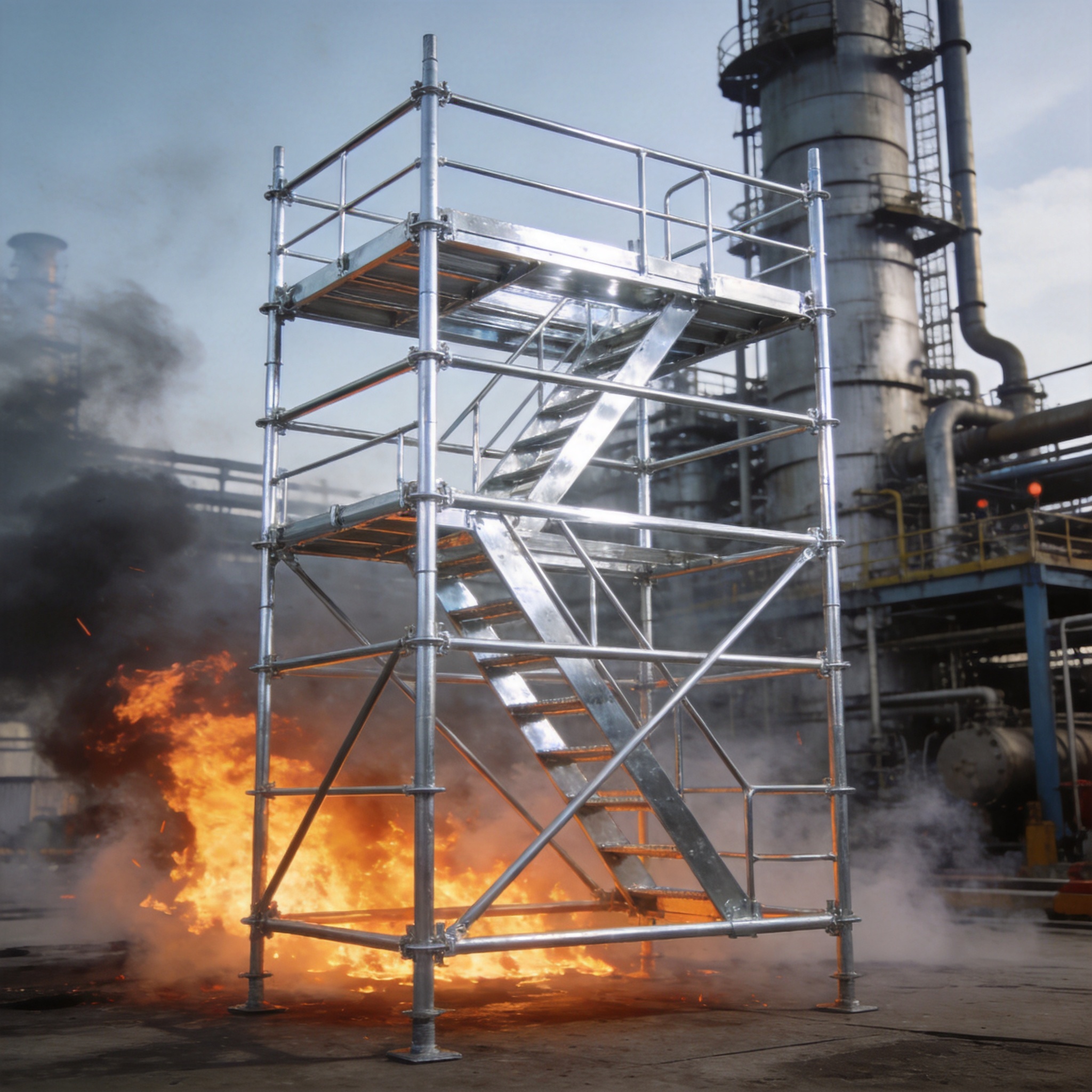

Tackling high-rise construction projects can feel like assembling a giant puzzle in the sky, where precision and safety are paramount. The backbone of such ambitious undertakings often lies in the scaffolding, a crucial component that must offer both stability and versatility. Enter adjustable scaffolding—a game-changer that is redefining how we approach towering structures. With its flexibility to adapt to varying heights and complex architectural designs, adjustable scaffolding is not just a tool but a trusted ally in construction. As you dive into this guide, be prepared to uncover the strategies that transform this versatile apparatus into a cornerstone of successful high-rise projects.
Imagine scaling the heights of a city’s skyline, where each floor presents new challenges and opportunities. Here, the scaffolding is more than just a platform; it’s a dynamic system engineered to support every phase of construction with unwavering strength and adaptability. This guide aims to equip you with the insights needed to master high-rise projects, empowering you to navigate the complexities with confidence. Whether you’re a seasoned contractor or embarking on your first skyscraper endeavor, understanding the nuances of adjustable scaffolding will elevate your project management skills to new heights.

Understanding the Basics of Adjustable Scaffolding
At its core, adjustable scaffolding is a modular system designed to provide a safe and stable working platform at variable heights. Unlike fixed-length scaffolds, adjustable scaffolding components feature telescoping tubes, screw jacks, or hydraulic mechanisms that allow workers to fine-tune the height of platforms with precision. This capability is crucial in high-rise construction, where floor levels and exterior profiles often vary slightly from one level to the next. By offering incremental adjustment, this type of scaffolding ensures that platforms remain level, reducing trip hazards and improving overall site safety.
In addition to height customization, adjustable scaffolding systems are built with locking mechanisms and safety pins that secure each segment firmly in place. These components are engineered to withstand heavy loads, high winds, and the daily wear and tear typical of construction sites. Different types of materials—such as galvanized steel or aluminum alloys—are used based on desired strength-to-weight ratios and environmental considerations. When properly assembled, adjustable scaffolding provides a robust framework that supports workers, tools, and materials, enabling crews to perform tasks like concrete pouring, masonry work, and exterior finishing with confidence and efficiency.
Versatility and Adaptability of Adjustable Scaffolding
One of the standout benefits of adjustable scaffolding is its ability to conform to complex building geometries. From curved façades to stepped building profiles, adjustable systems can be reconfigured to match the architectural design without requiring custom fabrication. This adaptability translates directly into time savings—contractors can quickly modify scaffold layouts on site as project demands evolve, without waiting for bespoke solutions.
Moreover, adjustable scaffolding proves invaluable in retrofit or renovation projects, where existing structures may have irregular dimensions or obstacles. By fine-tuning platform heights and spans, crews can work around protruding elements or integrate the scaffold around existing installations. This flexibility reduces the need for costly site modifications and minimizes downtime, ensuring that even the most unconventional high-rise projects maintain momentum and adhere to tight schedules.
Key Features to Look for in Adjustable Scaffolding Systems
When selecting an adjustable scaffolding solution, durability and load capacity should top your checklist. High-rise projects demand materials that can resist corrosion, bear significant weight, and endure repeated assembly cycles. Look for systems made from high-grade steel or tempered aluminum with protective finishes. Additionally, check the maximum load ratings, including live load, dead load, and environmental load capacities, to ensure compliance with local safety codes.
Ease of assembly is another critical consideration. Opt for scaffolding with intuitive locking pins, quick-connect couplers, and color-coded components that streamline installation and dismantling. Ergonomic designs—such as lightweight frames, adjustable deck platforms, and integrated stair units—can reduce labor fatigue and boost productivity. Accessories like guardrails, toe-boards, and debris nets should be compatible with the primary system, providing comprehensive safety solutions without requiring aftermarket adaptations.
Maximizing Efficiency with Adjustable Scaffolding
Efficient deployment of adjustable scaffolding hinges on strategic planning and coordination. Before delivery, map out elevation changes, anchor points, and material staging areas. Pre-assemble sections on flat ground whenever possible, so that once on site, crews can hoist complete units rather than individual components. This approach slashes assembly time and reduces the risk of misplacing parts.
During construction, maintain a clear communication channel between site managers, scaffolders, and crane operators. Real-time updates on scaffold adjustments ensure that platform heights align precisely with ongoing trades—whether it’s façade installation, electrical work, or glazing. Regular inspections are equally vital: schedule daily walk-around surveys to verify locking mechanisms, foundation leveling, and alignment. With proactive maintenance and systematic checks, adjustable scaffolding becomes not only a flexible support system but also a catalyst for streamlined workflows and on-time project delivery.
Conclusion: Harnessing the Power of Adjustable Scaffolding in High-Rise Construction
Adjustable scaffolding stands at the forefront of modern high-rise construction, offering unmatched flexibility, safety, and efficiency. By understanding its foundational mechanics, leveraging its adaptability, and selecting systems with the right features, contractors can elevate their projects—both literally and figuratively.
Embrace adjustable scaffolding as a strategic asset. With meticulous planning, routine inspections, and seamless integration into your construction processes, this versatile solution will help you conquer the challenges of towering projects and deliver exceptional results every time.
