



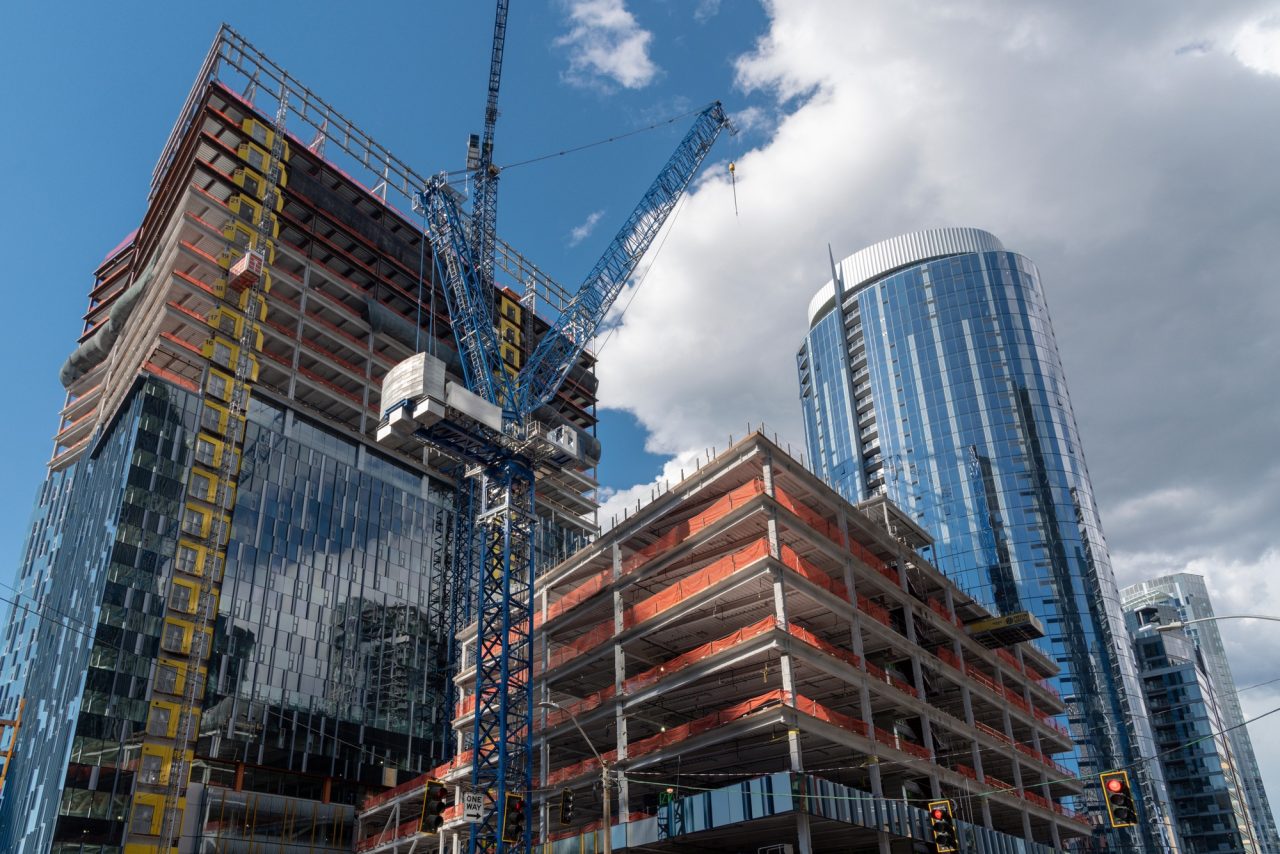
Imagine soaring skyscrapers that touch the clouds and bridges stretching across vast expanses. These engineering marvels didn’t emerge overnight; they were meticulously crafted with precision, care, and an essential tool—building construction scaffolding. This seemingly simple structure plays a pivotal role in the architecture and construction world, ensuring both safety and efficiency when constructing towering buildings and expansive infrastructures.
Scaffolding has evolved dramatically over the years, driven by a relentless pursuit of innovation and practicality. No longer just a makeshift platform, today’s scaffolding solutions encompass sophisticated designs and advanced materials, prioritizing not only the protection of workers at dizzying heights but also the streamlining of construction processes. As we delve deeper into how scaffolding is revolutionizing the industry, we’ll uncover the intricate balance it maintains between facilitating the ambitious visions of architects and the crucial provision of a safe working environment.
The Evolution of Building Construction Scaffolding
From its earliest origins in ancient civilizations to the cutting-edge systems of today, building construction scaffolding has come a long way. In early Mesopotamia and Egypt, simple wooden poles and rope lashings provided the first rudimentary platforms for masons and builders. These primitive structures, often unstable and labor-intensive, limited the height and complexity of projects. As the centuries passed, craftsmen in medieval Europe introduced iron and steel components, allowing for stronger and somewhat more reliable frameworks. Yet, these early metal scaffolds remained cumbersome and time-consuming to assemble.
The Industrial Revolution marked a turning point in scaffolding evolution. Mass-produced steel tubing, standardized fittings, and improved fastening methods emerged, enabling builders to erect and dismantle scaffold towers with unprecedented speed and consistency. By the mid-20th century, modular frame scaffolding and system scaffolding solutions became widely adopted, offering interchangeable parts that simplified logistics and reduced downtime on site. Today’s high-strength aluminum alloys and engineered composites push the envelope further, creating lightweight yet robust structures that conform to strict safety regulations while enhancing productivity. This journey from hand-hewn timber to precision-engineered modules underscores how building construction scaffolding has continuously adapted to meet the ever-growing demands of modern architecture and infrastructure development.
Types of Building Construction Scaffolding
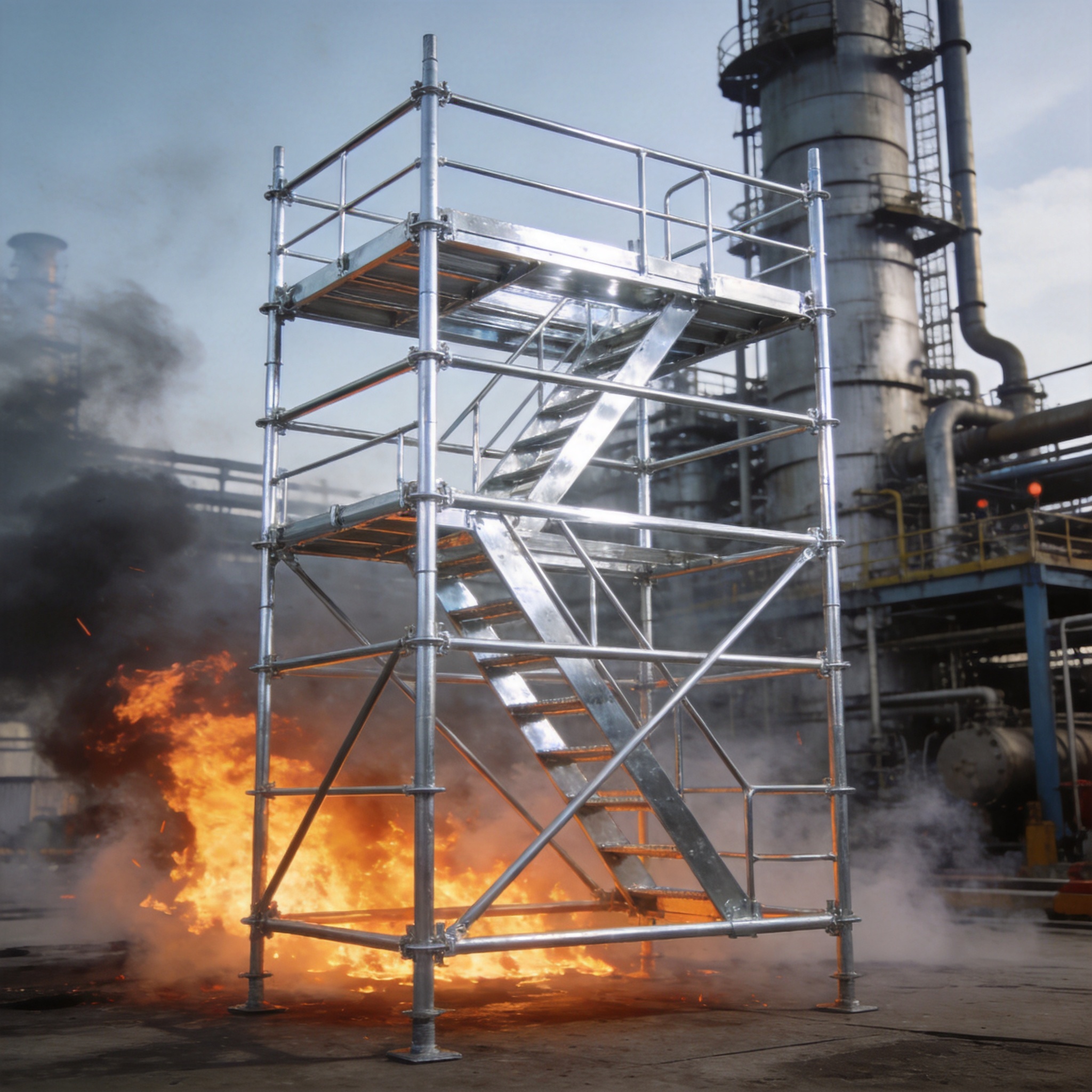
Choosing the right type of building construction scaffolding is crucial for optimizing safety, cost, and work efficiency. Among the most common are frame scaffolds, characterized by welded steel frames that lock together quickly, making them ideal for routine tasks like façade repair or painting. Tube and clamp scaffolding, prized for its versatility, consists of steel tubes and clamped joints that can be configured into virtually any shape, accommodating complex structures such as bridges and industrial plants.
System scaffolds—featuring standardized connectors and ledgers—offer a modular approach that significantly reduces assembly time. For projects requiring elevation and mobility, rolling scaffolds on caster wheels enable crews to shift work platforms along building perimeters without dismantling sections. Suspended scaffolding, often seen in high-rise window washing, hangs from roof-mounted supports to grant access to vertical surfaces. Less common but highly specialized are cantilever scaffolds, which project horizontally from a building’s interior to bypass obstructions at ground level. Each scaffolding type delivers unique benefits tailored to specific construction challenges, reinforcing why understanding these options is essential for any project manager or site engineer.
Innovations in Scaffolding Design
Modern building construction scaffolding is no longer just a steel skeleton; it’s an integrated ecosystem of safety features, ergonomic improvements, and digital enhancements. Recent innovations have focused on creating modular solutions that click together with minimal tools, drastically cutting installation and dismantling times. Advanced materials such as high-strength aluminum alloys and fiber-reinforced composites reduce system weight while maintaining load-bearing capacity, making it easier for crews to handle components and improving overall site safety.
Beyond materials, the advent of digital integration has propelled scaffolding into the 21st century. Bluetooth-enabled sensors can now be embedded into scaffolding planks and guardrails to monitor structural integrity in real time, alerting supervisors to potential overloading or displacement. 3D modeling and Building Information Modeling (BIM) software allow contractors to map out scaffold layouts virtually before arriving on-site, ensuring precise fit and compliance with regulatory guidelines. As drones and robotics advance, some firms are even experimenting with automated scaffold erection systems that assemble basic frames under human supervision. These design innovations collectively enhance the performance, safety, and sustainability of building construction scaffolding, setting new benchmarks for efficiency in the industry.
Advantages of Using Scaffolding in Construction Projects
Scaffolding delivers numerous benefits that extend well beyond simply providing a raised work platform. First and foremost, it ensures worker safety by offering stable footing, guardrails, and weather-resistant platforms that minimize fall risks. Properly installed scaffolding makes it easier for crews to maneuver tools and materials at height, reducing the chance of dropped objects and accelerating task completion. This enhanced accessibility allows tradespeople—from bricklayers to electricians—to perform precision work efficiently, boosting overall productivity on site.
From a project management perspective, scaffolding provides a flexible and scalable solution that adapts to changing site conditions. Modular scaffolding systems can be extended or reconfigured in phases, aligning with different stages of construction without requiring full disassembly. This flexibility translates into cost savings by minimizing labor hours and equipment rentals. Moreover, standardized scaffolding components are reusable across multiple projects, further improving return on investment. Whether renovating historic façades, erecting steel frameworks, or completing maintenance on high-rise towers, building construction scaffolding remains an indispensable asset that underpins both safety and operational efficiency.
Sustainability and Environmental Impact of Scaffolding Practices
As the construction industry places greater emphasis on sustainability, building construction scaffolding has adapted to reduce its environmental footprint. Reusable modular systems are at the forefront of this green shift, offering durable components designed for multiple cycles of assembly and disassembly without significant wear. Many manufacturers now use recycled steel and aluminum in scaffold tubing, cutting down on resource extraction and lowering the carbon emissions associated with production. These eco-friendly materials maintain compliance with load-bearing and safety standards while demonstrating responsible stewardship of natural resources.
Site waste reduction is another critical aspect of sustainable scaffolding practices. Modular scaffolding generates minimal offcuts and scrap compared to custom-built wooden platforms, reducing disposal costs and landfill burden. Additionally, some companies provide refurbishment services that recoat and repair worn scaffold parts, extending their lifecycle and diverting metal waste from recycling streams. On-site logistics also benefit from compact, lightweight designs that demand fewer trucks for transport—translating into lower fuel consumption and greenhouse gas emissions. By integrating sustainable materials, refurbishment programs, and efficient transportation strategies, contemporary scaffolding offers a model for environmentally conscious construction management.
Conclusion: The Future of Building Construction Scaffolding
Building construction scaffolding continues to evolve, driven by breakthroughs in material science, digital technology, and sustainability. We can expect even lighter, stronger systems that integrate real-time monitoring and predictive maintenance, further enhancing site safety and project efficiency.
With the industry’s shift toward greener practices, future scaffolding solutions will likely prioritize circular-economy principles—maximizing reuse, minimizing waste, and reducing carbon footprints. As architects and engineers push the boundaries of structural design, scaffolding will remain a cornerstone, providing the reliable support needed to realize ambitious construction visions.
