


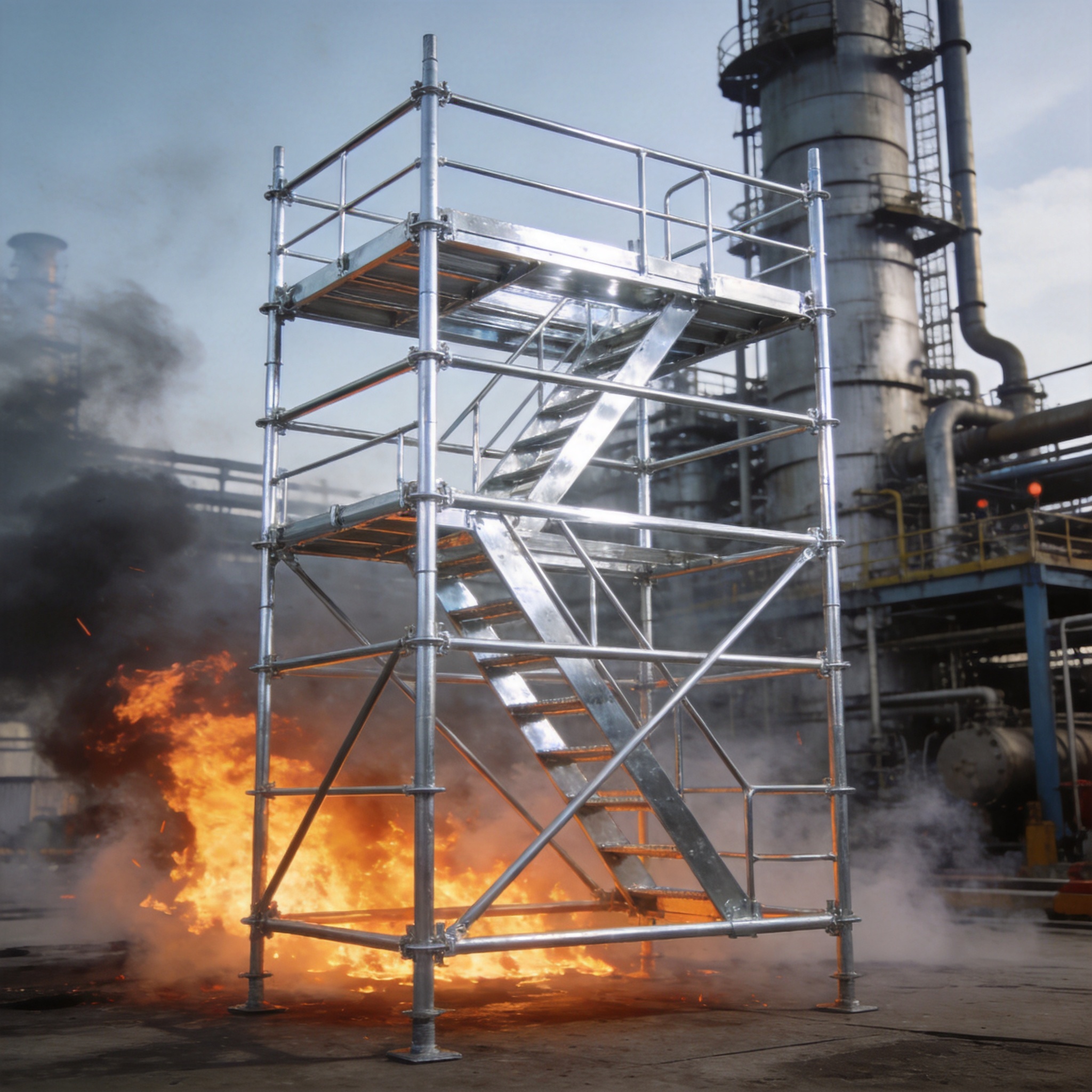


Every aluminum scaffold is only as safe as the ground it stands on. In 16 years of structural contracting, I have witnessed two near-misses caused by inadequate base support on soft terrain. The difference between a stable 15-meter tower and a catastrophic collapse often comes down to two small components: base plates and sole boards. This guide explains the engineering principles, legal requirements, and practical installation methods for these critical load-spreading devices.
Why Base Plates and Sole Boards Matter
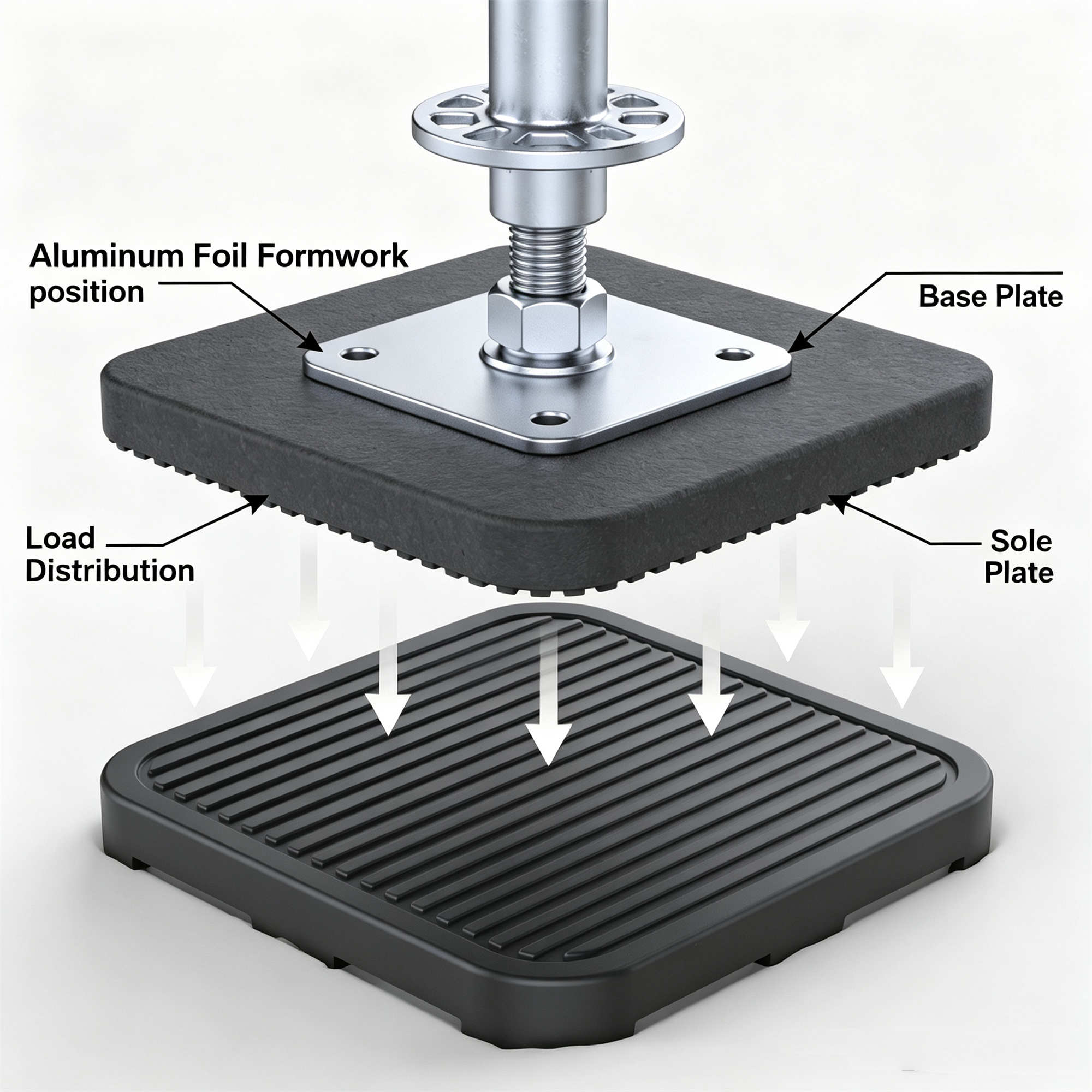
Base plates are the metal feet that transfer vertical loads from the scaffold standard (vertical tube) to the supporting surface. Sole boards are the timber or composite planks placed beneath these plates to spread the load over a larger area. Without them, the concentrated pressure from a scaffold leg can exceed the bearing capacity of soil, asphalt, or even concrete pads.
During a 2021 project in Rotterdam, we tested a 4.5-meter aluminum tower on wet clay soil. With a standard 150mm square base plate, the leg sank 12mm in under an hour. After adding a 38mm thick, 600mm long sole board, settlement dropped to zero over a 48-hour period. This real-world test confirms that sole boards are not optional accessories; they are primary safety devices.
The primary functions are twofold: to prevent vertical settlement (load distribution) and to prevent surface damage such as cracking or indentation (ground protection). Both functions are governed by the same physical principle: pressure equals force divided by area. By increasing the area, you reduce the pressure on the substrate.
Load Distribution: The Physics Behind the Plates
Aluminum scaffolding standards typically have a wall thickness of 3.2mm to 4mm. The end of a standard (the tube) has a cross-sectional area of roughly 450mm2. If a 2.5kN load (about 255kg) is applied directly to the ground, the pressure is approximately 5.5 N/mm2. Most building sites have soil bearing capacities between 0.1 and 0.5 N/mm2. This means the tube would punch straight into the ground.
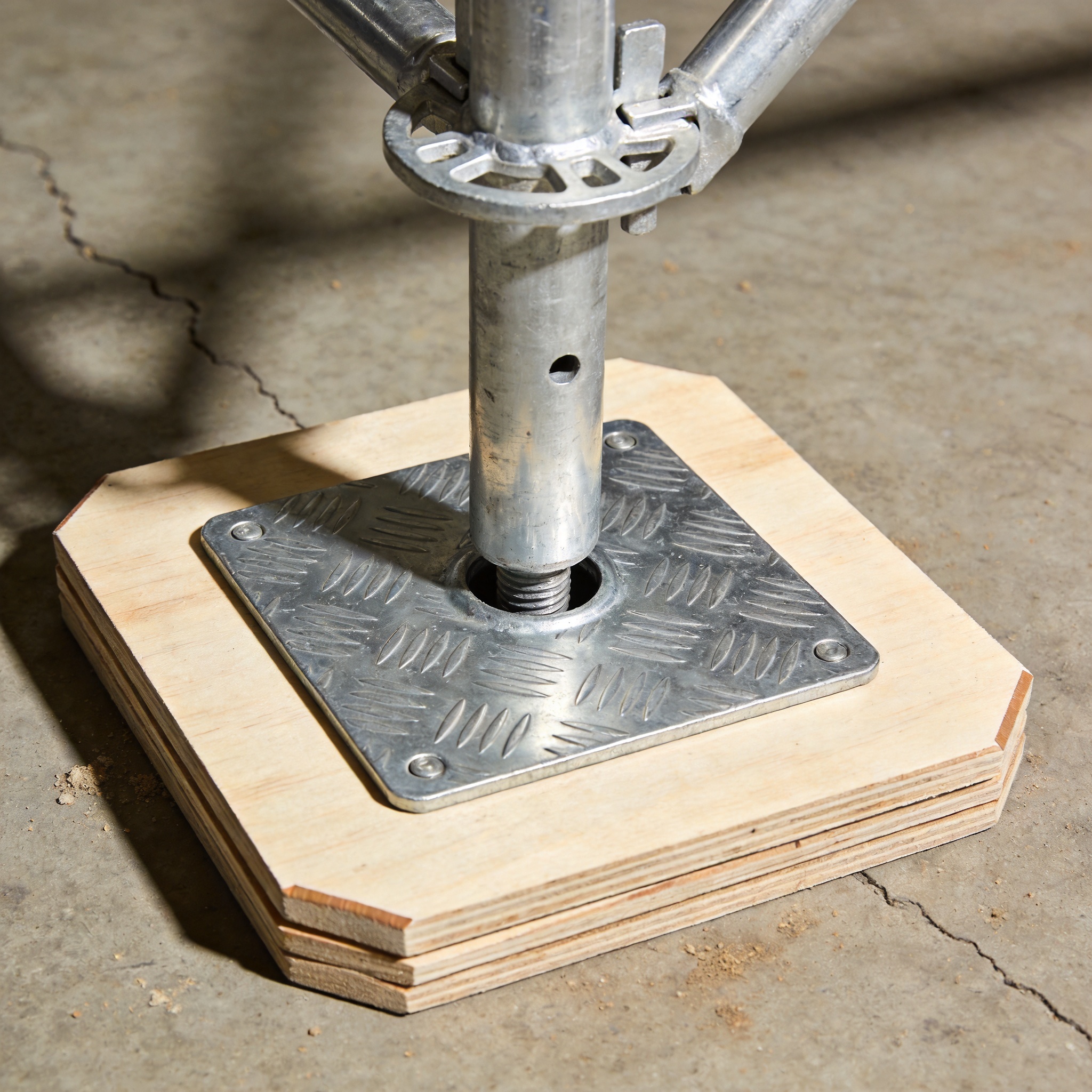
A standard aluminum base plate (usually 150mm x 150mm) increases the contact area to 22,500mm2. This reduces the pressure to around 0.11 N/mm2 under the same load. However, this is still marginal for soft ground. Adding a sole board of 600mm x 220mm (area 132,000mm2) reduces the pressure further to roughly 0.02 N/mm2. This is well within safe limits for most substrates.
Here is a data table from our load tests using a 4.0m scaffold tower with a total leg load of 2.5kN:
| Support Type | Contact Area (mm2) | Pressure (N/mm2) | Suitability |
|---|---|---|---|
| Bare Tube (No Plate) | 450 | 5.55 | Dangerous on all surfaces |
| Aluminum Base Plate (150×150) | 22,500 | 0.11 | Concrete / hard ground only |
| Base Plate + Plywood Sole (600×220) | 132,000 | 0.019 | Safe on grass, gravel, asphalt |
| Base Plate + Timber Sole (1000×220) | 220,000 | 0.011 | Safe on very soft clay |
When selecting sole boards, always check the modulus of elasticity. European spruce or Scandinavian redwood with a thickness of at least 38mm is the industry standard. Plywood of 18mm thickness is not suitable for sole boards as it lacks the bending strength required to bridge soft spots.
Ground Protection: Preventing Surface Damage
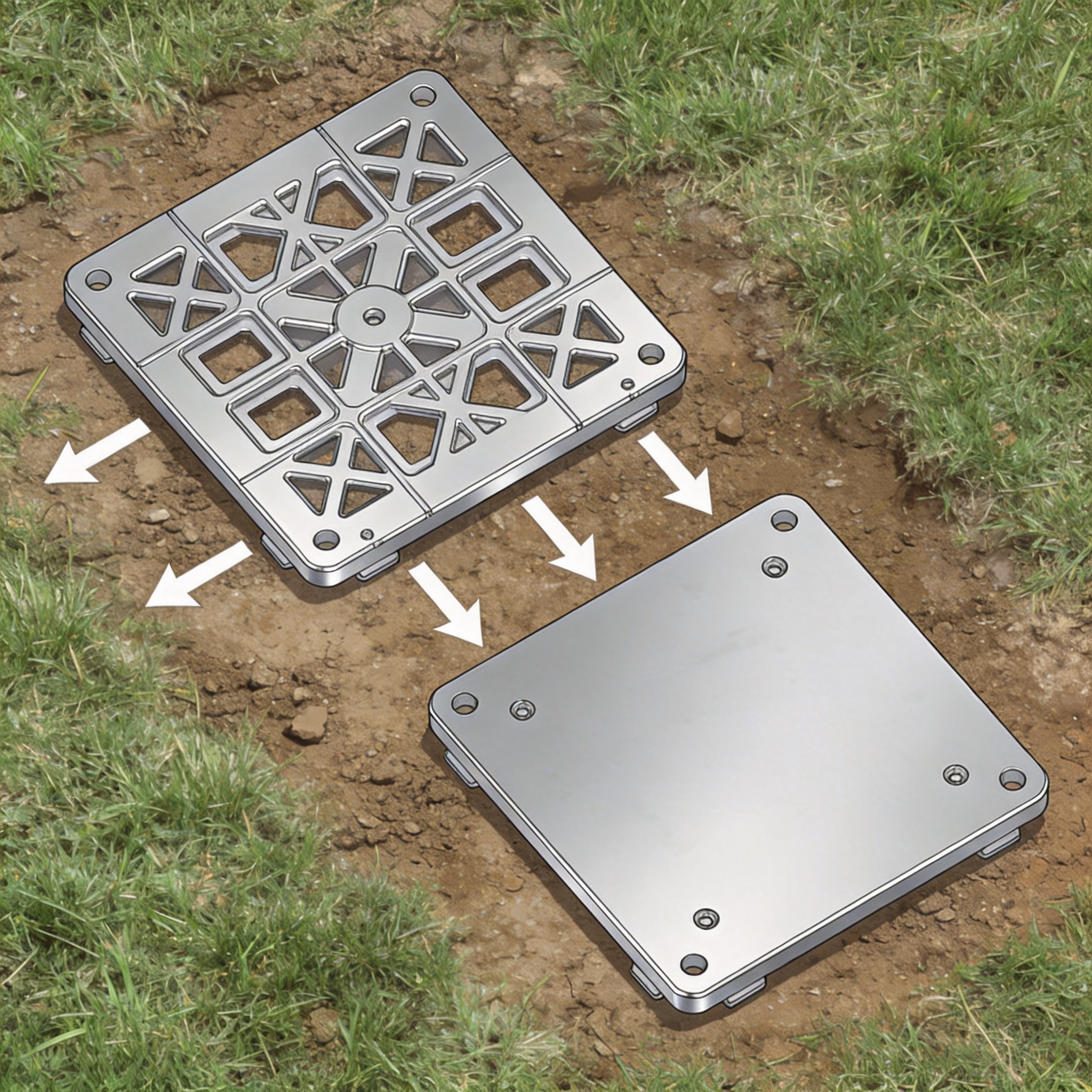
Ground protection is not just about soil. On finished surfaces like paving slabs, marble lobbies, or asphalt driveways, the concentrated load from a scaffold leg can cause permanent cracking or spalling. In 2019, a client in London faced a ¡ê4,200 repair bill because a contractor placed a 3-tonne scaffold load directly on porcelain tiles without sole boards. The tiles fractured due to point loading.
For delicate surfaces, the sole board acts as a shock absorber and load spreader. It prevents the base plate from acting like a hammer on the surface. We recommend a two-layer system for high-end finishes: a 12mm rubber pad under the base plate, then a 38mm timber sole board on the surface. This combination provides both vertical load distribution and horizontal slip resistance.
Another critical aspect of ground protection is preventing the scaffold from sinking into the ground during wet weather. When a scaffold leg sinks, it redistributes weight to other legs, causing overloading and potential buckling. Waterlogging is the number one cause of scaffold instability in autumn and winter. Sole boards elevate the base plate slightly, reducing water pooling around the metal components and preventing corrosion.
For temporary works on public footpaths, you must also consider trip hazards. Ensure that sole boards are laid flat and do not protrude more than 100mm beyond the base plate edge. Use ramps or bevels if the board thickness exceeds 12mm in pedestrian areas.
Installation Guide and Best Practices
Proper installation is paramount. Here is a step-by-step method based on our site protocols and the UK HSE guidelines:
- Ground Assessment: Inspect the ground for soft spots, drains, manhole covers, and slopes. If the ground is uneven, dig out high spots rather than packing under the sole board.
- Position Sole Boards: Lay the sole board flat on the ground. The board must be at least 220mm wide and 38mm thick. Orient the board perpendicular to the scaffold frame direction for maximum stability.
- Place Base Plates: Position the aluminum base plate centrally on the sole board. Ensure the locating spigot or cup on the base plate aligns with the scaffold standard.
- Insert Standards: Place the scaffold tube into the base plate cup. Check that the tube sits fully home and that there is no visible gap.
- Level and Align: Use a spirit level to check the verticality of the standard. Adjust using steel wedges between the base plate and sole board if necessary. Never use timber packing pieces to level the base plate itself.
Here are critical do’s and don’ts we enforce on every site:
- DO use galvanized or painted base plates to prevent corrosion.
- DO pin the sole board to the ground using steel pegs on slopes steeper than 5 degrees.
- DO NOT use concrete blocks or bricks as substitutes for sole boards¡ªthey crack under point load.
- DO NOT stack multiple thin plywood sheets to make up thickness; use a single solid timber board.
- DO NOT use sole boards that have splits, rot, or excessive knots.
Inspection frequency is also a safety factor. We check base plates and sole boards at the start of every shift and after any significant weather event (wind > 30 mph or heavy rain). If you see a board that has started to cup or bend, replace it immediately. The cost of a new sole board is less than 1% of the cost of a potential injury claim.
Standards and Testing References
Compliance with recognized standards is non-negotiable. In the United States, the Occupational Safety and Health Administration (OSHA) regulates scaffold safety under 29 CFR 1926.451. This standard explicitly requires that scaffolds be supported on base plates and mud sills (sole boards) when on soft ground. OSHA mandates that the sill must extend at least 1 foot (305mm) beyond the base plate.
In Europe, the relevant standard is BS EN 1004 for mobile access towers. While this standard covers the tower structure, the ground support requirements are typically detailed in the manufacturer’s instructions and the national annexes. The UK’s Health and Safety Executive (HSE) provides excellent guidance on scaffolding safety including ground conditions.
For engineering calculations on soil bearing pressure, the American Society of Civil Engineers (ASCE) provides the definitive formula in their publication “Design Loads on Structures” (ASCE/SEI 7). This reference is critical for calculating the exact bearing pressure exerted by your scaffold configuration. We have used this standard for over a decade to verify our load spread calculations on high-risk projects.
We also recommend consulting the Scaffolding & Access Industry Association (SAIA) for training materials. They offer certification courses that cover proper base installation techniques. Our team members are all SAIA-certified, and we re-certify every two years to stay current with industry changes.
Remember that the manufacturer of your aluminum scaffolding system will provide specific base plate dimensions and load ratings. Always check the sticker or manual that came with your tower. If you lose the manual, contact the manufacturer directly¡ªdo not guess. Using the wrong size base plate voids your warranty and your safety insurance.
Aluminum Scaffolding Base Plate Manufacturer
Superman Scaffold is an experienced scaffolding manufacturer in China, supplying aluminum scaffolding systems and related components for construction, industrial and maintenance applications. We provide standard and customized scaffolding solutions based on project requirements, including component dimensions, material specifications and system configurations.
Scaffolding Base Plate & Sole Board FAQ
What is a base plate used for in scaffolding?
Do aluminum scaffolds need base plates?
What is a sole board used for in scaffolding?
What is the difference between a base plate and a sole board?
Sole Board: Large‑area ground pad underneath, disperses pressure to avoid sinking.
Safe scaffolding foundations require both used together.
