

Table of Contents
The Current State of Scaffolding Demand
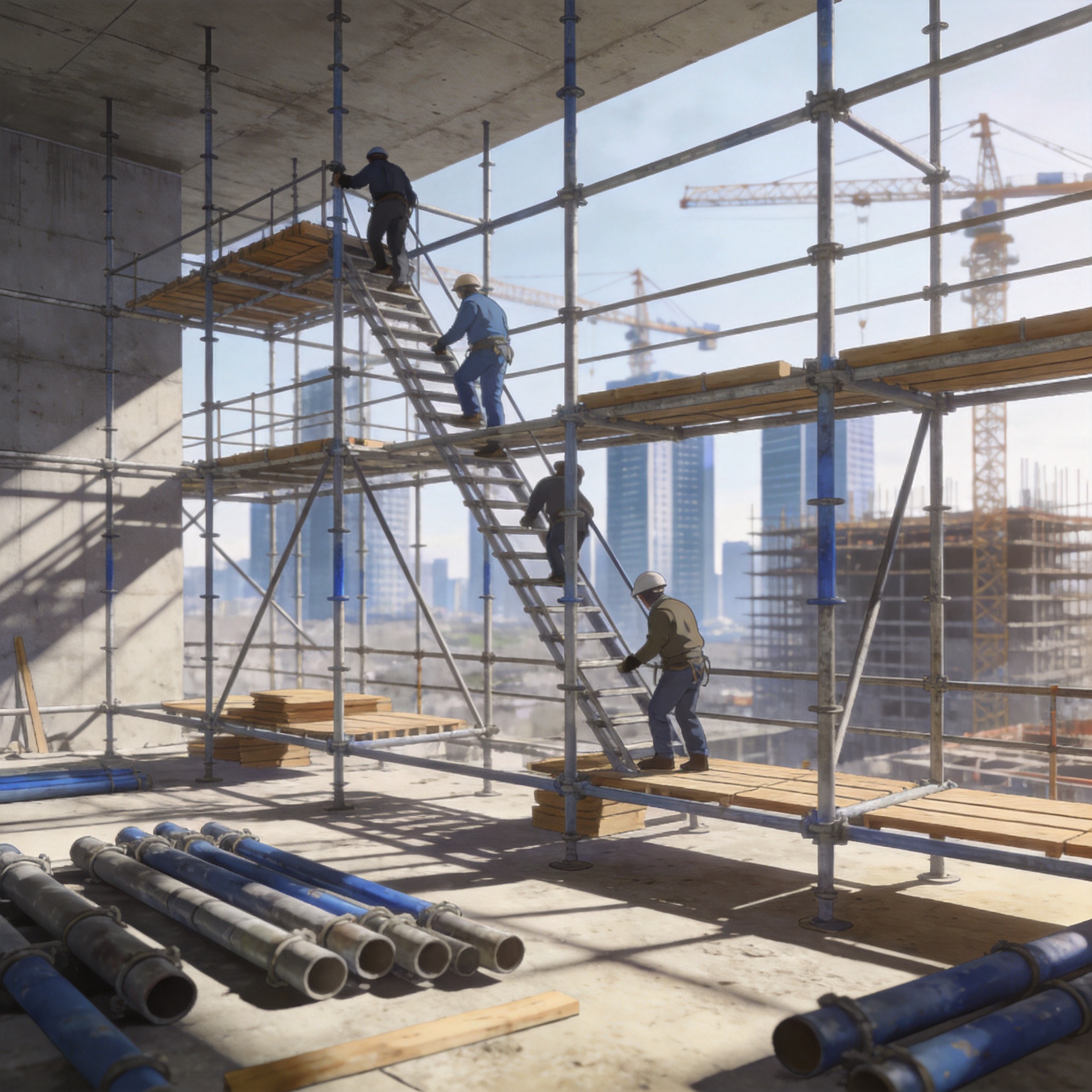
The global construction industry is projected to grow by 3.1% annually through 2027, according to the IBISWorld Global Construction Report. This expansion directly translates to a sustained need for temporary works, particularly scaffolding. In my 16 years managing projects across the Gulf region and Southeast Asia, I have observed that scaffolding demand is not just a reaction to new builds but a constant requirement for maintenance and retrofitting.
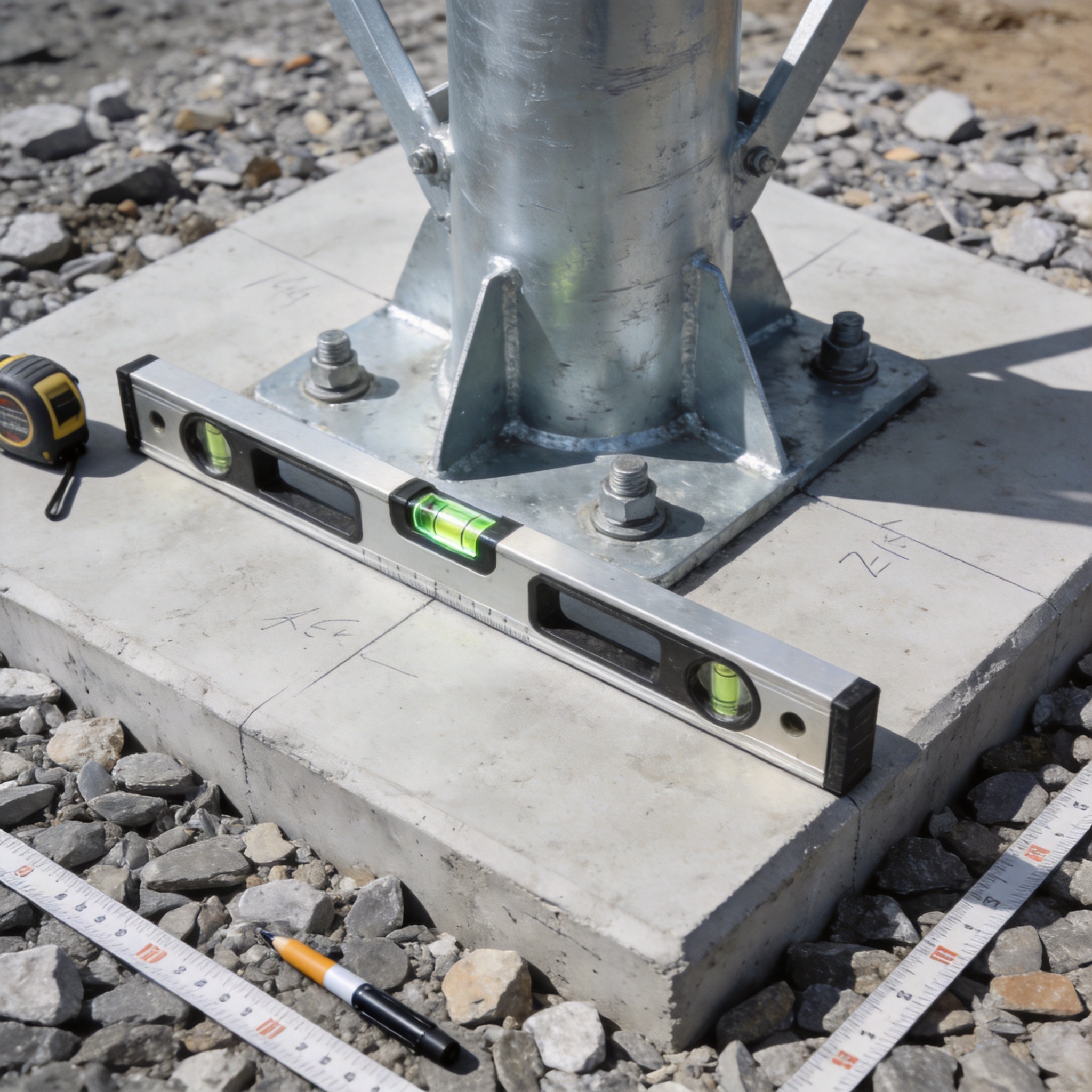
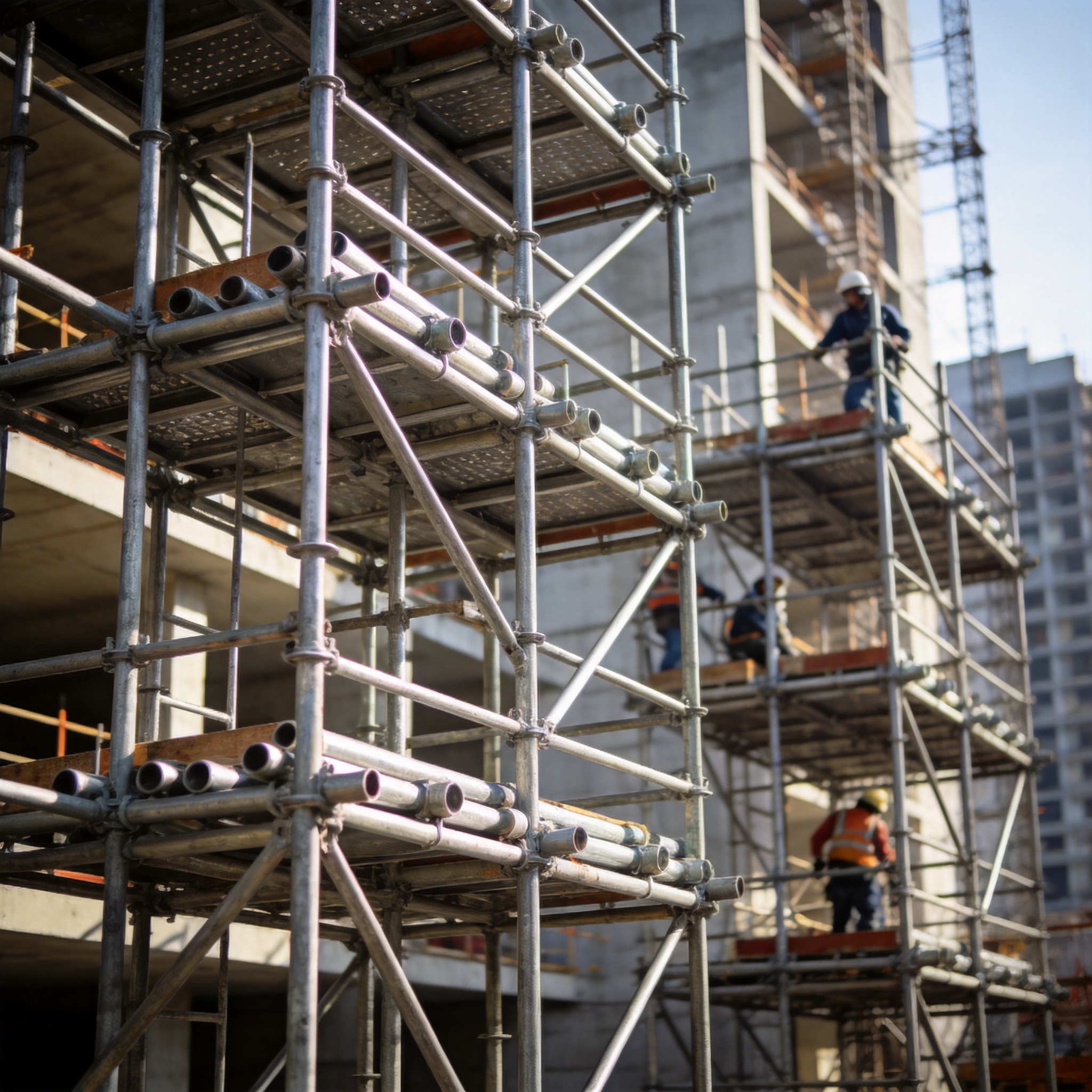
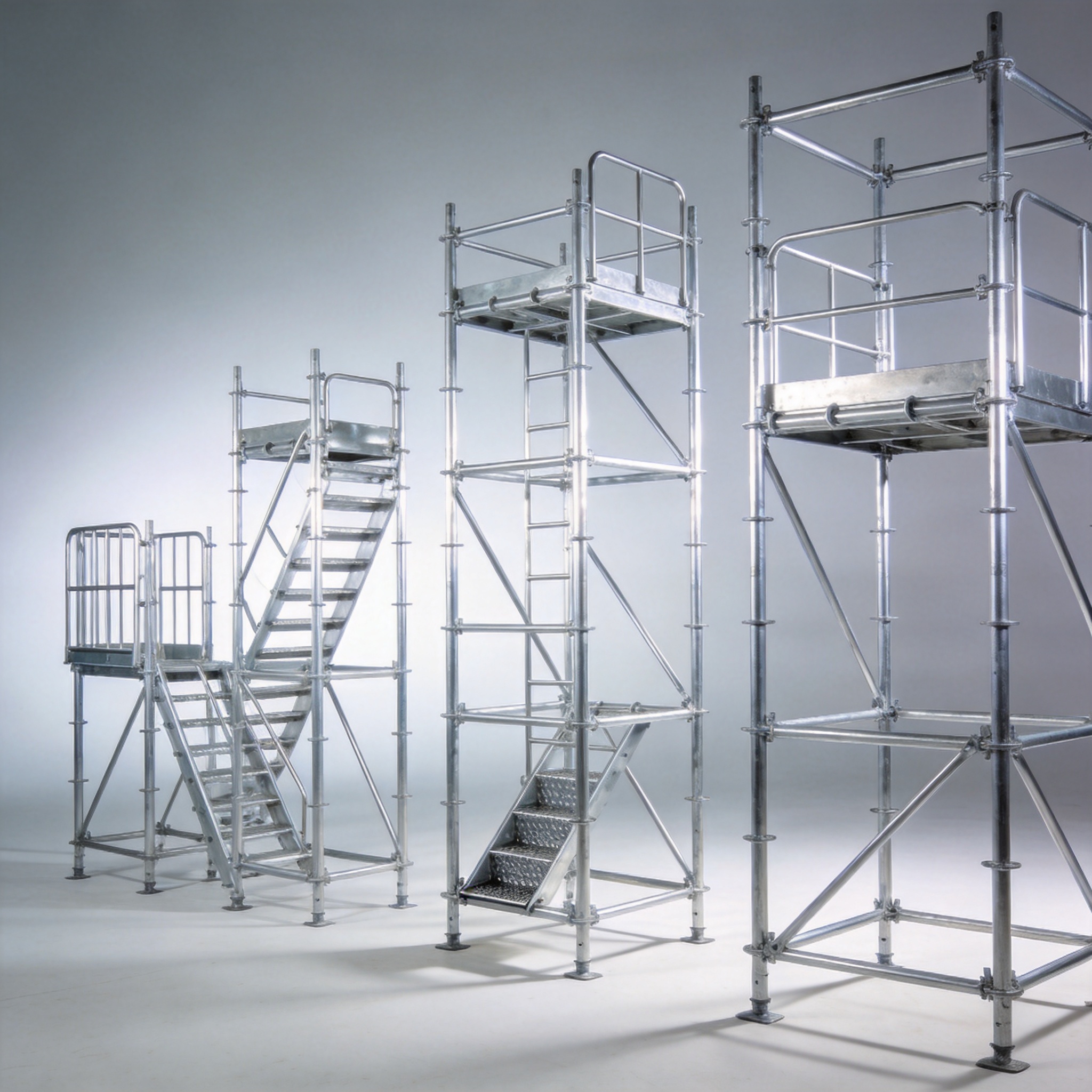
During a recent audit of a 45-story residential tower in Dubai, we utilized approximately 120,000 cubic meters of galvanized tube and coupler scaffolding. This single project consumed over 8 months of labor for erection and dismantling alone. This illustrates that the demand is “continuous” because scaffolding is required at multiple phases¡ªfrom initial shell construction to the final facade installation and internal fit-outs. For projects requiring robust support, a heavy-duty galvanized steel scaffold tower offers the necessary strength and stability for demanding tasks.
Key Drivers: Urbanization, Infrastructure, and Maintenance
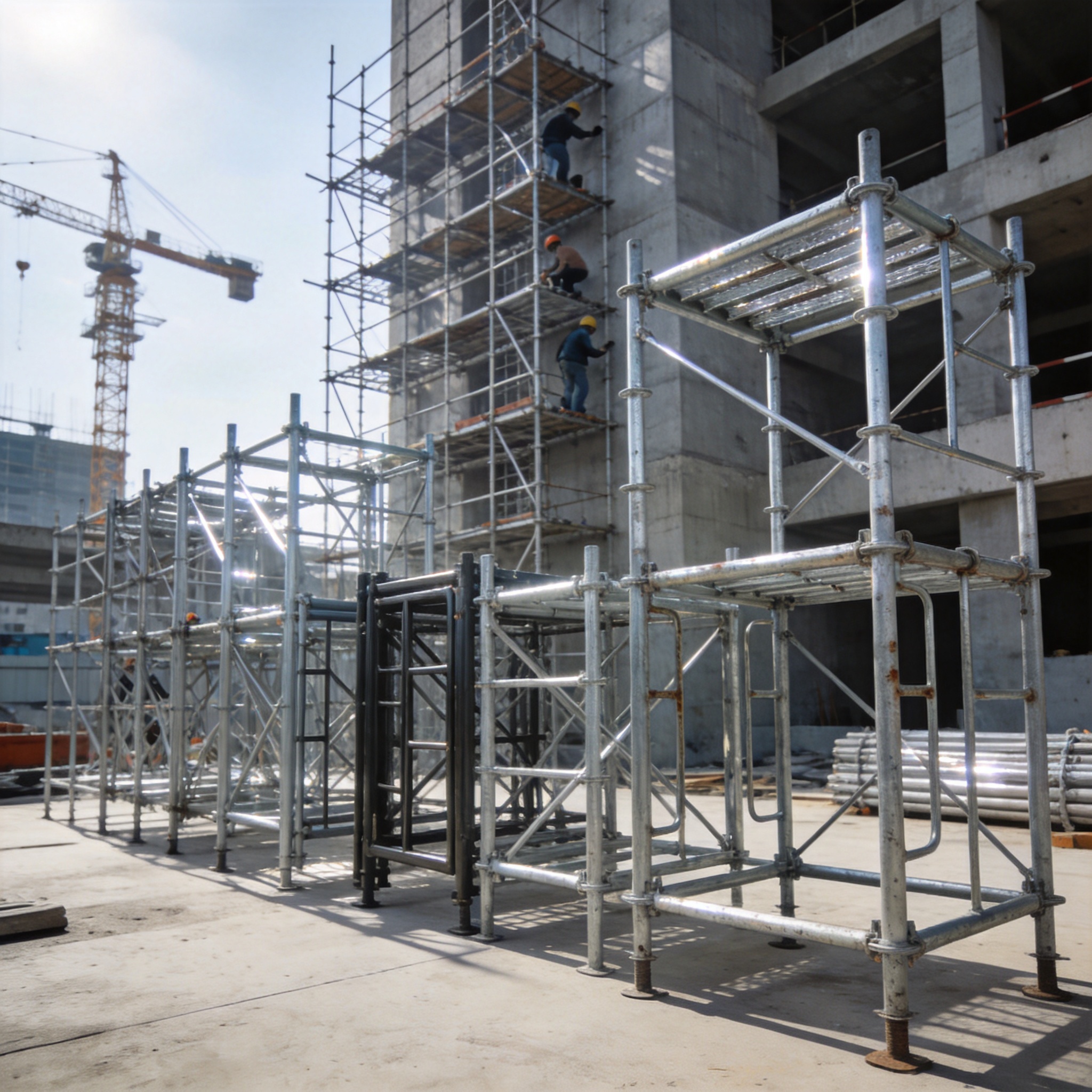
The primary driver for continuous scaffolding demand is the surge in infrastructure spending by governments. The World Bank notes that developing nations are investing heavily in transport networks. These large-scale civil projects require specialized scaffolding solutions, such as heavy-duty shoring and falsework systems, which differ significantly from standard building scaffolds.
Urbanization and High-Density Housing
As urban populations swell, the need for high-rise residential buildings increases. In my experience, high-rise projects typically require 20-30% more scaffolding per square meter than low-rise buildings due to wind load considerations and the need for double-layer protection. This trend is particularly evident in markets like India and Vietnam, where the construction sector is growing at double-digit rates. The versatility of a multi-use scaffolding system for construction makes it an ideal choice for adapting to the complex geometries of modern high-rise designs.
Retrofit and Renovation: The Hidden Demand
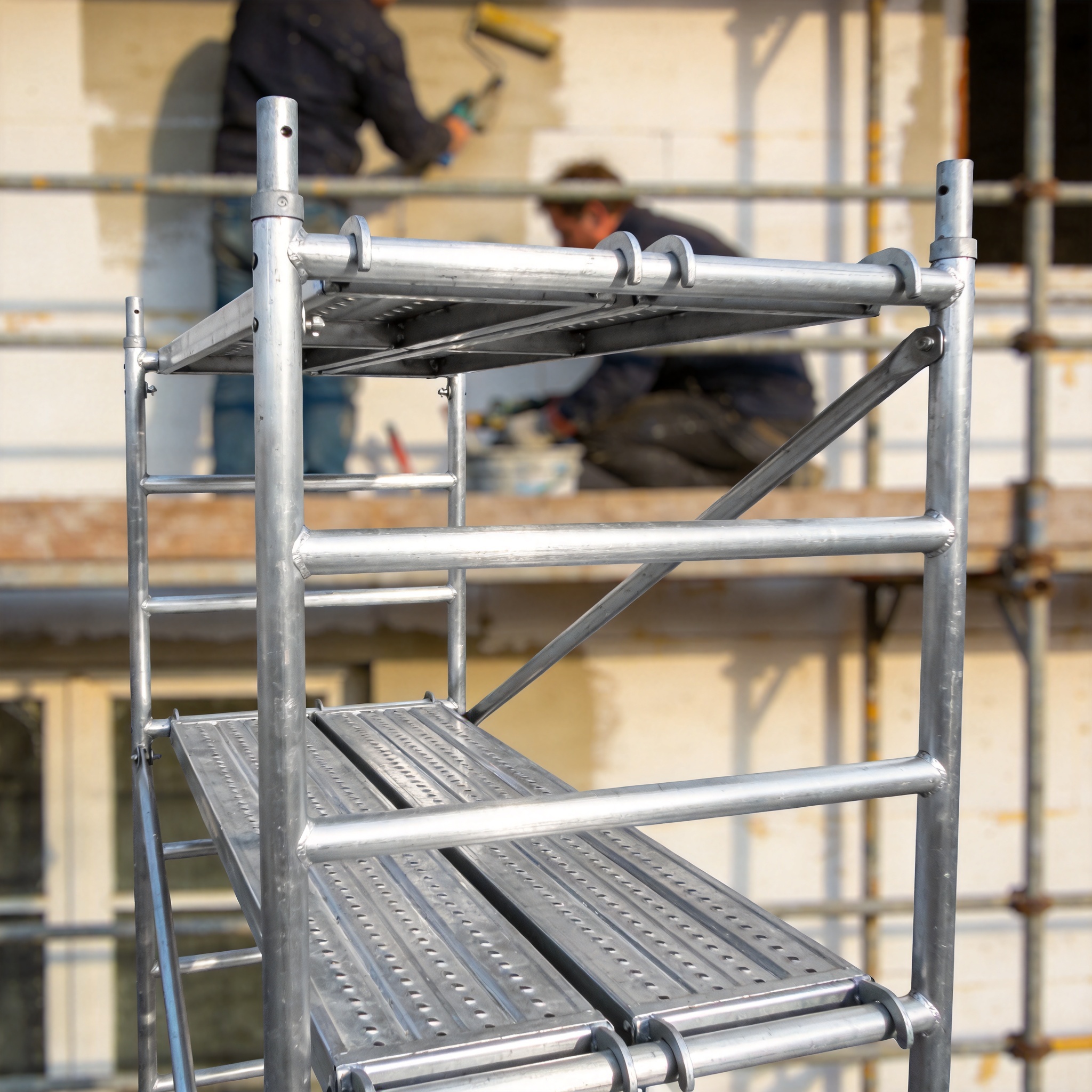
While new construction is vital, the renovation market is a massive contributor to steady demand. In Europe, where the building stock is aging, the European Commission’s Renovation Wave initiative is driving facade upgrades. I have led teams retrofitting 1970s-era buildings in London, where the scaffolding access was more complex than the actual cladding replacement work. For such intricate renovation projects, a 4M mobile aluminium scaffolding tower provides the lightweight yet durable access needed to navigate tight urban spaces efficiently.
- Maintenance: Regular painting, cleaning, and concrete spalling repairs require suspended and supported scaffolds.
- Industrial Shutdowns: Refineries and power plants require massive scaffolding during turnarounds, often within tight 30-day windows.
- Event and Temporary Structures: The entertainment industry adds a volatile but consistent segment to the market.
How Safety Regulations Shape Demand
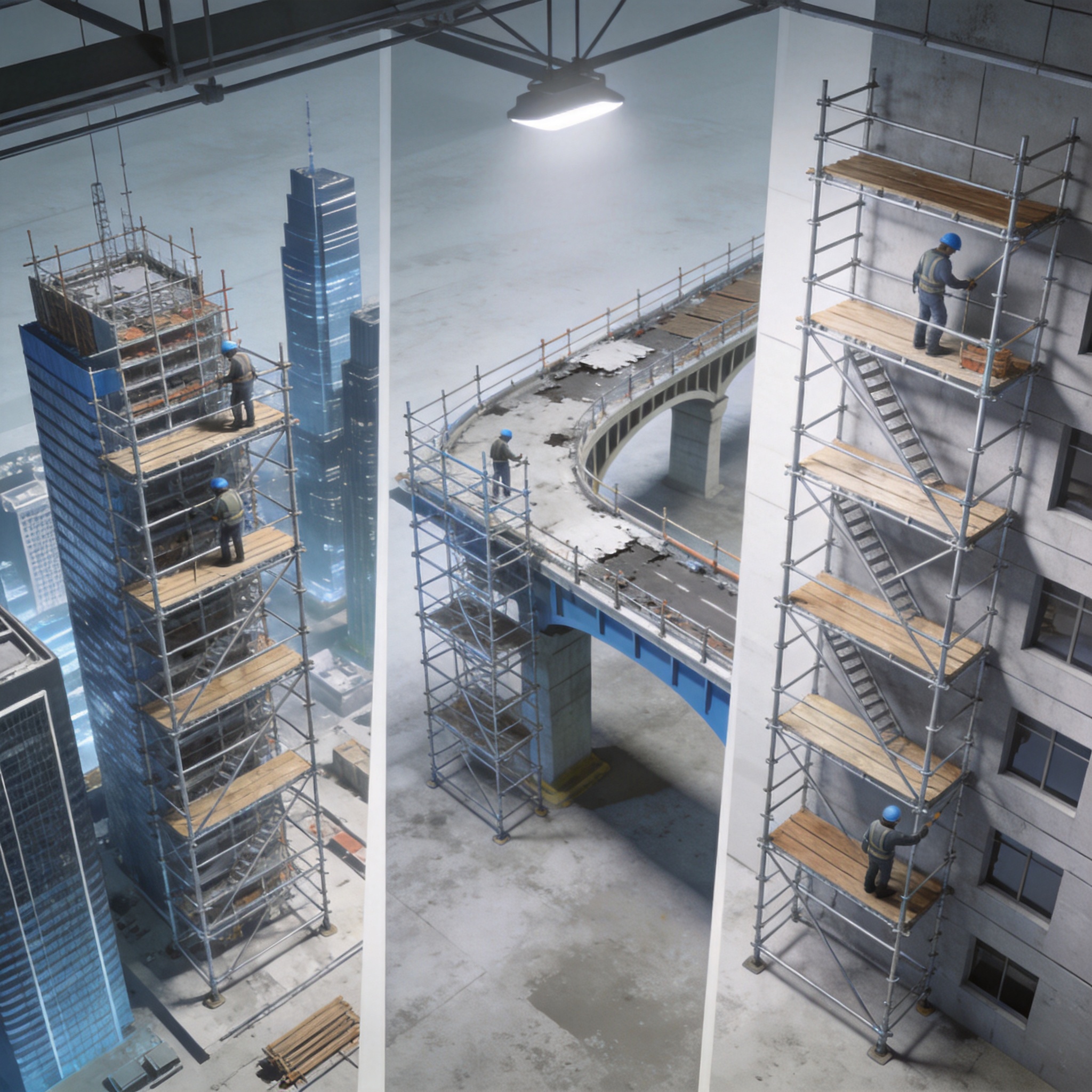
Stricter safety regulations do not reduce demand; they increase the quality and volume of scaffolding required. The OSHA Scaffolding Standard (29 CFR 1926.451) mandates that scaffolds be designed by a qualified person and be capable of supporting four times the maximum intended load. This often forces contractors to use more dense bracing and heavier gauge steel, increasing the material footprint.
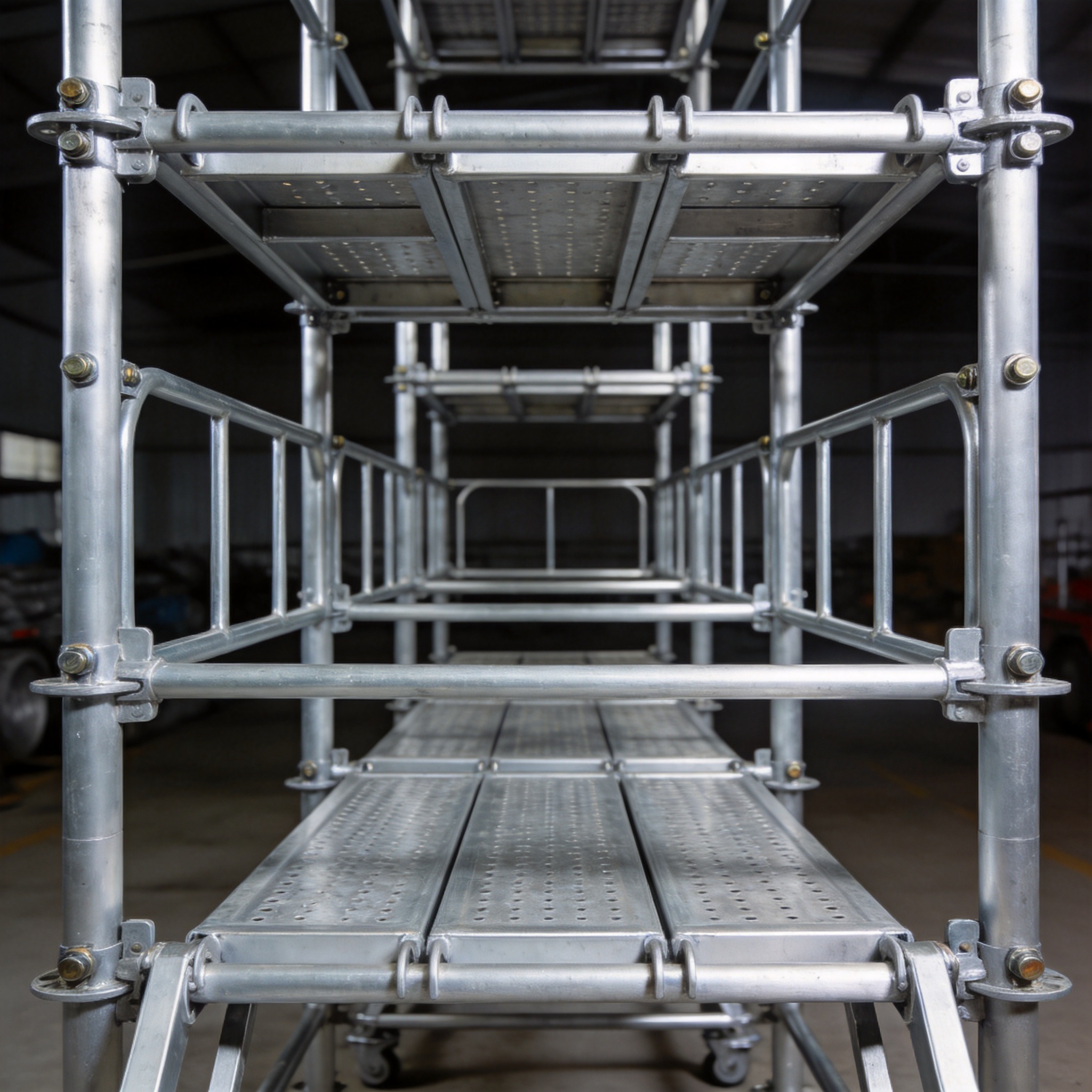
In my own testing of system scaffolding in 2023, we found that compliance with the updated ANSI A10.8 standards required us to increase tie-in frequencies by 15% compared to a decade ago. This regulatory pressure ensures that even if the square footage of construction dips, the tonnage of scaffolding material used remains high due to safety factors. The use of certified components like a scaffolding caster wheel with brake is essential for meeting these stringent safety requirements while maintaining mobility on site.
Training and Competency Requirements
The demand is not only for physical equipment but also for skilled labor. With regulations requiring certified erectors, the industry is seeing a shift toward “scaffolding as a service” rather than just equipment rental. This means that construction firms are outsourcing to specialists like my own, who can guarantee compliance and safety, rather than relying on general laborers.
Future Outlook: Modular Systems and Labor Shortages
Looking ahead to 2030, the construction industry growth will continue to drive scaffolding demand, but the type of scaffolding will change. There is a clear shift from traditional tube and fitting to modular engineered systems (like Ringlock or Cuplock). These systems are faster to erect, requiring 40% less labor time, which is critical given the global shortage of skilled scaffolders.
A study by McKinsey & Company highlights that construction productivity lags behind other industries, and prefabrication is the solution. In this context, scaffolding is moving toward pre-engineered, platform-style systems that integrate with the building structure. I predict that by 2028, over 60% of new commercial projects will use modular systems exclusively.
- Digital Integration: BIM (Building Information Modeling) is now used to pre-plan scaffolding layouts, reducing waste and conflicts.
- Material Innovation: Hybrid materials like aluminum-steel alloys are reducing weight while maintaining strength, allowing for taller cantilevered loads.
- Sustainability: The circular economy is pushing for reusable, galvanized systems that last 15+ years, reducing the carbon footprint of temporary works.
Data-Driven Decision Making
For contractors, the key takeaway is to invest in data. By analyzing wind speeds, load cycles, and erection times, we can optimize scaffold utilization. In a recent project in Singapore, we used load sensors on a 12-meter-high scaffold to monitor real-time stress, extending the interval between inspections from weekly to bi-weekly without compromising safety. This efficiency is the future of maintaining continuous demand while improving margins.
