


What Are the Essential Parts of a Scaffold?
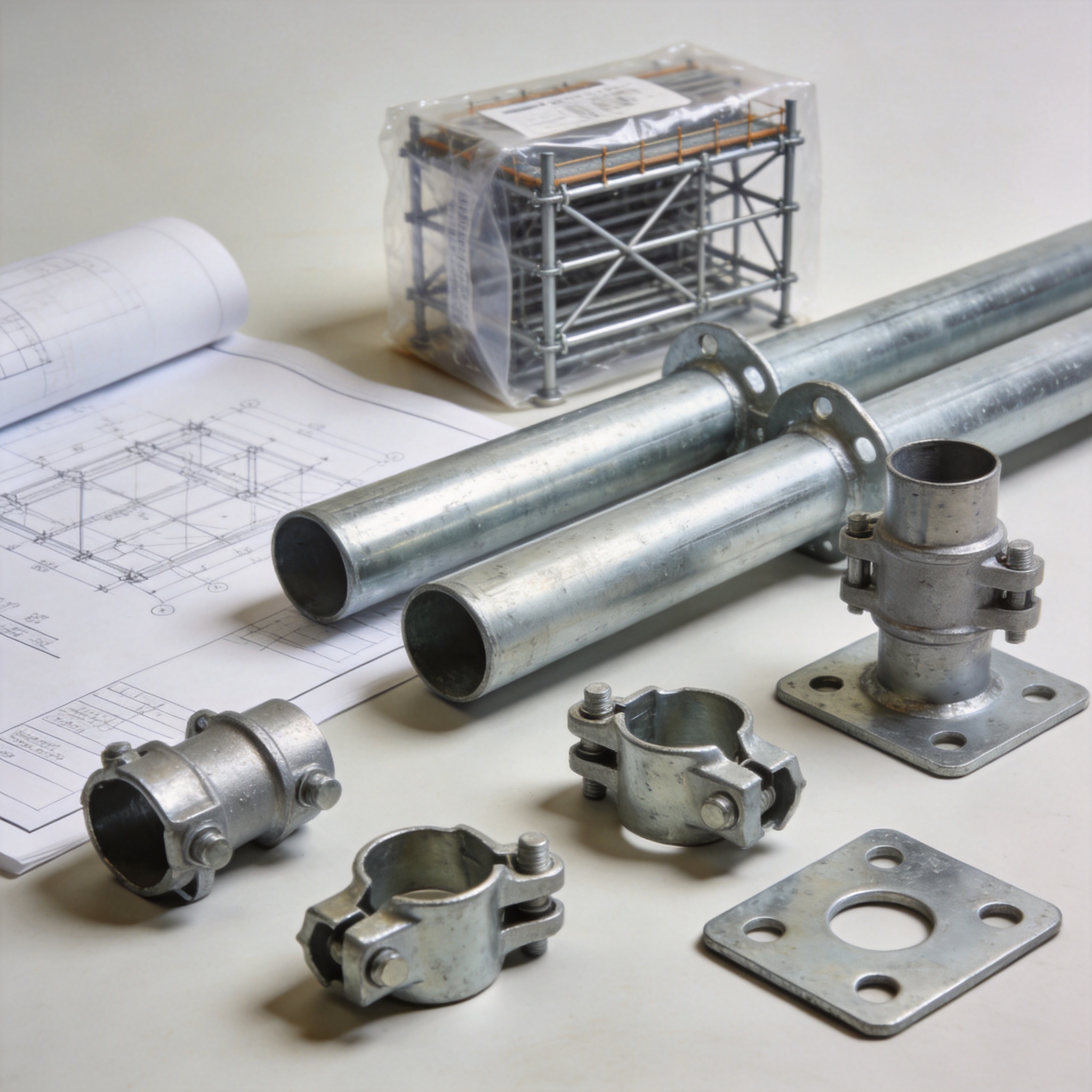
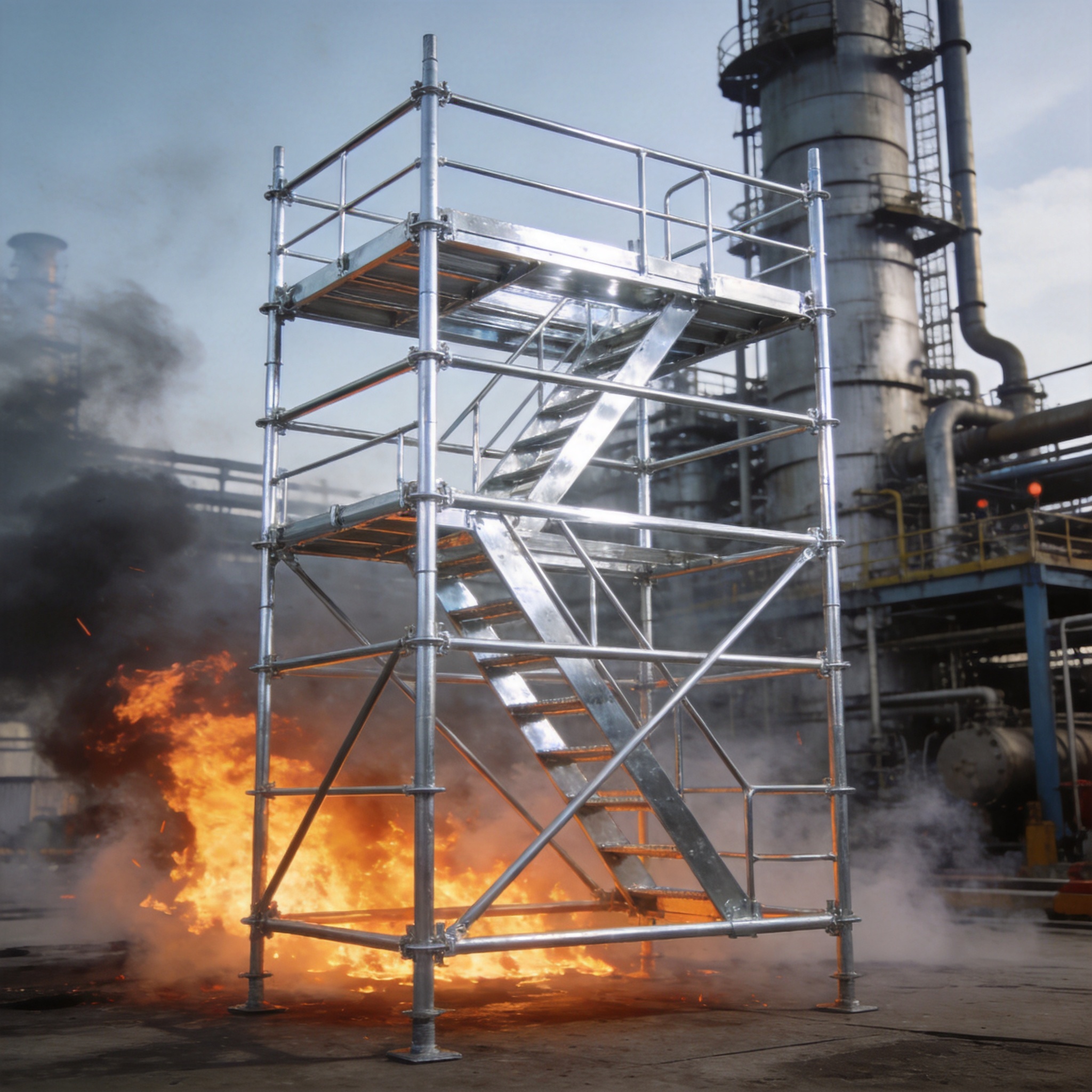
The essential parts of a scaffold are the structural and safety components that work together to create a stable and safe elevated working platform. Common scaffold parts include base plates, base jacks, standards, ledgers, transoms, diagonal braces, scaffold platforms, couplers, guardrails, toe boards, ties and access systems.
Each scaffolding component has a specific function. Standards carry vertical loads, ledgers connect the vertical members, transoms support the working platform, braces provide lateral stability, and couplers connect scaffold tubes and structural members.
Understanding the different scaffold parts and their functions is important when selecting, assembling, inspecting and maintaining a scaffolding system.
In this guide, we explain the main scaffolding parts, their names, functions and applications.Scaffolding is the unsung hero of construction sites, often taken for granted but absolutely crucial to the process. Imagine if builders attempted to erect high-rise buildings or repair towering structures without the support of these frameworks; the consequences could be disastrous. It’s like attempting to climb a mountain without any climbing gear. These indispensable structures, created by carefully assembling the parts of scaffold, provide the necessary safety and efficiency, allowing construction projects to reach new heights—quite literally!Understanding the essential parts of scaffold is not just for those already knee-deep in construction; it’s vital knowledge for anyone interested in how our cities and infrastructure are safely built. From base plates that provide stability to the adjustable couplers ensuring flexibility, every component serves a distinct purpose. As we delve deeper into this guide, we will uncover how each part contributes to the strength and safety of scaffolds, ensuring that both workers and structures remain secure. Whether you’re a seasoned builder or an enthusiastic learner, this exploration will offer fresh insights into the behind-the-scenes marvels of construction.
Importance of Scaffold in Construction
Scaffolds have become indispensable in modern construction, providing the backbone upon which countless edifices rise. When you consider a skyline dotted with high-rises, bridges under repair, or intricate restoration of historical monuments, it’s the strategically erected scaffold frameworks that make these feats feasible. By distributing weight evenly across multiple levels, scaffolds ensure that workers and materials remain securely supported. This safety margin is critical not only to protect lives but also to maintain project timelines and budgets.Beyond safety, scaffolding plays a pivotal role in project efficiency. The various parts of scaffold—such as ledgers, standards, and transoms—come together to create a versatile platform system. Crew members can swiftly navigate vertical and horizontal planes, easily transporting tools and supplies to the exact height required. This reduces downtime and improves productivity, especially on large-scale sites. Moreover, the modular nature of scaffolds allows for rapid assembly, disassembly, and relocation, adapting to changing needs as construction progresses. In essence, investing time and resources in quality scaffold design translates into smoother workflows, fewer accidents, and a stronger result.Understanding Base Plates: The Foundation of Stability
At the heart of a safe scaffolding system lies the base plate. These flat metal plates sit directly on the ground, forming the initial point of contact between the scaffold structure and the earth. By evenly distributing heavy loads across a broader area, base plates prevent the scaffold from sinking into soft or uneven terrain. This stability is crucial when the parts of scaffold support significant weight above ground.Furthermore, base plates are often paired with adjustable screw jacks, allowing precise leveling on sloped or irregular surfaces. This adjustability ensures that each scaffold standard remains perfectly vertical, reducing the risk of lateral movement under load. Simple yet vital, base plates set the stage for every subsequent component to perform safely and effectively.Scaffold Components and Their Functions
The following table provides a quick overview of the most common scaffolding parts and their functions:| Scaffold Part | Also Called | Main Function |
|---|---|---|
| Base Plate | Sole Base / Base Plate | Distributes load at the foundation |
| Base Jack | Screw Jack / Adjustable Jack | Levels and supports the scaffold |
| Standard | Upright / Vertical | Transfers vertical loads |
| Ledger | Runner | Connects standards horizontally |
| Transom | Bearer | Supports platforms across the scaffold |
| Brace | Diagonal Brace | Provides lateral stability |
| Platform | Scaffold Deck / Plank | Creates the working surface |
| Coupler | Clamp / Fitting | Connects scaffold tubes |
| Guardrail | Handrail / Toprail | Helps protect workers from falls |
| Toe Board | Kickboard | Helps prevent objects from falling |
How Do Scaffold Components Work Together?
Scaffold components are designed to work as a complete structural system rather than as isolated parts.
A simplified load and structural arrangement can be understood as:
Working Platform → Transoms → Ledgers/Standards → Base Plates/Jacks → Supporting SurfaceWalk Boards: Providing a Safe Working Platform
Walk boards—sometimes referred to as scaffold planks—act as the horizontal surfaces where workers stand and move. Crafted from robust materials such as treated timber or aluminum, these boards must meet stringent strength and load-bearing standards. Their design incorporates features like anti-slip surfaces and chamfered edges to minimize trip hazards and ensure a secure footing.Well-maintained walk boards are essential to prevent accidents. Over time, wooden planks can warp or crack, while metal boards may corrode if exposed to moisture. Regular inspections and maintenance ensure that these critical parts of scaffold continue to offer reliable support. By selecting high-quality walk boards and replacing them at the first sign of wear, project managers uphold both safety and productivity on site.Scaffold Platforms: Supporting the Load
Scaffold platforms combine walk boards and supporting structures, forming the working decks at various heights. Often composed of interlocking panels, these platforms distribute weight evenly and can be configured to fit different scaffolding layouts. Their versatility allows builders to create wide work areas or narrow access passages, depending on the task at hand.Load capacity is a key consideration for scaffold platforms. Each component—from the transoms and ledgers to the platform panels—must be rated for the combined weight of personnel, tools, and materials. Exceeding these limits can cause structural failure, posing severe risks to life and equipment. Therefore, understanding the load specifications of each part of scaffold and adhering to manufacturer guidelines is paramount for safe operation.Frequently Asked Questions About Scaffold Parts
What are the main parts of a scaffold?
The main scaffold parts commonly include base plates, base jacks, standards, ledgers, transoms, braces, platforms, couplers, guardrails, toe boards, ties, and access components.
What are scaffolding components?
Scaffolding components are the structural, connection, platform, access, and safety parts used to build a complete scaffold system.
What is a scaffold standard?
A scaffold standard is a vertical structural member that transfers loads from the scaffold framework toward the base. It may also be called an upright, vertical, or leg.
What is a scaffold ledger?
A scaffold ledger is a horizontal member that generally runs along the length of the scaffold and connects the vertical standards.
What is a scaffold transom?
A scaffold transom is a horizontal member that generally runs across the width of the scaffold. It can support scaffold platforms and help connect the scaffold structure.
What is the difference between a ledger and a transom?
A ledger generally runs longitudinally along the scaffold, while a transom generally runs transversely across the scaffold. Together, they form an important part of the horizontal scaffold framework.
What is a scaffold coupler used for?
A scaffold coupler is used to connect compatible scaffold tubes or members. Different coupler designs are used for different connection requirements.
What does a scaffold base jack do?
A scaffold base jack provides adjustable support at the bottom of a scaffold standard and can be used to help level the scaffold where permitted by the system design.
What is the purpose of scaffold bracing?
Scaffold bracing helps maintain the stability and rigidity of the scaffold and reduces unwanted lateral movement or racking.
What is the purpose of a scaffold toe board?
A scaffold toe board provides a barrier along the edge of a working platform and helps prevent tools and materials from falling from the platform.
Conclusion
Understanding the different scaffold parts is essential for selecting, assembling, inspecting, and maintaining a safe and functional scaffolding system.
The most important scaffolding components include standards, ledgers, transoms, braces, base plates, base jacks, platforms, couplers, guardrails, toe boards, ties, and access systems. Each component has a specific role, but the overall performance of the scaffold depends on how these components work together.
Whether you need tube-and-coupler scaffolding, ringlock scaffolding, cuplock scaffolding, frame scaffolding, or mobile scaffold components, the right parts should be selected according to the scaffold design, project requirements, manufacturer specifications, and applicable safety regulations.