
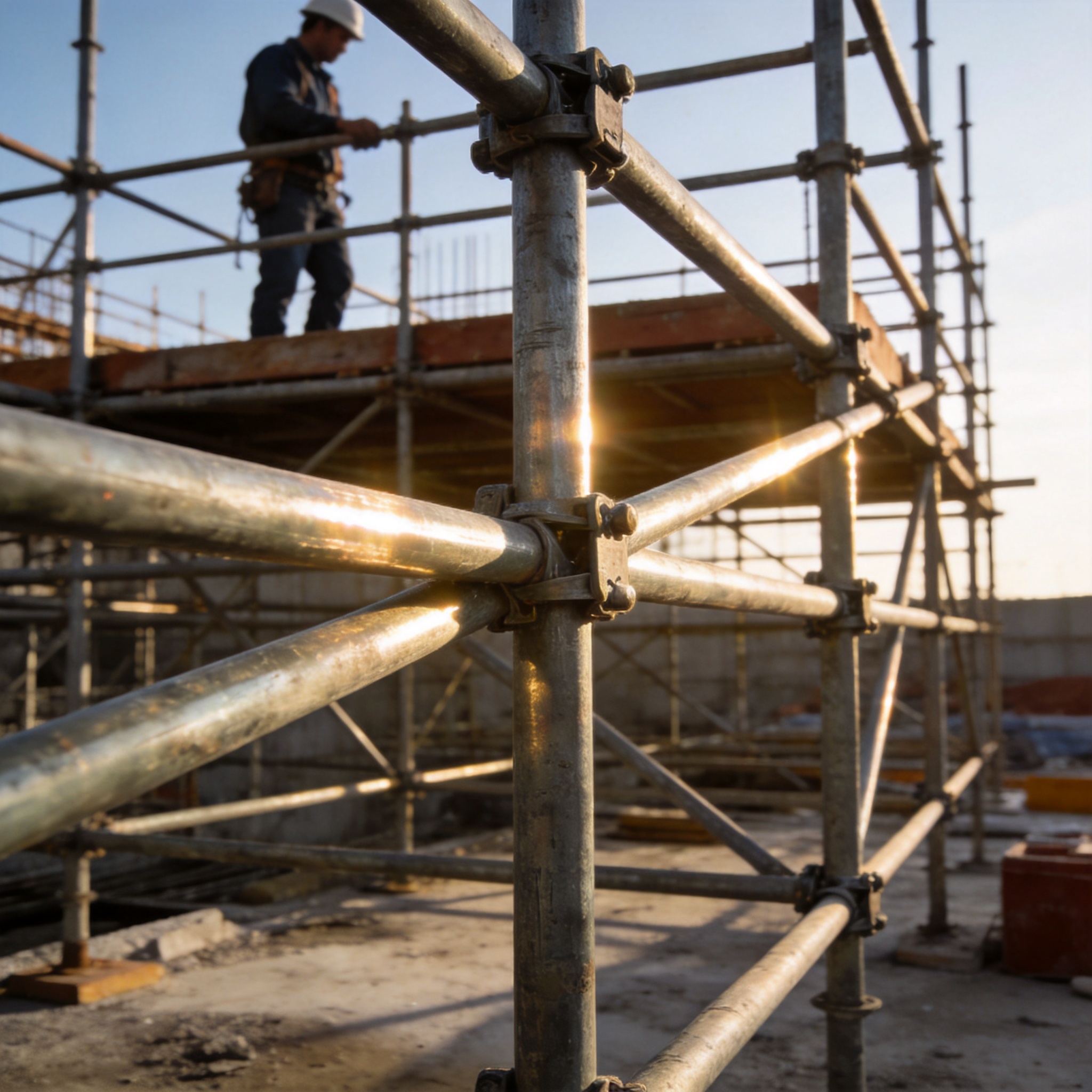
Imagine standing at the base of a towering skyscraper, gazing up at the intricate web of scaffolding that seems to embrace the building like a giant, protective exoskeleton. This seemingly chaotic structure is not merely a pile of metal and wooden planks; it’s one of the most vital components in ensuring the safety and success of construction projects. But with so many different types of scaffolding available, how do construction teams decide which is the right fit for their specific project needs? As you dive into this comprehensive guide, you’ll uncover the varieties that provide essential support, just as a sturdy scaffolding does for both high-rises and humble homes alike.
As the backbone of safe construction, scaffolding transforms daunting architectural dreams into tangible realities. From simple ladder systems to complex suspended platforms, each type plays a crucial role tailored to the demands of diverse building environments. Yet, the process of selecting the appropriate scaffolding isn’t as straightforward as it might seem. It’s a decision that requires careful consideration of not just the height of a project, but also its unique challenges, like terrain and weather conditions. In this article, we unravel the complexities of these choices, equipping you with the knowledge to navigate the array of options and select the perfect scaffold for your next construction venture.

Understanding the Importance of Scaffolding in Construction Projects
Whether you’re renovating a historic façade or erecting a modern skyscraper, scaffolding is the essential backbone that supports both workers and materials at various heights. This modular framework ensures that professionals can navigate around a building with confidence, maintaining stability and minimizing the risk of accidents. By investing in sturdy materials and proper assembly techniques, site managers can uphold strict compliance with safety regulations, thus avoiding costly delays or potential legal liabilities. Beyond safety considerations, scaffolding also improves workflow efficiency. With well-designed walkways and strategically placed guardrails, crews can move tools and supplies smoothly from one section to another, keeping the project on schedule and under budget.
Furthermore, the temporary nature of scaffolding allows flexibility in adapting to changing project scopes. When a building’s design evolves or additional features are added, the scaffold can be extended, reinforced, or reconfigured within hours. This adaptability reduces the downtime often associated with modified plans, ensuring that construction deadlines remain realistic and achievable. Selecting the right types of scaffolding is a decision that goes far beyond simply measuring height or load capacity. With an assortment of solutions ranging from basic ladder-access setups to advanced suspended and adjustable platforms, each option caters to unique project demands. Understanding the engineering principles behind various systems helps experts determine which scaffold type will best withstand environmental factors such as wind, rain, or uneven terrain.
Exploring Basic Types of Scaffolding: Ladder Systems and Supported Platforms
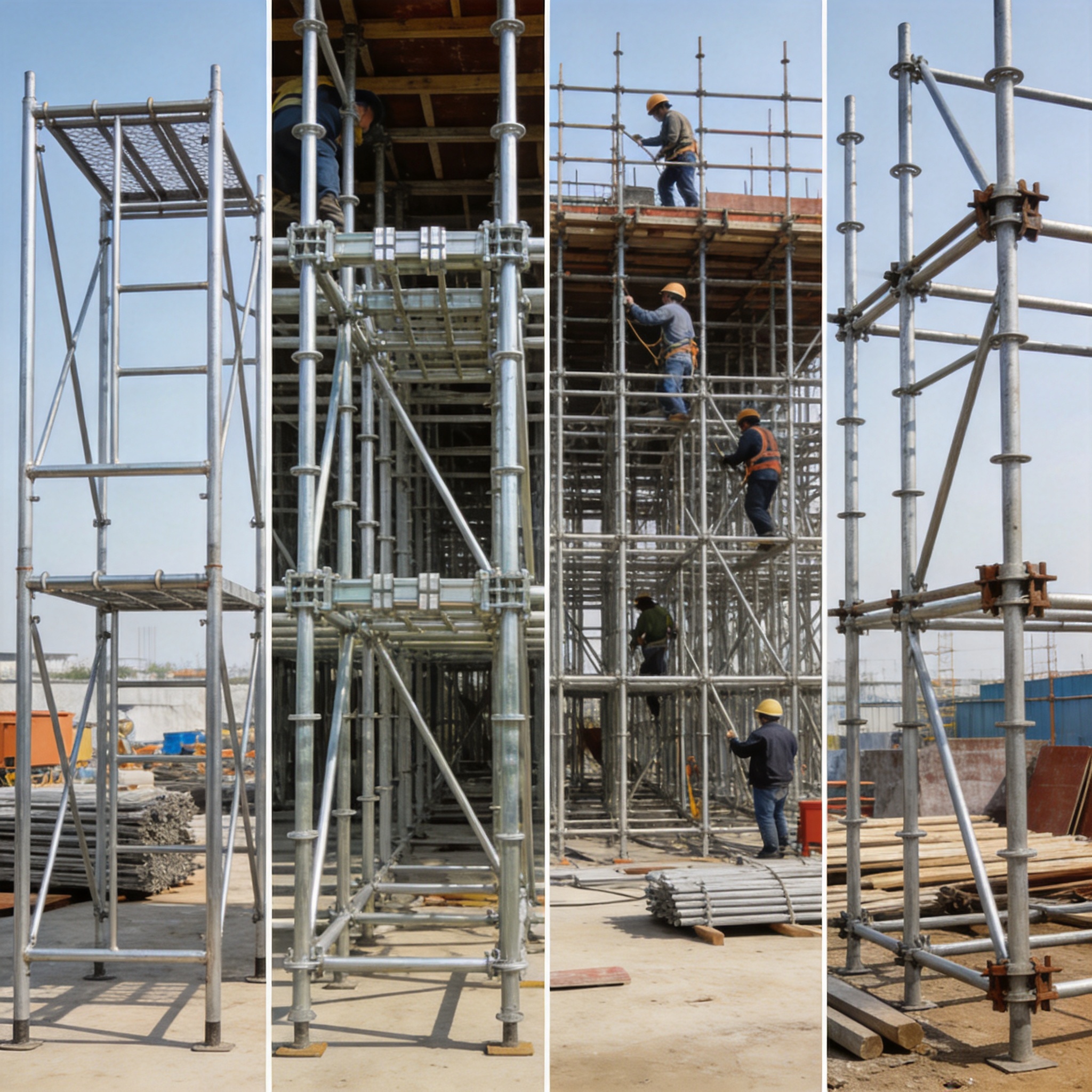
Ladder system scaffolds are among the simplest types of scaffolding, prized for their low cost and ease of setup. Composed of lightweight aluminum or steel ladders that interlock to create a stable structure, these systems are ideal for quick maintenance, painting, or inspections. Their straightforward design means that workers can assemble them with minimal training, reducing labor expenses and project lead times. However, ladder scaffolds are typically limited to lower heights—often not extending beyond two or three stories—making them less suitable for larger construction sites. Because of their compact profile, ladder systems can be easily transported in standard vehicles, allowing crews to move rapidly between jobs.
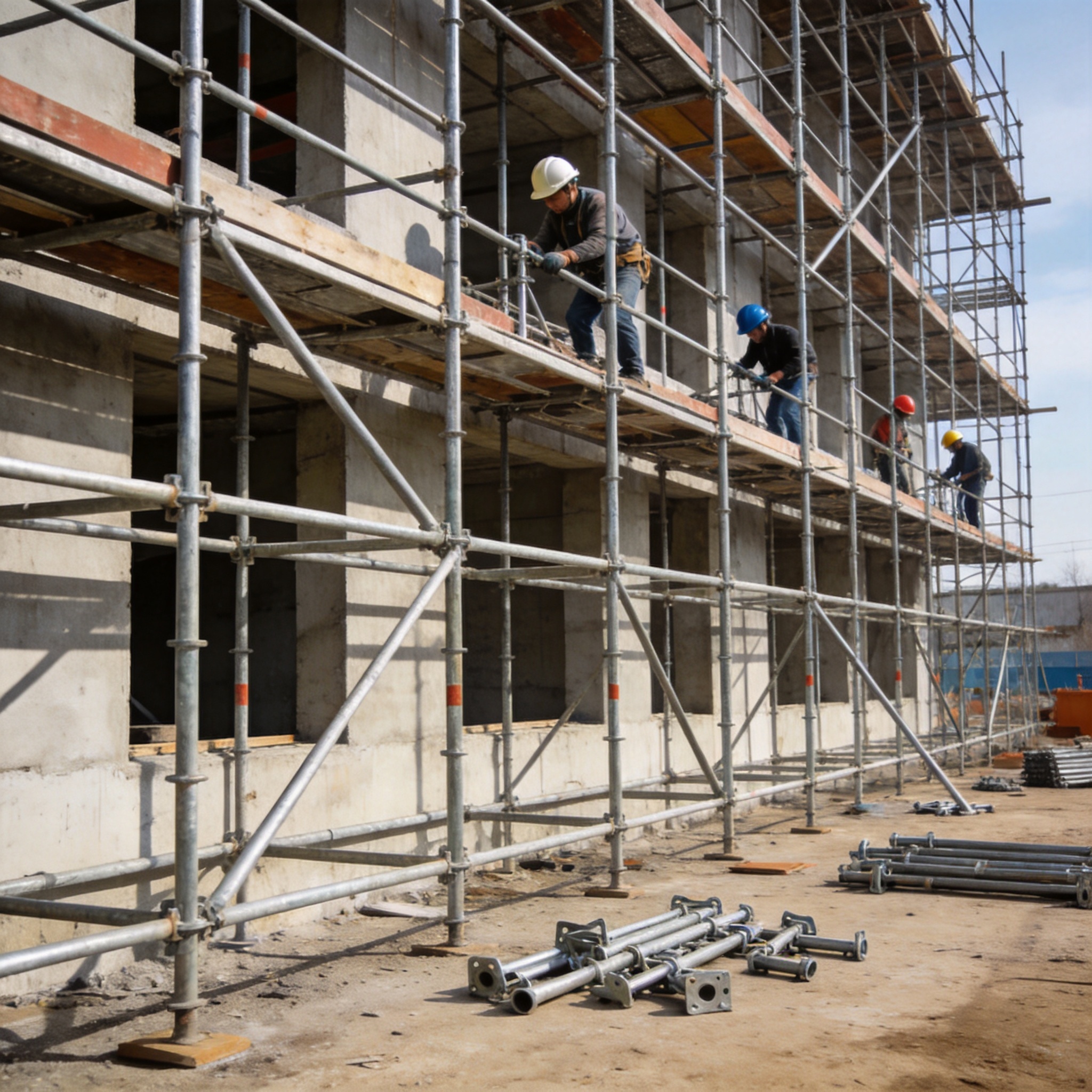
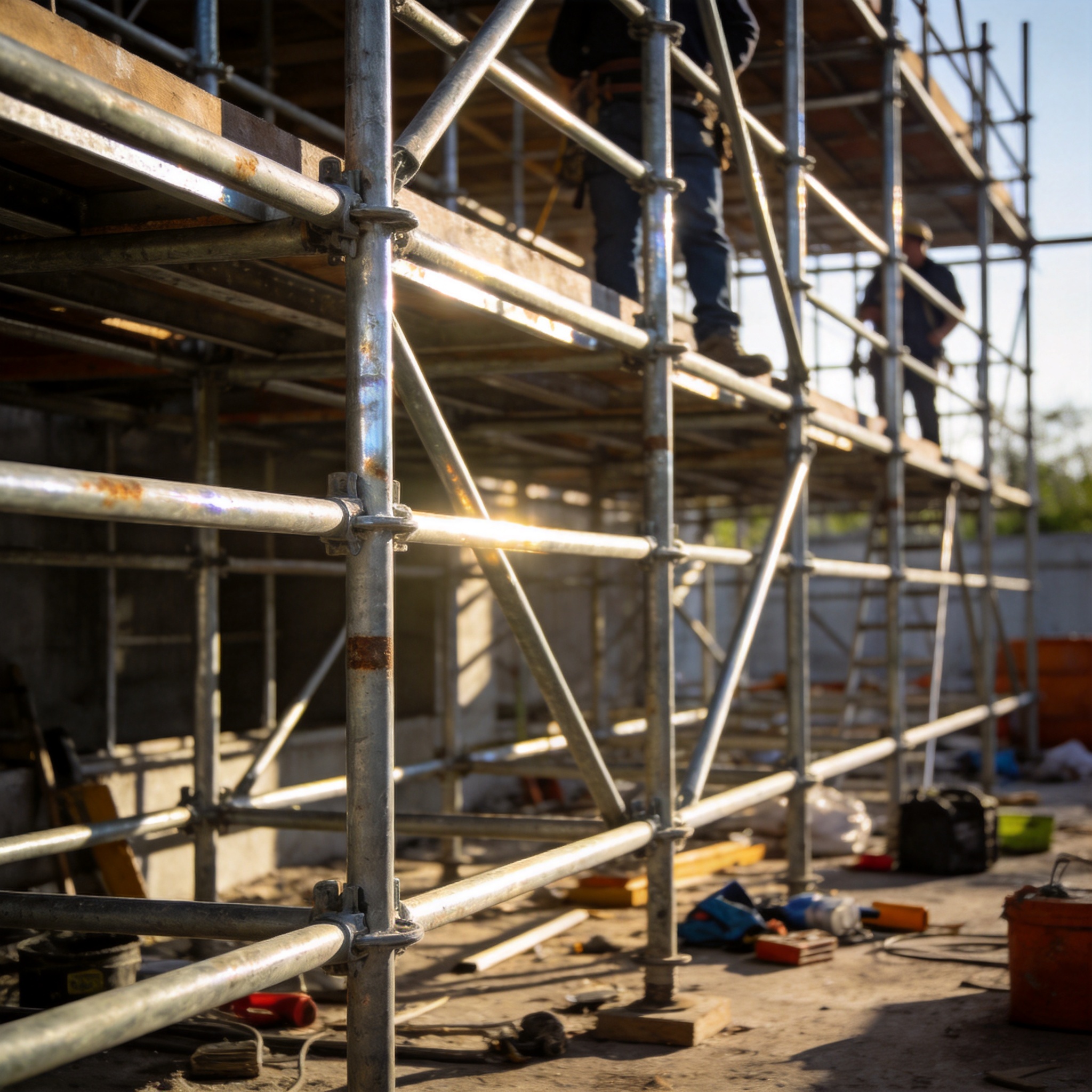
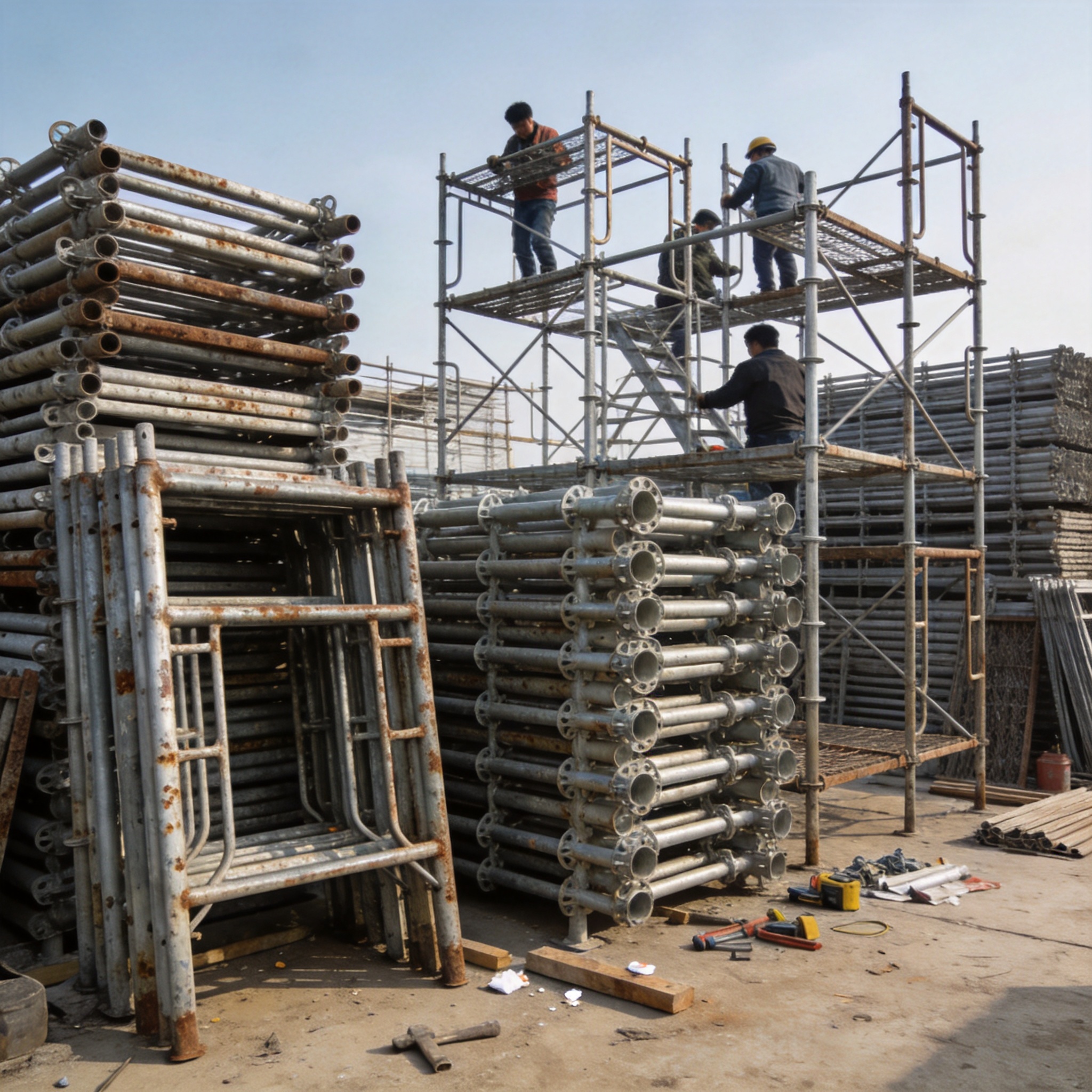
Supported platform scaffolds—also known as frame scaffolds—represent another foundational solution within the spectrum of types of scaffolding, offering greater versatility for mid-range heights and heavier loads. In this system, a network of vertical frames supports horizontal platforms constructed from wood planks or metal decking. Cross braces lock the framework in place, ensuring rigidity and load distribution across multiple levels. Supported platforms can reach heights of six to eight stories when built in modular sections, making them a staple for exterior construction and façade work. Although they require more time and skilled labor to assemble compared to ladder systems, their expanded working area and weight capacity make them indispensable on commercial and industrial sites.
Unraveling the Advantages of Suspended Scaffolding
Among the various types of scaffolding, suspended systems herald a departure from ground-supported frameworks by employing a system of ropes, chains, and winches to hang working platforms from the roof or upper structures of a building. Often referred to as swing stages or boatswain’s chairs, these platforms can be raised, lowered, or fixed at a specific elevation, granting workers access to vertical faces without the need for ground clearance. This form of scaffolding is especially popular for high-rise construction, exterior window cleaning, and maintenance tasks where erecting ground-level support would be impractical or obstructive. The suspended units are custom-built to match the façade’s geometry, ensuring a snug fit for curbs, cornices, or other architectural projections.
The primary advantages of suspended scaffolding include unparalleled mobility and space efficiency. Because the platforms hang from above, the ground level remains unobstructed—an essential consideration in cramped urban environments or active loading zones. Workers can reposition each stage horizontally along the building’s edge with minimal maneuvering, reducing the need for full-system disassembly and reassembly. In addition, suspended scaffolds often incorporate motorized hoists, enabling precise vertical adjustments at the push of a button and speeding up elevation changes for multi-floor operations. Safety features such as fall-arrest systems and emergency braking mechanisms are integral to modern suspended scaffolding, mitigating the risks associated with working at significant heights.
Considering the Benefits of Adjustable Scaffolding Systems
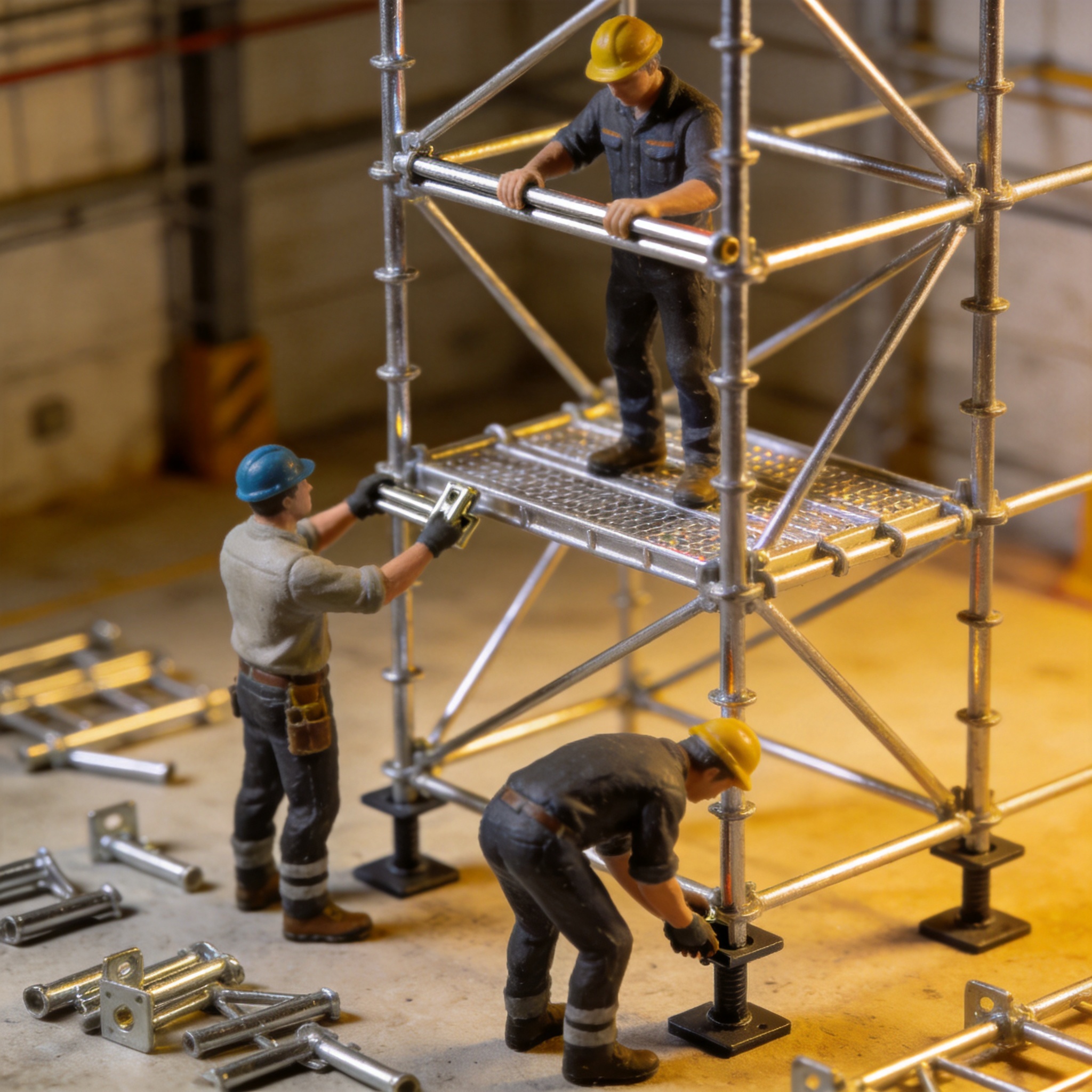
Adjustable scaffolding systems are among the most versatile types of scaffolding, providing a flexible alternative to fixed towers by allowing users to modify height, configuration, and location with ease. These systems comprise telescopic legs, adjustable brackets, and swivel casters that can be locked into place when stationary. Contractors favor adjustable platforms for tasks that demand frequent relocation—such as interior painting, HVAC installations, or electrical work—because the scaffolding can be moved by a small crew without requiring dismantling. The underpinning design also accommodates uneven ground levels; by adjusting individual legs, workers can maintain a level working surface, ensuring structural stability and operator comfort.
One of the standout benefits of adjustable scaffolding is the significant time savings realized through rapid assembly and relocation. Crew members can extend or retract segments within minutes, optimizing workflow for projects with changing access points. The modular nature of these systems permits customization in width and length, making them suitable for narrow corridors or expansive hallways alike. Moreover, adjustable scaffolds often feature guardrails, toe boards, and locking wheels as standard safety equipment—streamlining regulatory compliance and reducing the need for supplementary components. From a cost perspective, adjustable scaffolding can be rented or purchased as part of a multifunctional equipment package, delivering a lower total cost of ownership.
Conclusion: Selecting the Ideal Scaffold for Your Construction Project
Choosing the right types of scaffolding ultimately hinges on balancing project scope, budgetary constraints, and safety requirements. By understanding the fundamental distinctions between ladder systems, supported platforms, suspended units, and adjustable towers, contractors can match each solution to the specific demands of their site.
Armed with this guide, project managers can make informed decisions that streamline workflow, uphold regulatory standards, and protect worker well-being. Whether tackling a low-rise renovation or scaling a high-rise façade, the perfect scaffold awaits—ready to support your vision from the ground up.
