
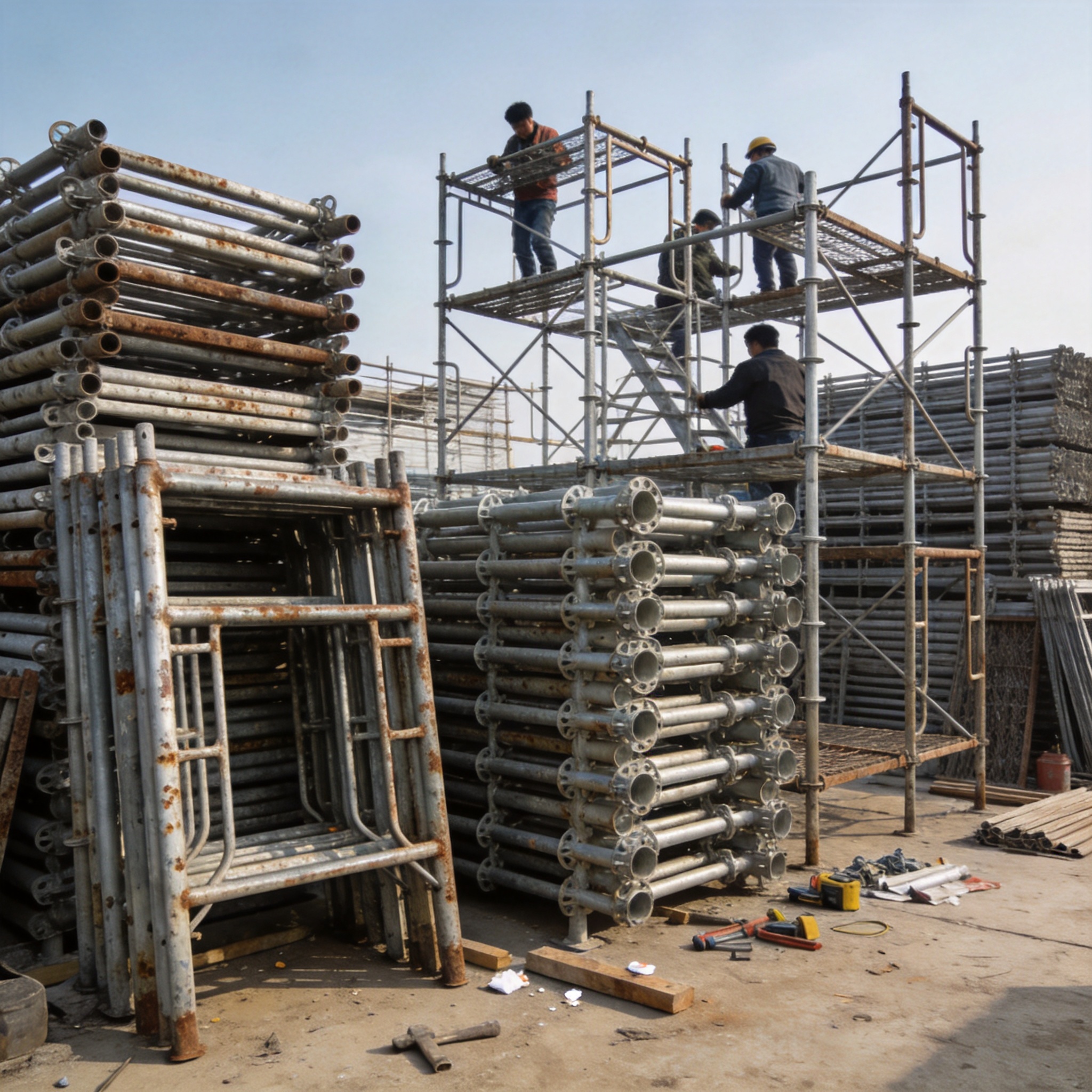
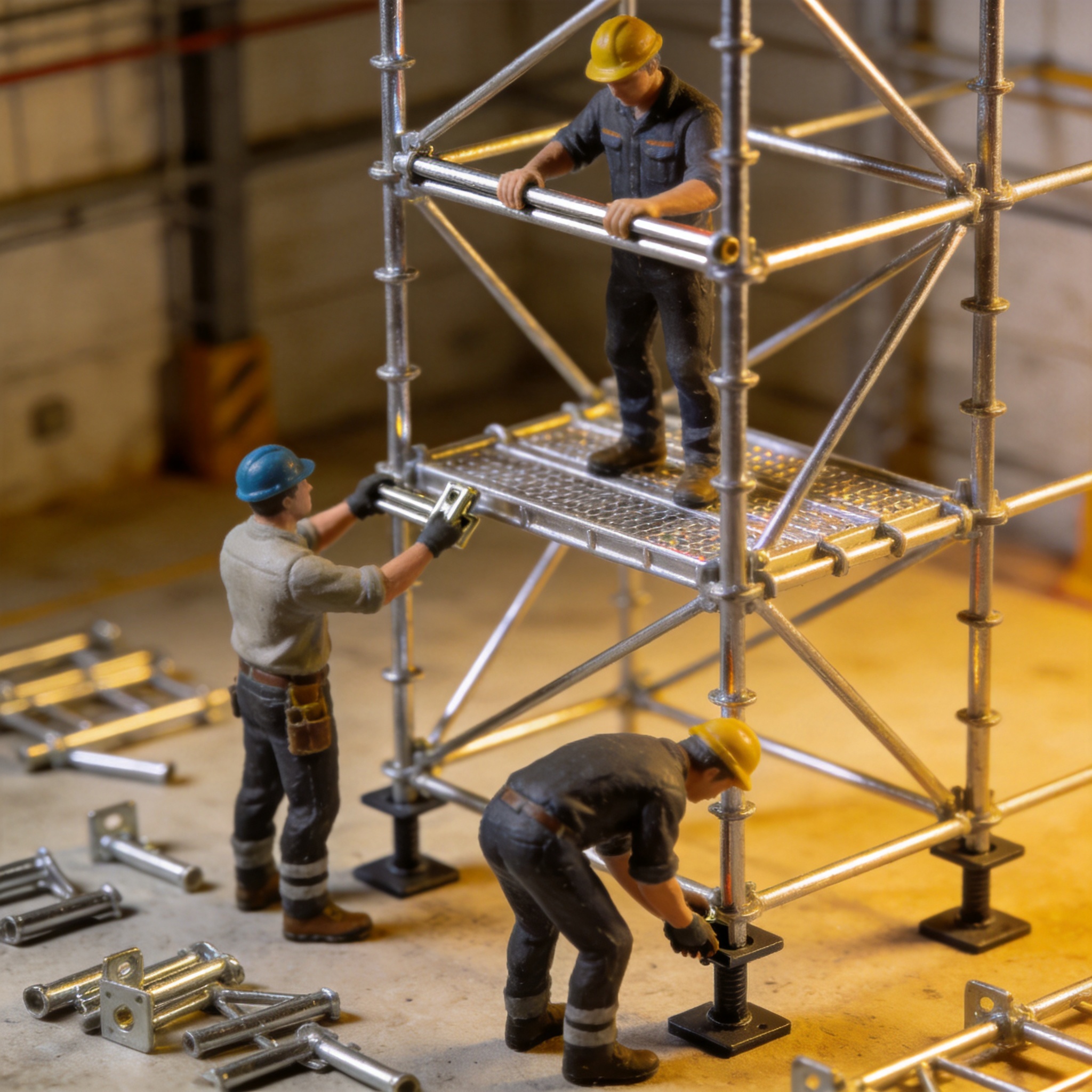
In the world of construction and maintenance, efficiency isn’t just a luxury – it’s a necessity. Whether you’re a seasoned professional or a DIY enthusiast, the tools you choose can drastically impact your productivity and safety. Enter the ladder working platform: a seemingly humble but incredibly powerful tool that can elevate your efficiency to new heights. Imagine having the ability to tackle high-up tasks with the stability and security that traditional ladders often fail to provide. No more precariously balancing on narrow rungs; instead, you can work comfortably and confidently, knowing that you have the support you need.
Consider this: according to recent statistics, falls from ladders account for a significant percentage of workplace injuries each year. The right equipment can make all the difference in preventing these accidents. A ladder working platform not only helps mitigate such risks by offering a wider and more stable surface to stand on, but it also allows for greater freedom of movement. As we delve into the key benefits of utilizing a ladder working platform, you’ll discover how this innovative tool can transform your workflow, making even the most daunting tasks feel manageable.

Introducing the Ladder Working Platform: A Game-Changer in Safety and Stability
In fast-paced environments like construction sites, maintenance operations, and home renovation projects, safety and stability are non-negotiable. The ladder working platform addresses these critical concerns by providing a secure, wide surface on which professionals and DIY enthusiasts can stand and work. Unlike traditional ladders, which force you to balance on narrow rungs and shift weight constantly to maintain your footing, a ladder working platform offers a spacious deck that minimizes the risk of slips and falls.
Beyond its stable base, this innovative tool comes equipped with guardrails and toe boards that further enhance protection. These features not only prevent accidental overreaching but also ensure that tools and materials remain on the platform rather than tipping over the edge. The integrated design transforms a simple climbing apparatus into a comprehensive workstation, allowing users to focus on the task at hand without worrying about compromised balance. Whether you’re painting high walls, installing fixtures, or carrying out electrical work, the ladder working platform redefines what it means to work safely at height.
Another advantage lies in the device’s adaptability to various surfaces and conditions. Many ladder working platforms feature adjustable legs or stabilizing feet, which can be calibrated to accommodate uneven ground or sloping terrain. This flexibility means you can deploy the platform indoors or outdoors, on concrete, tile, or soil, without sacrificing safety. As a result, the ladder working platform outperforms conventional ladders by merging rugged stability with user-friendly functionality, making it an indispensable ally for any project requiring elevation.
The Risks Associated with Traditional Ladders
Traditional ladders have long been a staple for accessing elevated work areas, yet they carry inherent risks that continue to contribute to a high volume of workplace injuries. Narrow rungs, a lack of handholds at work height, and the constant need to adjust your position all increase the risk of losing your balance. According to recent data, ladder falls account for a significant share of construction and home-improvement accidents each year, often resulting in sprains, fractures, and even head injuries.
Moreover, conventional ladders offer limited workspace once you’ve climbed to your desired height. Balancing tools on one hand or attempting to hold materials while gripping the ladder with the other forces workers into awkward, unsafe postures. This not only increases physical strain and fatigue but also heightens the likelihood of dropping objects, potentially injuring those below. Environmental factors such as wind, wet surfaces, or uneven flooring further compound these dangers, making ladder-related tasks both hazardous and time-consuming.
Complicating matters is the fact that many users overlook the importance of proper ladder setup. Failure to establish a stable base, position the ladder at the correct angle, or secure it against shifting can turn any height-related job into a perilous undertaking. Even when guidelines are followed, the inherent design limitations of a ladder—namely, its narrow contact points with the ground and the user—mean that a single misstep can lead to a catastrophic fall. These cumulative risks underscore the need for a more secure solution, paving the way for the adoption of ladder working platforms as a safer alternative.
Key Features of a Ladder Working Platform
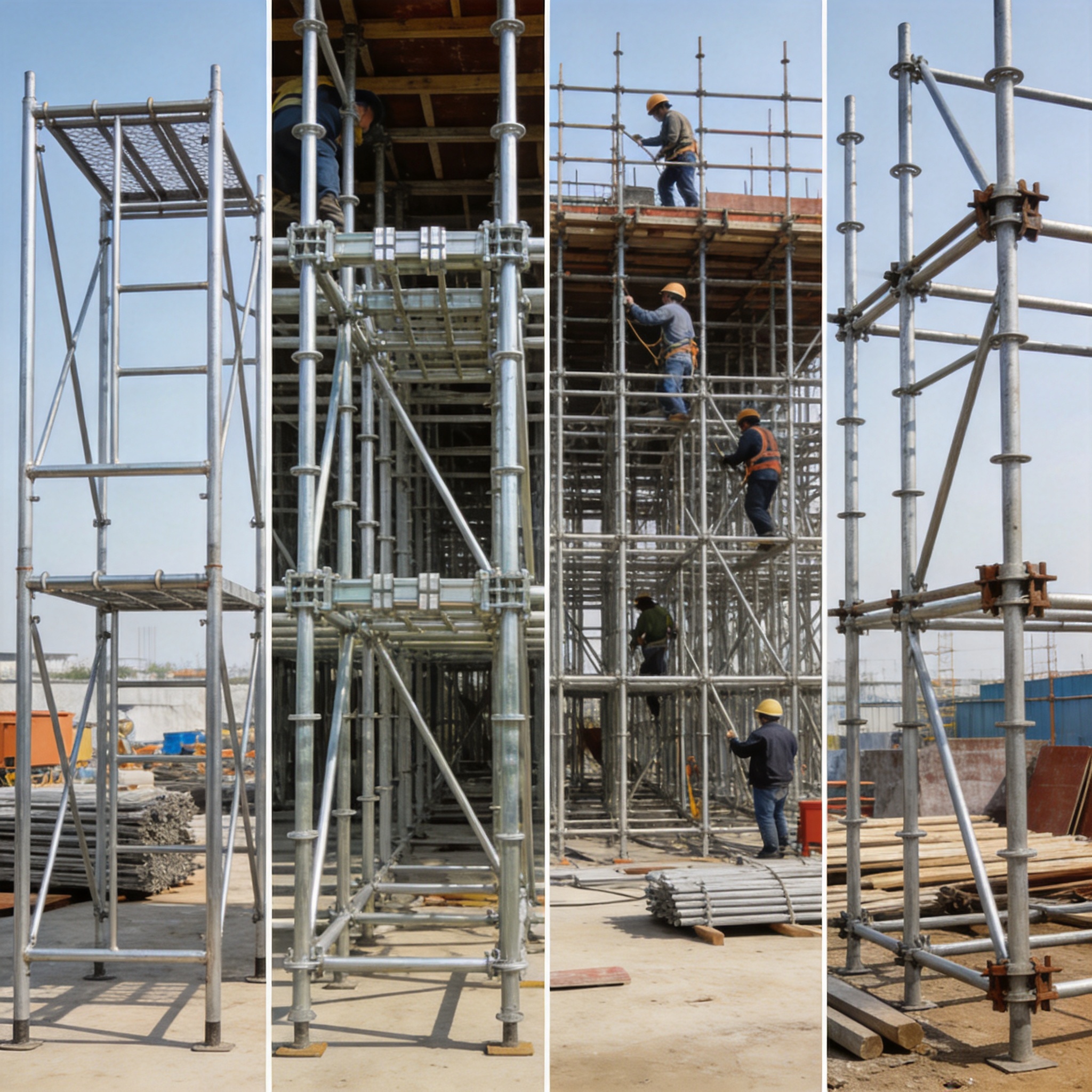
A ladder working platform distinguishes itself from traditional ladders through several core features designed to maximize user safety and convenience. Central to its design is a broad, slip-resistant deck that provides ample standing room and minimizes foot fatigue. Equipped with guardrails and toe boards, the platform prevents accidental overextension and contains tools, eliminating the need to repeatedly climb up and down.
Height adjustability is another critical attribute. Most ladder working platforms offer telescoping legs or removable sections, allowing users to fine-tune the platform’s elevation to suit various tasks. This flexibility reduces the time spent manually repositioning the ladder, streamlining workflows. Additional features often include integrated tool trays and hook attachments, which keep equipment within arm’s reach, further enhancing efficiency and reducing clutter around the work area.
Durability also plays a key role in the platform’s effectiveness. Constructed from high-grade aluminum or reinforced steel, ladder working platforms are built to withstand heavy loads and resist corrosive elements. Stabilizing feet or leveling jacks ensure a firm grip on uneven terrain, while the lightweight frame enables easy transport and storage. Collectively, these features transform the ladder working platform from a simple climbing aid into a versatile and safe mobile workstation.
How a Ladder Working Platform Enhances Productivity
One of the most compelling advantages of incorporating a ladder working platform into your toolkit is the tangible boost in productivity. The spacious work surface allows you to spread out tools, materials, and reference documents, eliminating frequent trips up and down to retrieve items. This uninterrupted workflow can save significant time across repetitive tasks such as painting, tiling, or installations.
Additionally, the built-in guardrails and wide deck foster confidence and reduce muscle fatigue. Workers can stand comfortably for extended periods without gripping narrow rungs or shifting their stance to maintain balance. This ergonomic benefit translates to reduced downtime, fewer breaks, and less overall physical strain—factors that collectively accelerate project timelines.
Moreover, the height adjustability of a ladder working platform means one setup can serve multiple elevations. Instead of relocating a standard ladder at each new height requirement, users can swiftly tweak the platform’s legs or add extension sections. This adaptability leads to smoother transitions between stages of a job, whether you’re switching from baseboard installation to ceiling molding or from upper-wall painting to soffit repairs. By cutting out setup redundancies, the ladder working platform empowers teams to focus on high-value tasks, ultimately boosting overall output and profitability.
Best Practices for Using a Ladder Working Platform Effectively
Maximizing the benefits of a ladder working platform requires adherence to a few essential best practices. First, always begin with a thorough inspection before deployment. Check for loose bolts, damaged guardrails, or cracks in the decking. Ensure stabilizing feet or leveling jacks are functioning correctly to prevent wobbling once you’re on the platform.
Second, select an appropriate location to set up your platform. The ground should be firm, level, and free from debris. If working on sloping surfaces, adjust the legs and leveling mechanisms according to manufacturer’s instructions to maintain a horizontal deck. This initial attention to detail pays dividends in both safety and efficiency.
Next, respect the platform’s weight capacity. Overloading with tools, materials, or multiple individuals can compromise structural integrity and lead to accidents. Distribute weight evenly across the deck and store heavy items in the platform’s integrated tool tray or on lower rungs. Additionally, always step onto the center of the deck, keeping both feet firmly planted to maintain balance.
Finally, incorporate routine training and refresher sessions for all users. Familiarizing team members with proper setup, adjustment, and disassembly procedures reduces setup time and minimizes human error. Equipping personnel with the right personal protective equipment—such as non-slip footwear, gloves, and hard hats—further augments the inherent safety features of the ladder working platform.
Conclusion: Elevating Your Efficiency with a Ladder Working Platform
By replacing traditional ladders with a ladder working platform, professionals and hobbyists alike can achieve heightened safety, stability, and productivity. The robust design, adjustable height, and spacious work surface make it an indispensable asset for any elevated task, from painting and electrical work to detailed carpentry.
Incorporating this versatile tool into your workflow not only mitigates the risks of ladder-related accidents but also streamlines project timelines by minimizing interruptions. Embrace the ladder working platform and unlock newfound efficiency—transforming daunting, height-based tasks into seamless, secure operations.
