
Imagine embarking on a home renovation project or managing a large-scale construction site with a dynamic team. The structure rises, each beam and brick carefully placed, but what holds it all together during the build? The answer is fundamentally about safety and efficiency—it’s the scaffolding materials that provide the skeletal support necessary for such feats. With countless options available in the market, choosing the right materials can be a daunting task. The decisions made here not only impact the project’s timeline and budget but, most importantly, the safety of everyone involved.
Safety in construction is non-negotiable, and the right scaffolding materials are at the heart of it. According to recent industry statistics, improper use or selection of scaffolding leads to thousands of accidents every year. This guide aims to empower you with essential knowledge, ensuring that the scaffolding you choose is not only suitable for your specific tasks but also compliant with safety standards. Whether you’re a seasoned contractor or a DIY enthusiast, understanding the nuances of scaffolding is crucial to the success and safety of your projects.

Types of Scaffolding Materials
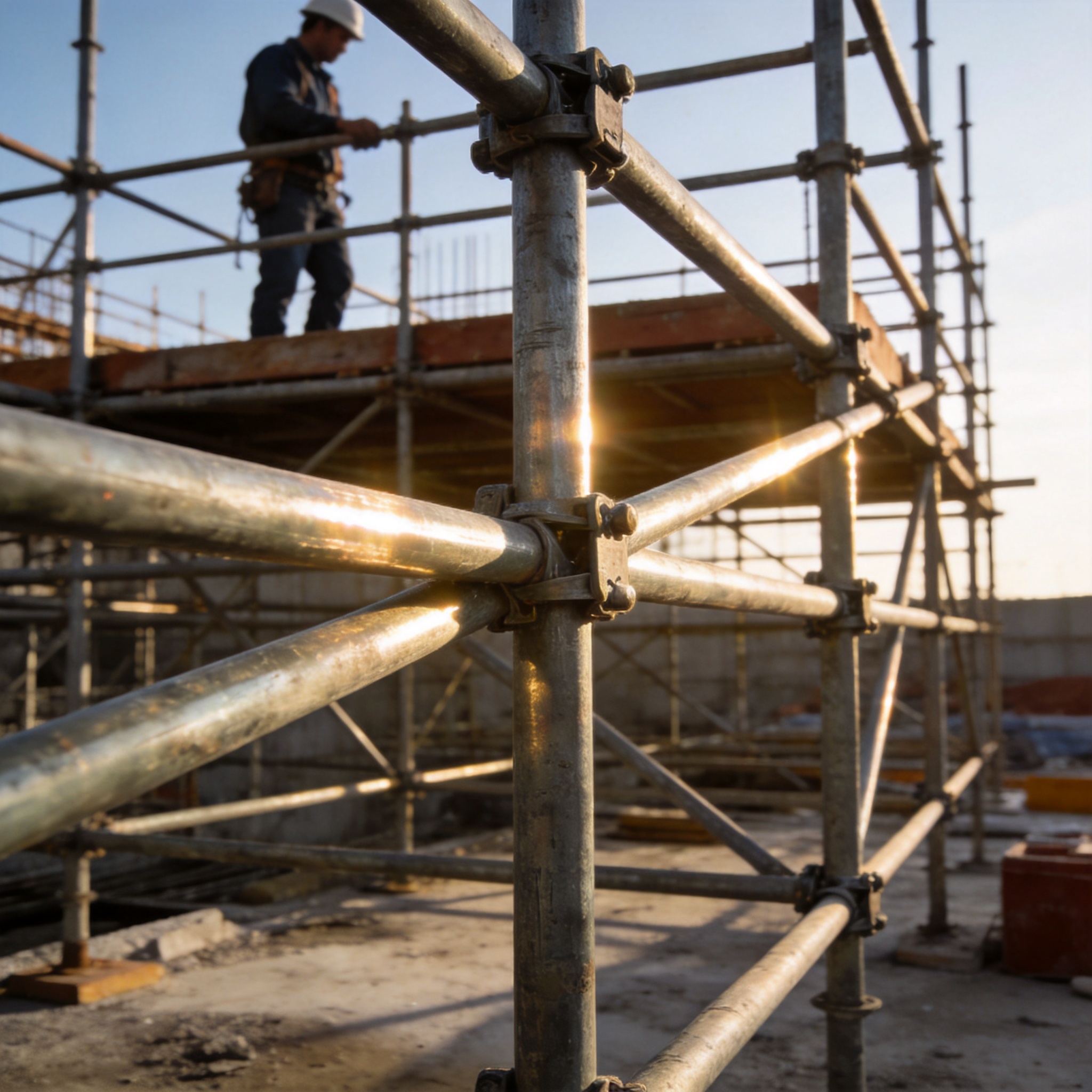
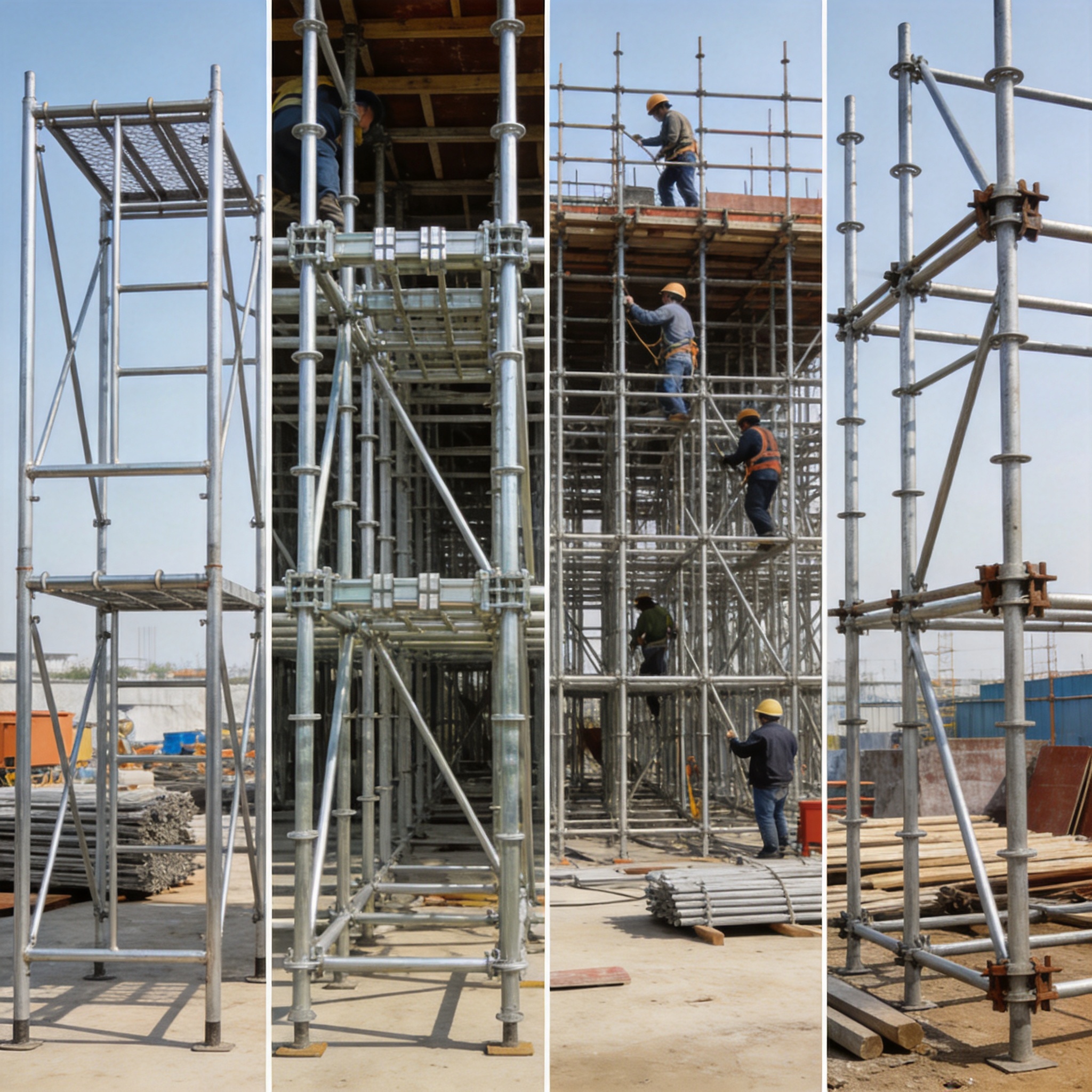
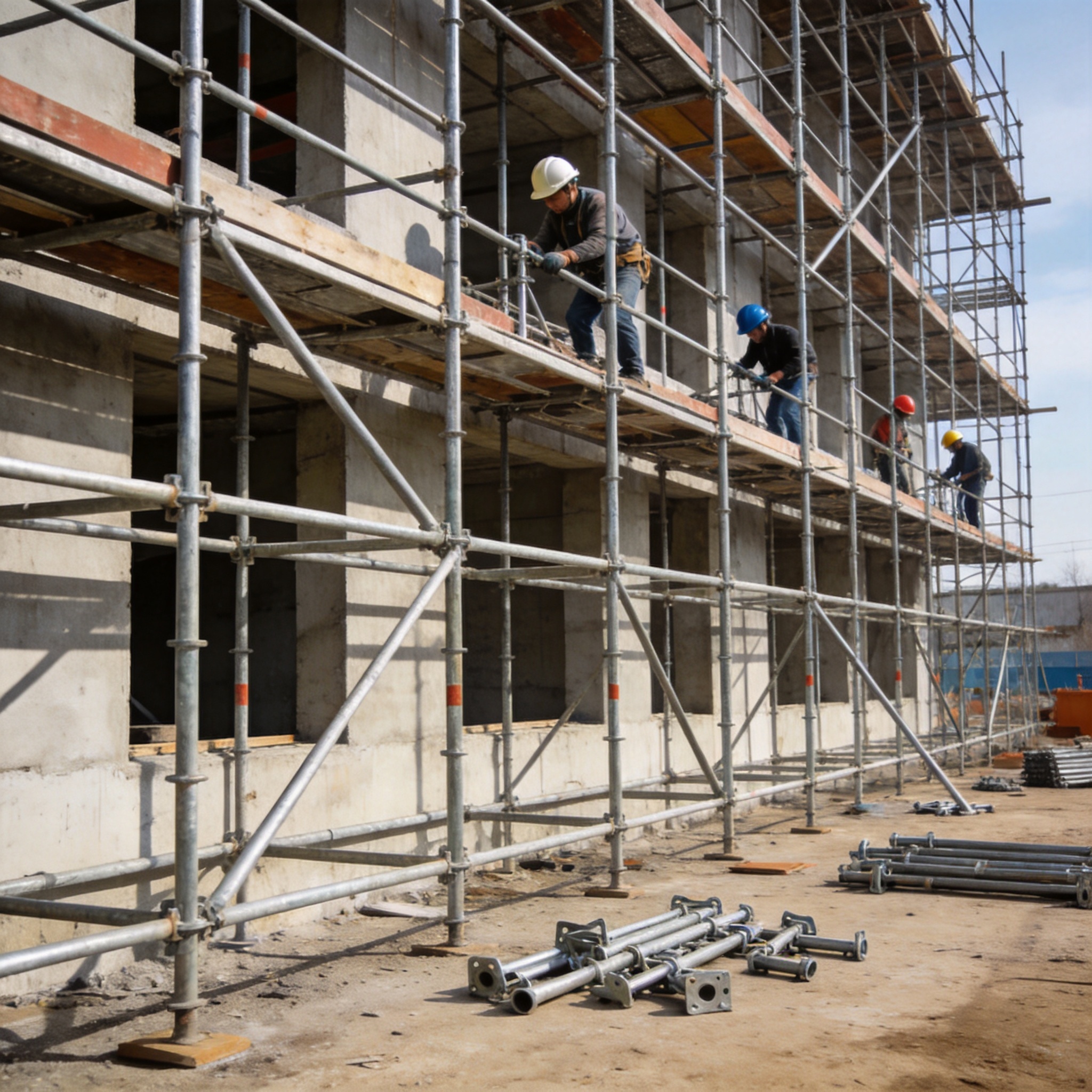
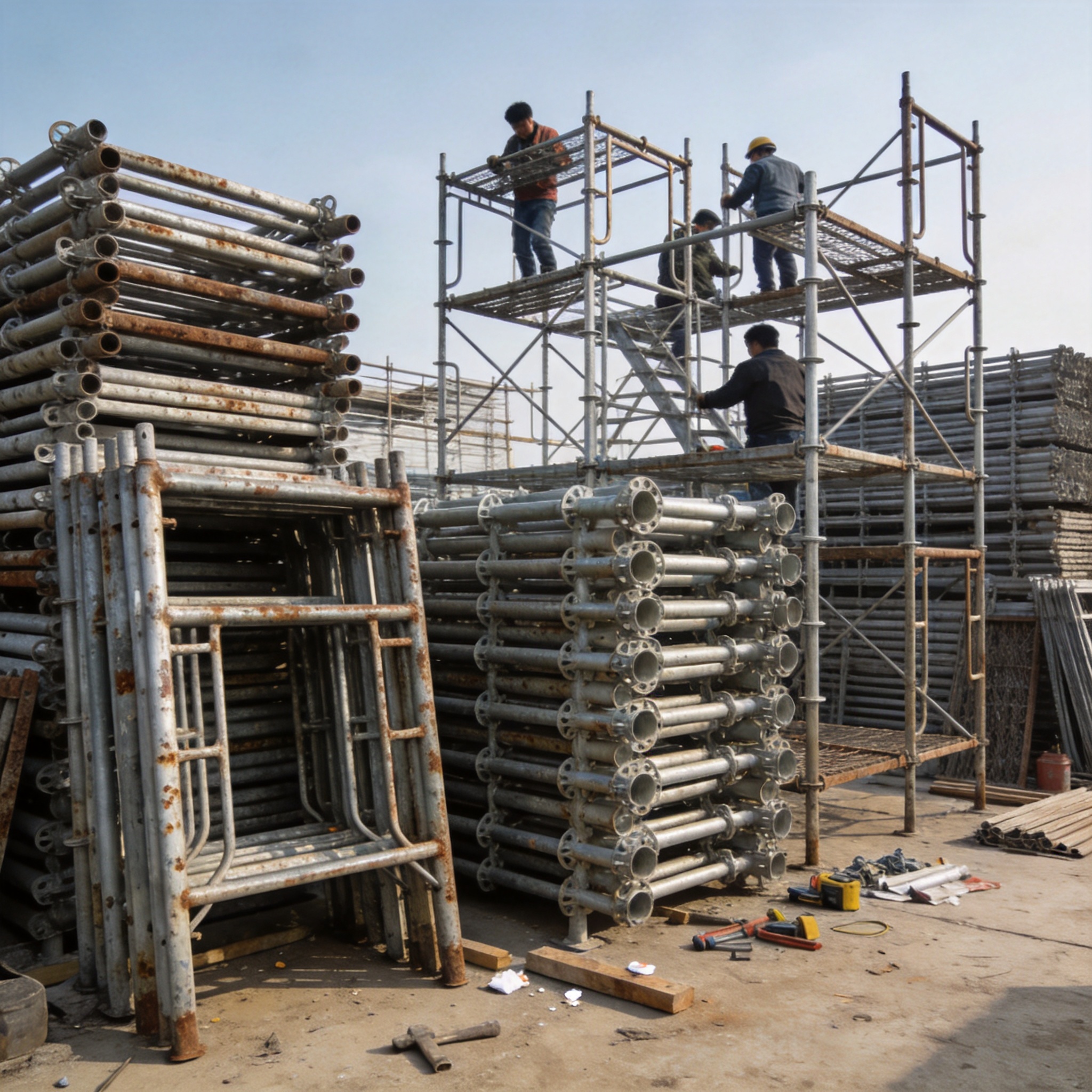
When selecting scaffolding materials, understanding the various types available is the first step toward a safe, efficient worksite. Steel scaffolding is one of the most common options, prized for its strength and durability. Tubular steel frames and tube-and-clamp systems can support heavy loads, making them ideal for large commercial and industrial projects. Steel components are generally resistant to deformation under load, ensuring long-term structural integrity. However, they can be heavy to transport and may require periodic painting or galvanizing to resist corrosion in harsh environments.
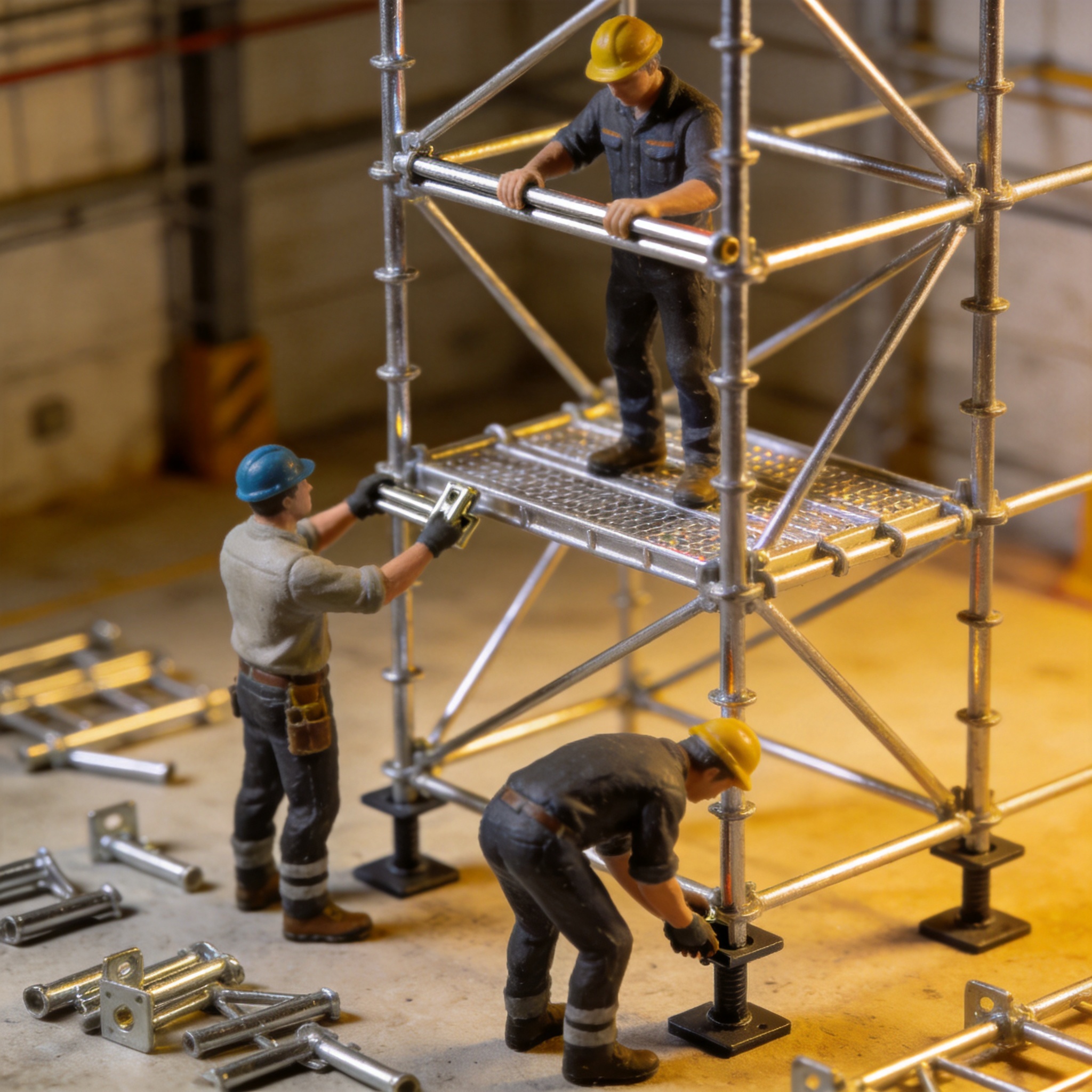
Aluminum scaffolding offers a lighter alternative, reducing manual handling and speeding up assembly and disassembly. While aluminum is less robust than steel, modern alloys still achieve respectable load ratings, and its resistance to rust makes it suitable for outdoor projects. Timber scaffolding—once ubiquitous—remains in use for smaller, traditional jobs or in regions where wood is plentiful and affordable. System scaffolding, such as ringlock or cuplock, combines prefabricated steel or aluminum components for rapid erection, uniform safety features, and modular adaptability. Each scaffolding material type—steel, aluminum, timber, or engineered systems—has trade-offs in cost, weight, durability, and ease of use. Knowing their characteristics helps match scaffolding materials to project requirements, ensuring both efficiency and safety.
Safety Standards and Regulations for Scaffolding
Adherence to safety standards and regulations is essential when working with scaffolding materials, as non-compliance can lead to severe accidents and legal penalties. In the United States, the Occupational Safety and Health Administration (OSHA) sets forth stringent guidelines covering load capacities, guardrails, platform widths, access points, and inspection intervals. These rules require that scaffolds be able to support at least four times the maximum intended load, that guardrails be installed on platforms above 10 feet, and that a competent person inspects scaffolding daily.
Internationally, standards such as ANSI/ASSE A10.8 (in the U.S.) and EN 12810/12811 (in Europe) provide similar frameworks. They specify requirements for materials strength, dimensional tolerances, safe erection and dismantling practices, and mandatory training. Local building codes may impose additional rules on foundation preparation, wind-load considerations, and seismic factors. Compliance with these safety regulations not only safeguards workers but also protects project timelines by minimizing shutdowns due to regulatory violations. Always verify that your scaffolding materials meet or exceed the relevant standards for your jurisdiction before beginning any work.
Proper Handling and Storage of Scaffolding Materials
Proper handling of scaffolding materials starts with correct lifting techniques and the use of personal protective equipment (PPE). Heavy steel or aluminum frames should be lifted by two or more workers or by using mechanical aids like cranes or hoists. Gloves protect against sharp edges and prevent hand injuries, while steel-toe boots safeguard feet from falling components. When moving long boards or ledgers, ensure clear pathways to avoid tripping hazards and collisions.
Storing scaffolding materials correctly extends their service life and reduces the risk of on-site accidents. Components should be stacked on level, well-drained surfaces to prevent warping and corrosion. Use wooden sleepers or pallets to keep steel tubes off the ground and covered with tarpaulins to shield them from moisture and UV damage. Ladders and planks should lie flat and unobstructed to prevent unnecessary bending. Proper labeling and organization aid quick retrieval during assembly and reduce time wasted searching for mismatched parts.
Maintenance Tips for Scaffolding Materials
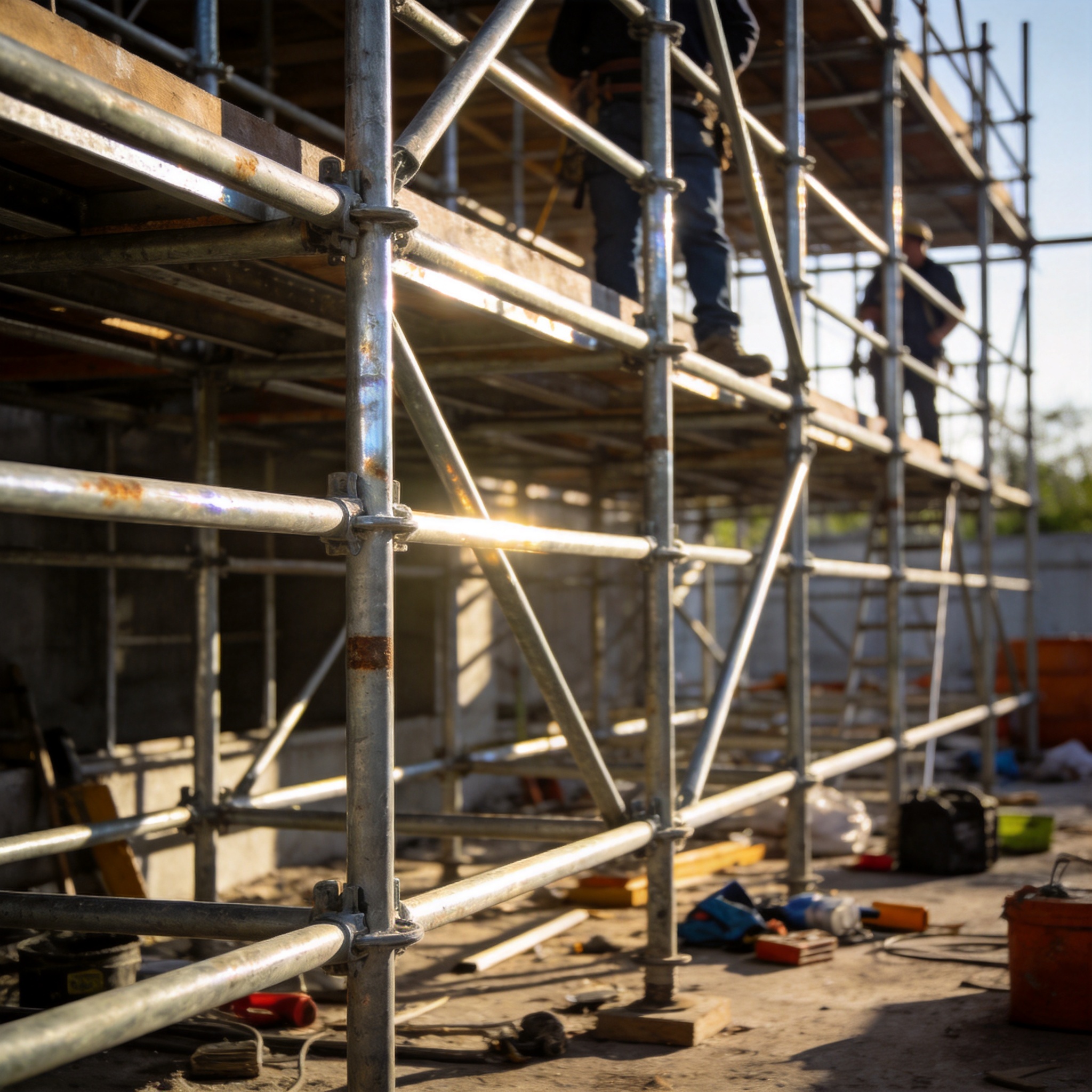
Regular maintenance of scaffolding materials ensures that your equipment remains safe and reliable over multiple jobs. After each use, inspect metal tubes, couplers, and planks for signs of rust, cracks, or deformation. Cleaning components with a wire brush removes dirt and corrosion so that any damage becomes more visible. Apply rust-inhibiting primer and paint to steel parts annually or as needed, focusing on joints and areas where coatings have worn thin.
Wooden boards and planks also require care: check for splintering, rot, or excessive wear, and replace any boards with cracks that compromise structural integrity. Lubricate moving parts—such as swivel joints and leveling screws—with a light machine oil to prevent seizing. Store small items like couplings and base plates in labeled bins to avoid loss and makeshift repairs in the field. Document each maintenance cycle with a log, noting component serial numbers, repair dates, and findings, to maintain accountability and ensure timely replacement of scaffolding materials before they reach the end of their safe service life.
Training and Certification Requirements for Using Scaffolding Materials
Operating scaffolding materials safely demands formal training and certification. In the U.S., OSHA requires that any worker erecting, altering, or dismantling scaffolding be trained by a qualified person. This training covers hazard recognition, load capacity calculations, fall protection, and safe procedures for assembly and disassembly. Certification programs, often offered by accredited safety organizations, include hands-on components where trainees practice erecting sections under supervision, learn to identify and remedy common issues, and demonstrate correct use of fall arrest systems.
Beyond initial certification, ongoing education is crucial. Refresher courses help workers stay current on new standards, evolving best practices, and innovations in scaffolding materials. Supervisors should also attend specialized training to perform competent person inspections, which involve checking that scaffolds are level, plumb, and free of visible defects. By investing in comprehensive training and certification, companies not only meet legal requirements but also foster a culture of safety that minimizes incidents and downtime on every project.
Conclusion: Ensuring Safety and Efficiency with Proper Scaffolding Materials
Choosing the right scaffolding materials, adhering to safety standards, and maintaining proper handling and storage protocols are fundamental to any successful construction or renovation project. Regular maintenance and comprehensive training further ensure that your scaffolding remains reliable and safe over time.
By prioritizing these best practices and investing in high-quality scaffolding materials and skilled personnel, you protect both your workforce and your bottom line, delivering projects on schedule and without incident.
