
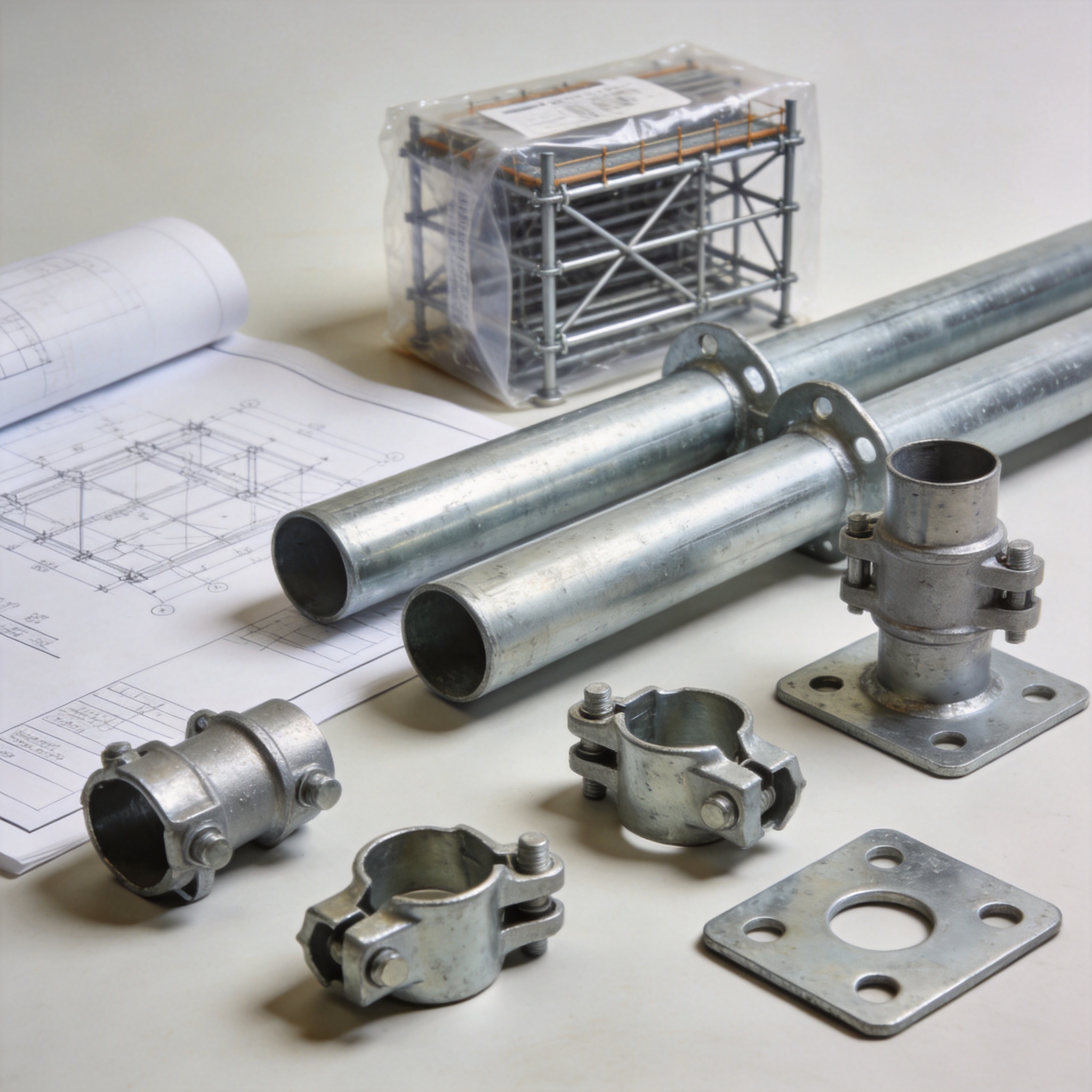


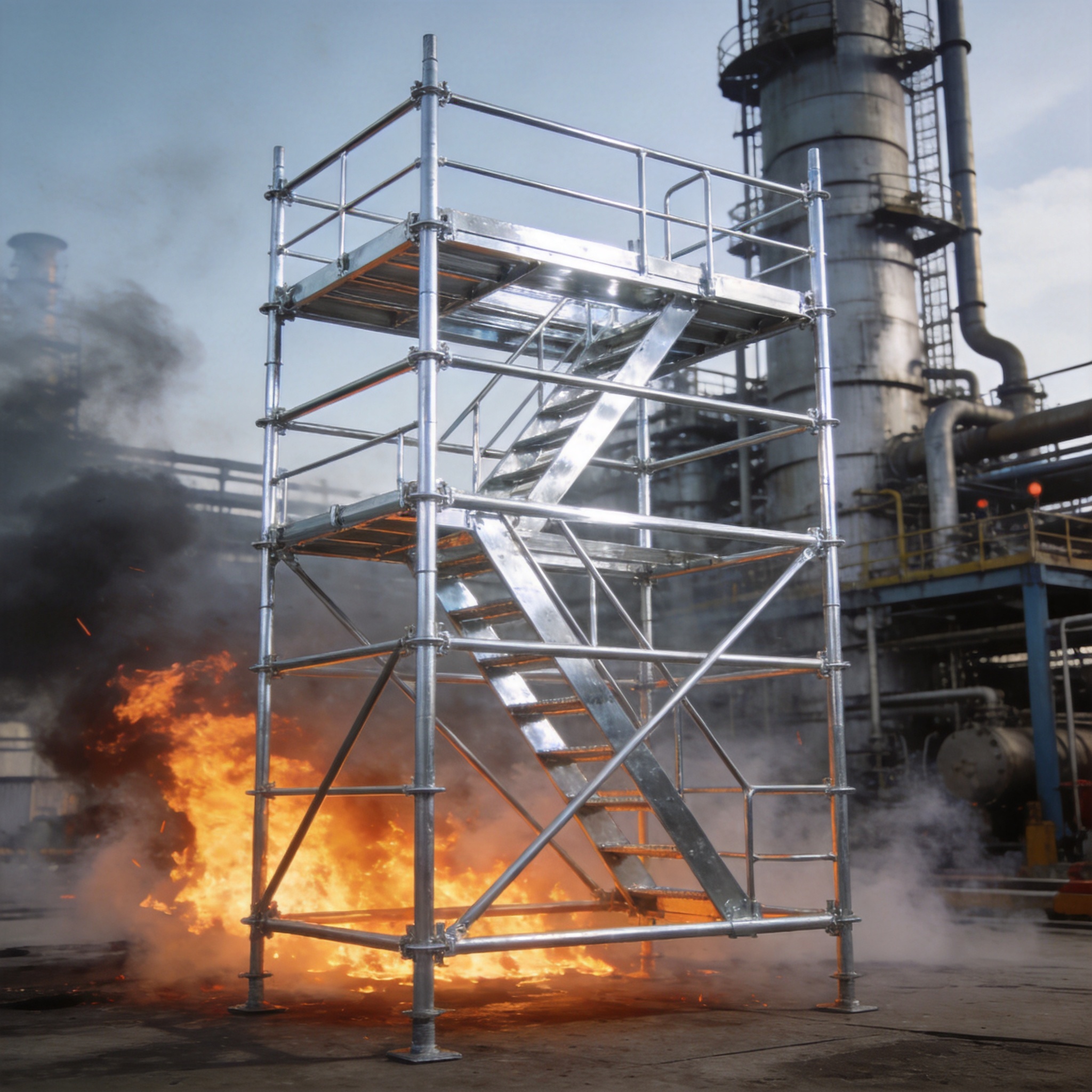
Every towering skyscraper and sturdy bridge you admire relies on an invisible hero during its construction: scaffolding. While often overlooked, these temporary structures are the backbone of safe and successful building projects. Imagine constructing a high-rise without a solid foundation to support workers and materials—it’s nearly impossible. That’s where understanding the essential scaffolding components becomes crucial for ensuring not only structural integrity but also the safety of every individual involved in the construction process.
In the intricate world of construction, missing even one component could potentially lead to disastrous consequences. Balancing safety and efficiency requires more than just assembling metal parts; it demands a comprehensive understanding of each element’s role. Whether you’re an aspiring construction expert or a seasoned professional, acknowledging the significance of these components is key to mastering the craft and maintaining a safe working environment. This article will guide you through the indispensable parts of scaffolding, shedding light on their purpose and ensuring every project stands tall and secure.
Types of Scaffolding Structures
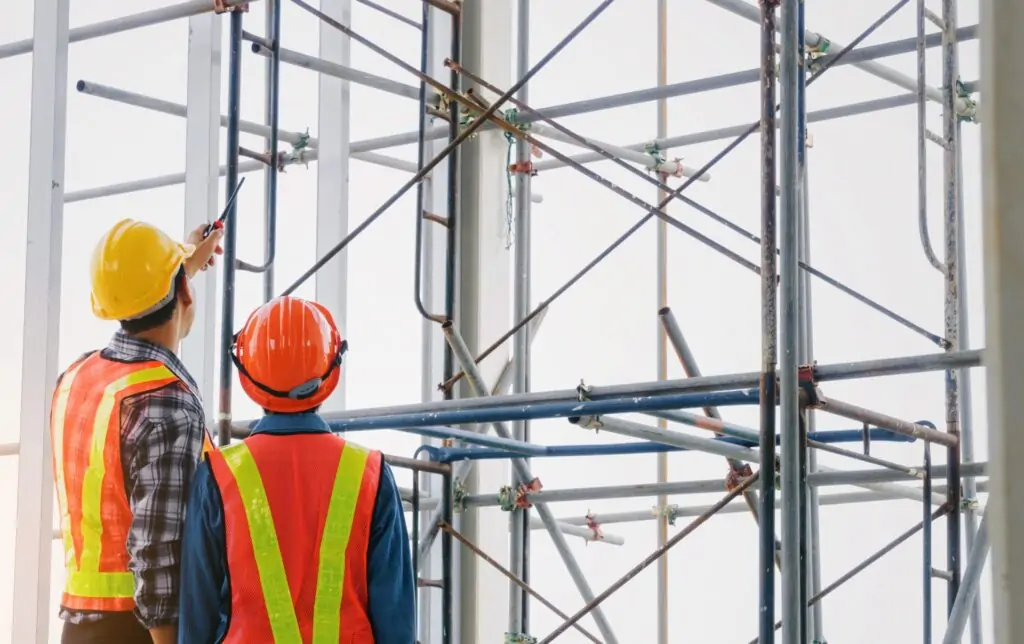
Scaffolding structures come in various forms to meet the diverse needs of construction projects. The most common type is supported scaffolding, which relies on a rigid, load-bearing base of poles and frames. Suspended scaffolding hangs from an overhead structure, allowing workers to access elevated areas without ground support. Rolling scaffolds offer mobility through lockable casters, making them ideal for tasks that require frequent repositioning. Each of these scaffolding components must be carefully selected and inspected to match the job’s height, load requirements, and work conditions. Understanding the differences between these fundamental structures ensures that you choose the right solution for safety and efficiency.
More specialized designs include cantilever and fixed cantilever scaffolds, often used when the base area is inaccessible or obstructed. Cantilever scaffolding extends from a secure anchorage point, providing overhang access for façade and exterior work. In contrast, mobile towers combine the benefits of rolling scaffolds and adjustable height platforms, empowering crews to move seamlessly on large sites. Each type of scaffolding structure integrates essential scaffolding components—such as base plates, ledgers, standards, and transoms—to maintain stability and load distribution. By matching the structure to project requirements, construction managers can minimize downtime, reduce hazards, and ensure compliance with safety regulations.
Standards and Regulations in Scaffolding
Adherence to industry standards and regulations is non-negotiable when working with scaffolding components. Organizations such as OSHA in the United States, the European Committee for Standardization (CEN), and ISO set rigorous guidelines for design, erection, and inspection. These rules cover everything from material quality and load ratings to guardrail heights and toe board installation. Regular inspections, competent personnel certifications, and detailed documentation are mandatory to ensure scaffolding systems remain safe throughout a project’s lifecycle. Compliance with these standards reduces the risk of accidents and legal liabilities.
Local authorities may impose additional requirements based on climate, seismic activity, or historic preservation zones. For example, scaffolds used in coastal regions often need corrosion-resistant alloys or protective coatings. In earthquake-prone areas, special bracing and anchorage systems become critical scaffolding components to resist lateral forces. Safety training for workers must also align with national regulations, encompassing fall protection, load handling, and emergency procedures. By integrating these regulatory frameworks into project planning, contractors can guarantee a safer work environment while avoiding costly fines and delays.
Scaffold Frames and Braces
The frame of a scaffolding system is its skeleton, providing vertical support and serving as the primary load-bearing element. Typical scaffold frames are constructed from steel or aluminum tubing, featuring welded joints for enhanced strength. Cross braces connect opposing frames, forming rigid triangles that distribute weight evenly and resist lateral movement. Each brace intersects at predefined nodal points, ensuring uniform stress transfer across the structure. Using high-grade materials and precision-engineered connectors is vital to prevent bending or buckling under heavy loads.
Braces also play a pivotal role in maintaining alignment and preventing sway during windy conditions or when workers move across platforms. Diagonal braces can be installed at regular intervals to reinforce the system horizontally and vertically. Quick-lock couplers simplify assembly and disassembly, reducing on-site labor time while ensuring secure connections. Properly tensioned braces, combined with sturdy frames, form the backbone of any scaffolding setup, guaranteeing that all other scaffolding components—such as planks and access ladders—rest on a stable and reliable foundation.
Platforms and Planks
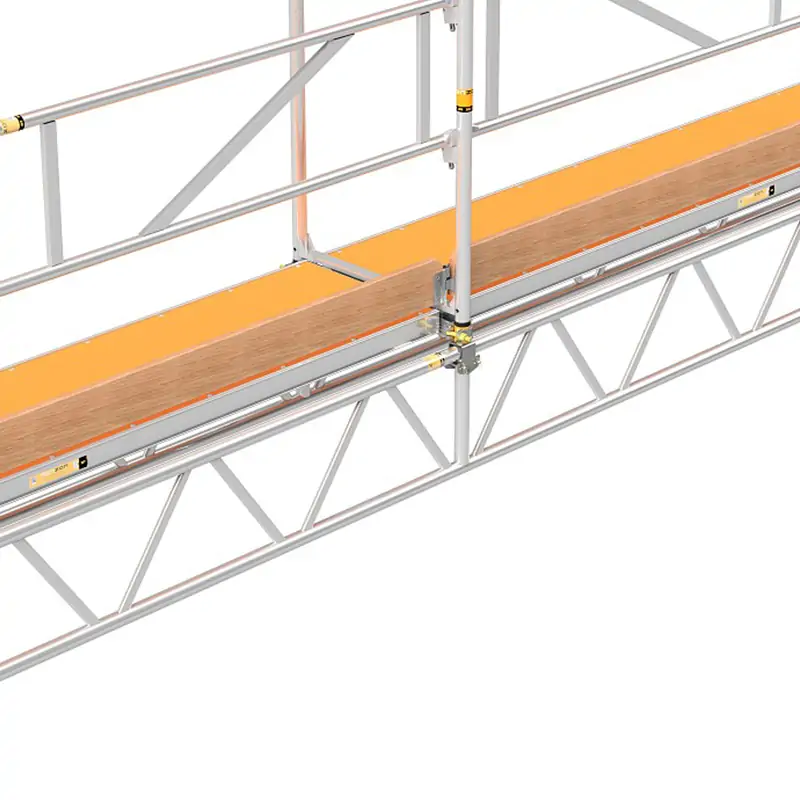
Platforms and planks create the working surface of a scaffold, supporting workers, tools, and materials at height. Available in wood, steel, aluminum, or composite materials, these components must meet strict load-bearing standards to prevent sagging or failure. Wooden planks are often treated for fire resistance and weatherproofing, but require regular inspections for cracks and rot. Metal decks provide greater durability and uniform load distribution, though they add weight to the overall structure. Composite planks offer a balance of strength and lightness, with slip-resistant surfaces that enhance worker safety.
Span length and load rating are crucial factors when selecting planks. Manufacturers stamp each plank with maximum allowable load and span details, ensuring compatibility with specific scaffold configurations. Guardrails and toe boards should accompany platform installations to prevent falls and falling objects. Secure locking mechanisms and end-hook fittings help keep planks in place, reducing the risk of displacement. By integrating the right platforms and planks into your scaffolding components, you create a reliable workspace that meets both productivity and safety goals.
Ladders and Access Points
Safe access to elevated work areas is essential, and ladders form a key part of scaffolding components. Hook-on ladders attach directly to scaffold frames, offering a stable and secure climbing route. Alternatively, internal ladders can be integrated within the scaffolding system, reducing external trip hazards. Fixed stairway units are another option, providing a more comfortable ascent and descent for crews carrying tools or materials. Regardless of type, ladders must extend at least three feet above the landing platform to serve as handholds and ensure safe transition points.
Every access point must include slip-resistant rungs, safety cages for ladders over a certain height, and adequate clearance around openings. Guardrails around hatchways further enhance protection by preventing accidental falls. In busy or narrow work sites, swing gates can control entry and exit, minimizing the chances of unauthorized or unsafe use. By carefully planning and installing ladders and access components, contractors can streamline workflow and uphold the highest standards of jobsite safety.
Conclusion: Importance of Proper Scaffolding Components
Understanding and selecting the right scaffolding components is fundamental to any safe and efficient construction project. From the choice of structure types to the quality of frames, braces, platforms, and ladders, each element plays a critical role in maintaining stability, protecting workers, and meeting regulatory requirements.
By prioritizing compliance, routine inspections, and high-quality materials, you ensure that every scaffold stands firm under load and environmental stress. Investing time and resources in proper scaffolding setup pays dividends in productivity and peace of mind, keeping projects on track and teams out of harm’s way.
